
Q&A: Anna Graves on Finding Her Way Back to Herself Through Music
INTERVIEW
INTERVIEW
☆ BY INDI TEJEDA ☆
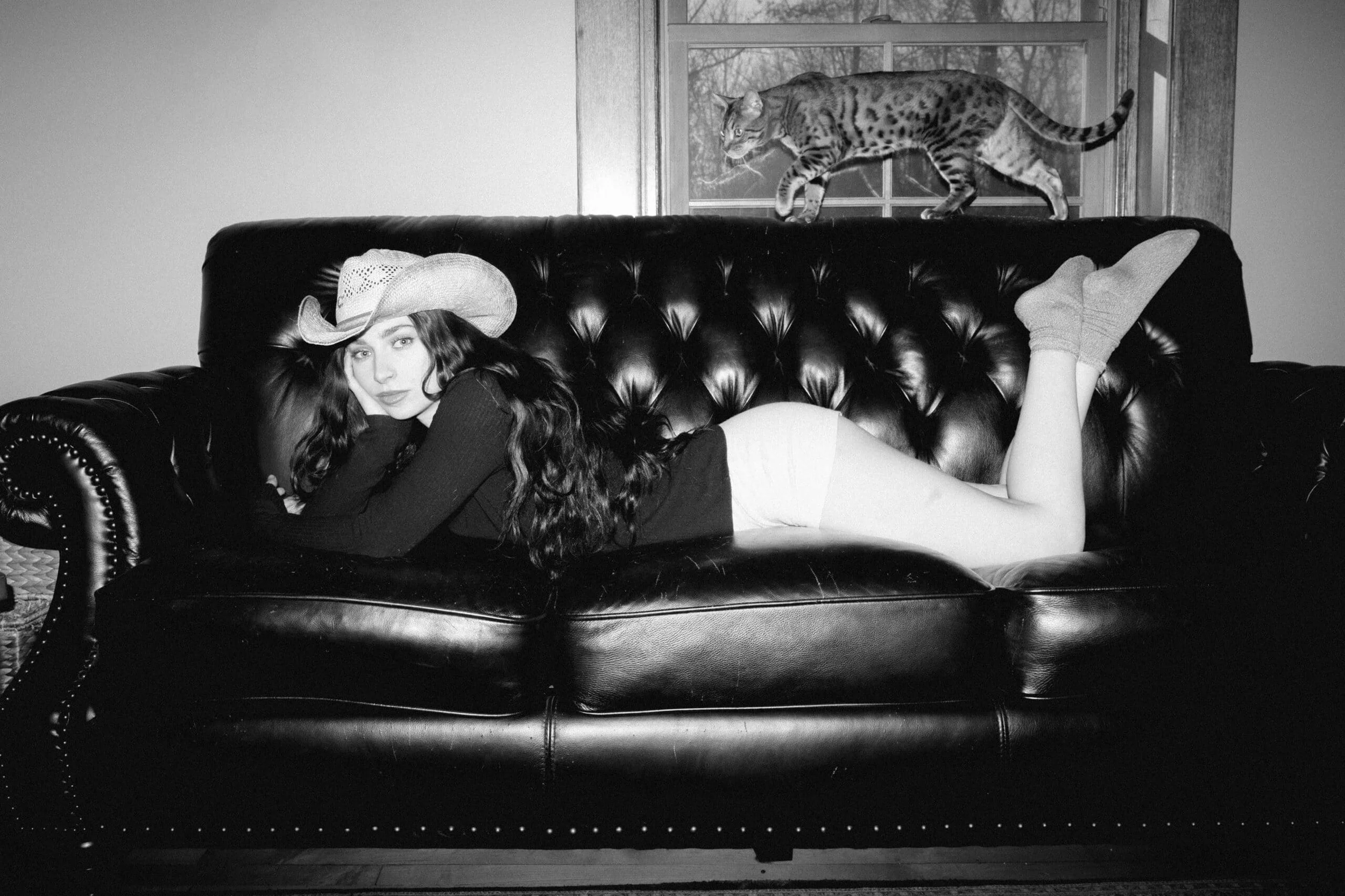
FOR ANNA GRAVES, AMERICA'S GREATEST BURNOUT BEGAN AS ONE STORY AND SLOWLY BECAME ANOTHER—The Minnesota-born alt-folk singer, songwriter and multi-instrumentalist initially approached the record as a reflection on falling apart. Somewhere along the way, the album became something more: a story about resilience, returning home and learning to recognize the beauty in the person she had been all along.
Raised on a 40-acre farm in southern Minnesota, surrounded by horses and peacocks, Graves has always maintained a connection to the slower, physical world around her. After spending time in Nashville and Los Angeles, she returned to Minnesota and began releasing music in 2023. Her intimate songwriting has since taken her from acoustic storytelling to opening for artists like Stevie Nicks and Maren Morris, while songs like "Hollow Bones" have reached millions of listeners through streaming, television, and viral recognition.
Yet for Graves, success has never been about chasing a particular destination. Her definition of making it is simple: continuing to create music she loves and having time to spend with the people she loves.
As she prepares to embark on her first headlining tour, Graves spoke with LUNA about the evolution of America's Greatest Burnout, reconnecting with her younger self, the importance of slowing down, and why she hopes everyone who walks into one of her shows leaves feeling a little more understood.
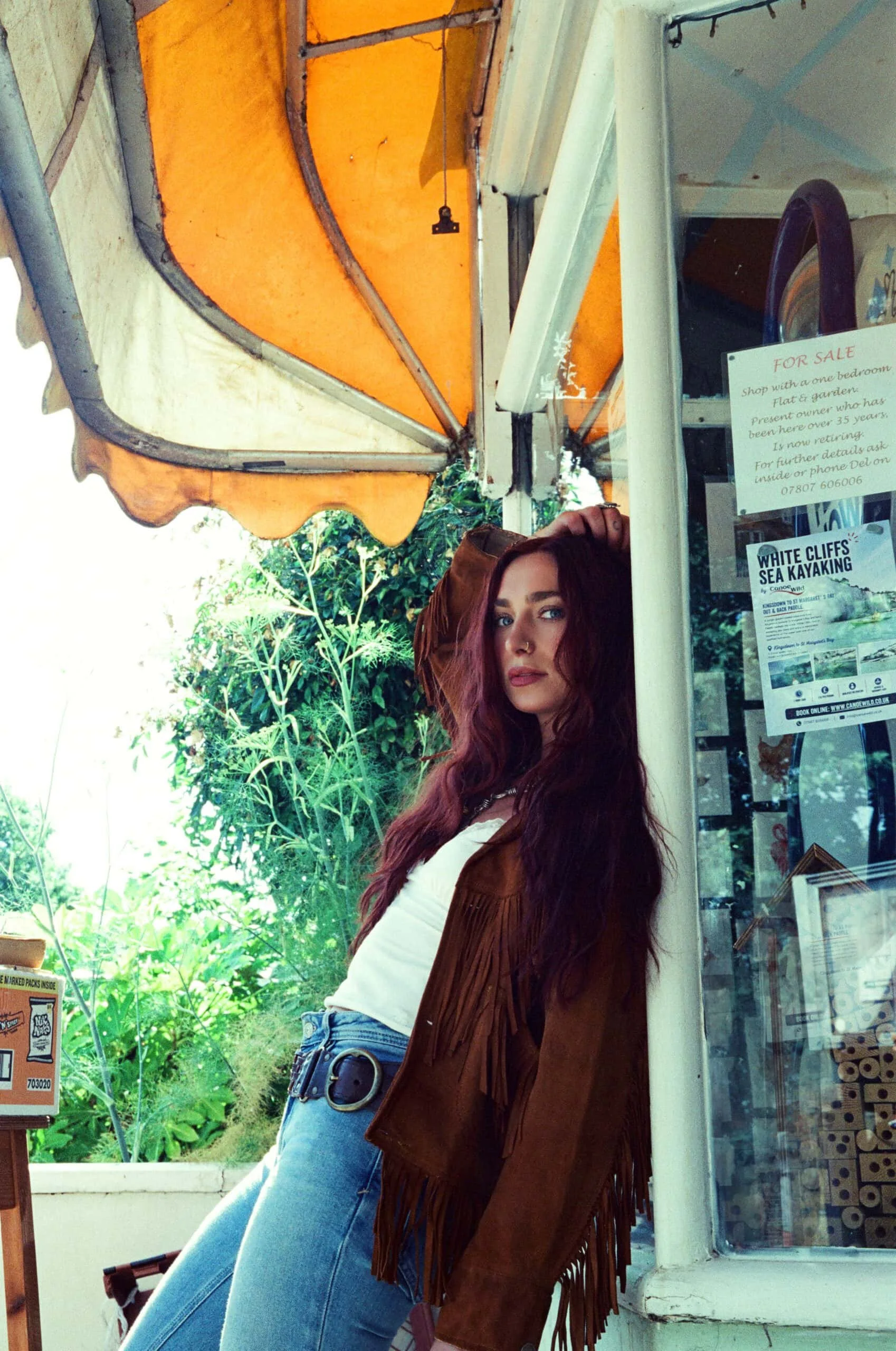
LUNA: America's Greatest Burnout feels incredibly personal, not only as a title, but all around. It feels like an autobiography set to music. Looking back at the last decade of your life, was there a particular moment when you realized these stories needed to become an album, or did the record reveal itself to you over time?
ANNA GRAVES: When I started writing the record, I thought I was going to be writing about falling apart. Then, over time, I realized I was making one about coming back to myself and coming back to life.
The storyline changed for me. What started as something I was ashamed of ended up being the reason I could start over again—the reason I found my resilience and my way back home. I was able to return to the same landscape as a different woman, and I think that had so much power to it.
The record changed over time, and it ended up becoming something way more special than I would have thought it could be.
LUNA: You grew up on a farm in Minnesota surrounded by nature, and now spend time fostering rescue horses. How does that connection to the physical, slower-paced world of farm life show up in your songwriting, especially in an industry that feels increasingly driven by screens, algorithms, constant noise and an extremely fast pace?
ANNA GRAVES: I won't lie, I have to physically put my phone away just like everyone else, because it's such an addicting thing. I actually call my phone "the black box that ruins my life."I struggle with it just as much as anyone. But the farmland in Minnesota offers space to hear yourself and hear your thoughts. That's why it's so important for me to come back here amid the chaos of everyday life.
It was really special to come back here and remember what actually matters, and to find the beauty in ordinary life again. I wasn't chasing the version of success I thought I wanted. I was able to come back and think about what I actually did want.
I want to live a peaceful life and make music that I love. This farm has been a place where I was able to rediscover that.
LUNA: There's a real balance within the album between looking backward and moving forward. When you're writing about older versions of yourself, are you trying to understand who you were, make peace with her or simply give her a voice?
ANNA GRAVES: It's about realizing my younger self wasn't naive or embarrassing. When we're young, we think we want to run from ourselves as far as possible. But it's about realizing she actually knew things I had forgotten.
The parts of me I thought were embarrassing, or wanted to hide, were the most special parts of myself. It's about realizing how special each version of us is, and that it's the reason we are who we are today.
It's shining a light on the beautiful parts. It's not about missing an old self or wanting to go backward - it's about finding that within ourselves and taking it with us.
LUNA: You've gone from intimate acoustic storytelling to opening for artists like Stevie Nicks and Maren Morris, having "Hollow Bones" recognized by Shaboozey, and reaching millions of listeners through streaming and television. Has there been a moment in all of that where you've had to step outside yourself and think, "Wow, this is actually happening"?
ANNA GRAVES: Yeah, it really happens. Even recently, debuting at the Opry, I didn't realize what an impact that would have on me until afterward, just taking it in.
It's funny—I don't know if this is something we do in our 20s or a lifelong thing—but when we're in the middle of the grind, we feel like we're not getting anywhere. We're just overwhelmed with exhaustion. It just takes time.
I think about where I was a year ago, and it's cool to see how far the music has gotten. Every once in a while I'll have my guitar on me in an airport and someone will come up and say, "Hey, I love your music" - I'll take those moments to my grave. They're the most special.
I still haven't had the chance to hear my song on the radio. Everyone's always like, "I heard your song on the radio in Australia," and I'm like, "I always seem to miss the radio thing."
But all of those moments add up. I don't know exactly where I am in my career versus how far I want to be. I just want to make music I love and have time to spend with people I love. I truly love performing - it's one of the most beautiful moments. You can't even describe it.
I remember the first time I knew I wanted to be a performer. I wrote stories in grade school, and I had a lot of anxiety and didn't like talking in class. My teacher—I believe this was first or second grade—would trade me candy to read my stories to the class.
I remember sitting there, so nervous and anxious. Once I started reading one of my stories—it was called "The Mystery of the Red Ruby" or something like that—and saw people's faces change, looking happy or sad or laughing. I felt a connection I still cherish when I perform.if I can keep doing that for however long I can, I think that's making it to me.
LUNA: You've mentioned resilience a few times throughout our conversation. What does resilience look like to you now, especially compared to what you might have thought it meant when you were younger?
ANNA GRAVES: We don't take enough time to be proud of ourselves. We're still caught up in the grind.
I talk about resilience a lot, and I don't want it to sound like: you fall down, you pick yourself up immediately and you keep going. Yes, there's truth to that, but resilience is also taking time to rest and maybe redefining what you want. It's just being able to keep moving forward in some way.
LUNA: You're about to head out on your first headlining tour. After spending so much time connecting with people through songs and digital connection, what does it mean to finally have those songs exist in the same room with your audience - and what do you hope they take away from seeing you live?
ANNA GRAVES: I cannot tell you how excited I am for this headline tour. I played my first headline show in London a couple months ago, and it felt like a completely new energy, like I was in a room with all my friends.
What I want people to take away from this tour is that music is healing. I hope they feel better after the show, not worse. I hope they feel a little more understood, and maybe that they can laugh at themselves a little, or cry.
Any phase of healing is valid, whether it's a "fuck it" mentality, laughing at yourself, seeing the beauty in little things again, or whatever it is. I hope people can feel whatever they need to feel, and leave the show a little more understood and a little more healed.
