
Q&A: Aubory Bugg on Letting Go, Writing Honestly and Building ‘I think I had Something Once’
INTERVIEW
INTERVIEW
☆ BY DANY MIRELES ☆
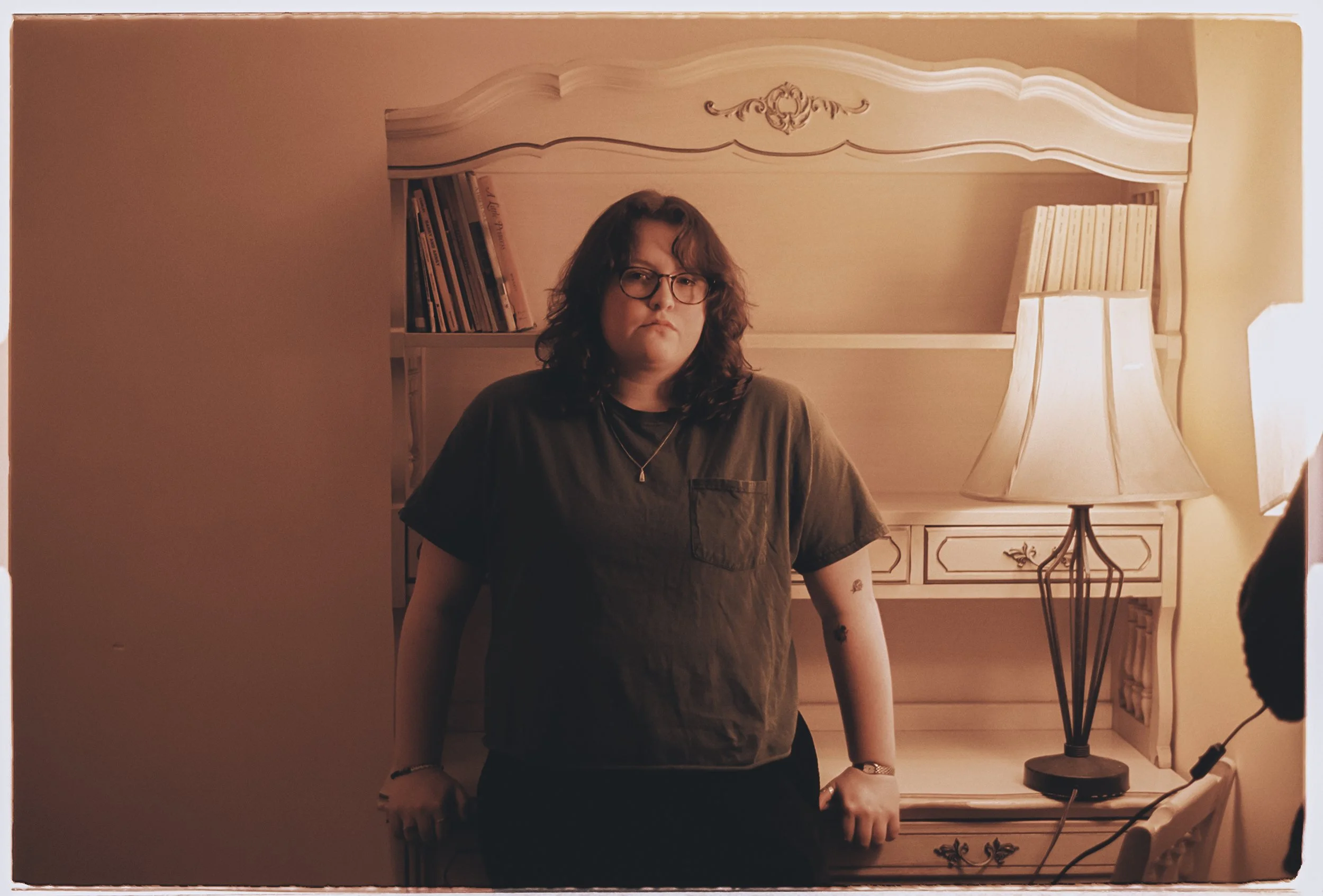
Photo by Caity Krone
IT’S A LOVE LETTER TO THINGS THAT YOU DIDN’T THINK YOU’D LOSE—There’s a moment when you look back in your past and realize you’re grieving more than just a person: You’re mourning a feeling, a dream or a chapter you never thought would end. For Aubory Bugg, that bittersweet realization became the center of her debut album, I Think I Had Something Once.
Following her independently created EP Muscle Memory, Bugg enters a new era defined by radical honesty and emotional specificity. The album traces the aftermath of lost relationships, nostalgia, and the process of accepting change, all while exploring new sounds and collaborations, and expanding her sound on cathartic anger tracks like “Nosedive.”
In conversation with The Luna Collective, Bugg opens up about embracing vulnerability, learning to work and communicate alongside new collaborators, and why the album serves as a love letter to the things we’d never thought we would lose.
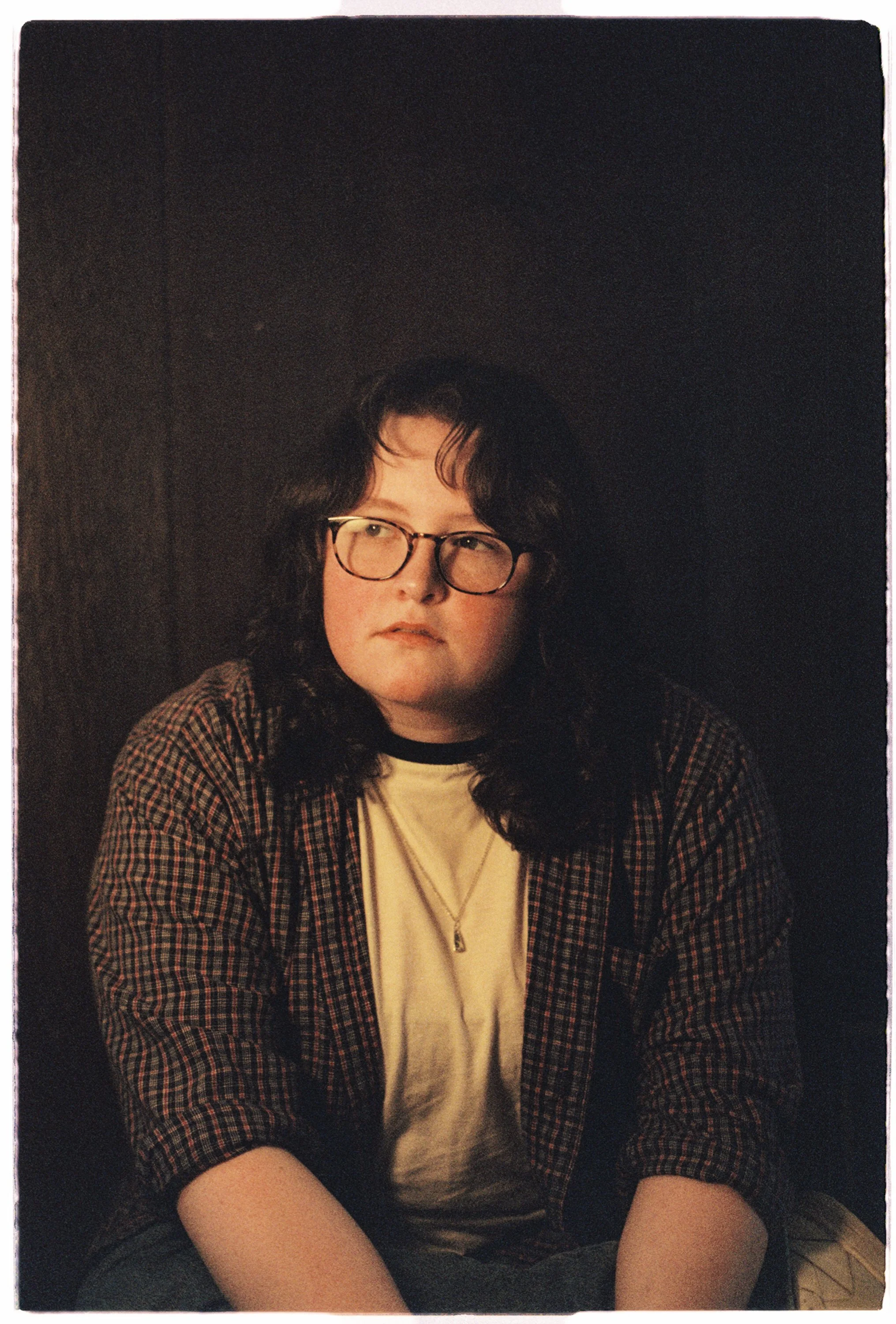
Photo by Caity Krone
LUNA: Congratulations on announcing I Think I Had Something Once. As your debut album, what did you want this project to introduce about you as an artist that listeners may not have heard before?
BUGG: I feel like with my first EP, Muscle Memory, it was very observational. It wasn't an incredibly personal record. I was living in my hometown and doing it all in my basement, writing about my neighborhood and high school from a bird's eye view. This record is kind of a 180. I wanted to write as truthfully and honestly as I could, so a lot of it is incredibly specific and about real things that really happened. I'd say it's a lot more honest and maybe a little more lyrically accessible and universal than my previous project.
LUNA: The album's title is incredibly evocative. How did I Think I Had Something Once come to represent the themes and emotions explored throughout the record?
BUGG: What's funny is that "I Think I Had Something Once" was the first song we wrote for the record. I showed it to two of my best friends and my manager, and everyone had the same consensus: this is the debut album title track. The rest of the record fell into place around that core theme of losing things and observing past versions of yourself that had them. It was less about looking at all the songs and finding a theme, and more about deciding this was the song and building a world around it.
LUNA: "Nosedive" is the first taste of this new chapter. What made it the right song to lead listeners into the album?
BUGG: I think having "I Think I Had Something Once" as a palate cleanser was nice because it's this lush, nostalgic song about missing my childhood, and then "Nosedive" is the angriest song on the record. I don't have a lot of anger in my life, but there was a time last year when I was very bitter and jaded. I originally wrote it with CeCe Coakley and Matt Martin, almost as a joke. But my team, family, and friends really loved it. Most of the record is very careful and measured, and "Nosedive" is this emotional departure that shows the extremities the album goes to.
LUNA: Sonically, "Nosedive" combines soaring guitars, driving drums, and a memorable vocal hook. How did you and your collaborators shape the sound of the track?
BUGG: It's actually funny. Matt and I built an early demo that was really rock, really emo, with huge electric guitars. The only things we kept were the vocals and the down chorus. It was good for what it was, but it wasn't right. Later, we stripped it back to just guitar, vocals, and the down chorus and changed the drums for something more subdued. The first version was really biting and angry, and then we revisited it when I wasn't carrying all those huge emotions anymore. Seeing how it tamed itself down into what it is now is kind of comical.
LUNA: The album was created during a period of significant growth in your career. How did your songwriting process evolve while making this record compared to your earlier releases?
BUGG: This is the first record I've ever worked on with a producer and with other writers. Muscle Memory was a solo endeavor—I wrote, mixed, mastered and produced everything myself in my parents' basement. Last year, my team encouraged me to try sessions with other people. At first, I wasn't sure, but it made the album move a lot faster. When I write alone, I'm such a perfectionist that I'll tweak the same two lyrics endlessly. Having incredible co-writers and producers made this record feel like a big labor of love instead of me banging my head against a wall.
LUNA: This project features more collaboration than some of your previous work. What did working with other writers and creatives bring to the album that surprised you?
BUGG: I have incredible friendships now with these people. They know me better than a lot of people in my friend groups because writing songs requires a different emotional muscle. When I write on my own, it's easy to stop holding myself accountable to the truth and create narratives that drift away from what actually happened. With collaborators, I have to explain exactly what happened and how I feel. They'll tell me, "That's a great lyric, but I think we're getting away from what we're trying to say." It's also just so much more fun and strangely validating to write with other people.
LUNA: You've cited artists ranging from classic songwriters to contemporary indie voices. Were there any particular records, artists, or creative influences that helped shape the direction of I Think I Had Something Once?
BUGG: My music is kind of a collection of everybody I've ever listened to. While making this record, I was listening to a lot of up-and-coming artists around Nashville and really paying attention to what my friends were doing. I listened to a lot of Caroline Carter and Abbey Powledge. Beyond that, I revisited what I listened to as a kid—a lot of Queen, Kansas, Bonnie Raitt, Carole King, and Joni Mitchell. I listened to Tapestry by Carole King constantly.
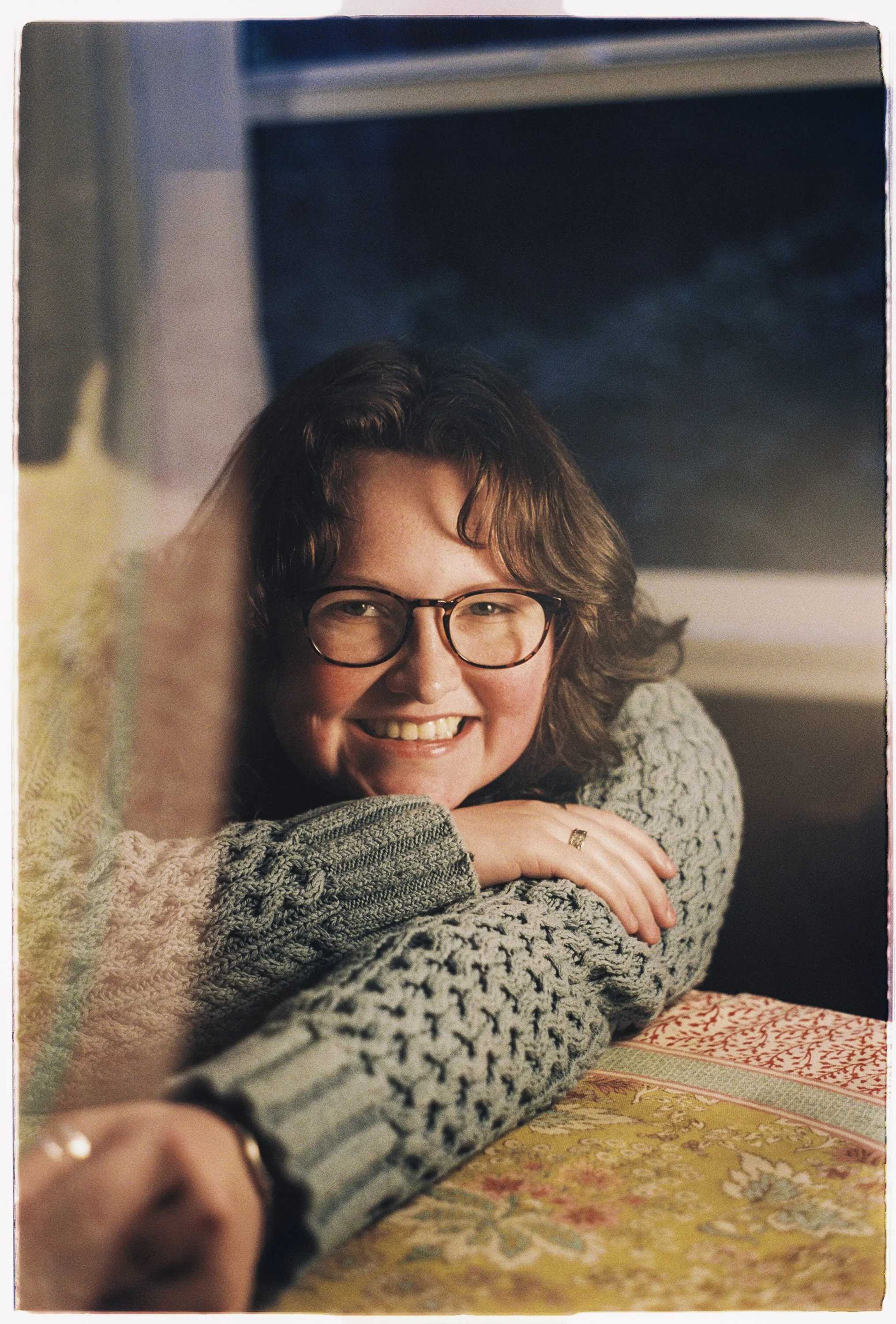
Photo by Caity Krone
LUNA: One thing that stands out in your music is the balance between detailed storytelling and larger universal themes. How do you approach writing songs that feel both specific and relatable?
BUGG: I think you have to reverse-engineer it. You start by writing something very specific. I have a song called "If You Stay" that was about a friend I had in high school. You craft the verses around those specific details and memories, and then the chorus becomes the place where you tie it all together and ask, "What's the one feeling I'm trying to evoke?" A lot of this record came out of pure emotion. I'd remember something from childhood or a relationship, write down the memory, and make it rhyme, then step back and ask myself what I was feeling about it right now. That's where the chorus comes from.
LUNA: Looking at the album as a whole, is there a song that you feel best captures the heart of the project, and what makes it special within the tracklist?
BUGG: It's a piano ballad called "Farewell to Dreaming." It's the last song I wrote for the record, just me and my friend John on piano, and it's the only song on the album that I wrote entirely on my own. It's kind of a goodbye. I once described the album as a love letter to things that you didn't think you'd lose, and "Farewell to Dreaming" is the final acceptance of, "Look, I did what I could. I don't have this thing anymore, but I did once. I love you. Thanks." It's my favorite song on the record, and I think it will be for a very long time.
LUNA: With the album arriving in September, what are you most excited for listeners to discover when they experience i think i had something once from beginning to end?
BUGG: There's a song everybody's waiting on called "Sometimes I Love You," and I'm purposefully leaving it until the end of the record. Every time I post it online, it goes crazy. There's this big reflective moment at the end that's instrumental, and I'm really excited to see people take that song and make it fit their own lives. A lot of these songs are so specific that people might think, "I've felt this before, but I don't know how to put it into words." I think "Sometimes I Love You" is going to become this large reflective moment where people sit back and think, "Wow, that was an album."
