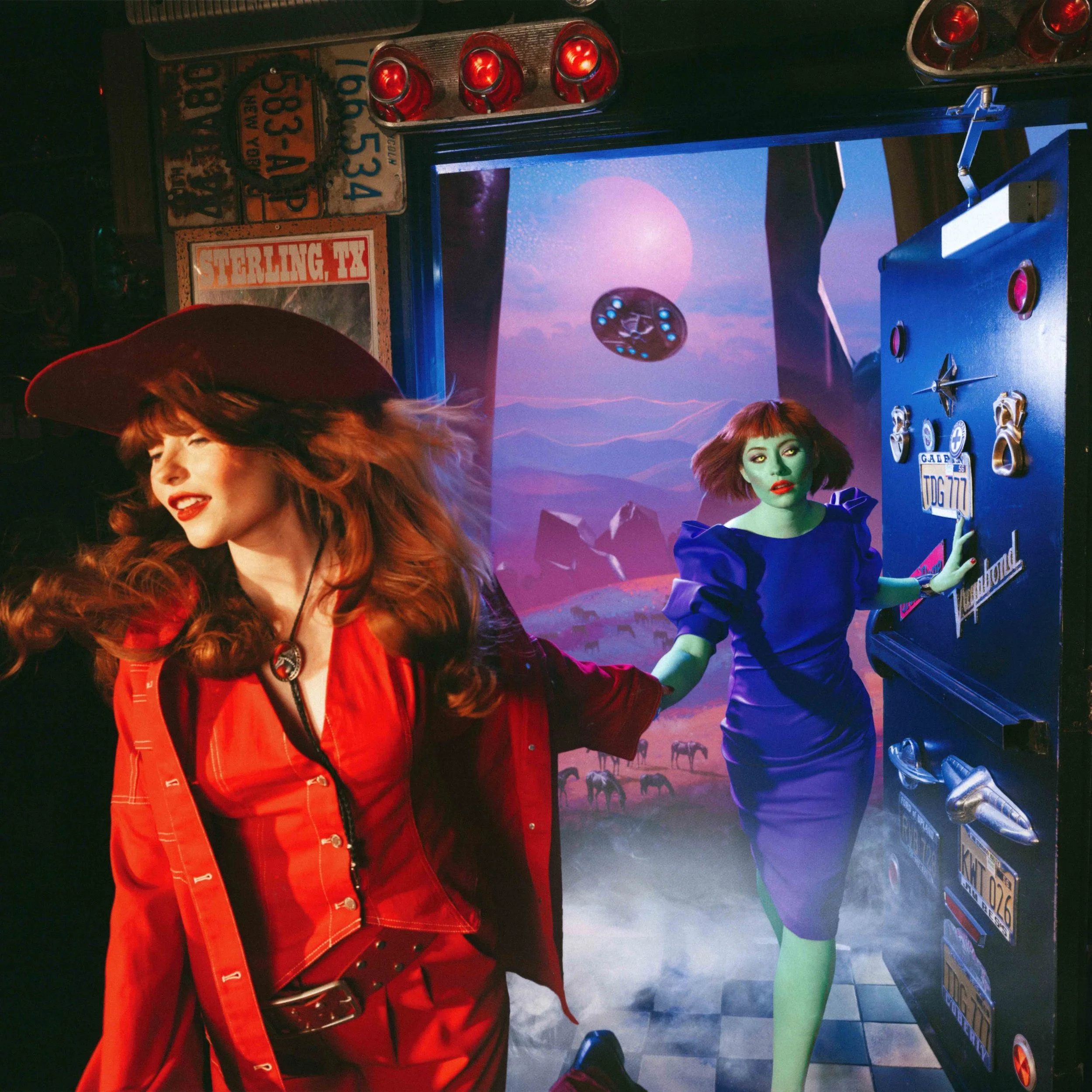
Q&A: August Ponthier on Home, Identity, and ‘Everywhere Isn’t Texas’
INTERVIEW
INTERVIEW
☆ BY SHEVON GREENE ☆
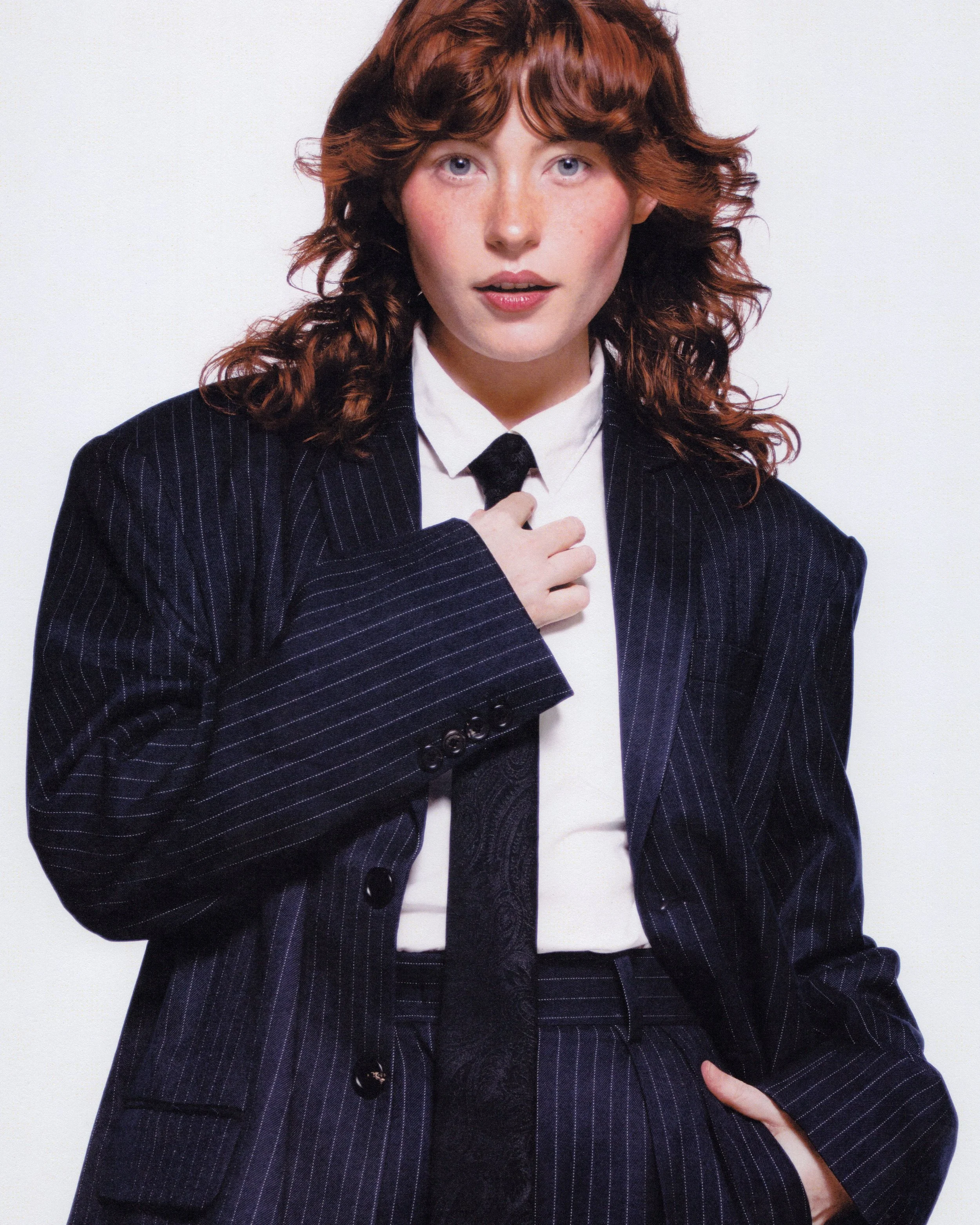
Photo by Tanner Abel
HOME IS RARELY JUST A PLACE—it’s a feeling you carry long after you’ve left; it can be comforting and contradicting all at once. Everywhere Isn’t Texas is a conversation between the past and present, love and resentment, and memory and survival.
Out today, August Ponthier’s debut album follows their complicated relationship with Texas through 10 tracks that pull from pop, folk, rock, and even country. Place may be the entry point, but identity and family are the true heart of the record.
Written across almost six years, the album continued to quietly document Ponthier’s evolving relationship with gender. Days before the album was announced, they publicly came out as nonbinary and changed their name, adding new context to the songs already written.
Songs like the title track, “Bloodline,” and “Angry Man” wrestle with generational pain, religious upbringing, and the complications of loving a place that doesn’t always love you back. Texas, to Ponthier, became a mirror, reflecting both the harm and humanity that shaped them.
Even at its heaviest, Everywhere Isn’t Texas leaves plenty of room for humor, fantasy, and imaginative escape, themes that have been central to Ponthier’s never-ending creative universe, Nowhereland.
We sat down with Ponthier to talk about identity, home, generational pain, and the world of Everywhere Isn’t Texas. Read below to learn more.
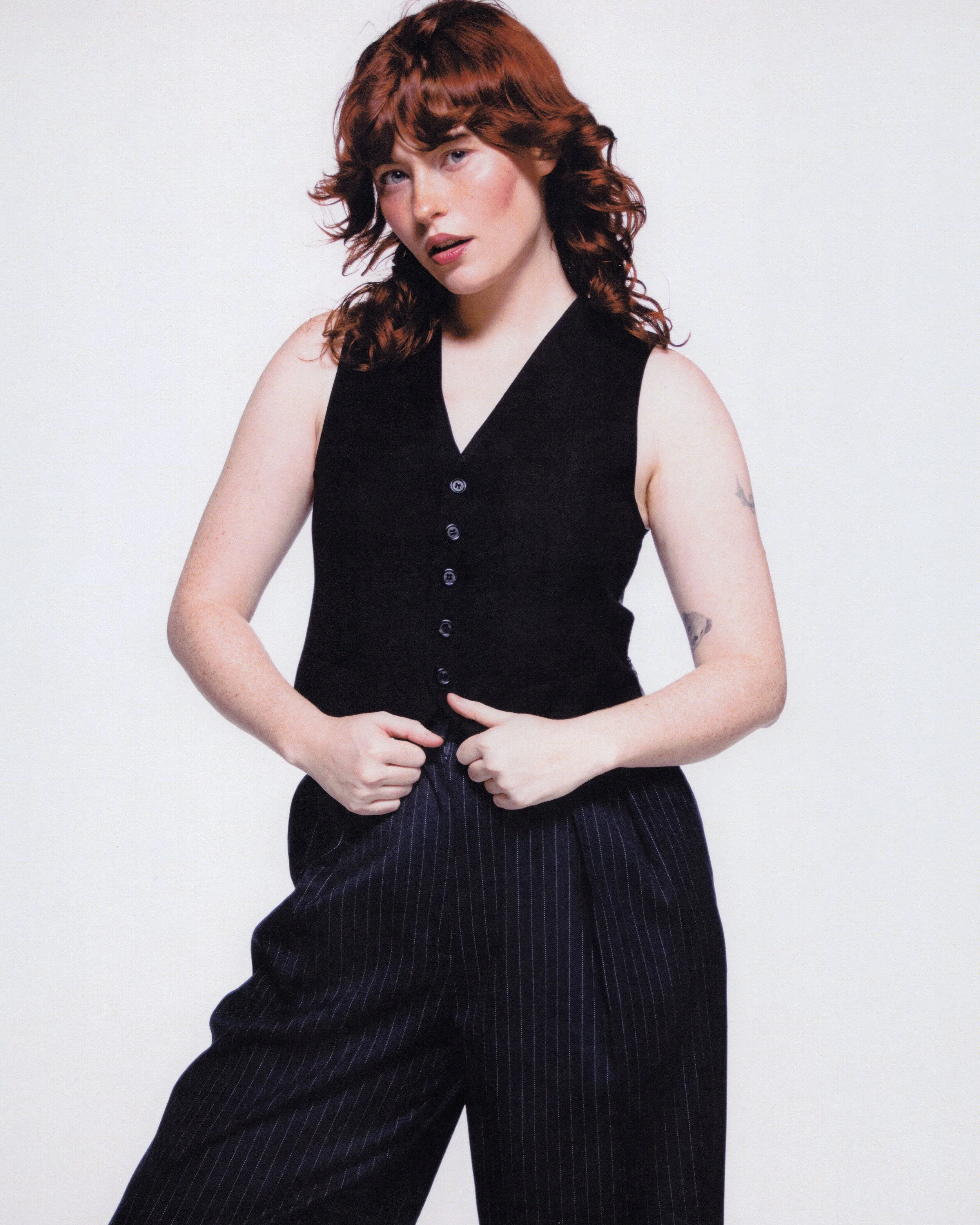
Photo by Tanner Abel
LUNA: Congratulations on Everywhere Isn’t Texas! I loved listening to it and I’m really excited for others to hear it too.
PONTHIER: Thank you! I am really excited because I’ve [released] many records, but all of them were EP length. This is technically my first debut album, which feels untrue to say because I’ve been releasing album-quality EPs for a few years now. It’s very exciting to say I finally did it.
LUNA: It’s so cool to see it all coming together. You said that finishing Everywhere Isn’t Texas felt like getting a self-portrait back. What was the most unexpected thing that you recognized about yourself once the album was complete?
PONTHIER: I bet you can probably guess. It’s no secret that in October, I had a coming-out article with Them. I had wanted to tell people about my name and my gender identity for a while before then, and it was something I had known for years, but I didn’t really have the proper words for it. And, to be completely honest, I didn’t believe myself. I was one of those people who kept doubting my own reality, even though I really knew what the truth was.
The songs on the album are from as recent as a year ago and as far back as five or six years ago. These are all songs that I saved for a record because it felt like a big statement about who I was and about my songwriting. What’s funny about that is I look back on songs like “Handsome,” which I wrote four or five years ago, and it is clearly a gender cry for help. I think about it and go, wow, it’s so crazy that I wrote that and didn’t think about it critically for years.
In “Bloodline,” there’s a line that says, “I’m just a lost kid who looks like a woman with no five-year plan.” I remember writing that line and feeling kind of weird about saying, “I’m a lost kid who’s just a woman.” I wanted to say, “who looks like a woman.” And I think that was because I felt uncomfortable with the idea of calling myself a woman.
I also think that “Betty” is about reintroducing yourself with a new name. I wrote it before I had even done that yet. I just had an insane reverence for someone I met who took control of her own life and identity. When you look back, there are all these gendered puzzle pieces and identity puzzle pieces where it seemed so obvious. How did I not know? But it’s because I didn’t want to. And then when I was finally ready, the album was done. I don’t think that’s a coincidence.
LUNA: I love the way those different pieces of the puzzle built up over time, and now you’re here with this full project ready.
PONTHIER: A big motivator for me was that a lot of trans people I talk to feel like they can go forever just pretending until they can’t anymore, and then it needs to happen immediately. That was my experience. I thought I could pretend for the rest of my life, and then all of a sudden I couldn’t do it anymore.
I wanted my name on the project that I spent so much time on—basically my life’s work for my debut album. And while it felt like pressure at the time, it ended up being the perfect thing. You never realize how much you want a certain name until you want it on the proudest thing you’ve ever done. If I were to get married, I’d want it on a certificate. So that helped.
LUNA: The album’s title track, “Everywhere Isn’t Texas,” felt like a goodbye and a thank-you. How do you hold love and critique for a place that shaped you so deeply?
PONTHIER: That’s basically what the whole record is about. I left Texas in 2017 thinking I would never look back. My feelings were very black and white. Now, I’ve never had a closer relationship to Texas because touring brought me back.
I wish I had met the people from the Transgender Education Network of Texas before I left, but I needed to do what was right for me at the time. Texas is a political leader, and when something happens there, it ripples across the country. That’s why I’m involved in politics and LGBTQ work, especially with trans people.
I grew up going to church every Sunday and believed those lessons about kindness and acceptance. I just felt like people weren’t taking them literally. I love hospitality and community, and I miss it. I want a version of Texas where I can bring my gender-nonconforming partner without fear, and I’ll keep working toward that.
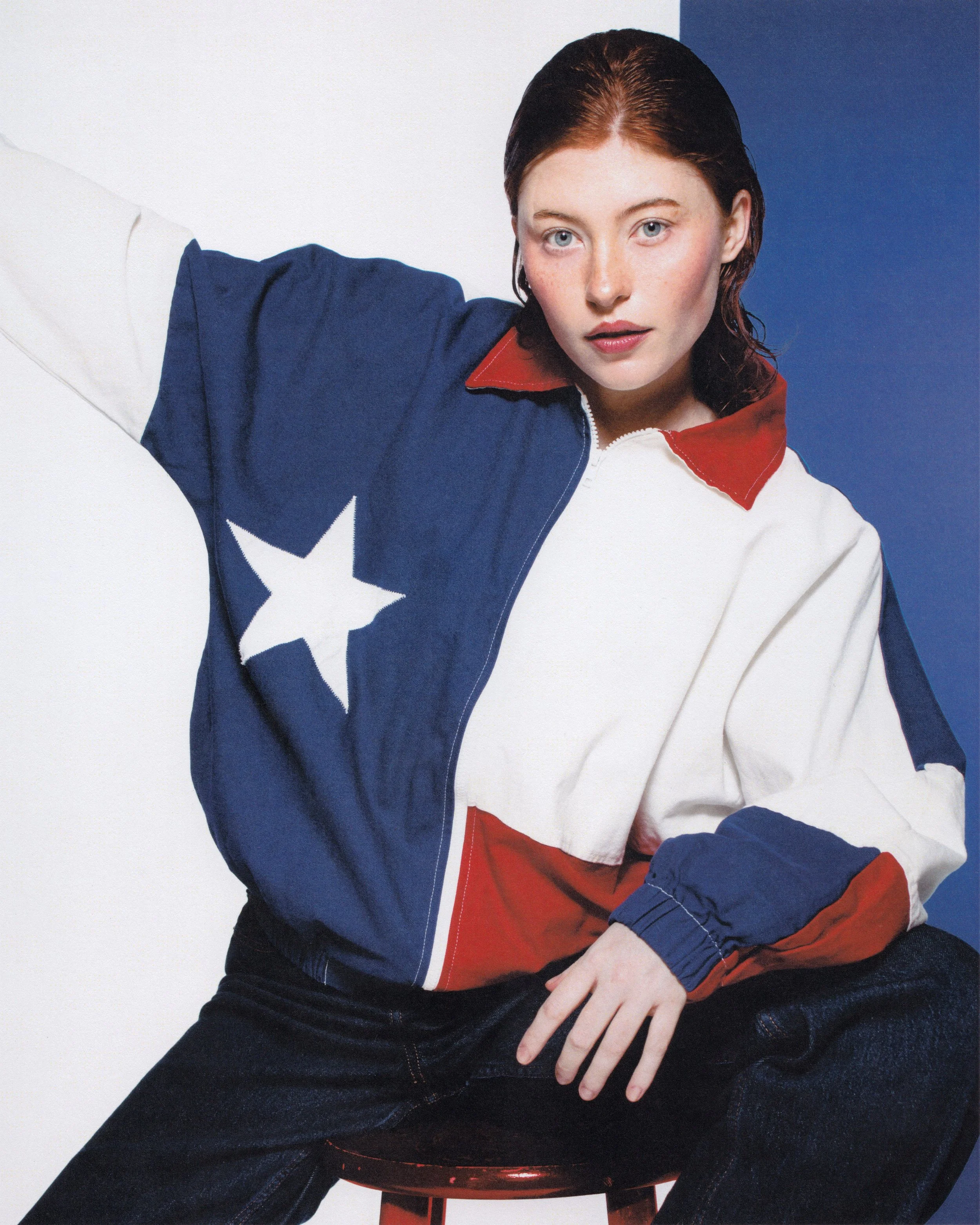
Photo by Tanner Abel
LUNA: I’ve talked with other artists from Texas who always mention that same conflict, and it’s really powerful. Has your relationship with Texas softened, or has it grown more complicated?
PONTHIER: It was very one-dimensional when I was younger. A lot went unspoken. Leaving gave me space to process. Meeting people who stayed and are fighting to survive there completely changed my perspective.
I was so tense growing up that I glossed over the parts that felt like home. That made me feel like I didn’t have a home at all. Now I’m really proud to be Texan—not because of legislation, but because of immigrants, trans people, and people fighting to make a society that includes everyone.
LUNA: Songs like “Angry Man” and “Bloodline” grapple with generational pain. Did writing about family feel scary or cathartic?
PONTHIER: Terrifying. When I wrote “Everywhere Isn’t Texas,” I played it for the first time opening for Maren Morris on tour. I remember her coming up to me as a fellow Texan, saying how brave it was to play a song like that. People have such huge emotions wrapped up in the identity of a state. Even that pales in comparison to writing about people that I love. They’ve given you everything, and they also shaped you in painful ways. Home isn’t just a place on a map; it’s people and shared experiences.
LUNA: That line in “Bloodline,” “I think the bloodline ends with me,” is really heavy. What do you remember about writing it?
PONTHIER: I keep a running list of song titles. I came into the session and said, what about “Bloodline”? Something about being afraid to carry generational trauma. While they were playing guitar, I sang that line, and we all immediately knew that was it. It never changed. Saying it simply was the most devastating way to do it.
LUNA: There are also hints of humor and playfulness throughout the record. Was that intentional?
PONTHIER: That’s just who I am. If everything is heavy, part of my brain shuts off. Levity makes space to explore harder feelings. Writers like Father John Misty and John Prine can take something devastating and still make you laugh, even when it’s uncomfortable.
LUNA: You’ve talked about songwriting feeling similar to prayer. Did that mindset stand out while writing this album?
PONTHIER: Every song felt like something I couldn’t believe I wrote. It felt channeled. In a cheesy way, they felt like answered prayers—guidance or words I couldn’t otherwise access.

Photo by Tanner Abel
LUNA: The worldbuilding of Nowhereland has been quietly evolving across your visuals for years. When did you decide it was time to finally pull back the curtain and show how connected everything really is?
PONTHIER: I had been talking about it, wanting to build a big, extended universe that everything lives in, and I’ve planned on that since the beginning. I think I lost myself a bit a few years ago, and I had lost my magic during a really hard period in my life. It wasn’t until I came out that I was drawn back to that magic. I love to write, I love to imagine other worlds, and I love to connect things. I’m a multi-disciplinary artist, and I want people to know that I have so much more to me than what they can stream. It’s been a big, dedicated project that I’ve been working on for a long time, and this year has been me realizing that the big dreams I once had still have no limit. I have a lot of plans relating to Nowhereland coming in the future, and I’m glad to materialize and show them with this body of work.
LUNA: Fantasy, sci-fi, and alter egos are evident themes through your work. Do you think escapism was a saving grace at certain points in your life?
PONTHIER: Absolutely. I think escapism was my only saving grace for a long time growing up. When you’re a kid, you don’t have autonomy, you don’t have money, and you don’t have a car to go places. Escapism—movies, music, stories in my head—were the only resources I had, and thankfully, they were resources that fostered a lot of creativity. I remember watching Elton John’s documentary that I was featured in, Never Too Late, at the premiere. There was a portion where Elton was talking about going into his room listening to records and escaping into other realities. It was so clear to me that artists as children have been doing this for ages to escape difficult home situations.
LUNA: And that is so cool that you were featured in his documentary!
PONTHIER: It’s one of the coolest things that’s ever happened to me. Watching the documentary made it even clearer as to why he had taken an interest in my career and felt a kinship with me. He’s one of those people that you can just see as a dreamer or a world builder, someone that can make something out of nothing. I’m really proud to be that kind of a person, too.
LUNA: If someone feels trapped—whether that’s by a place, family dynamic, identity they haven’t named yet—what do you hope Everywhere Isn’t Texas gives them when they press play?
PONTHIER: I hope that Everywhere Isn’t Texas gives someone the ability to hold many things at once, even if they feel at odds with each other. For example, loving somewhere and feeling like you can still be critical of it, or loving someone and still feeling like you can be critical of them. Sometimes, when you are somewhere where you cannot help the situation you are in, all you can do is survive and make the best out of it. I also hope people can see someone who survived a lot of things that were really difficult, since I’ve tried to hide them a lot of times. Overall, I just hope they like the songs too.