
INTERVIEW
INTERVIEW
☆ BY ALICIA ZAMORA ☆
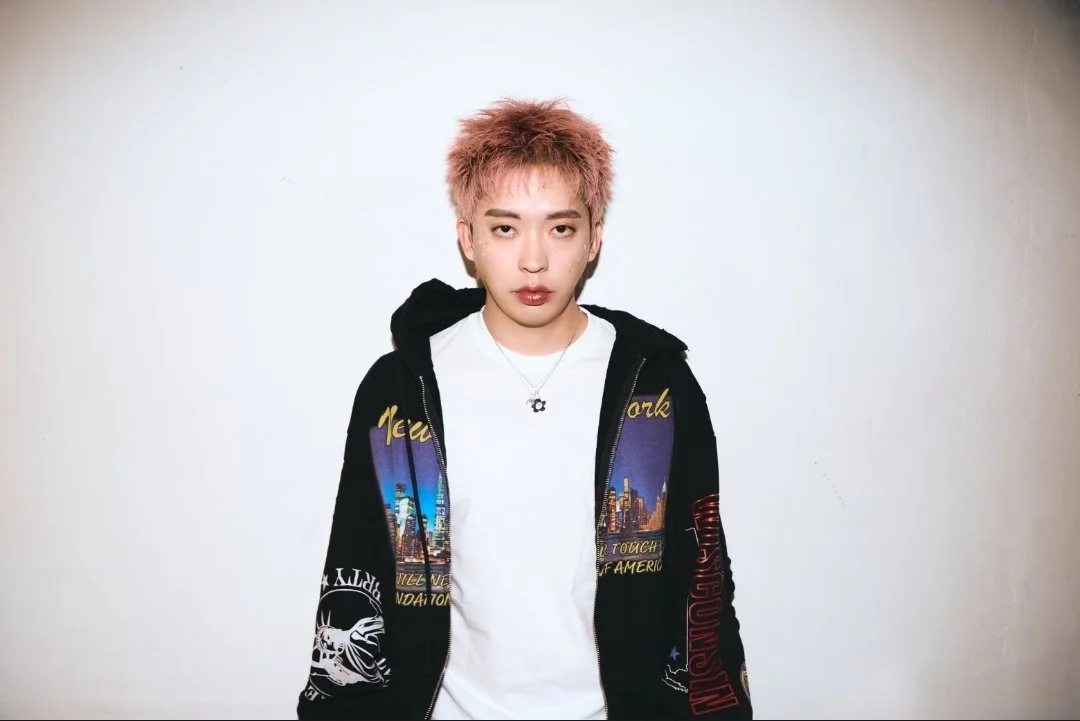
BUWAN IS CREATING HIS OWN SPACE IN MUSIC—Music has always been something BuWan has approached from a lot of different directions. Between his solo work, collaborations with friends and time with CLUB BOYBND, he's had the chance to explore different sounds and find inspiration in all kinds of places. With IDOL, he wanted to bring more of his own experiences into his songwriting, making room for the emotions and stories on his mind. That openness carries throughout the project, which draws from his love of underground music, mainstream pop and everything in between. It also helped inspire his idea of “Anti-Kpop,” a term he uses to describe music that takes what people love about K-pop and finds new ways to explore it.
For BuWan, being part of that conversation also means having the freedom to make music without feeling like he has to fit a particular image. Having grown up between Toronto and the U.S., he's spent time thinking about how his experiences shape the way he approaches music, but he doesn't believe there's one way to express being Korean or Asian through art. He'd rather let his own experiences come through naturally than feel responsible for representing an entire community.
At the end of the day, BuWan hopes people take away the freedom to make what they want, even when it falls outside of what others might expect. He knows not everyone will connect with everything he puts out, and he's okay with that. What matters to him is sharing his work and letting people form their own opinions. He offers the same encouragement to other Asian creatives: don't let others' opinions stop you from trying something you've always wanted to make.
Read Luna's conversation with BuWan below.
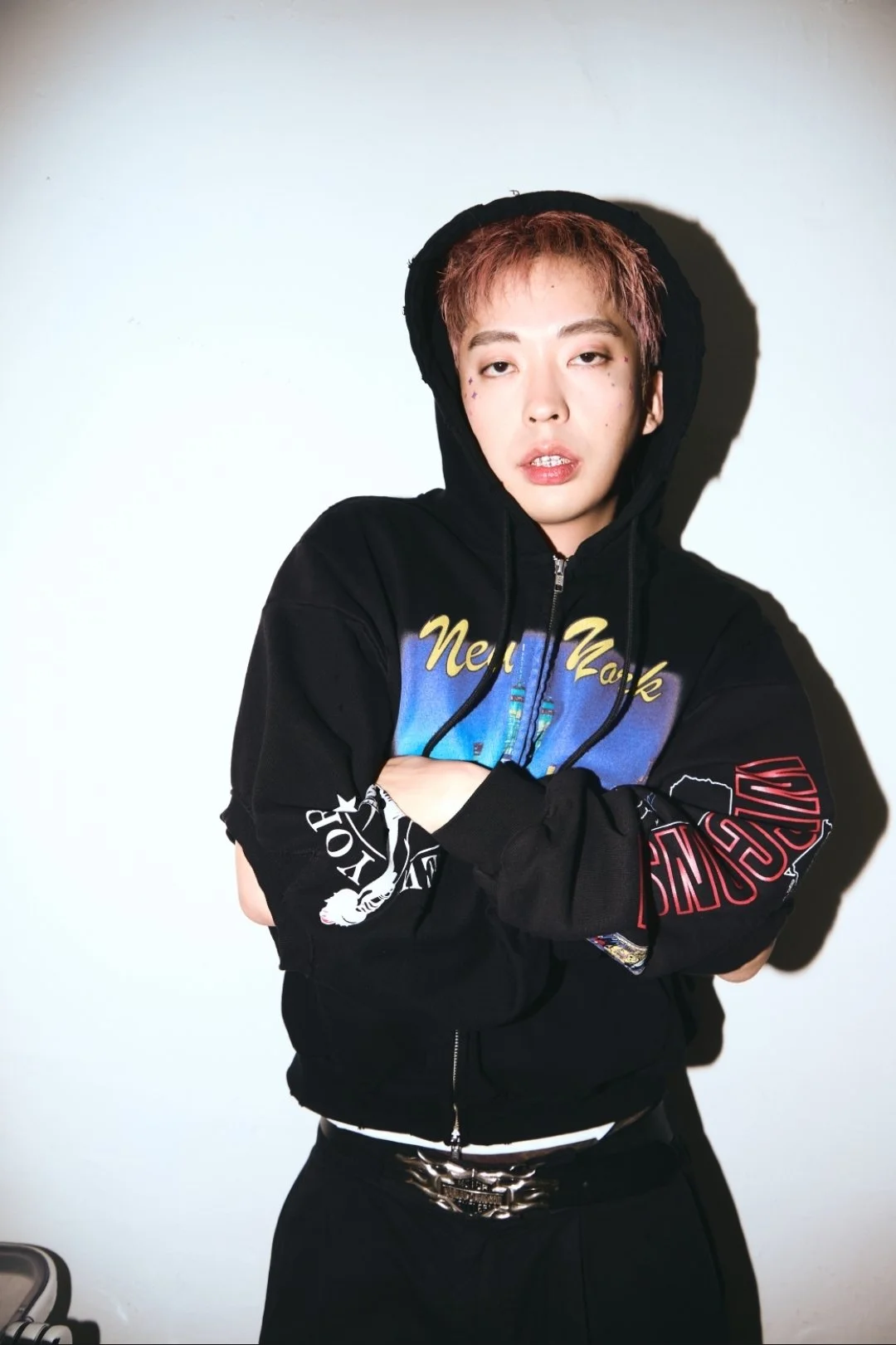
LUNA: You’ve been making music for a while now, but IDOL feels like a moment where you’re really defining what BuWan sounds like on your own. What sparked this new direction?
BUWAN: I’ve actually always made solo music and collaborated with friends outside of CLUB BOYBND, so making music on my own isn’t necessarily something new to me. But as I started writing songs for KPOP IDOL, I realized a lot of what I was creating just wasn’t connecting with me the way I wanted. There were a number of reasons for that, but I think the biggest one was that many of those songs didn’t feel like my stories to tell. That realization changed the way I approached the album. I wanted to stop writing songs just because they sounded good and start making music that actually meant something to me. For the first time in a long time, I felt like I was figuring out how to tell my own story through my music.
LUNA: You’ve described wanting to make music that channels angst, love and anger in a cathartic way. Why do you think those emotions are particularly important to the music you’re making right now?
BUWAN: I think I’m just in a completely different place mentally than I was a few years ago, and because of that, I’ve been making some of the most honest music I’ve made in a long time. Before, I think a lot of my songwriting came from a place of spite. There was always this underlying feeling of wanting to prove something to someone or make a certain impression. Now, I’m much more interested in just being honest about how I actually feel. Whether that’s love, anger or whatever else I’m going through, I don’t feel the need to dress it up or make it sound like something it isn’t.
There’s something really liberating about expressing those emotions without worrying about how they’ll make me look. I’m not trying to come across a certain way anymore. I’m just telling my story as honestly as I can.
LUNA: Your project seems less interested in fitting neatly into one genre than in creating its own world. When you’re actually in the studio, how do you know when a song belongs in that world?
BUWAN: I think the songs that end up being a good fit for the album are usually the ones that come together the most organically. What a lot of people don’t realize is that most studio sessions don’t necessarily result in a song that ever sees the light of day. You can spend hours working on something, and it’ll end up sitting in a vault somewhere, never to be heard again. But every once in a while, you strike gold. There’s this feeling that happens when you’re in the studio and something just clicks. You don’t really have to convince yourself or anyone else in the room that the song is special. Everyone can feel it unanimously.
That’s what I look for more than anything. It’s not necessarily about whether a song fits a particular genre or sound. It’s about that moment when everyone in the room knows you’ve created something worth sharing with the world.
LUNA: You grew up between Toronto and the U.S. and have since performed across North America and Asia. How has moving between those cultural spaces influenced what you consider “your” sound?
BUWAN: I used to really lean into the idea that growing up Korean in North America gave me a completely different perspective from artists who grew up in the motherland. But the more time I spend here and the more music I discover coming out of Korea, the harder it is for me to stand by that idea. Some of the music coming out of here is genuinely on another level, and I don’t think growing up in one place necessarily gives you a more unique perspective than someone who grew up somewhere else. At the end of the day, pain and love are universal, and some of the greatest songs ever written are rooted in those two emotions, no?
The conversation surrounding the Asian experience in America and the struggles that come with it is incredibly real and important. But I also think everyone’s experience is so different that it’s difficult to generalize what that identity is supposed to look or sound like. I don’t want to contribute to another stereotype about what an Asian-American artist should be. I’d rather let my music reflect my own experiences without feeling like I have to represent an entire community through every song I make.
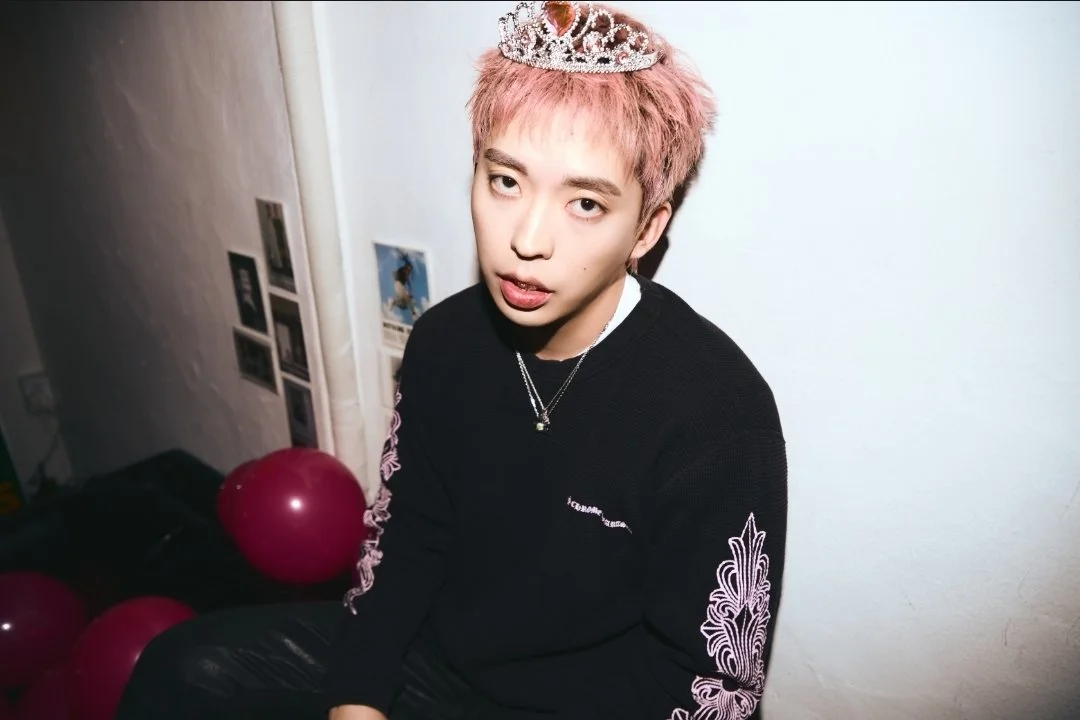
LUNA: You’re taking sounds and references that are familiar to you and putting them somewhere they haven’t traditionally existed. How much of this project is about making space for a version of Korean identity that doesn’t have to be easily recognizable?
BUWAN: More than anything, I want to create music in ways people might not expect from someone like me. I love underground music, mainstream pop music and pretty much everything in between. I’ve never really felt the need to limit myself to one particular sound or genre, and that’s what makes creating music so exciting to me.
Honestly, the biggest blessing is simply being able to participate in this culture and pursue a career doing something I genuinely love. So many incredible Asian artists are already contributing to music in their own ways, and being able to add my perspective to that landscape is an honor. I’m just grateful to be a part of it, and I genuinely can’t wait for everyone to hear what I’ve been working on.
LUNA: K-pop has become a global pop language, but your project seems interested in what happens outside of that language. What do you think is possible there that isn’t possible within K-pop itself?
BUWAN: Even outside of K-pop, you’re still operating within certain structures and expectations that can limit what you want to do or experience as an artist. Every industry has its own rules, and sometimes those rules can get in the way of what you’re actually trying to create. To me, Anti-Kpop is an alternative to that system. It’s not necessarily about being against K-pop or criticizing the artists who are part of it. It’s more about having the freedom to create without feeling obligated to follow a particular formula. The simplest way to explain it is to just do whatever the fuck you want and let the world see it. That’s really what Anti-Kpop represents to me.
LUNA: What do you think people will misunderstand about this project when they first encounter the phrase “Anti-Kpop”?
BUWAN: Any opportunity to start a conversation about what I’m doing is already a measure of success in my eyes. I don’t really mind what people might assume when they first hear the term Anti-Kpop. I understand that the name itself can be provocative, but that’s part of what makes it interesting. At the end of the day, I just want people to experience what I’m creating and form their own opinions about it.
If they love it, I want them to love it on their own terms. If they hate it, that’s completely fine too. I’m not interested in telling people how they should feel about my music. I’d rather put something out into the world that gets people talking than spend my time worrying about how everyone will interpret it.
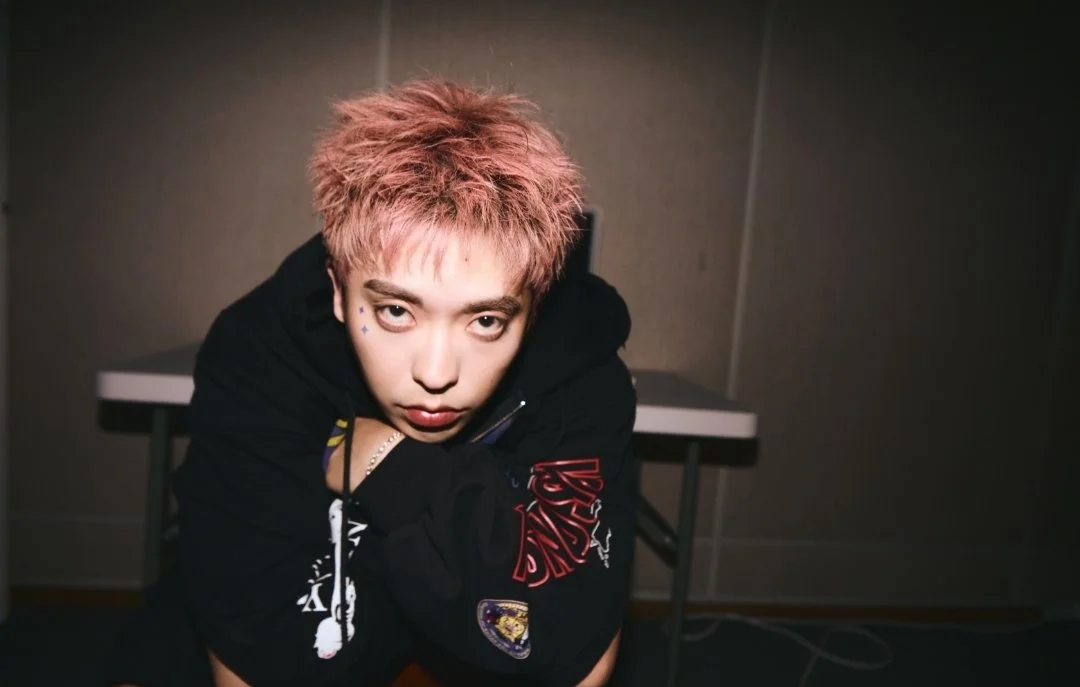
LUNA: You’re not just describing “Anti-Kpop” as your own sound—you want to curate a playlist and create a space for other artists doing similar things. Why is building that community important to you alongside building your own career?
BUWAN: Anti-Kpop exists in the same way that anti-pop exists. It doesn’t necessarily fit within the confines of what traditional K-pop is expected to sound like, but you can still hear that familiarity and love for the genre in the music. The idea isn’t to completely abandon what makes K-pop special. It’s more about taking those familiar elements and exploring what else they can become when artists aren’t restricted by the expectations surrounding them.
That’s also why I’m excited about the possibility of other artists identifying with Anti-Kpop. It shouldn’t be something that belongs to me or is defined entirely by my music. I’d love to see different artists bring their own interpretations to it, and I’m genuinely excited to be a part of whatever it eventually becomes.
LUNA: When you talk about wanting to inspire Asian creatives, what do you hope they feel permitted to do after seeing what you’re building?
BUWAN: Do whatever the fuck you want.
The voices around you, and especially the ones inside your own head, are going to be your biggest opps. People will always tell you what you should or shouldn’t do, what you’re capable of or what kind of artist you’re supposed to be. But the hardest part is learning not to let those opinions become your own.
I don’t want anyone to look back on their life and regret not creating something because they were too afraid of what other people might think. Especially when it comes to art, you owe it to yourself to at least try. Make whatever you want to make, put it out into the world and let it exist. I’d rather see someone create something that people hate than spend their entire life wondering what could’ve happened if they’d just gone for it.
LUNA: As more artists start experimenting with the space between K-pop, rap, pop and alternative music, where do you think there’s still room to push things further?
BUWAN: Every artist grew up listening to different kinds of music, and I’d genuinely love to hear all of those influences come through in every way, shape or form. Everyone has their own musical background, experiences and influences, and that’s what makes creating music so exciting. There are so many different directions you can take something when you stop worrying about what genre it’s supposed to belong to.
There’s room to push boundaries in all of those areas, whether that’s experimenting with different sounds, visuals or finding new ways to connect with people. But at its core, it’s about creating whatever you feel the world needs to experience. If you have something you genuinely believe is worth sharing, you should just go for it.
