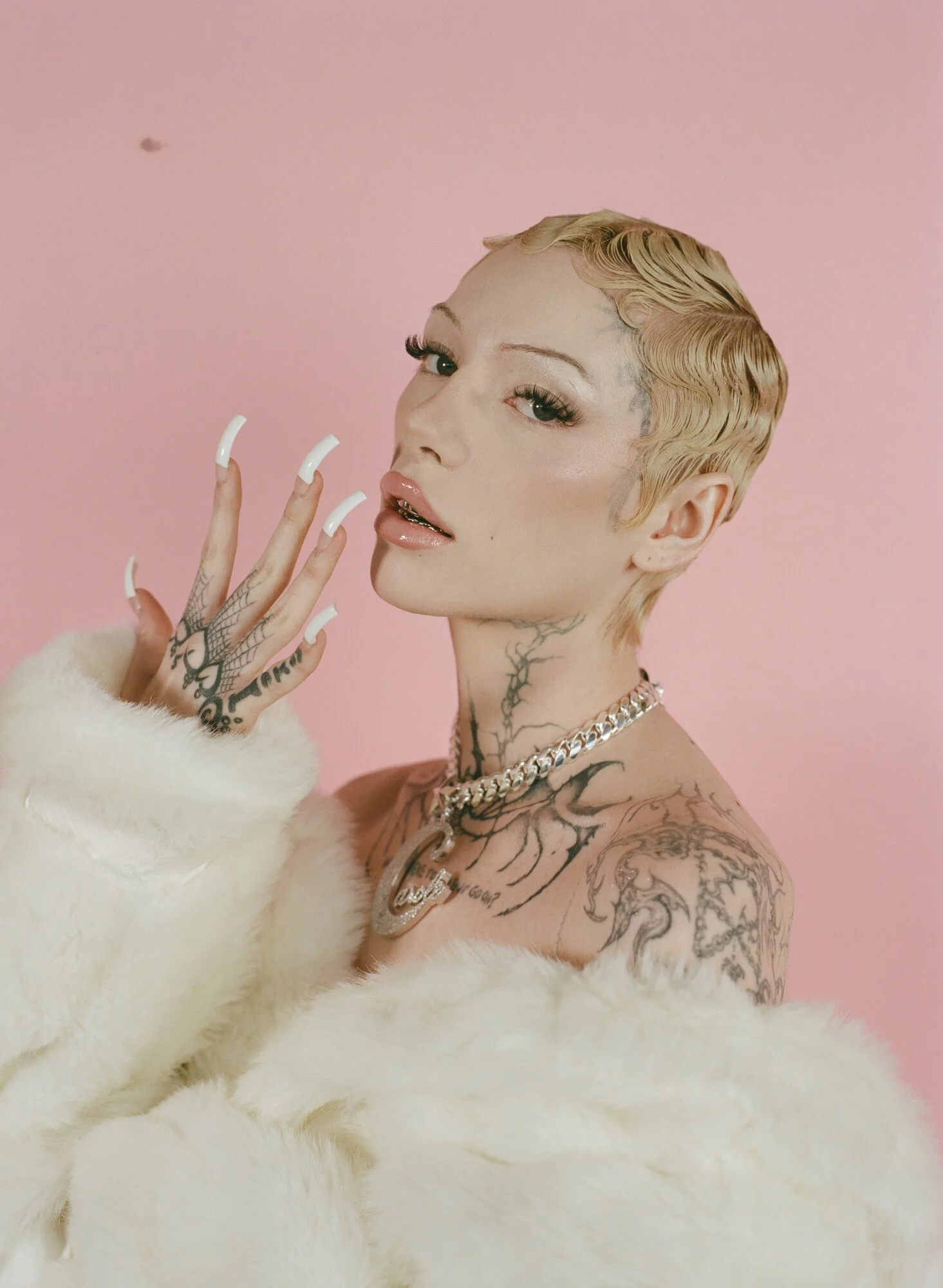
Q&A: Carolesdaughter Finds Strength in Self-Preservation on “You Can’t Spell Sweetheart Without Thea”
INTERVIEW
INTERVIEW
☆ BY KIMBERLY KAPELA ☆
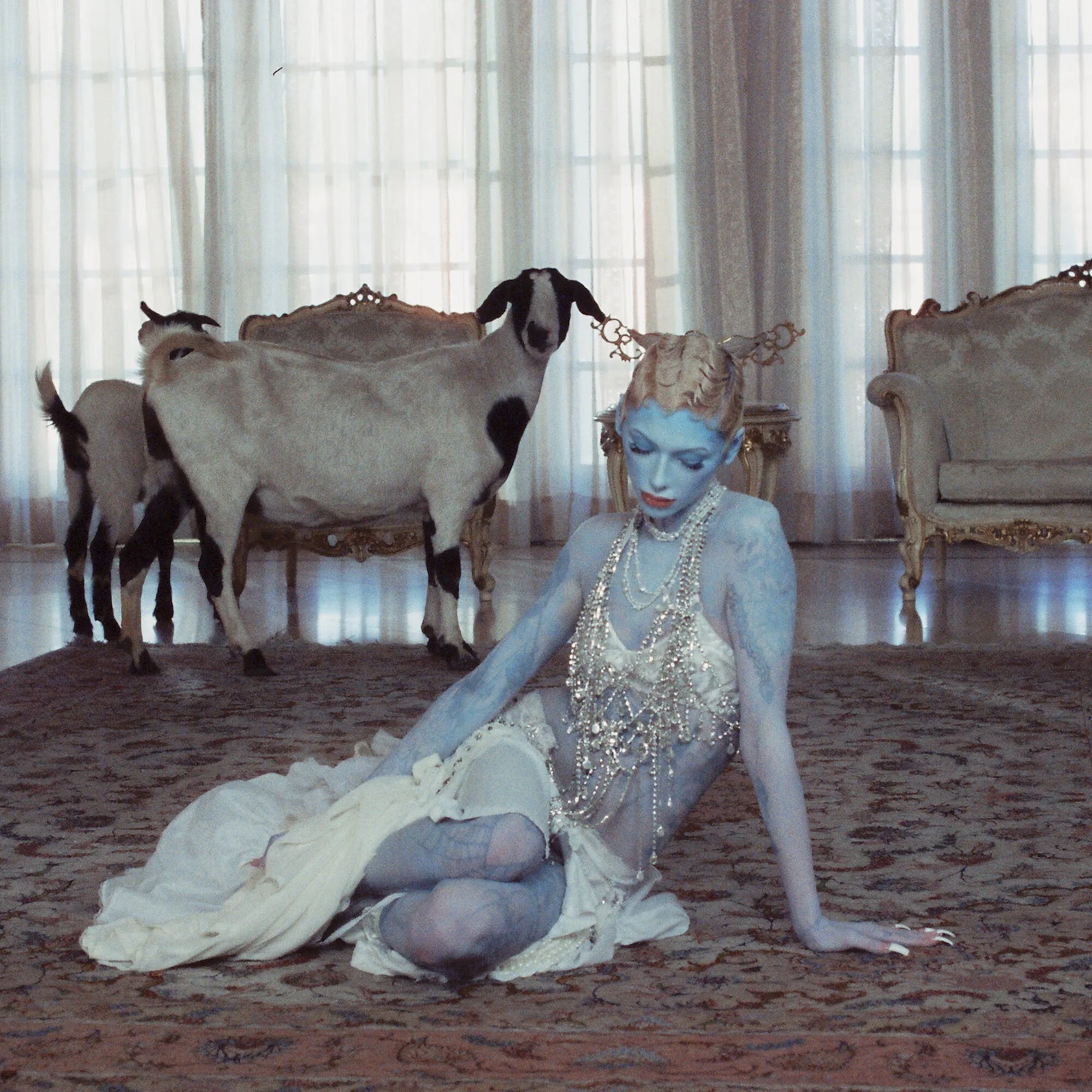
WHAT IS THERE TO DO BUT GO ON? — Self-preservation is at the heart of carolesdaughter's debut album, You Can't Spell Sweetheart Without Thea. Across 13 tracks that refuse to be boxed into a single genre, the alternative-pop songwriter creates a sonic and emotional realm that is intimate and undeniably feminine. Here, jazz-infused melodies dissolve into trip-hop atmospheres, while sharp lyricism dissects the contradictions of modern womanhood, self-preservation and the relentless search for connection.
“You Can't Spell Sweetheart Without Thea was really just inspired by all the pain of 23 years totaled up,” carolesdaughter says to Luna. “I didn't want it to be too sad, so I hope that it's pretty, but also inspiring, comforting, and optimistic as well. There's an air of resilience in it.”
Jazz-inspired melodies, atmospheric trip-hop, and alternative pop intertwine to reflect the emotional complexity of the record, creating a soundscape that is as layered as the experiences it documents. Rooted in the pain of disconnection, the album speaks to carolesdaughter’s reckoning with the cynicism of early adulthood, the inescapable presence of loneliness, the complexities of femininity, and the stubborn resilience that carries a person forward even when hope feels irrational.
The record’s emotional tension reaches its peak on the album's centerpiece, “The Invisible Man,” which dissects the paradox of wanting to be seen while fearing the vulnerability that visibility demands.
“‘The Invisible Man’ is about the kind of chronic and deep loneliness that comes from a lifetime of disappointment,” carolesdaughter explains. “Aware that what I am chasing might not exist, but still looking anyway.”
Borrowing its title from Ralph Ellison's Invisible Man, the song reflects on moving through life unseen while continuing to seek meaningful connection. Its energy is captured in a philosophy she carries beyond the music: “What is there to do but go on?” — a phrase tattooed across her chest that embodies the album's heart. Even after repeated disappointment, she insists, “We somehow keep getting up. I put on my favorite Prada heels, go out, do it all again. It's always okay to cry first.”
“Baccarat Rouge,” leans into romantic jazz and bossa nova influences. Inspired by Nina Simone's sharp lyricism, the track captures heartbreak with understated elegance. On “Don't Raise Your Voice at Me,” producers kodeblooded and Gabe Greenland provide a restrained backdrop for one of the album's most confronting moments, as carolesdaughter addresses domestic abuse with unflinching honesty. Meanwhile, “Jean Paul Gaultier,” channels the sleek confidence of early Tinashe while examining femininity and the necessity of protecting one's peace.
“Domestic violence activism and awareness is something I'm really passionate about,” carolesdaughter says. “There's nothing to really say other than it's a hard thing to write about. It really inspired the rest of the album. It was the first song that I made where I'm really fucking with this jazz thing that I'm doing. I built the rest of the album to support that song.”
With You Can't Spell Sweetheart Without Thea, carolesdaughter establishes herself as an artist unafraid to sit with herself. The album embraces the tension between hope and disappointment, vulnerability and self-preservation, proving that resilience is rarely loud or linear. Through fearless songwriting and a sound that effortlessly blurs genre boundaries, carolesdaughter delivers a debut that is fearless and healing.
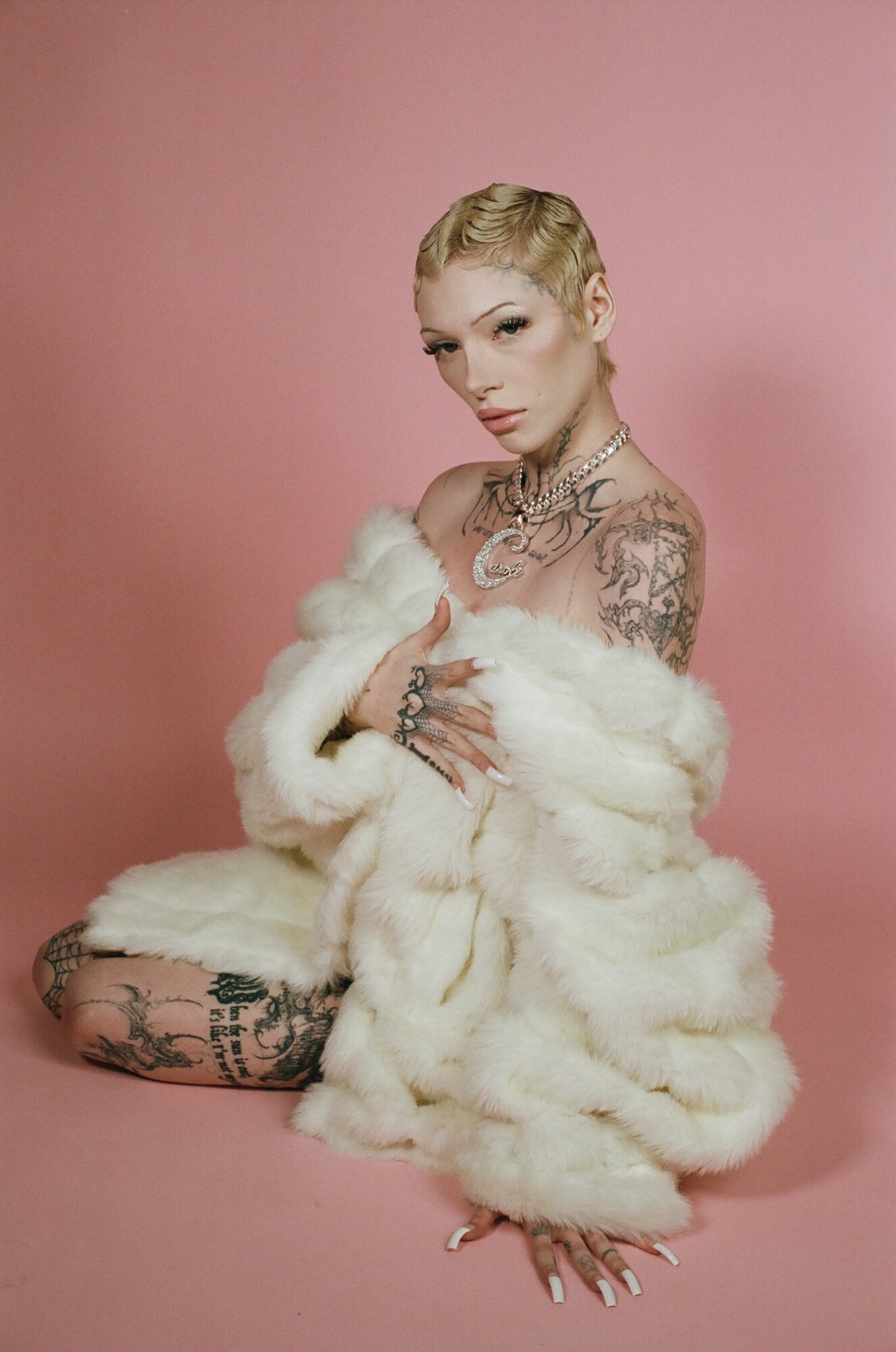
LUNA: Thank you for talking to Luna. Our readers would love to get to know you and your music more. For any readers who aren’t familiar with you yet, what kind of atmosphere or emotional space do you aim to create for your listeners?
CAROLESDAUGHTER: I think it's really hard to put my new project in a box, but I would say there's a little bit of this classy vintage inspiration, but it's still very modern in plenty of ways. I feel like this album was me finally figuring out how to combine all my tastes into one thing. I've never heard some songs like some of the songs on my album, and so I really have nothing to compare it to. I really wanted to make something original. I think there's a little bit of that classy vintage vibe, because I love those singers. My favorite singer of all time is Nina Simone, and figuring out how to make that work with my previous stuff, like “Violent” and what people like to know me for, which is a lot of rock and pop punk. How do I make this work? It all makes sense on the record.
LUNA: You Can't Spell Sweetheart Without Thea is your debut record and a huge congratulations is in order! Your debut arrives at a time when audiences crave authenticity over perfection. What emotions or inspirations did you feel compelled to explore for your debut?
CAROLESDAUGHTER: I would call myself a perfectionist, and so I really wanted this album to be something that was perfectly imperfect, and I totally agree that what people want right now is that authenticity, and I really didn't want it to be overproduced. To achieve that, I started a lot of the songs solo, and started them on piano or guitar, or even sometimes acapella. I wouldn't go into the studio unless I had a really good, strong idea and direction of exactly what I wanted to do and what I wanted it to sound like. You Can't Spell Sweetheart Without The was really just inspired by all the pain of 23 years totaled up. I didn't want it to be too sad, so I hope that it's pretty, but also inspiring, comforting, and optimistic as well. There's an air of resilience in it.
I was really just inspired by everything I've been through, and in the writing process, I wrote so many songs, and then I just picked the best ones. I was up all night writing, no sleep, for like a year straight. I was just really letting myself almost feel inspired by no sleep. People use a lot of things to make music — like a lot of people use drugs to remove all their inhibitions and be able to just be more creatively free and funny. I really tapped into my insane artist side because sometimes you have to go a little crazy, just a little bit to let it flow. I really got there with the help of no sleep, and I do not recommend that. I am a terrible insomniac. This was before I got back on my sleep meds. I was just literally in a different dimension completely. I was not listening to anybody else. I wanted to make something original, and I just let my childhood inspirations really come through, and just the music that started me as an artist. Artists like The Carpenters were a huge inspiration to me early on. Karen Carpenter is one of my favorite vocalists as well, and she would sing really low. I felt like that was something that inspired me as well.
LUNA: Womanhood is one of the record's central themes, but you approach it from a deeply personal perspective rather than through broad statements. What conversations about femininity were you hoping to contribute to through this album?
CAROLESDAUGHTER: I actually had a song that was planned to be on the album, but I lowkey got slut shamed into not releasing it. I had this interpretation of a Chet Baker song called “I Fall in Love Too Easily,” and the song was called “I Give It Up Too Easily.” Some people know this song. Some people really wanted it to come out. I really wanted it to come out, and it wasn't able to come out because it wasn't cleared. That song was deeply personal to me because I was raised Mormon and I was a victim of this awful purity culture that I still to this day, I'm unpacking. I really wish that it had come out and maybe one day it'll still come out. In other tracks like “Invisible Man” and “Baccarat Rouge,” I hope it's sad, but also empowering. It's empowering to be like, “Fuck it, this is the way it is,” and you have no choice as a woman. You either participate in this culture or you just don't, and then you don't get anything. It's either like the choice is being alone completely or taking basically what you can get. And although that's not the best message, I never said that I was fully healed in any way and I think it's important to represent how you are in the moment as well and represent the real shit.
“Baccarat Rouge” is not a real story. It's creative writing to me, but I just loved the imagery of that in the world of situationships and all this bullshit. I haven't had a boyfriend since my life was ruined by a man, and now I'm very about self preservation. I don't think I'm going to be fulfilled by a relationship, and so it's dope to just not give a fuck and use it for making music physically real. Nina Simone owned that shit too. Nina Simone didn't give a fuck, and she was like, “Yeah, interviewers would try to make me feel bad and be like, ‘Oh, your personal life is in shambles,’” and she'd be like, “I've had many lovers. I've lived a you know rich life,” and that's how I feel too. I love being full of experiences as well, and people are only human.
LUNA: This record blends alternative pop, jazz, and trip-hop without feeling confined to any one genre. What drew you toward these sonic influences, and how did they help express emotions that traditional pop couldn't?
CAROLESDAUGHTER: I think that my old music that I put out before I was signed and around the “Violent” era, every song I would go into a different genre and experiment. I felt like when I entered the music industry, people didn't really understand what I was trying to do, and so they tried to make me into something that they could understand. I also wasn't old enough or wise enough to understand myself either and understand exactly what made me me. This project is me returning back to myself. It feels completely authentic to me. Maybe other people can't see the little Easter eggs of what I've created now in my old music, but to me it is the perfect progression, and it makes complete sense.
LUNA: Do you have a personal favorite song on You Can't Spell Sweetheart Without Thea — one that feels closest to your heart or most revealing of who carolesdaughter is right now?
CAROLESDAUGHTER: The closest to me is “Don't Raise Your Voice at Me” because it was born out of one of the worst experiences of my life. I feel like it is a topic that it's hard to write a song about. Domestic violence activism and awareness is something I'm really passionate about. There's nothing to really say other than it's a hard thing to write about. It really inspired the rest of the album. It was the first song that I made where I'm really fucking with this jazz thing that I'm doing. I love this. I felt like this is it. This is so me. I built the rest of the album to support that song.
LUNA: Looking back at the person who wrote your earlier releases, what do you think would surprise her most about the artist you've become on You Can't Spell Sweetheart Without Thea?
CAROLESDAUGHTER: I don't think anything would surprise her. I think she'd just be like, “Finally, girl, you got it.” I always wanted to make music exactly like this. It's hard to implement your tastes. It's hard to make really great music. I wasn't going to rush it. I wasn't going to put out something that I wasn't super proud of.
LUNA: How do you hope listeners — especially your femme audience — can connect with or find power in this new era of music from you? What emotions or messages do you want to leave with them?
CAROLESDAUGHTER: I just hope that they would find comfort in my music because I know that my favorite artists and those songs that mean everything to me have truly, truly held me at my darkest times. I would just hope that it comforts them like it comforted me to make it, and makes them feel less alone in this world.
LUNA: What is fueling your fire right now that’s pushing you into this new era of your career?
CAROLESDAUGHTER: I don't think I can do anything else. This is so natural to me. I would be making music, no matter what. It's a natural fuel that's inside of me. I just can't help it.
LUNA: How are you feeling in this current era of your career and what does the rest of the year look like that you would like to share with Luna?
CAROLESDAUGHTER: I'm feeling good right now. I'm feeling excited that my album is finally out. Everything is very peaceful where everything's going to work out the way it needs to. For the rest of the year, I am very excited to put out more music because I have literally tons of unreleased music, and this album was really artsy, and that was important to me to get that out. I do have a lot more SoundCloud-inspired songs that are like my old rap. I have a ton that wasn't going to fit on the album, so it's going to be a lit summer, and we're going to switch up the vibes again. Never think you know my next move.