
Q&A: ‘SLATHER ON THE HONEY’ is Clothesline from Hell’s Creation from Crumbling
INTERVIEW
INTERVIEW
☆ BY IZZY PETRAGLIA ☆
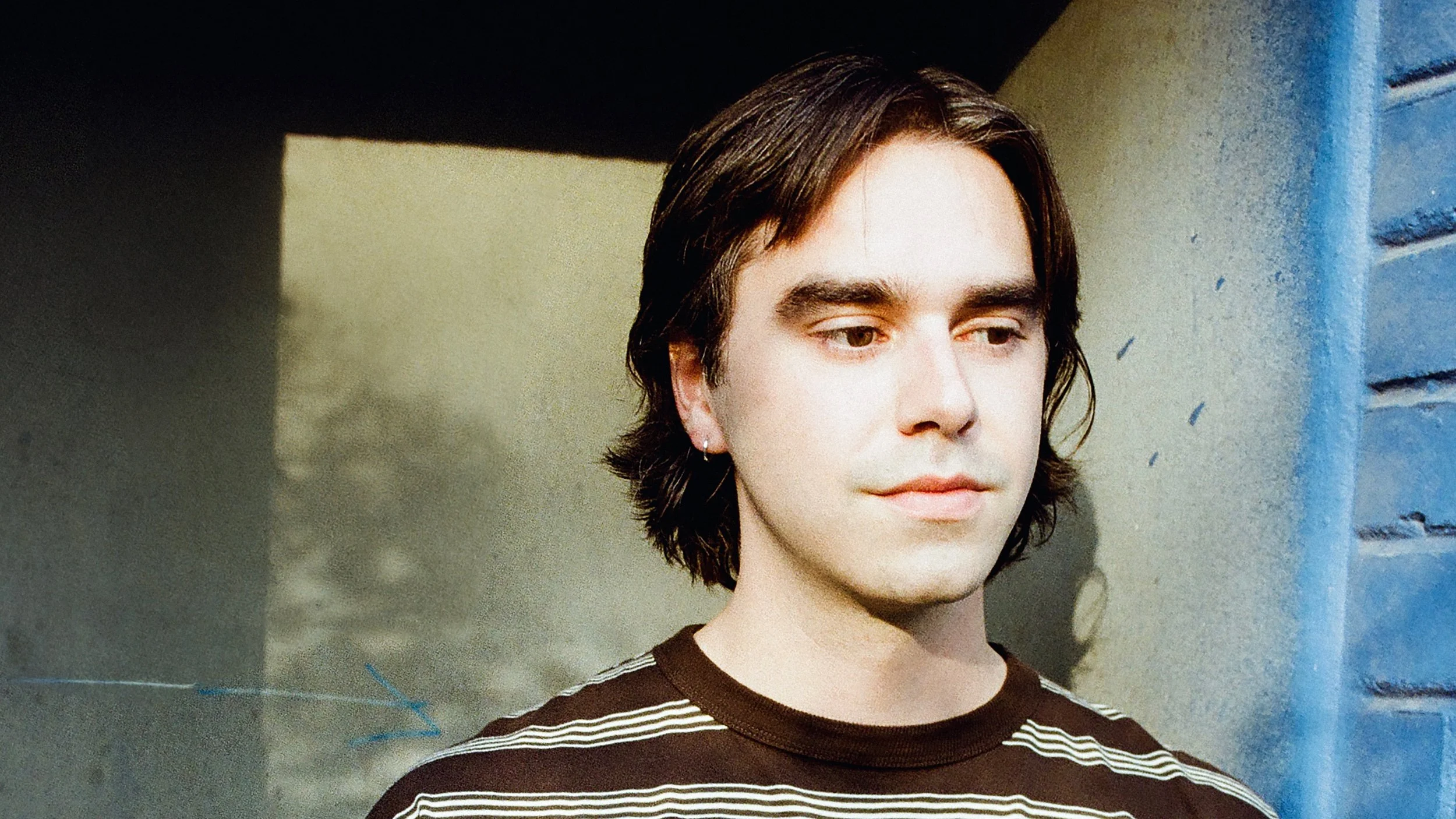
Lauren Armstrong
CLOTHESLINE FROM HELL WAS UNKNOWINGLY CRAFTEDING A DEBUT ALBUM— in the face of collapse over the last decade. Toronto’s Adam LaFramboise project dates back to when he was 17, playing in bands and recording demos to himself. The title, SLATHER ON THE HONEY, feels contradictory itself, setting the precedent for the unpredictable progression throughout the entire album.
In the midst of working on the project, LaFramboise experienced loss in both his professional and personal life. A relationship’s end and a record deal falling through left him with no choice but to adapt to the unexpected. As Clothesline from Hell, LaFramboise took the unexpected and allowed it to steer him into a sound that feels bold, unguarded, and expressive of his personal journey.
While the act of making SLATHER ON THE HONEY was enough of a goal-fulfilling feat for LaFramboise, the solo artist now finds himself more ambitious. In conversation with LUNA, Clothesline from Hell reflects on his decade-long path and outlines the success he seeks in the future.
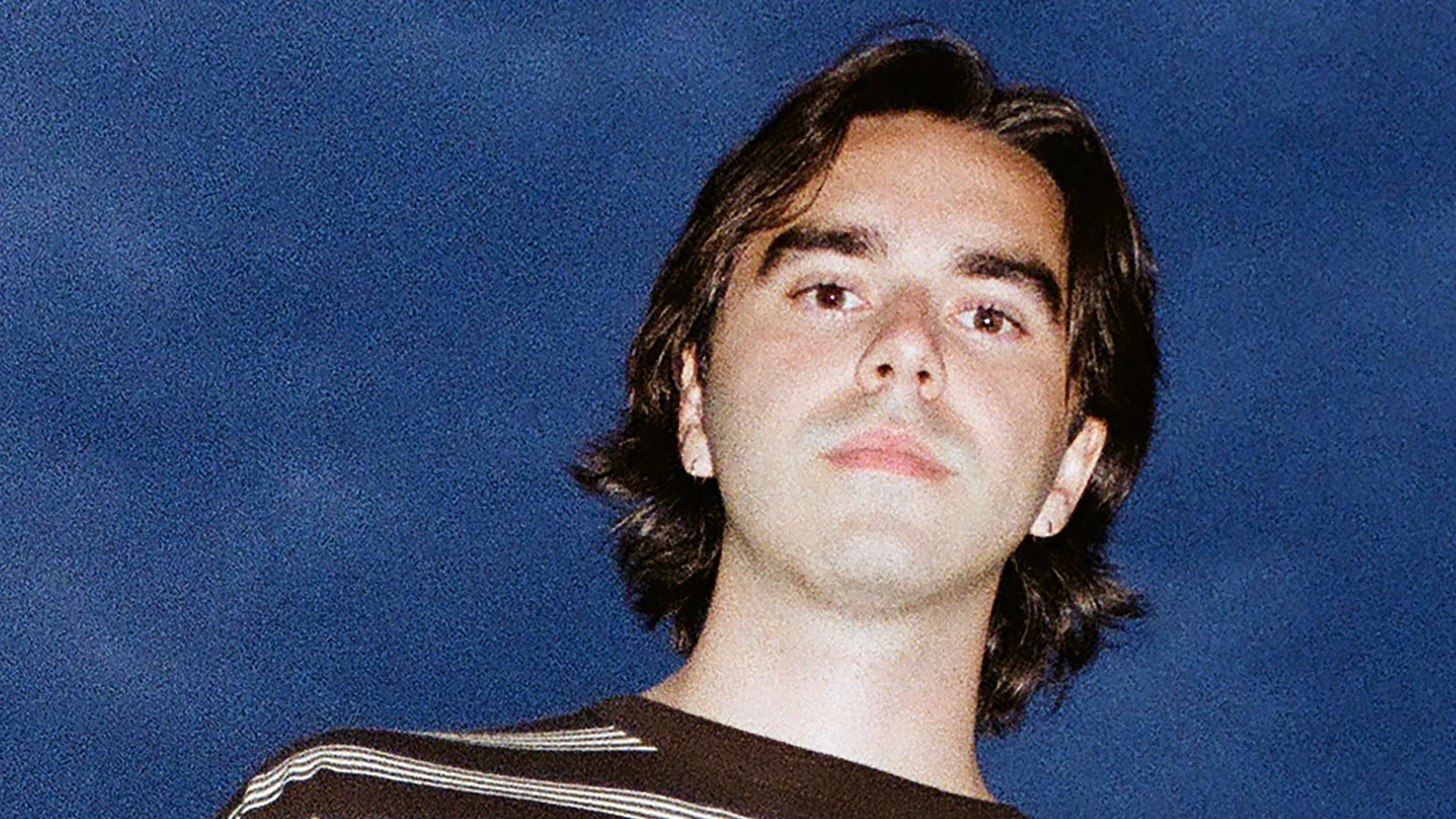
Lauren Armstrong
LUNA: I read you’ve been making music since you were about 17, right?
LAFRAMBOISE: I've been playing in bands since then. It was probably two or three years of not recording anything, mostly just playing shows. How this project started was basically making demos that I could show my bandmates. I was programming drums in GarageBand, the most basic stuff. For whatever reason, I felt like I should put it out as is and it slowly developed over time. There had always been this amateurish feel to it. I've been going under this name since 2017. At first it felt like this project was more designed to be a band, but it became this personal solo project two years ago.
LUNA: Can you recount the first moments when you were around 17 or before that, when you decided music was something you wanted to pursue?
LAFRAMBOISE: I've always looked up to bands and played instruments, but the first thing that I was drawn to was writing songs. I wasn't really into covering stuff. As soon as I could play an instrument, it was just about learning two chords so I could write a song based on those two chords. Around then, I had applied to go to school for film, ended up doing my master's in film theory, tried to get into film production to make movies, and I was denied. At the time, I was thinking about what I wanted to do creatively. I was studying philosophy, but I knew that I wanted something else in my life that felt more artistic. I met the right people at the right time and started a band. I grew up in a small town and there weren't people that wanted to make the same sort of stuff at my high school.
LUNA: I also remember reading that moving to Toronto is what kick-started your music career too, but what did your musical journey look like before you came to the city? How did that environment in a small town compare?
LAFRAMBOISE: I’m from Lively, Ontario, so northern Ontario, a bit more rural. I was probably just listening to a ton of music like Animal Collective or classic stuff like Joni Mitchell. Before that, I hadn't found my voice. I feel like that goes for everyone; the continual process is getting less bogged down by trying to sound like other people. I've said that a few times. It's a hard thing to communicate and it's not because I think what I'm doing is “so original.” It's not fabricated, there's no posturing. I would rather make the music that a lot of other people make. But this is just what comes up. Trust that and let that happen rather than getting too in your head about it.
LUNA: While you were growing up listening to Animal Collective, Joni Mitchell, etc., what feelings did that music bring to the surface? Does that translate into any of the music that you're making now? Do you feel that same feeling there?
LAFRAMBOISE: The through-line that I see a lot in my favorite artists ever is a really strong focus on melody. Animal Collective was interesting to me at the time because they would switch the arrangement of the band all the time, each album. Sometimes it would be challenging in terms of a mix and what sounds they're using. There were these strong pop melodies, then sometimes you'd get into the “I'm the walrus” type of lyric. You also get great love songs or songs that I just found very clear in what they were communicating, despite the vocals being buried in the mix.
That band taught me that there is a song, and then there's an arrangement. The arrangements are so influenced by the tools that you have at your disposal or the time or scene that you're in; what you're trying to fit next to on a bill in your local scene or what you think people are into right now; or what you're really excited about right now that you might not be excited about in a few years.
Separating those two things is interesting to me because in my process, I will have a song that I love so much and then the arrangement isn't right or I have to find the right way to communicate it. There are songs on this album that went through a lot of different versions. I think that a thing we have now that’s great is these expanded deluxe versions of albums where you can actually see the evolution of the songs–like The Beatles anthology, Bob Dylan has a bunch, and Prince. I think that's what has always been evolving, something that I'm still learning about and that I'm interested in:the craft of writing outside of a sonic palette.
LUNA: For me, songwriting and playing music as a whole is completely foreign territory. I love hearing the way people like you can pick up on things like song evolutions and arrangements. Going back to the album, I read the story behind it’s centered in a lot of contradictions.
How did that manifest in you emotionally as you were working on the album, going through the whole slew of label contracts being offered and then withdrawn?
LAFRAMBOISE: I had two things happen right in the middle of making this. I had a relationship and engagement fall apart and the deal. In a moment like that, you have no choice but to change. There are times in your life where you grow a little bit every day, then there are times where you grow more in a week than in the last few years. By chance, that happened in the middle of making this, and it completely changed what it was.
In some ways, I was a little bit afraid of letting it seep into the album. Mostly because I get afraid of family, friends, former partners, and all these people hearing these songs, the things I’m saying, and not all of them are super charitable to myself. At a certain point, I can't help but make anything else and trying not to talk about those things feels harder. Honestly, I can say this now with a bit of perspective, but simultaneously it was such a good thing to have happened while it was also totally devastating.
LUNA: On top of what you went through to create this album, what did working on this album show you or allow you to uncover about yourself?
LAFRAMBOISE: It was such a long experience and so much happened. I've had a weird success with the first song that we put out on this label. It was definitely a song that I loved and a song that I still love, it just happened to be more accessible. It was more influenced by pop music, and maybe hip hop in terms of the drums. While making this album, there was a weird pressure that I was putting on myself that I needed to do something like that or take one of these songs and make it that. Something that everyone can like. It was so freeing to eventually just be like, that's not what it is.
What I learned is … when you feel 100 percent about something, none of that matters. It doesn't matter at all. People can say no one's going to like it, it’s more challenging, or it’s not meant to be a lead single, but this time I felt comfortable saying “No, this is what I want and this is what it is.” Hopefully going forward, that’s how I’ll always feel. No pressure to do anything a certain way or sound a certain way.
LUNA: The album is pretty unpredictable and that feels like metaphor in itself. What is a message that you hope to send through this album beyond its sound and more from its layers of emotion?
LAFRAMBOISE: The theme of the album comes from trying to see into the future but there’s broken promises or not being able to plan into the future at all. There's a real beauty and freedom in letting go and letting things just take you and affect you. It's also partially a fear of boring people or losing their attention. I'm still at a stage where even if it's not the most accessible, I’m trying to grab people's attention. There are some songs on here that I can feel myself kind of waving my hands and saying “check out what I can do.” It's not just one trick, there's going to be a few tricks in this.
LUNA: As you continue to build out your career, what does your idea of success look like both internally and externally?
LAFRAMBOISE: Internally, I hope this doesn't sound corny, but I have surpassed my goals. Forever the goal was just to write a song that I like. It took years to do that, to truly be into what I'm doing and believe in it. It's amazing that I can still write songs and that I've written many that I like. I feel successful in that way.
Externally, I can't help but feel ambitious. I'd like to reach as many people as possible. I'd like to make as much music as possible and as much quality music as possible. I’d like to get better at some of the things that I’m not as comfortable with as a songwriter. I think that how you present a band is also really important, so trying to create a world out of a project is a harder thing to do than it seems. I think that being able to pay your rent is really cool. Sometimes if I really think about it, it will be cool one day if I have kids or something. That's the last thing I'll say, it just feels really positive. No matter what happens, one of the things that I've realized that keeps me wanting to work on music and wanting to pursue this career, is that no one can take these songs away from you ever. Once you've made them, they're yours. It’s amazing to have these things that you're proud of, that it doesn't matter how well they do or if no one is listening to them at all in a year or whatever. That will never change.
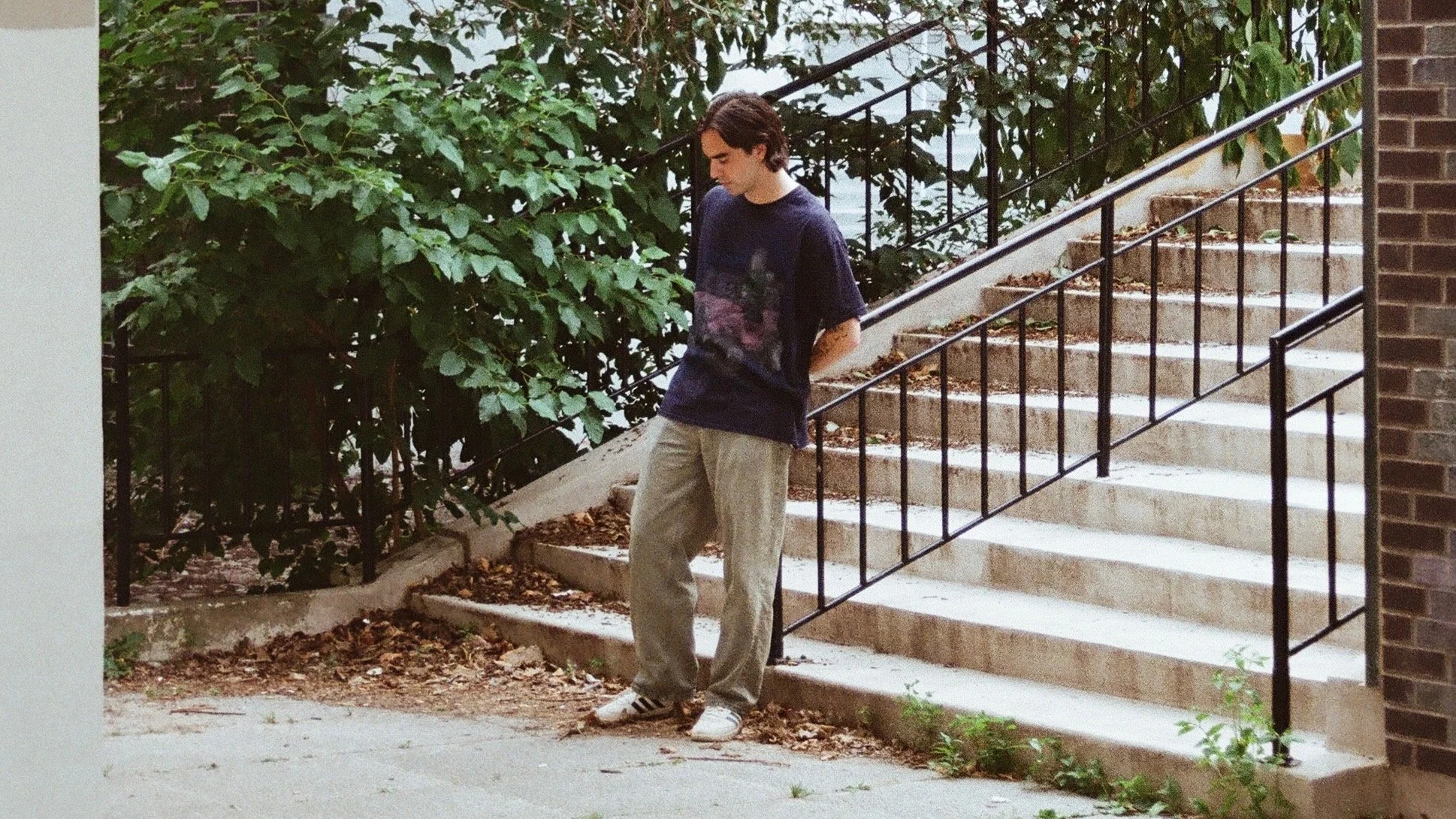
Lauren Armstrong
