
Q&A: Dakota Dry on Building the World of ‘The Edge of Our Never Ending Universe’
INTERVIEW
INTERVIEW
☆ BY CHARLOTTE ISIDORE ☆
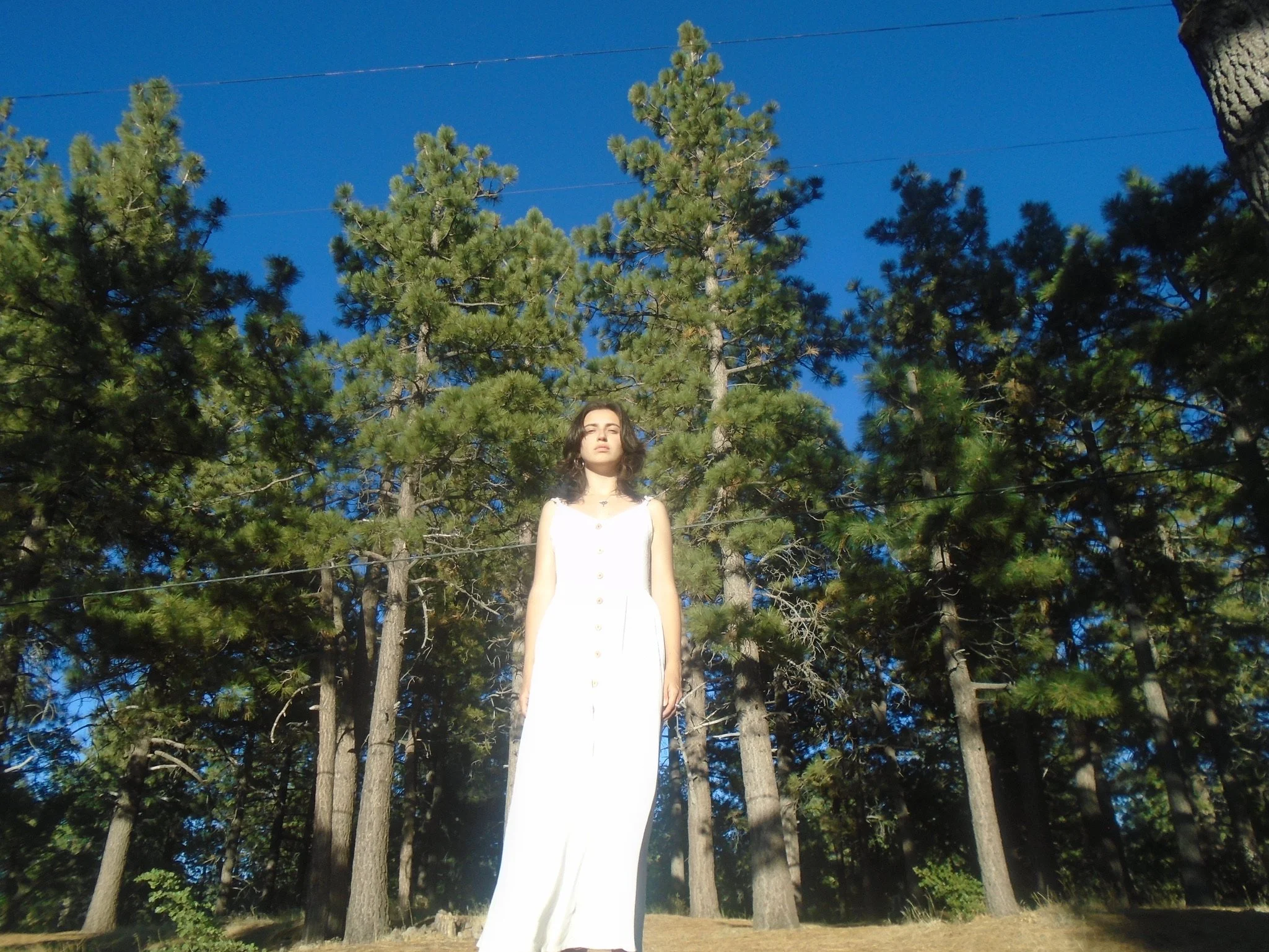
WEAVING 60S SOUNDS WITH MODERN STORYTELLING — Dakota Dry gives listeners an intimate look into her young adult life. The LA-based singer-songwriter released her debut album, The Edge of Our Never Ending Universe, on November 20, accompanied by a release show featuring Gnat and Lola Rice. Taking inspiration from Laurel Canyon songwriting, Dry’s music is poetic and emotionally rich.
Centered around coming-of-age themes, the nine-song project highlights Dry’s lyrical sensibilities. Writing and performing each track allowed her to build an introspective sonic world. She described the process of writing, recording, and performing as an emotional catharsis, and the production mirrors this. Lush and textured, it never overpowers the raw lyrics but instead embellishes them.
Luna sat down with Dakota to discuss the album-making process and inspiration. Read below to learn more about this singer-songwriter's story.
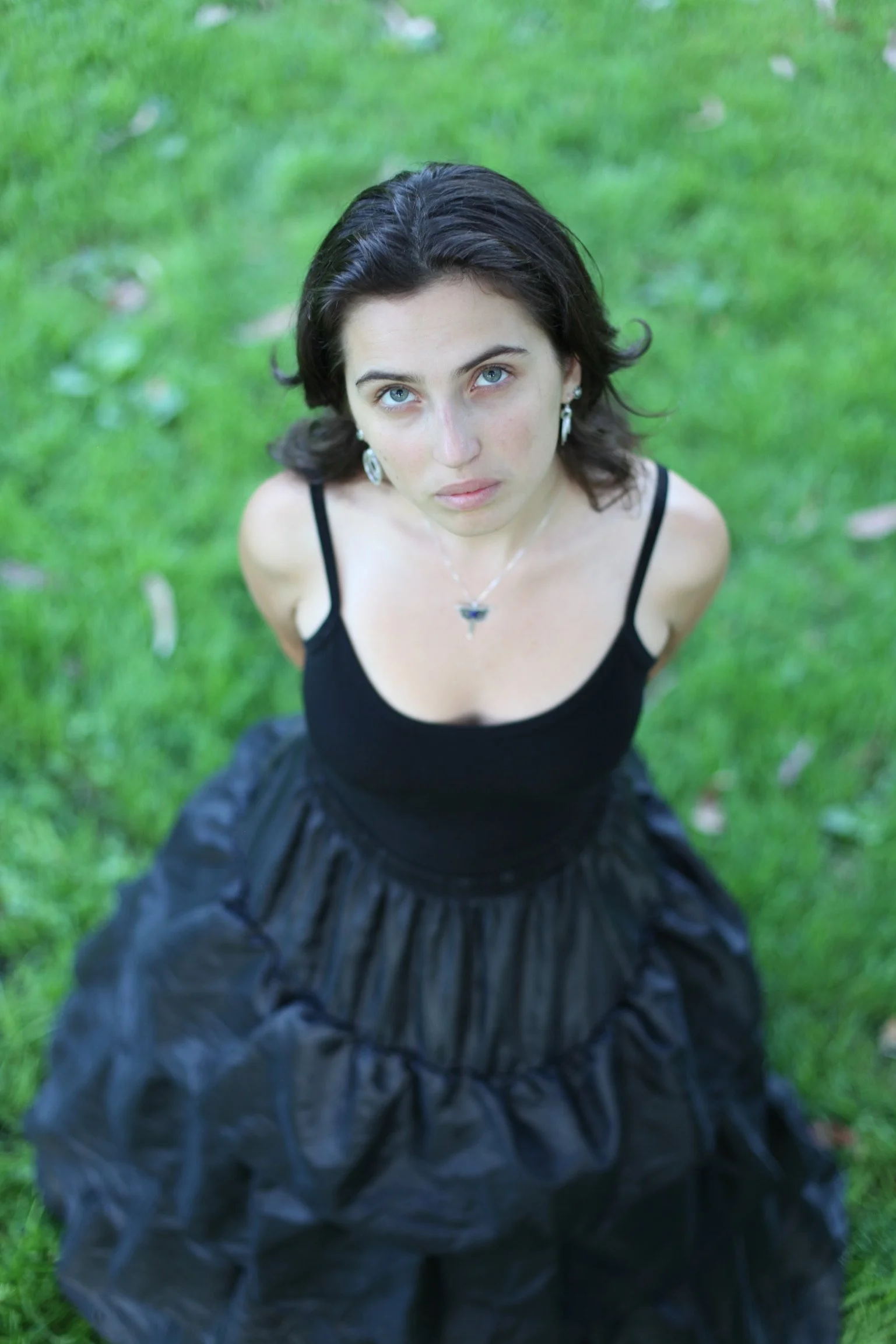
LUNA: Congrats on the release of your album, The Edge of Our Never Ending Universe! To those unfamiliar with you, how would you describe your music and this album?
DRY: I'm really inspired by the storytelling that occurred in a lot of music in the '60s and '70s Laurel Canyon scene. I would describe my sound as singer-songwriter, inspired by folk and soul of the '60s and '70s. I draw from so many different inspirations, but, in terms of this album, I was leaning into emotional intensity, drama and world-building. I was really inspired by the productions of people like Mitski or Weyes Blood, with lush production that really takes you into a world. I was just not shying away from the kind of drama that I feel sometimes in my life.
LUNA: As the songwriter and performer of all of the tracks on this album, how did you balance those roles in the album-making process?
DRY: It definitely was intense at times. I want it to feel like I'm pouring out my heart and soul in the recordings. These songs are based on my own life, my own feelings, and sometimes, I'm like, “I don't want to sing about this today.” I've definitely had those moments, especially for some of the more intense songs where I'm like, “Oh God, I don't even feel like this anymore. I don't want to sing about this. Or this is maybe too much in the moment.”
So it's been a personal journey in terms of figuring out how to be like, “let me lock into this feeling and honor it.” I want to honor all of the range of feelings and experiences that I've had, even if they've passed. They're a part of how I've become the person that I am and how I feel about the world. So that's been an important aspect of the album. I wanted the performer and the person who was writing to be together in that moment.
LUNA: In an Instagram post promoting the album, you wrote, “thank you to my parents for singing to me in the womb and for telling me my voice has value.” How has your family and upbringing influenced the sound of this album?
DRY: My parents always played a lot of music around the house. My dad is a songwriter himself, not professionally. He’s also an English professor and writes novels. So he really encouraged me to express myself in those ways. I think lyricism was always very central to the music that he shared with me. Early on, I was sharing with him songs that I was writing, and he was providing a lot of feedback for me. Storytelling was so important to him, and so I definitely feel like I absorbed a lot of that.
This album is interesting because it stands in my early adulthood, so it's that transition from living with my family to living independently and finding out what my own feelings are. So in this album, there is a lot of processing experiences. You cannot fully come to terms with all of your own truths when you're in a space where you are dependent on other people. Transitioning to independence reveals so much about ourselves. There's almost like this adolescent aspect to it, where everything feels really big because you're experiencing these things as your own person, and in this different way.
This album all takes place in those years. So it's this reaching back to my family, to my childhood and to my child self; and also, experiencing the world as an adult and grappling with my own identity. In that Instagram post, the main thing that I was feeling was gratitude. These were some really painful moments in my life that inspired some of these songs. To see that come to fruition is fulfilling me and makes me feel more connected to myself because of the process of confronting those feelings.
LUNA: What projects or artists have you been listening to lately that you’d like to shout out?
DRY: A big inspiration for me in terms of current artists is Adrianne Lenker. I like the way she prioritizes artistic integrity and emotional catharsis. There is such a temptation to try to appeal to something more palatable. Listening to her music and seeing her perform always reminds me to stay grounded in the emotional experience of the music.
My friends are also a big inspiration for me: Sophia Bacino, Lola Rice, Katrina Weissman and Gnat Rezek. I listen to their music a lot. I get to hear their music at gatherings and get to hear the first versions of their songs. It's so inspiring, all of the work that people in my community are doing.
LUNA: What is a project, collaboration or event you are looking forward to in the future?
DRY: I'm excited about the visual media for this album. I've been working with some filmmakers. I have a video coming out with a dancer. I'm excited to continue to add to this world that I'm trying to build through this album.
I'm doing a lot of performing. My next performance is actually at a Hanukkah festival. Before my release show, I didn't perform for a couple of months to put all of the energy into that. I'm trying to be very intentional about my performances and put together productions that I feel really proud of. The hope is to be performing in some spring and summer festivals.
