
Q&A: Shoegaze Duo Drauve on Finding Themselves on EP ‘Abyss’
INTERVIEW
INTERVIEW
☆ BY ALEAH ANTONIO ☆
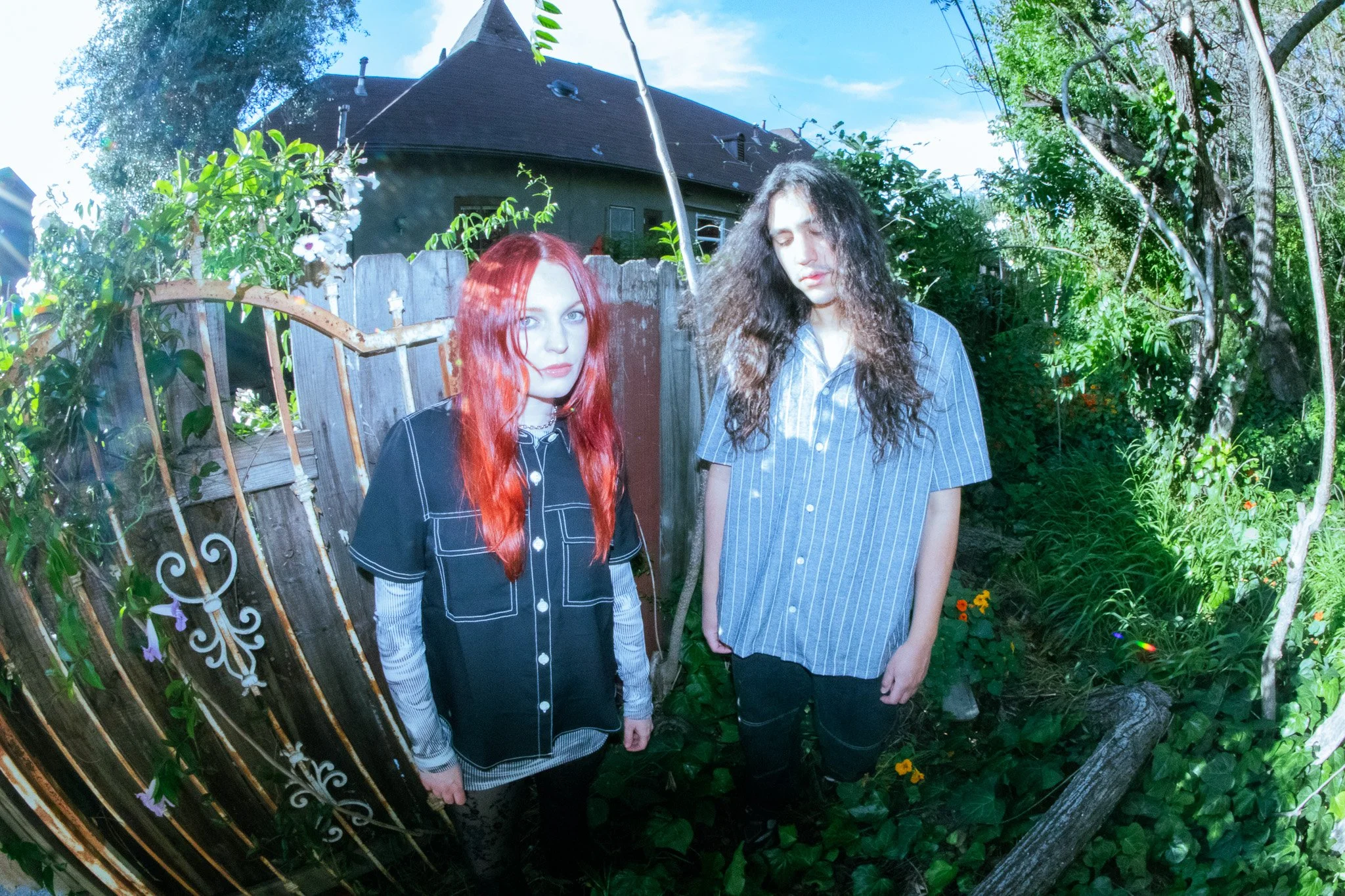
Photo by Donna Borges
DRAUVE TRAVELED TO LA TO MAKE THEIR DREAMS COME TRUE—but found themselves aimless once they got there. Victoria Draovitch and Stephen Grzenda, the two halves of shoegaze project Drauve (pronounced like “mauve”), both come from small Pennsylvania towns. After ditching their respective music projects after meeting each other at a show, they started making music together and set their eyes on the West Coast.
They landed in LA in June 2020 when COVID-19 was at its worst. Draovitch was no longer doing singer-songwriter music solo, and Grzenda quit his indie rock band when his other bandmates went their separate ways. During COVID, they were making dreamy bedroom pop—music that feels like a world away from their current sound. They’d later release their first album No Hope For Anything, the project that shifted everything: their sound, their mindset and their future work.
Drauve’s newest record, Abyss, is out October 16. Their titular single is out now, with their second track “Backslid” coming on September 23. Draovitch describes it as “fighting for yourself in an apathetic world, countering numbness with explosive sincerity.” The pair met up with Luna to introduce their fully fledged band to the world and share the story of how they created Abyss. Keep reading below.
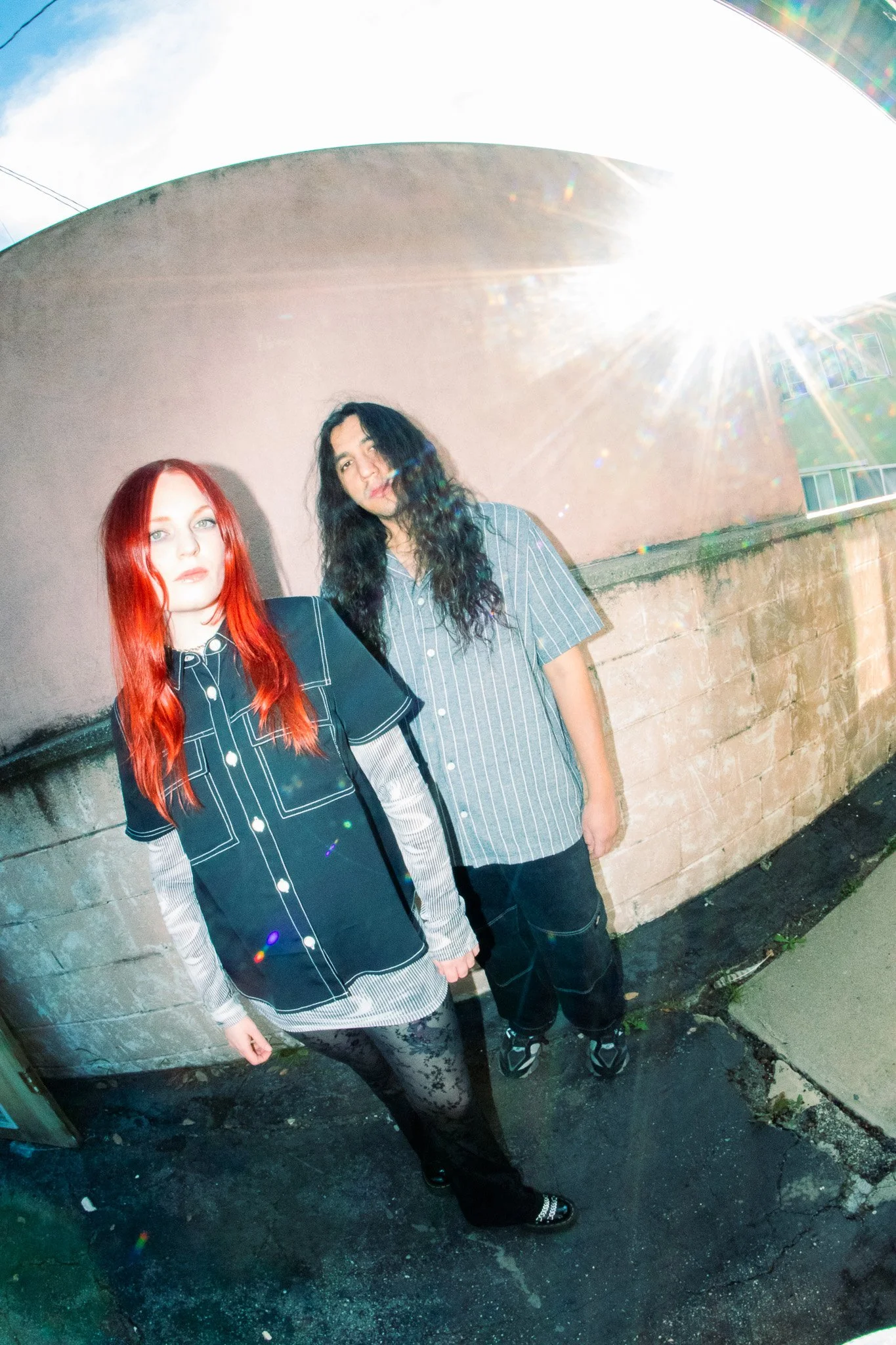
Photo by Donna Borges
LUNA: What do you think the inception point of the band was?
DRAOVITCH: Definitely the day that I showed him the first demo I was working on.
GRZENDA: Also, at the time, everybody in my band was disbanding and going and doing different things. I was actively looking for a reason to dip and to move on.
LUNA: What made you move from indie rock and singer-songwriter into the kind of music you make now?
DRAOVITCH: I think I just stopped being afraid of what people would think. I had always been really into My Bloody Valentine and The Cure, but I don’t know, I had this disconnect…I felt like I couldn’t make the kind of music I wanted to make. I felt like I had to make something that was more commercial to be successful. Obviously, I know that alternative rock and shoegaze leaning stuff is really popular now. It just wasn’t at that time. I was like, “I’m just gonna do what I want and see how it happens.”
GRZENDA: Another big part too is that I didn’t want to write anymore. I feel like I got forced into writing for a band because no one else would want [to]...No one else wanted to write lyrics or anything. I didn’t want to keep doing that…I didn’t think I was very good at it.
LUNA: What was it like wanting to be in music and growing up in a small town?
DRAOVITCH: Well, middle school into high school, I had a very active pop punk band. It was a lot of fun. We were playing lots of different gigs in random places, like fire halls and extreme DIY venues. I felt very involved in a music scene, but again, there was a disconnect of “What do I do first?” Graduating high school and going straight into touring…that doesn’t seem like what I’m gonna do. I wanted to go to college. I don’t know, it felt like a far-fetched dream.
GRZENDA: I grew up playing guitar, doing a lot of country folk, jam band type stuff with my friend and his dad.
LUNA: You guys moved to LA in 2020. What made you choose LA, as opposed to moving to Philly or New York?
DRAOVITCH: It’s funny you mentioned Philly and New York. We were like, we want to move somewhere…We had these trips planned to Los Angeles, Philadelphia and New York. We came out to Los Angeles in February 2020. Literally as we were sitting in the airport, the news was starting to talk about COVID-19. A bunch of our friends had moved out here in the past. So we came out for this trip. We had an amazing time. I just remember on the Uber drive back to the airport, I was like, “We’re moving here. We’re not even going anywhere else.”
LUNA: What were the first couple months of living here for you?
DRAOVITCH: It’s almost hard to remember—it was so stressful because of everything going on in the world. I remember we had taken a detour with our sound during the pandemic—we made more electronic dream pop, because we were just like, “I don’t know when there’s ever gonna be shows again”… It felt like this weird liminal space time.
It was stressful, and a lot of self-doubt, because things weren’t getting better. A lot of people were like, “So why did you do this?” Did I just make the biggest mistake of my life?
GRZENDA: It made it really hard to figure out what to do, what our first real step was…Once things started to open, we felt pretty aimless for a long time.
DRAOVITCH: We didn’t really trust ourselves.
GRZENDA: That was a pretty [big] dictating factor of our first few years here: self-distrust and not knowing where to start.
LUNA: In terms of the projects you’ve released so far, when do you feel like you understood where you wanted to go?
DRAOVITCH: In 2024, we put out a full album called No Hope For Anything. I had mentioned we had been doing a dreamy pop, little bit of electronic [sound]. When we actually start[ed] playing shows, all the songs sounded like rock songs when we played them live. People would come up to us after shows and be like, “Hey, are these songs on Spotify?” We’re like, “Yeah,” and they’re like…
LUNA: “Are you sure?” (laughs)
DRAOVITCH: They sound really different live. I was like, “I guess, this is who I am. I am more of a rock singer, and Steve is more of a rock guitarist. Why are we pretending that we’re not?”
LUNA: Tell me about your new EP, Abyss.
DRAOVITCH: The main thing that inspired it is when we overcame a lot of self doubt. We found our sound. Now…we know who we are. We’re going to work really, really hard at this. I’m really thankful that we can do that. But also, we have to pay our rent and everything, so working really hard at it all the time—it can kill the inspiration. I feel like I used my lack of inspiration as inspiration for this project.
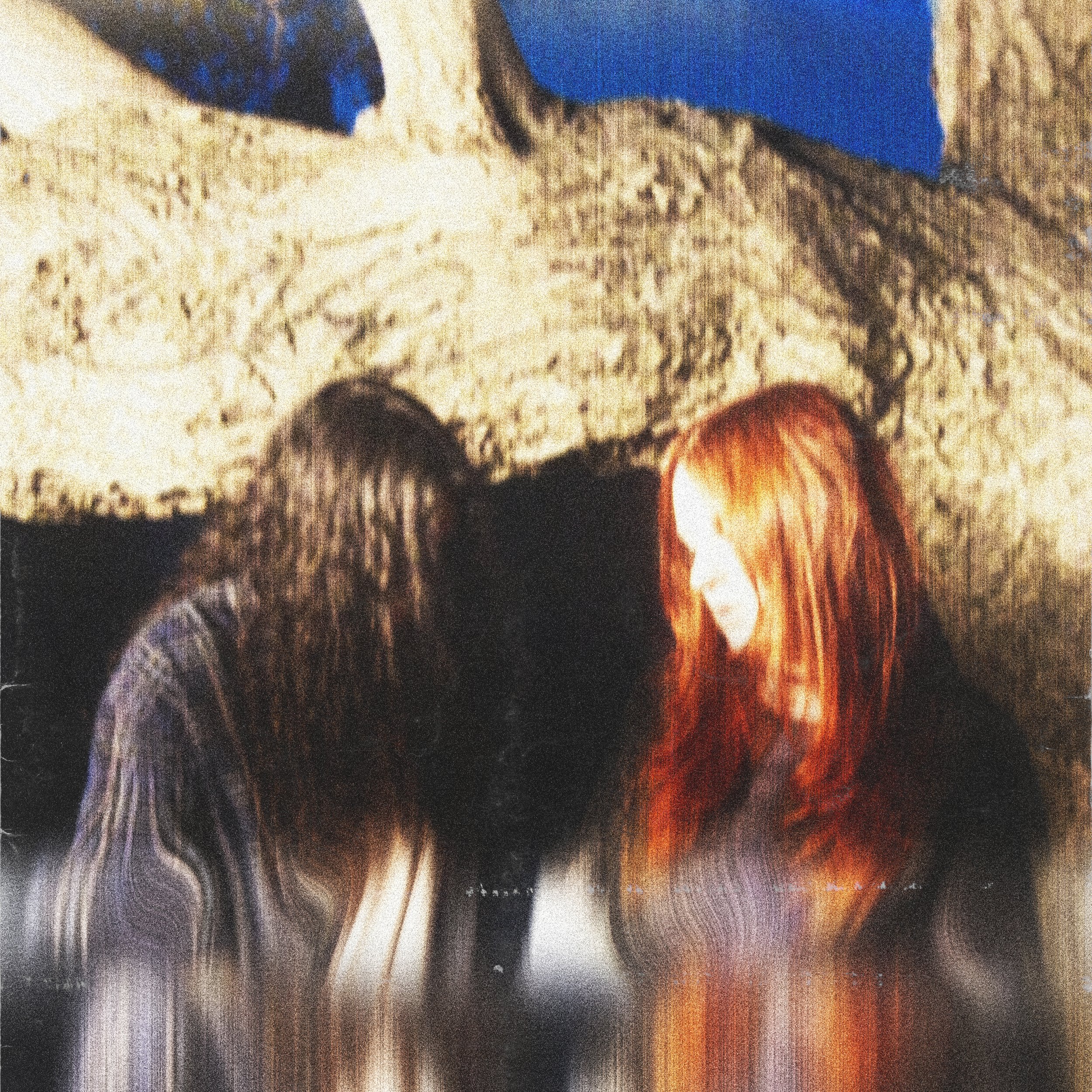
Photo by Brooke Tannehill, edit by Victoria Draovitch
