
Q&A: Making Songs Live in a Room: Elissa Mielke on Acceptance, Community and Letting a Song Breathe
INTERVIEW
INTERVIEW
☆ BY INDI TEJEDA ☆
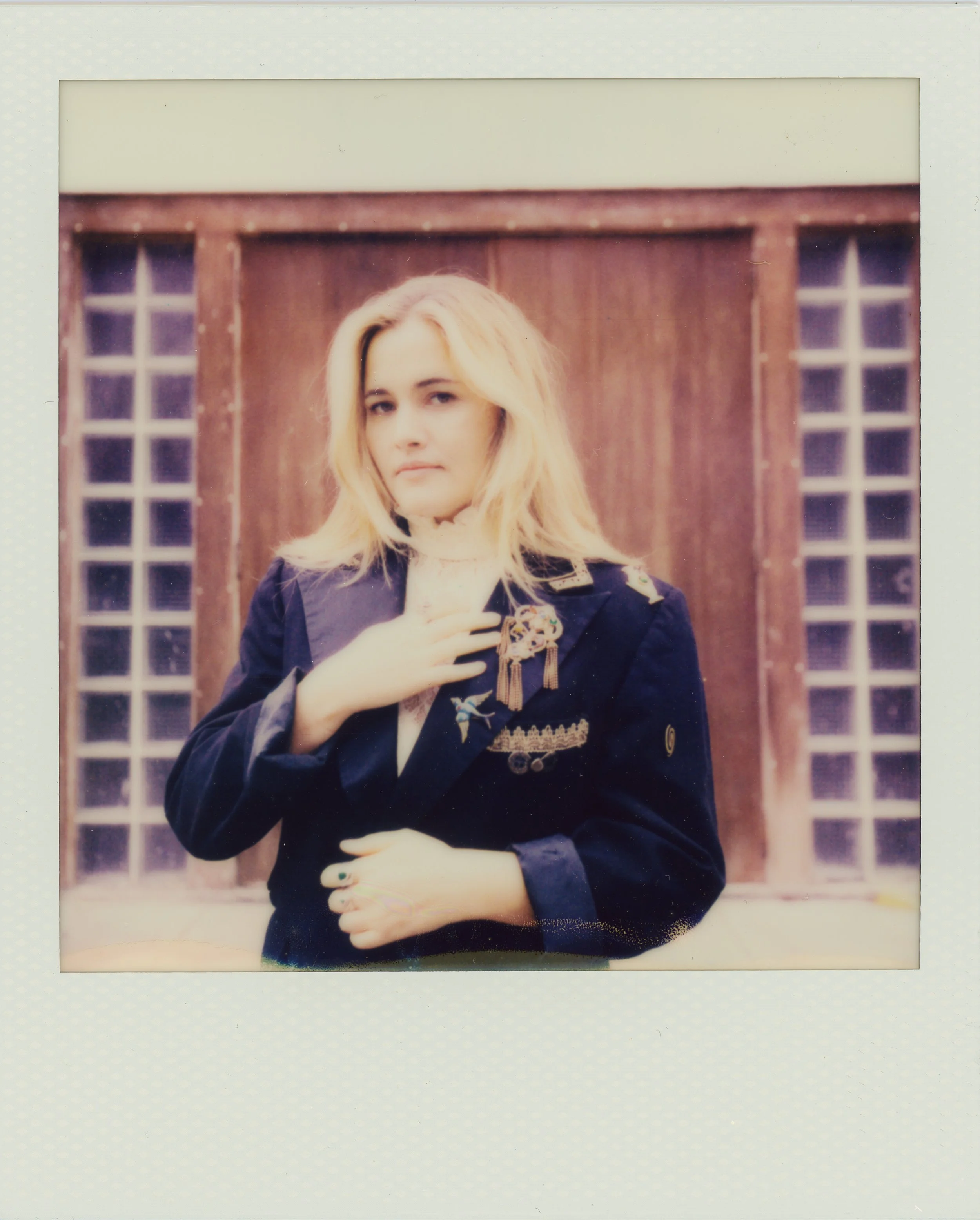
ELISSA MIELKE GREW UP IN THE WOODS — of rural Canada, recording songs on a little tape recorder. The only music around her was classical training and old German Baptist church hymns, so she had no mainstream songwriters to copy. Now, after years in the LA scene, she is sharing a new chapter of her music.
Her new single, "Lemon Tree," comes out on September 20, and her album is set for next year. Her earlier work leaned on a sparse folk sound. These new songs keep that folk base but add pop, indie rock, ambient and psych touches. They were also made in a very different way. Her band recorded live in one room with producer Philip Weinrobe (Big Thief, Adrianne Lenker), with no phones, no playback and all the vocals done live. The project is a new solo release made with LD Entertainment and Secretly. Some of her first music came out on Mom + Pop through slashie.
Elissa talks about the pull of the piano, finding real community in East LA, learning to accept heartbreak and trusting a song enough to let it become what it wants to be.
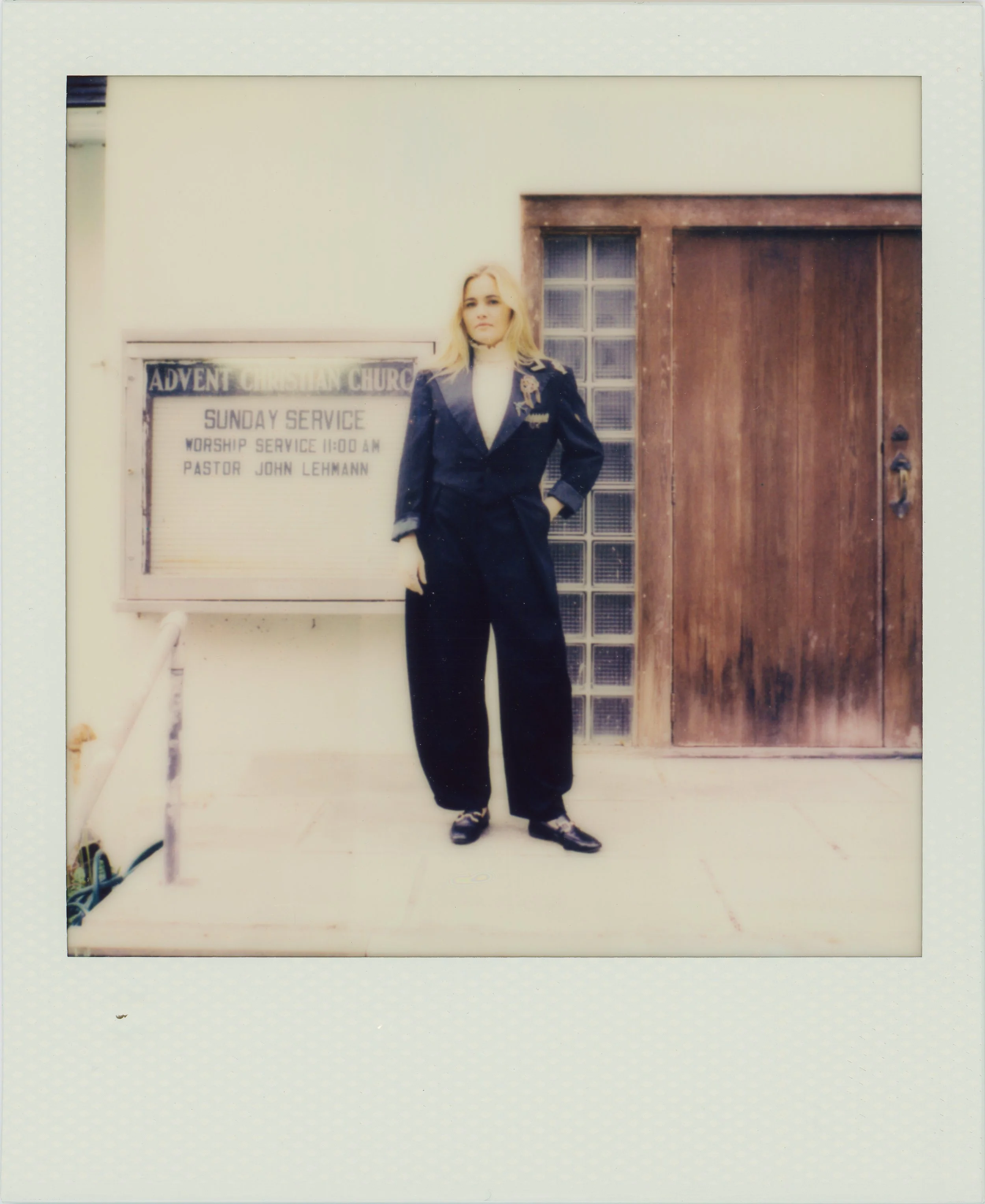
LUNA: Your earlier work established a sparse folk foundation, but "Lemon Tree" and "Don't Have to Hate You" introduce pop, ambient and psych textures. What drew you to expand your sonic palette with these songs?
ELISSA: I started writing and singing with just me on the piano, so it was a natural progression to record the songs raw like that. Honestly a big part of self-producing my own stuff as a default was because recording in a studio was too expensive. In my early 20s, I'd save all this money to pay producers to produce a single for me or whatever, and found [that] a lot of the time I ended up with a Frankenstein, mainstream-y soulless thing that didn't sound like me at all and cost three months rent. Recording myself gave me the power to create an imperfect, heartfelt recording and put it out into the world. But I always dreamt of making songs like this: live off the floor with a great band. That Neil Young-y soulful band thing where everyone's singing together and making music on some farm. So as soon as I was offered a pathway to record like that, I jumped on it. Including the farm part.
LUNA: You grew up in rural Southern Ontario but have spent years navigating the creative landscape of LA. How do those contrasting environments influence your storytelling and lyricism?
ELISSA: The environment has changed but I feel like I'm the same weird animal and storyteller. I was a kid living in the woods with a lot of feelings, recording songs on a little tape recorder I had. The only music I was immersed in was my classical training and these German Baptist church hymns from the 1800s that we'd sing in church three to four times a week, so I didn't have mainstream songwriters to reference.
At first, moving to LA made me feel like I had to try to "fit" the game here or win approval. I was outside. I didn't know the references. But the only truth I've found in music making is the same truth as that kid at the piano. I quickly realized that some of the most famous artists I knew who'd "won" the game were living in glass castles getting their fancy yogurt delivered, poisoned by fame and unable to write a good song because they hadn't talked to an honest person in years.
Sure, there are some hyped LA life-list iconic moments that thrilled me to bits, like ending up next to Stevie Nicks at Largo, or seeing Bill Withers (my hero) roll his eyes at a cheesy band and smile at me in West Hollywood, but overall the East LA music scene I really love being part of is a community of scrappy, heartfelt people making songs so beautiful they'd make a statue cry. Making pennies off streams but all in love with the act of creating—that itself is heaven on earth. We have these music breakfasts every Wednesday and people are just talking about what they're making and why they love it. That's the real stuff. The other stuff is commerce and if you follow it you'll be lost no matter how big your music gets.
I think growing up so separate from the industry of it all helps because I can go back to that mental place of seclusion and just make songs. I'd make songs if I lived in a cave and saw no one forever. It's the holiest, most beautiful, funnest thing in the world. So remembering that in whatever place or scene I'm in really matters and is a constant.
LUNA: "Lemon Tree" offers listeners a new glimpse into your current creative world. What made this song feel like the right one to share next, and what do you hope listeners take away from it?
ELISSA: “Lemon Tree” is very intimate in the meaning and in the recording. It's from a moment where my heart was ripped out of my chest and I was in a spiral of deep insecurity at a hotel room in New York in February with snow falling outside, trying to figure out why my love left. Lyrics: "was it my earnest disposition? Was it my hips? My eager concessions? Was it…my teeth?"
My girlfriend had broken up with me in a really sudden way and I had this deeply familiar impulse to go to a dark place of shame, or to fall into breakup tropes like in the chorus: revenge narratives, winning her back, all that stuff. To indulge in victimhood. It was all about me in my head! But somehow years of meditating and working on myself revealed an epiphany: I didn't want to live in that place.
If what she was saying so honestly was true, she must see something I don't (Lyrics: "a ghost in your bed, a leaf in your tea"). There must be a reason. And I was magically able to move into acceptance, even as it hurt. Anyway, to me that's a big key to freedom in life: being able to accept what is actually happening and knowing what you can control. So to me this song matters because I think it holds one truth to a free-er life: acceptance. I hope someone hears it and realizes that, actually, releasing control over what you can't change is freedom.
LUNA: Moving into collaborations with LD Entertainment and Secretly marks a major milestone. How have these new partnerships shaped your approach to creating and releasing music?
ELISSA: I think there's a special place in heaven for people who invest in the development of artists. I get that it's scary for labels and gatekeepers because they want a sure thing, in terms of money or numbers or whatever stupid metric. But Mickey Liddell, who's the CEO of LD was at this little show I played in Dalston [London] and he saw the thing I can do, that I have always known I can do. He was like "This moved me and I believe in this and I'm betting on this." His betting on things this way is how LD built their world of Broadway hits and successful films. Risk and faith. The way Dana Meyerson has supported my music even at my brokest and messiest is the same. Because so many stories of great artists relied on a few people who saw the thing before it was the thing. This is that energy.
Having this new team of avengers in my corner is awesome; I was working three jobs and was super burnt out, doing music in the evenings and feeling like I didn't have any capacity left for the thing I'm put on earth to do. So having some more space to be an artist, paired with a hardcore work ethic from a decade of doing this the scrappy way means I'll do everything I can to share these songs, write more, and do this until I'm an old lady or dead. Hopefully I get to get super old and make at least 67 records and tour to the ends of the earth.
LUNA: You worked with some incredible people to bring these songs to life. How did bouncing ideas off your collaborators reshape your individual songwriting chemistry?
ELISSA: Working with Philip Weinrobe was a dream because his process is all about protecting the song so it can be a living, breathing thing. That was magic because I've seen stunning demos get killed in a studio environment; they either edit away the breathing, or the room sound, or make things so perfect that they're devoid of life.
Phil has ritualized the whole process in this glorious, no compromises way. We all put our phones in "phone jail" before entering the studio. No one heard the songs before we were in the room (even he only listened to the piano demos once). We had no playback, so I really had to trust. It was seven (legendary) musicians in a room and me at the piano in the middle. I'd play the song and that was the first time the band heard it. Then in real time we'd record the process of discovering what the song wanted to be. All the vocals were live! Which is insane to do. But it only deepened my faith in song making itself and the spiritual nature of it. I found that when we had the "take" I'd get chills or tear up, or we'd all just know somehow. We'd all just finish playing, nod at each other in silence, go "Yup that's the one" and move on. Like something was in the room guiding the thing.
Maybe the biggest takeaway in seeing that magic is, now when I'm writing, I'm dreaming a bit bigger. I allow the delusion of what the song is asking for. If I hear an orchestra or a guitar solo or just want the chords to stay the same all the way throughout, I trust it in a deeper way, knowing how much a song can transform.
