
Q&A: Elliot’s “hot but depressive” Addresses the Fear We All Fall Victim To
INTERVIEW
INTERVIEW
☆ BY SULLIVAN JORDAN ☆
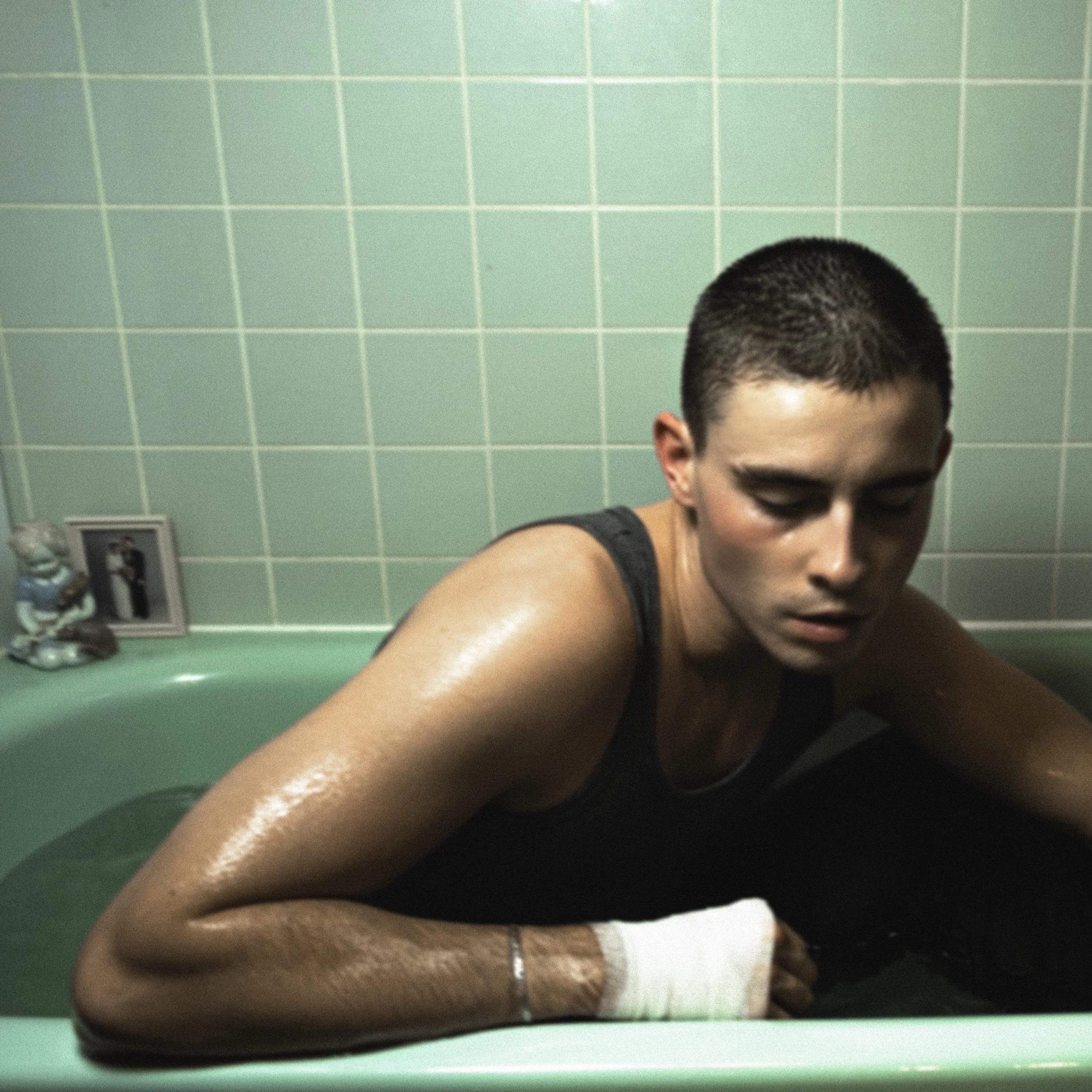
ON HIS LATEST TRACK “HOT BUT DEPRESSIVE,” ELLIOT GRAPPLES WITH THE INSTINCTIVE FEAR OF ENDING UP ALONE— The artist battles the vulnerability of intimacy in an era where comparison and the resulting low self-esteem run rampant. He twists his sultry vocals with grungy drum beats and hypnotic electric guitar riffs to create a bittersweet mix. As Elliot opens up about feeling scared to open up and share the truest version of himself with someone else, he finds a balance between wanting to find a meaningful connection without sacrificing who he is.
With just the title alone, Elliot addresses the power and simultaneous anxiety of independence. While the instrumentals make listeners feel at ease, the lyrics pull us back to a more gloomy reality. As humans, we naturally crave community and connection; but we can also find great happiness and fulfillment on our own.
Luna got to chat with Elliot about all things “hot but depressive,” the existential ruminations and emotions that fuel the track, and how songs are like time capsules, turning music into memory.
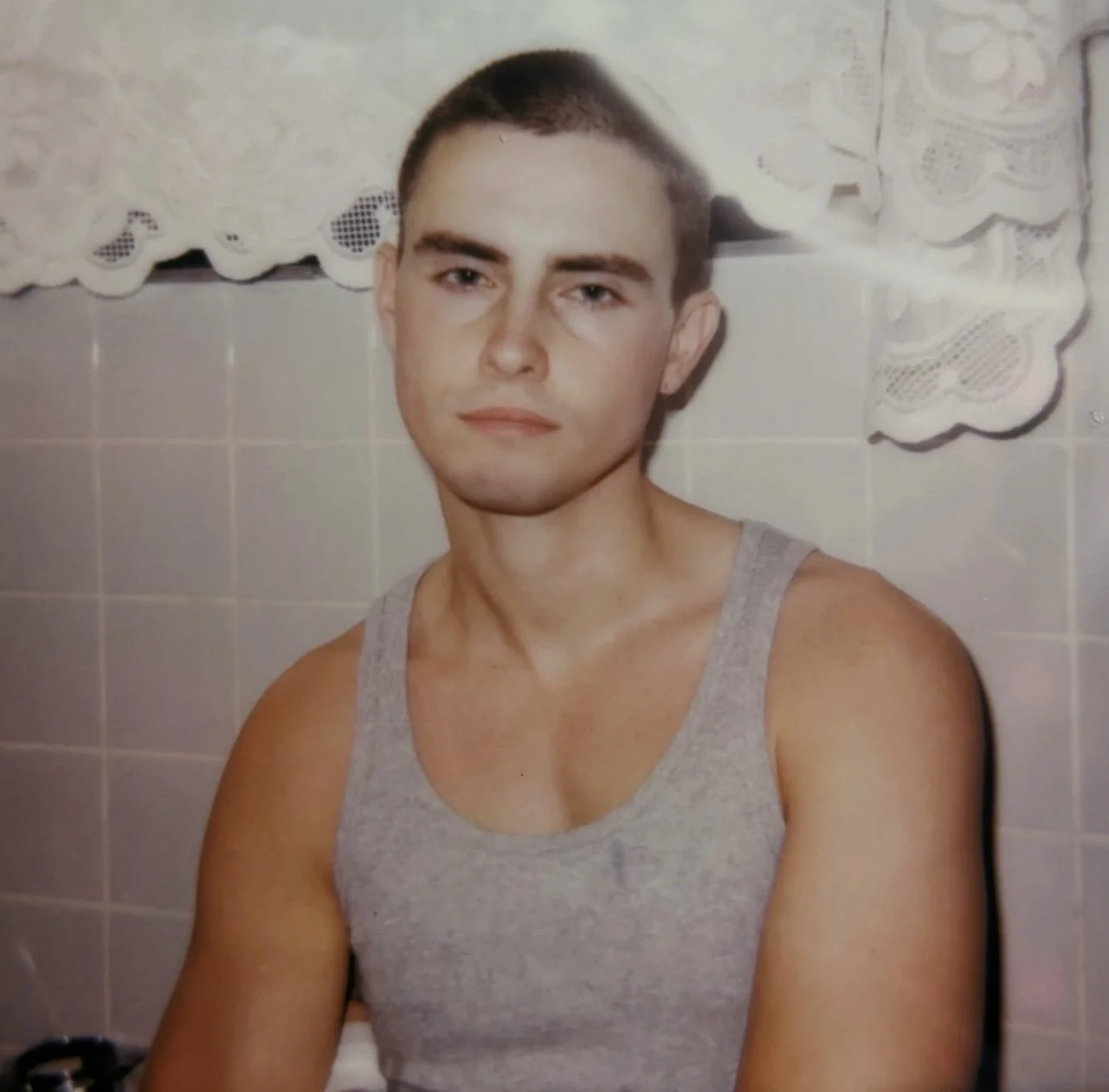
Photo by Charlee Mouna
LUNA: Can you discuss the inspiration behind “hot but depressive” and the creative process of bringing it to life?
ELLIOT: I made the song with my producer, Joachim, who I've worked with for about three years. I had that hot but depressive line in my head for a while. It was something that this girl I once dated called me. She would always be like, “you're so hot, but I can't deal with whatever this, like, depressive thing is.”
I’ve never really been a relationship kind of guy. I find it really difficult to feel sufficient enough. I always have this image in my head about how I have to be in different situations and in romantic settings, and I feel that I can never really be that. It's just easier for me not to try. Also, there’s a fear of ending up alone and being alone forever, which keeps me up at night. The song is really more about that.
We started this new EP, which the song is a part of, as a continuation from a previous EP. We focused on creating this sonic universe that’s very hard, driven, beautiful, kind of surf-desert. We were very inspired by Clairo and Sufjan Stevens. We had another writer in the room; I don't normally work with other writers because I like to just be in control totally. I feel like that whenever I work with a writer, whatever I'm saying or whatever I'm feeling, I'm just like, “This must be so weird for you to listen to.” But this writer was just really cool. He's called Jacob, a Danish guy, and he was working on a lot of the production, actually. Which was really nice for me, because then I could feed off of what the production was doing. We got pushed out of our comfort zones a bit, and that was really cool.
LUNA: You mentioned how the lyrics were informed by what the producers were doing and vice versa. Is that usually how you like to work or do the lyrics normally come first? What's the dynamic between those elements?
ELLIOT: I get ideas at home and I write things down, but I don’t come prepared with a full song. When I go to the studio, I like to think that I'm recharging myself. I’m stimulating myself creatively by reading or watching different movies, or just reading lyrics and listening to new music. I collect that energy, absorb it, and then go into the studio and get it all out. When my producer plays something on the guitar, lyrics come naturally because I’m always trying to be really open when I'm in the studio. When I was younger and just starting making music, I was being so hard on myself and every idea that I came up with. I shut it down, or I could be in the studio for eight hours and do nothing because I was like, “this is shit.”
I'm trying to be very open minded and just go with whatever comes. You can always change a lyric. I rewrite a lot of my stuff when I get back. I want to be in that headspace of just going with whatever comes naturally, whatever lyrics I want to write, write them, and then I can always go in and tweak and correct.
LUNA: Who are some other artists who have had an impact on your career thus far? Did you grow up with any artists that you think have impacted your sound?
ELLIOT: It's kind of weird to me that I'm creating the kind of music that I'm making now, because growing up I was a Top 50 kind of guy. I listened to songs that were really difficult to sing because I thought that was really fun. I had a super high pitched voice when I was a kid, so I loved singing whatever were the hardest songs to sing. My dad listened to a lot of R&B and blues. My mom was a big 80s girl. I didn't really appreciate music until I got into my teen years. I listened to a lot of Lana [del Rey]. She’s a huge, huge reference for me. I just really appreciate the way she writes. And also, you know, Phoebe Bridgers, Elliot Smith. I really, really, like Elliot Smith. I sometimes feel as though I'm an imposter in the music business because a lot of people who do music and pursue music grew up sitting in their basement writing songs and listening to records. I didn't do that. I just like to perform and sing, and then I got into the whole appreciation of art and albums and writing.
LUNA: That makes a lot of sense. There are always artists who grow up doing it, but I think what’s so great about music and any art form is that it finds us when we need it. So, even if you didn't grow up with it, it's something that you eventually connected with. We touched on this a bit, but what role has music played in your life? How has your music specifically impacted your life, and what do you think drew you to connect with music?
ELLIOT: I've always been singing, but I didn't really understand that there was a deeper meaning to it. It’s such a nice way to connect. Music holds so many memories, you know? You can just put on a song or you can hear a song on the radio and it's like, “I listened to this when I was going through shit.” I feel like that is such a magical thing to be able to do, and then to have that impact on others is amazing.
I was a very sad kid. I was listening to a lot of depressing piano things. Through that, I discovered that music can be emotional; I was just hearing it as a challenge before because I was challenging myself to sing difficult songs. Once I learned that music holds memories and emotions like that, it became something that I couldn't let go of. It's so cool and weird to me that people now listen to my songs and they're like, “This got me through some shit.” It's kind of insane to me that I have that impact on other people and that I am a soundtrack to their life, or whatever existential thing they might be going through. I've always grown up with music and singing. My mom used to play piano when I was a kid, and we would sit and sing together by the piano. Music has always been super familiar, but I just never really understood the meaning until I got older and started to also work with music. I'm very bad with words and talking, so I love creating a whole universe that explains how situations affected me.
LUNA: That is a beautiful answer. I love thinking of music as memory or music as time. Music creates these little time capsules of our life. I think music is also very nostalgic, which I love. I love nostalgia.
ELLIOT: Yeah, I love it too.
LUNA: It's sometimes a hard feeling, but it's also good at the same time. A big theme in the song is the fear of being alone, but also being afraid of vulnerability. In your opinion, why do you think people are afraid of that?
ELLIOT: It's just kind of what we're we're told, through television, movies, whatever—this idea that you have to find somebody else to share your life with. I grew up with parents who met each other when they were in second grade and have been together forever. I guess you kind of grow up with that idea that you have to have that in order to be accomplished, or have an accomplished life. Nobody really tells you that it is okay to just be on your own.
I think that’s why a lot of people are stressing about it, because then you turn it around and make it about you and like, “Is something wrong with me? Why can't I find somebody?” And then you stress about it and overthink it, and then you can't really let the thought go. My sister has always been in a relationship and I've never really been in one. Nothing serious. I find it so difficult, and it's so vulnerable and strange, but I also see the love that my sister has with her boyfriend and I'm like, “Damn, it must be so nice. Why can't I feel the same way?” Then you just spiral out. I think it's fine to be on your own. I really appreciate everything. I live alone and I love it, but I'm also stressed that I'm gonna die alone because I don't want that. It's just such a weird, little complex thing that you can easily blow up in your head and have an existential crisis about.
LUNA: What do you hope people take away from this song, specifically in regards to the themes of fear and loneliness?
ELLIOT: I hope that listeners, for a brief moment, can feel okay with just being on their own. A brief moment where they can be like, “It's okay, and I'm okay, and a lot of people feel this way.” But I also hope that the song will help people understand their own complexity, and connect to their feelings.
