
Q&A: GAYLE Embraces the Messiness of Growing Up on ‘Observing Chaos’
INTERVIEW
INTERVIEW
☆ BY SHEVON GREENE ☆
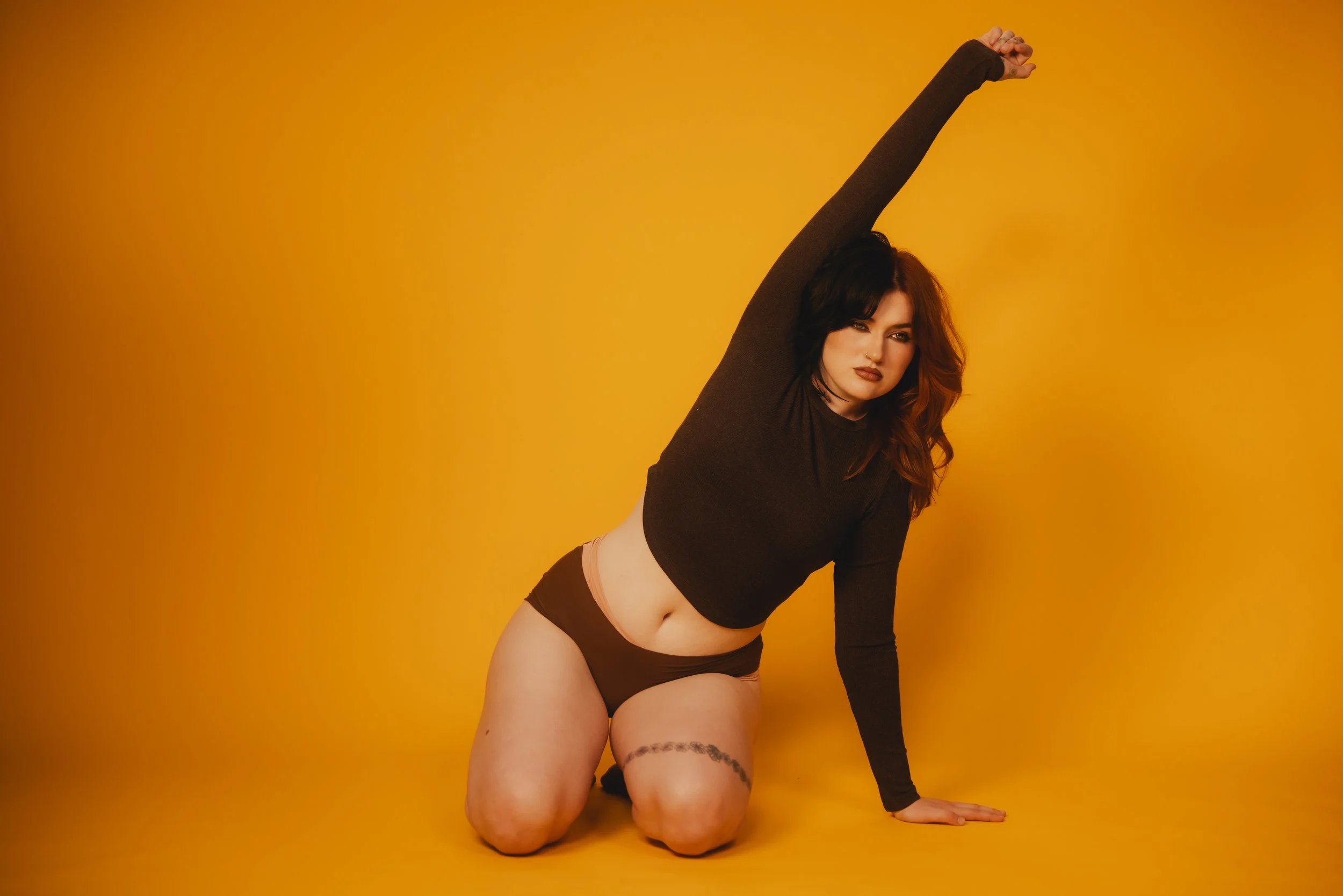
MULTI-PLATINUM SINGER-SONGWRITER GAYLE—wants you to know that growing up is rarely as linear as you might want it to be. That’s what her debut album, Observing Chaos, out today, is all about, and it refuses to pretend otherwise.
Built from songs written between the ages of 17 and 21, the record follows all the contradictions that came with those foundational years: falling in and out of love, making promises she meant in the moment, partying through feelings she wanted to avoid and realizing that saying you deserve better is very different from actually walking away.
After years of touring with artists like Taylor Swift, P!NK, Cydni Lauper and My Chemical Romance and the whirlwind of her hit track “abcdefu,” GAYLE finally took the time to take a step back and make something that felt like her own emotional record through those emotional years. The result of that is a chronological paper trail taking her listeners through the ups and downs of her own experiences as if we were living through those right with her.
When Luna caught up with GAYLE, we talked about why she resisted giving the album a neat healing arc, learning to hold space for the hopeful 17-year-old version of herself, the freedom she found co-producing the record and why, after years of nonstop motion, she’s now more interested than ever in building something that lasts with the people listening. Read below for more.
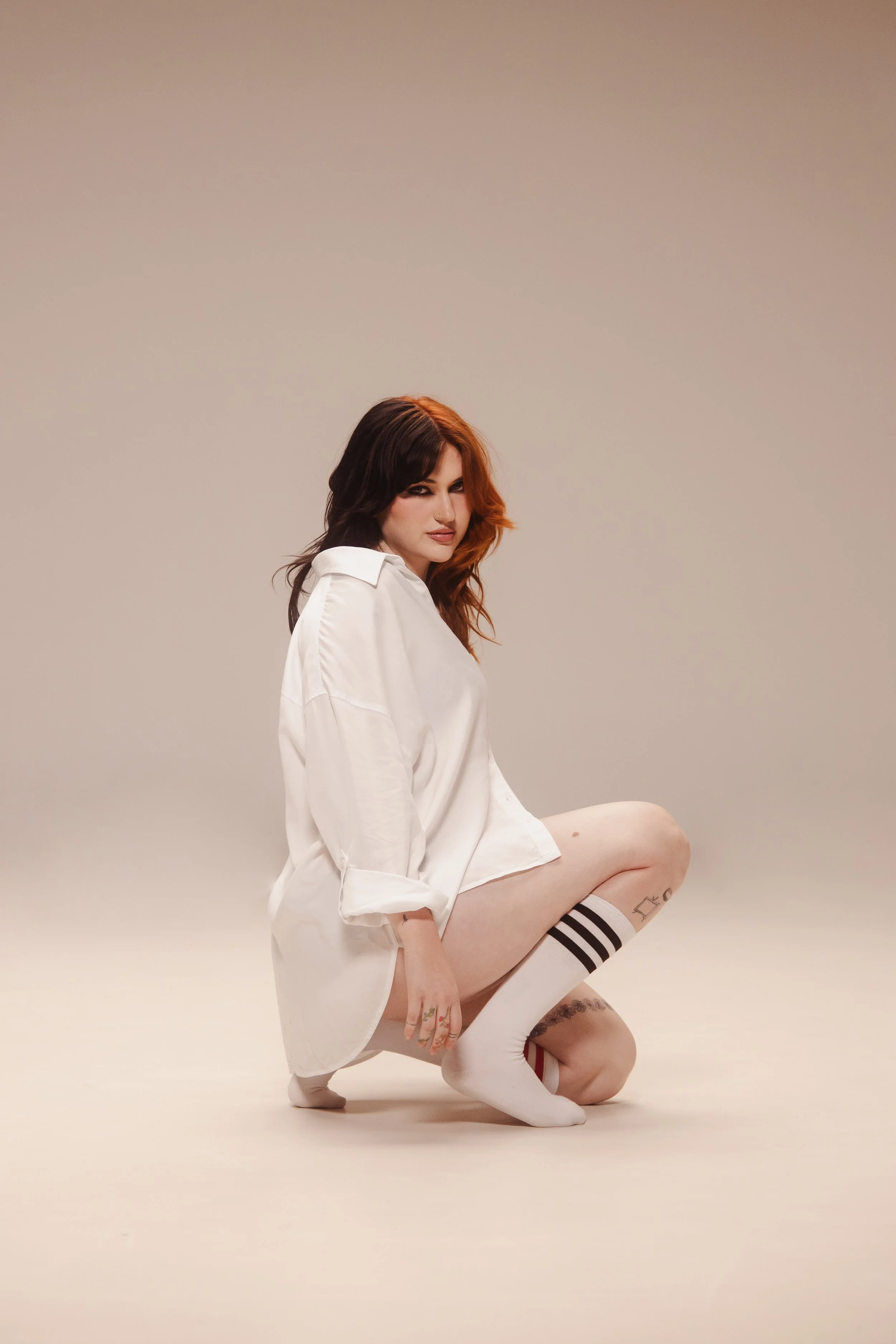
LUNA: Observing Chaos covers a very specific stretch of your life, from the ages of 17 to 21. What did that process of putting the album together look like, and how did you decide that you wanted to put that all together in one story?
GAYLE: Observing Chaos took around four years for me to make. I made some EPs in between that, but I always knew when making the EPs, I wanted to have it lead into a bigger story to tell. I was really lucky where I was always working and chewing on the idea of an album.
I just got so lucky that I had such amazing opportunities, and I was making a debut album, and I put a lot of pressure on myself. I'm a perfectionist in some ways, and some ways definitely not. But I just felt like I couldn't make the best debut album that I could while also being the best opener that I possibly could be, because I was doing both things for the first time.
I got so lucky that I'd think, "I'm gonna finish this tour, and then I'm gonna go home and finish the album," and then I would get another tour, and that was my life for three years. But I would come home or go to LA in the in-betweens when I wasn't touring, and I would write.
After those four years of me really looking at my life and thinking, "I'm tapping out a little bit. I left the house at 17. I'm about to turn 21. I want to be a human being, make this album, solidify my sound, work on my own personal music and maybe headline rather than open,” I looked at all of the songs that I had written through that time and pieced together what told the story of what was happening in my personal life while I was touring.
LUNA: I love the title of the project because it sounds like you're standing outside of your own life and watching it happen from an outside perspective, even though they’re obviously your own experiences. Do you feel like you needed to step back and observe those experiences from a different perspective before you could actually put them into words and songs? What did that process look like?
GAYLE: In the past six to eight months, I've really looked at this album and the songs I've made and realized how songwriting has served me genuinely in my life. I've noticed that I use music as a coping mechanism to not feel the things that I want to be feeling. Most of the time, if I'm fixating on something, I'm like, "I just cannot feel this way anymore. I can't keep thinking the same thing over and over again." I write it down so I can put it somewhere and be able to walk away from it. I’m not forgetting it or ignoring that feeling because I can always go back to that song. I can always go back to those lyrics, those emotions.
That was something I really noticed with this album. There's a lot of songs where I just couldn't keep feeling like that anymore. I had to get it out. When I came to look at my style of songwriting, especially for this debut album, I realized that I was putting myself on paper and walking away from it. The album was following that paper trail after me stepping away from everything.
LUNA: The album is split into Side A and Side B. I love that "loving you is" feels like a moment where you're like, "I'm never doing this again," and then completely shifts to "mother trucker," where that perspective shifts. Why was it important to show yourself falling back into that cycle instead of giving the album a cleaner healing arc?
GAYLE: One, because it's just really what happened. That was really my story. Wouldn't that be so awesome if I were like, "Wow, you treat me bad, I've decided I don't deserve that, I broke up with you and I'm happy.” Clean, clean album. But that's not the truth, Ellen (laughs). It was this tumultuous back-and-forth I had with myself. Not only was I in a relationship with this person, but I was also in a relationship with myself, the decisions I've made, with my own commitment and my own stubbornness. Walking the walk and talking the talk are two very different things.
This album is realizing that it is a lot harder to do the things you say. Even if you want to do them, that doesn't necessarily mean it's going to make it easy for you to actually do it. That's what the past four years have been for me. I'm still learning that lesson and I’m knee-deep in the middle of it.
It was important for me to split the record because with the first half, like "loving you is," it ends on a very hopeful note. It’s me saying, "I've decided I deserve better, I know how I should be treated and I know the standards I'm going to hold for myself." I really believed it. Then I had to deal with this whole unraveling process, realizing that this was going to be so much harder than I thought it was going to be. There was going to be a lot of pain in standing up for myself and knowing I deserve better, and there were still parts of the relationship I was going to have to mourn. I think I was avoiding that. I thought it'd be a lot easier to end a relationship with somebody that wasn't treating me right. I was surprised that I found it difficult to try and end that relationship. That's the second half of the album, realizing, "I can want something, I can talk about it, but actually doing it is different."
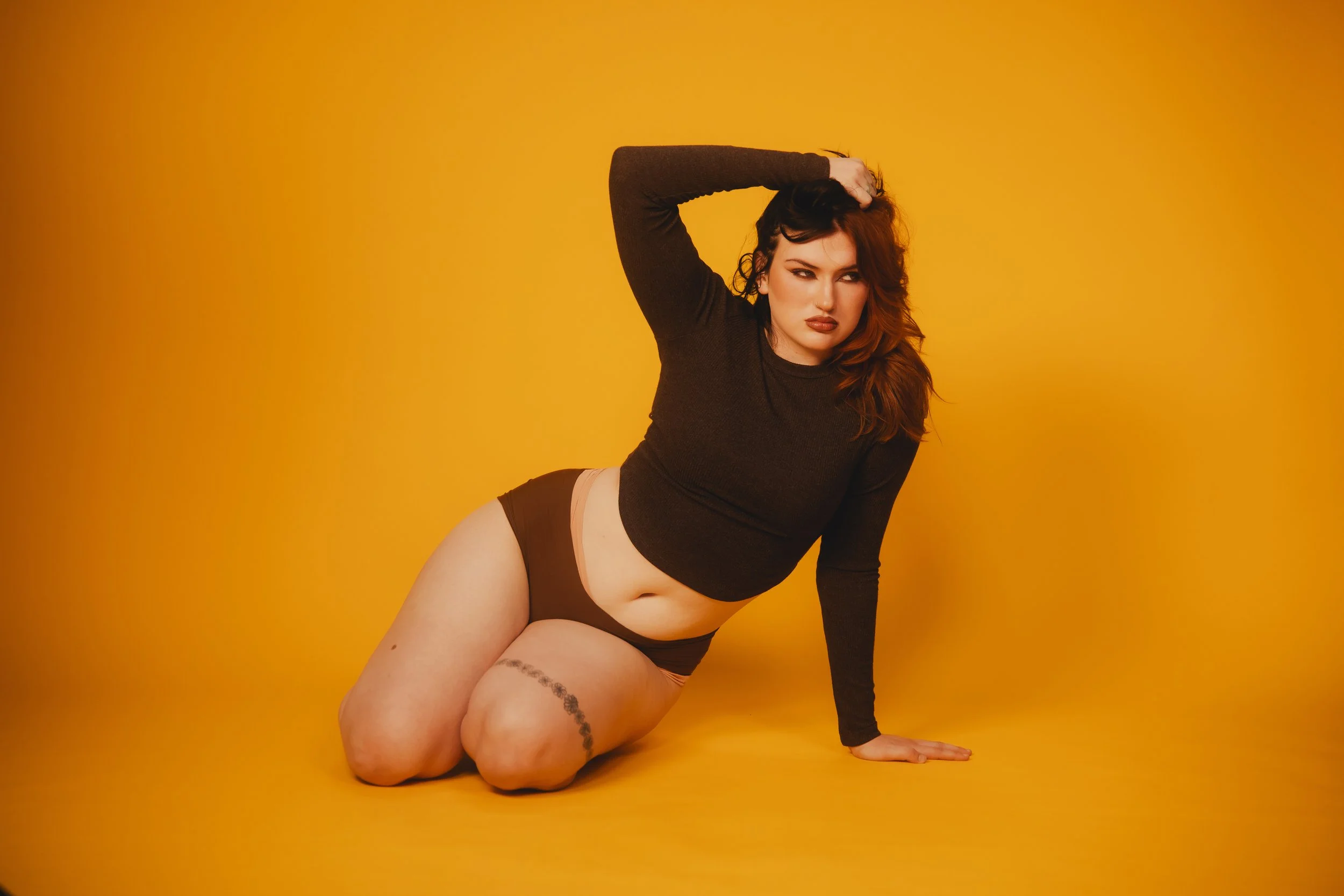
LUNA: Some of the tracks are more stripped-back and emotional, like "loving you is," compared to "junebug!" or "bite the bullet.” Did making something that exposed ever feel scarier than hiding those feelings inside of a louder, more playful song? Did you ever step back and think, "Oh my gosh, I'm being really vulnerable here" and start to rethink that?
GAYLE: That’s a wonderful question. I struggled with "loving you is” because I wrote that song when I was 17—years ago. I could have put that song out right after "abcdefu" if I wanted to, and it should’ve come out a long time ago. I was so hopeful and excited to know that I deserved better, to know there's a specific treatment and a certain standard. I was excited to hold myself to a higher standard, and all of the hopes and claims that I made, I did not do at all.
I actually ended up putting that narrative in the album as well, where it's very early in the story. I wish "loving you is" could be the last song in the album, but it is not. It is in the first half of the album, and I resented that for a long time.
Then I realized 17-year-old me had a lot of hope, was excited and had a lot of faith in myself. That doesn't just disappear just because I didn't necessarily learn from everything I've ever done wrong. I’ve learned to hold space for 17-year-old little baby me, who was just so hopeful and so excited, and decided to really set myself up to be honest for what the song was and is.
LUNA: I love how brutally specific some of the writing gets on the album. Listening to “clementine” feels like you’re literally sitting there through all the memories rather than just listening to a breakup song. When you're writing something that personal, how do you decide which real-life details you want to keep in the song versus which ones you want to keep for yourself?
GAYLE: Obviously, I would want to keep that person's identity private. Tempting, but I'm not gonna put their first, middle and last name (laughs). I'll keep some details, like maybe where they went to high school or something, very specific details that can lead back to that person.
But overall, it's just what feels right. I know that sounds a little cheesy, but I had to get myself to a specific point to be able to look at my life as a songwriter and think, "What's a lyric and what's not? What works as a detail? What's something that's too specific?" You just have to tune your brain a little bit. Overall, there's nothing really off-limits other than something that will obviously show who that person's identity is. But I will straight-up quote people in my songs. In this album, I quote somebody and say their words. So, yeah. If you're an asshole to me—
LUNA: Maybe don't be an asshole in the first place (laughs).
GAYLE: And most of the time, you'll know the song's about you. I'll put in something enough to where you know.
LUNA: They'll get the idea. I really loved listening to "clara" too because it felt like there was some excitement and fear around liking someone new. What did that song allow you to explore that the relationship songs surrounding it couldn't?
GAYLE: That’s such a good question. One, sonically, I really wanted to explore more of a pop-punk space. I wouldn't say I particularly make pop-punk music. I've seen some articles calling "abcdefu" pop-punk, but I wouldn't necessarily consider that—maybe the angrier version. I think that's up to interpretation, honestly. Genres—you can debate and talk about those literally all day. But I really wanted to make pop songs inspired by different genres of music. Obviously, mainly it's alternative and indie-rock music, but I haven't taken too many consistent punk-pop inspirations. That was something I really wanted to bring into this record for a song, and especially when it came to playing live music, I just wanted something really fast and fun.
I also wrote a song called "butterflies" that came out in the Barbie movie. Mark Ronson reached out to me and asked me specifically to make a pop-punk song. That was such a fun thing that I never would have made if he wouldn't have asked me to. I was really inspired by that, and I was honored that he thought of that genre and had that idea and thought of me. I was like, "That was really fun. What if I continued to explore that?"
Also, deep down, I just wanted a song that was really fun and that captured the way I obsess over people. If I like you—especially a girl—I will light the world on fire for you. I like you. There's nothing else, nobody else. It's you. If I want you, I want you, and nothing else.
I also just haven't heard too many songs that were pop-punk songs that were a girl singing about wanting to be with another girl. I really wanted to hear that, so I made it. I don't know if somebody would consider it pop-punk itself, but it's inspired by pop-punk music.
LUNA: You've lived with some of these songs and the people behind them for a while now. Is there a song where current you listens back and feels completely different about the situation than the version of you who wrote it?
GAYLE: Completely different, especially with “clementine.” “clementine” is me yearning for this person. I am constantly thinking about them and wanting to hear from them and trying to find any sign or clue that they're thinking of me and deciphering—just being in complete obsession with this person. Even losing somebody that was in your life for such a long time and being so bothered by that space. I'm just so not there anymore. Thank god! That was so miserable. Being 19 was terrible for me. You know all the rumors about how awful 19 is? That was real for me.
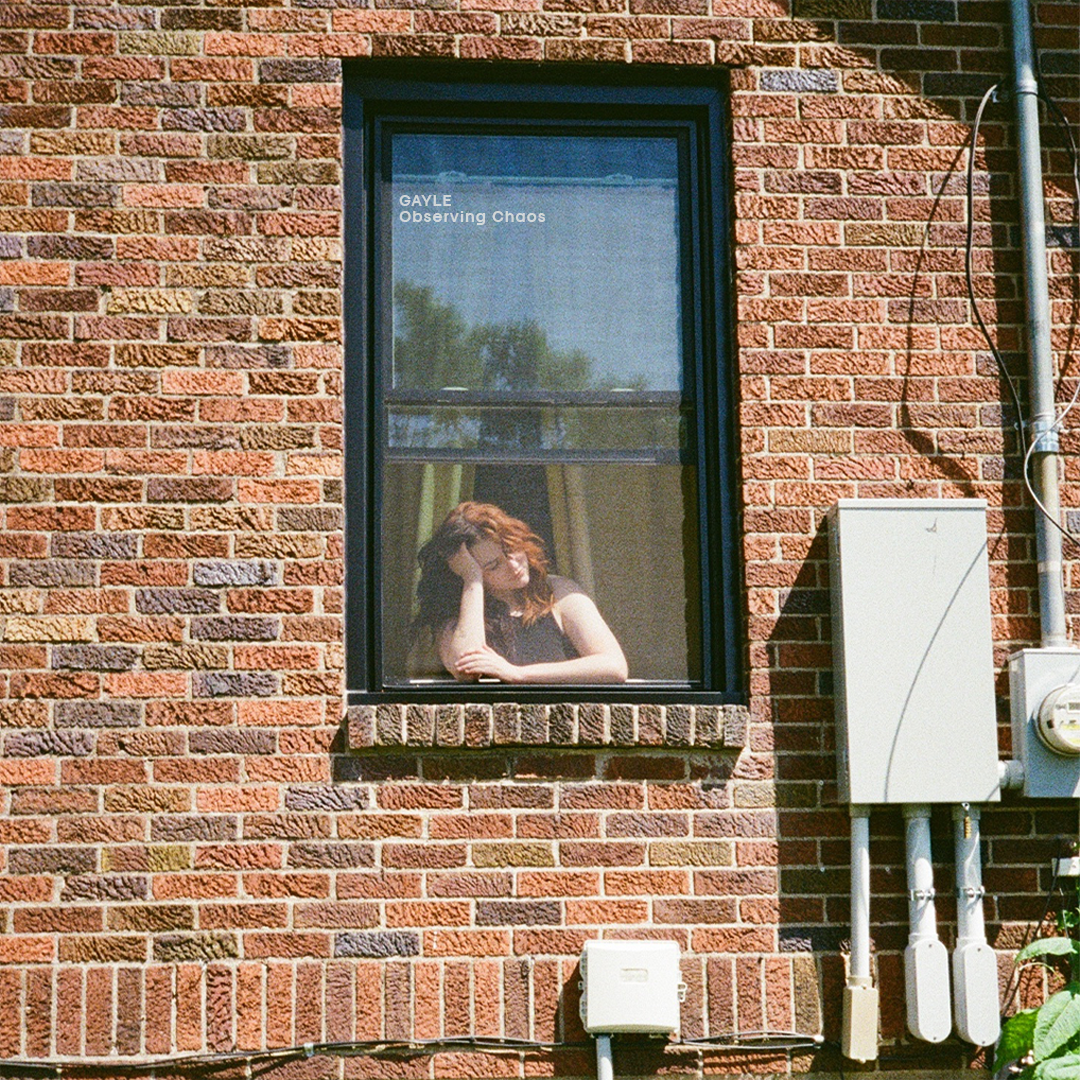
LUNA: You co-wrote and co-produced this record. Has becoming more involved on the production side changed anything about your process, not even just through the lyrics, but the way you want your music to sound?
GAYLE: I think I am finally having more confidence to say, "I did co-produce this." When I [was] 15, 16, 17, 18, especially in the middle of touring and stuff, hopping into studios, I did not feel like I was at a point to push for co-production. I know what I did in a room. I don't really need anybody else to tell me that I produced a song I wrote and put out. Maybe if I were co-producing somebody else's stuff and wasn't getting credit, I would feel so. But overall, I know what I did in the room, and I don't need anybody to tell me what I did.
Now, this was a new experience for me because I normally will go in with the producer I wrote the song with and work on it for maybe two days, and then go to another producer's studio and work on a song and kind of do blips. But this was the first time that I, for a month, rented out a studio and asked my bandmates what they were doing for the month and had an engineer—shout out to Jaxon [Hargrove]—and my friend Reed [Berin] showed up when he did some of the songs. My friend Willie [Breeding] showed up. But it was mainly me and the engineer every day. Then we would bring in different producers. If we were working on a Reed song, we'd bring in Reed because I want to make sure they feel part of it too. He'd come in and we'd finish the songs together.
It was my first time being with my bandmates in the studio and being like, "Let's try this different drumhead. Let's try this different hi-hat." I was really intimidated because there's certain synths and stuff in the album, but there's actually not a lot of electronic components. That was really fun, getting to experiment with that when it came to the album.
Max [Landis], Andrew [Grasso], Jaxon and I all just had the songs and the stems and were like, "Well, let's have fun." It was just really cool. We didn't know how to play mandolin, but we played mandolin because we had the time to sit down, sit in a corner for two hours, figure out how to play it and added it in. The world was kind of our oyster for a month, and that was really cool.
LUNA: You experienced that insane level of attention with "abcdefu" when you were still really young, and then you took that time to figure out who you were outside of that whirlwind. Did making Observing Chaos change your relationship with success at all, or what success looks like to you now?
GAYLE: Yeah, it did. It made me realize how much I really love music. I've been trying to do music since I was seven years old. I was always just one of those kids that was really lucky. Even when I came to Nashville in 2016, TikTok was not a thing. I just wanted to do music. Then, as I slowly started doing music more and more, the reality started creeping in, knowing I was gonna have to accept that social media was a part of all of this.
I think when you have this song that's doing well on social media, you can get a little stuck on how to promote your songs online. There are all these trends going on and you get ideas, and it's fun being like, "Oh, there's this one trend. Well, I have this idea and I'll do it like this" or "What if this is a trend?" You can get really creative, and that can be really fun. But I think I was in this place of playing music and making videos about music and just went back to the basics a little bit.
I also remembered that, yes, social media is a wonderful thing. I am grateful for it because it makes artists a little powerless and gives them all the power at the same time. I have a very complicated relationship with social media. But at the end of the day, you and I get to talk to each other over a computer, and that's really awesome. I had to really come back to a place of me saying, “I'm a girl who just likes to write songs and make music, and that's what I want to do."
LUNA: You're taking the album directly to fans through listening sessions and “the g spot.” After spending so much time privately living and then dissecting these experiences, what are you most curious to hear from people now that the album is out in the world?
GAYLE: I'm curious about what’s gonna catch people's ears first, what the first line is that sticks out to listeners, how people perceive the songs. Do they find humor in my back-and-forth and do they find it as funny as I do? Is this a record that people can easily step into? I know that it’s a very specific, particular record, but I try to leave certain things open-ended as well for interpretation. Is this something that people will be able to step themselves into, or am I too close to this? Does this actually make any fucking sense to anybody (laughs)? I think you're supposed to be a little confused because it is chaos. You are observing chaos. You're supposed to be like, "Whoa, that was a lot.”
But just seeing how it's interpreted, mostly. How much of it actually makes sense? How much are people going to be able to step into it? Are there going to be songs people like more than other songs? Is one song gonna do better than another?
LUNA: Do you have any plans after the release, or are you going to take it all in and soak in the album?
GAYLE: My goal is to really live in this album, not set it up to be this short-lived thing. I want to put it out and make sure I give attention and ideas for each and every song. It's 13 songs, and I'm trying to give each song its own life and story, and I want people to have their own attachments to it.
I'm really passionate about working on “the g spot” because social media is so great, but there's so many different platforms and places [where] I can talk to you. But if you go to “the g spot,” it's literally one place where I am, where we all know what we're looking for. It can help with merch and where we can meet up and where I could play shows. It can actually have more of a genuine connection and be something that fans would actually want to see.
If you want me to play a specific show, or there's a specific song, or "Oh, I wish she said this," or you have a question, or there's something in detail, there's even just cool things that my fans have noticed that they're like, "Oh, you did this on purpose" and I'm like…"Yeah, yeah. I planned that one out for sure (laughs).” I just want to make sure that people feel heard and actually have somewhere to build connections and have a space where we can all be and create an ecosystem. As an artist, it’s important to have that.
I was so lucky as an opener to walk into these established fanbases with already pre-established fan culture. Seeing the sisterhood of the Eras Tour, but also seeing the community of the P!NK crowds, the moms and the daughters, and seeing Cyndi Lauper and that crowd in the wigs. It was just so amazing seeing all of these fan bases. Even My Chemical Romance, all of the people that showed up, the makeup and the outfits they wore. I loved seeing their passion. I was really inspired. I saw that these artists went in and, from day one, built that culture from the ground up. I think more than ever, especially with Gen Z, we're losing the art of connecting with other human beings.
I'm hoping that maybe people can meet their best friends through me and we can actually start finding ways for us to connect with each other. And if there's a specific vinyl or lyric sheets or merch or something you want, we can actually get that done.
