
Q&A: Hannah Storm Voices Romantic Vulnerability on Debut Album ‘It Will Never Be The Right Time’
INTERVIEW
INTERVIEW
☆ BY IVONA HOMICIANU ☆
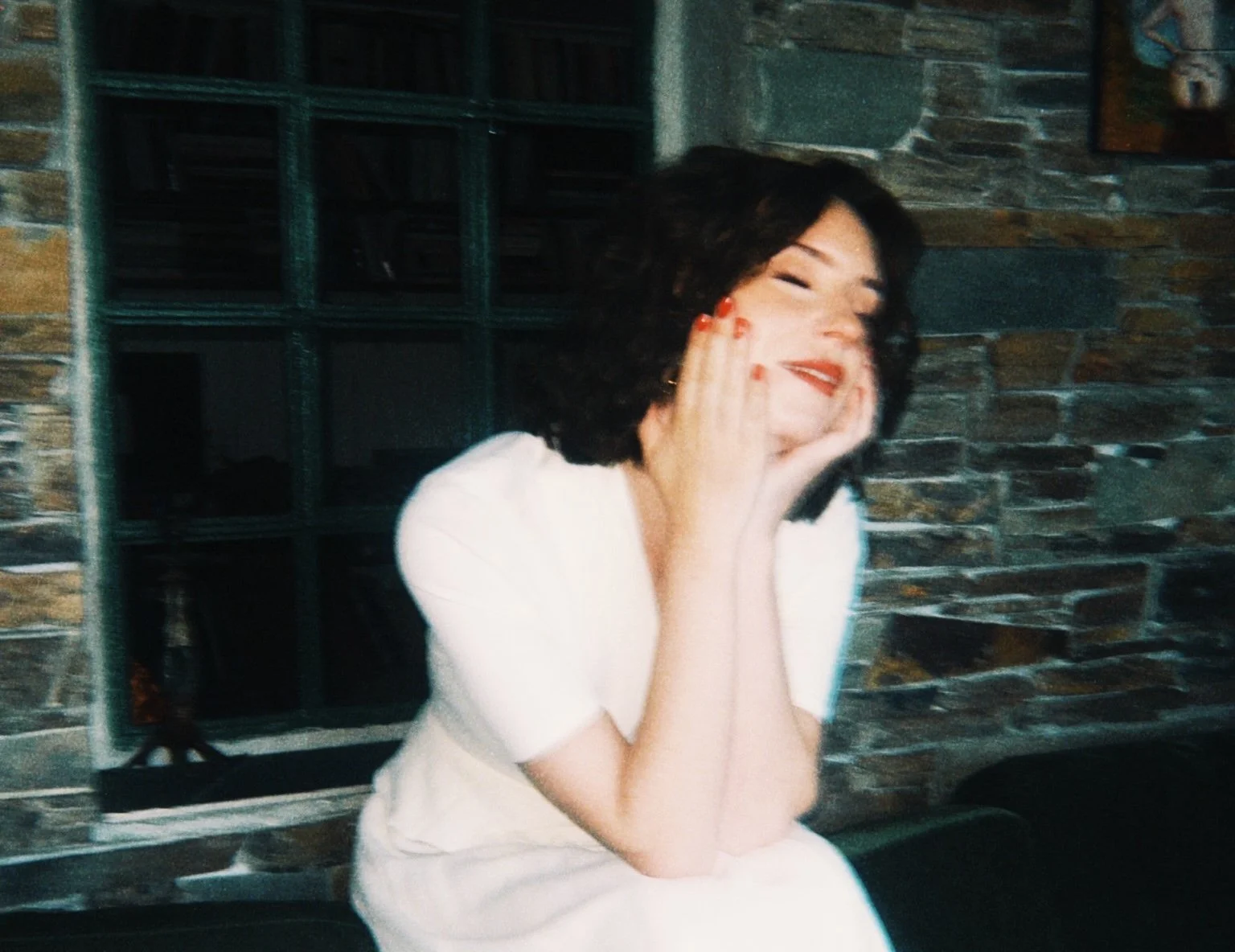
Photo by Mathilde Storm
IT WILL NEVER BE THE RIGHT TIME CONVEYS THE END OF A RELATIONSHIP THROUGH COMPLEX VULNERABILITY—Hannah Storm takes the emotion of moving on after a long chapter of life ends and turns it into a sonically cohesive journey towards acceptance. Through elaborate piano melodies and high-paced drum transitions paired with Storm’s vocal interpretation and lyricism, this album is an entrancing window into her inner world.
Storm is a Norwegian artist that released her first single in 2022. She grew up on classical music, which is one aspect that influenced her artistry. On the other hand, she discovered a passion for jazz at fifteen—it wasn’t until she went to a prestigious Norwegian school when she realized that she could combine those influences with pop. The result is It Will Never Be The Right Time, a compelling project that showcases her strengths as a singer-songwriter.
“Then You Look at Me” begins the project with a romance filled atmosphere, while the lyrics touch upon the internal struggle of knowing when to end a relationship. Starry-eyed vocals portray a desire to give into the love she has for this person, while the switch in tempo hints at a darker outcome looming just out of reach. The constant change between piano and drums doesn't allow the narrator to bask in this feeling of infatuation, rather serving the reminder that “it will never be the right time.”
This misleading romantic atmosphere continues on “Loverboy” and “Taxi” which lean into casual relationships after going through the complexity of this previous relationship. Moving onto “Remember Me,” an acoustic track where the artist bares her heart open surrounding differing lasting impacts, she shows the strength of her emotional reach.
“Black Dog” is a heavier addition to the storytelling as the need for love beyond physical connection becomes apparent. Storm portrays the difficulty of letting go of a relationship that isn’t healthy for your well-being through confessional songwriting and haunting vocals, while an accordion adds dramaticism to the production. She perfectly encapsulates what it feels to put your own self on the backburner while taking care of someone else’s feelings.
“Give You My Mind” shows expansiveness in the sentiment of love it expresses. While it could be applied to one specific person, highlighting the things that we have in common shows the human experience that relies us to one another. She advances vulnerability as the key to accessing this connection. Meanwhile, “Left My Love” seems to be addressed to someone in particular. The sadness and yearning that she articulates with this track make for an emotional ballad.
“Talk About It” picks up the pace with the high-speed rhythm. While the album is vulnerable throughout, this song touches upon the predicament of holding words inside your chest instead of speaking up due to the fear of how they’ll be perceived. The production falls in line with building tension that comes with keeping the truth for yourself. “Special” takes her own advice, and opens up about everything over a piano melody in an intimate conversation.
“Back to You” faces the memories that were left unresolved from a past relationship. The frustration with this lack of moving on comes to a culmination during the song with high notes accompanied by drums, then returning back down at the end. “Stranger” closes the record with tenderness as she wonders about what the life of this person she no longer knows looks like.
Luna caught up with the artist for the release of her debut album It Will Never Be The Right Time, out now.
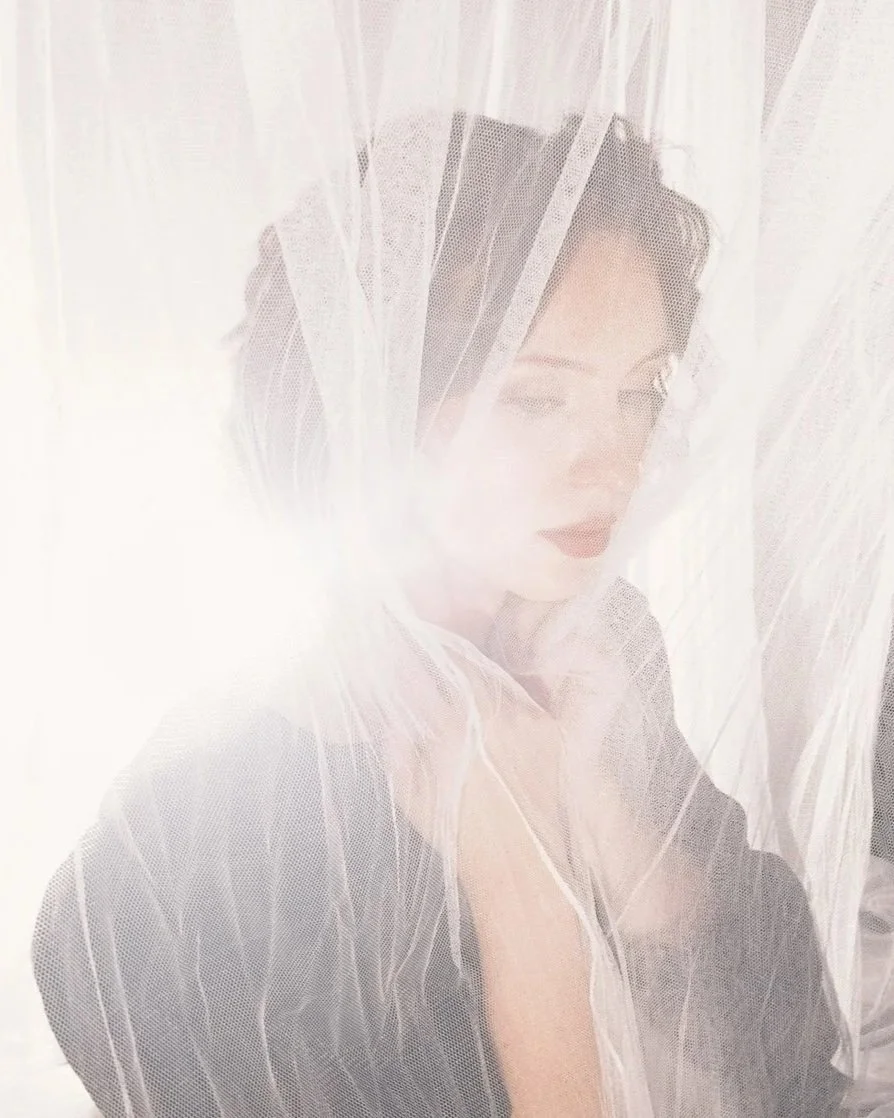
Photo by Mathilde Storm
LUNA: Congratulations on the album! The title is a lyric from the opening track, what did you intend to convey with it?
STORM: I always struggle a bit with titles. I wish I was the type of person who gets into a session and has a title. I think that's such a cool way to write a song, but in general, the title comes at the very end. So obviously, when I was going to find a title for the album, I was like, “What is it going to be like?” Since it's not like a concept album, it was also a bit harder. How do I sum up this whole album?
I wanted it to be something from one of the songs. The first song is one of my favorites. I really have a connection with that one. I have it with every song but that one was something different to me and when I thought of that line, it all made sense. It resonated with so many aspects for me and for this album. The album has been taking such a long time. It’s always that question, “What if I have one more song?” or “Could this be any better?” and you start nitpicking all the time. I'm such an overthinker in every aspect of my life. The title is a sentence I needed to tell myself in terms of the album, it will never be the right time to release it. It will never be the right time in general. It will be the right time but you won't know. You just have to go for it. I like how that title can be interpreted in so many different ways depending on who you are and which situation you are in.
LUNA: How did you decide on the opening track being “Then You Look at Me”?
STORM: I was wondering if it was going to be the first song or the last song. When I made it, I said to the producer that I wanted to make something completely different. I didn’t want to make a traditional chorus on this. I was really on it. I was experimenting with my own head. There's so many people in music I'm influenced by that are in this song. It’s a combination of so many influences, like a piano ballad and then heavy on the chorus. I really, really liked it. I thought it was just going to be a really good ending track, or first track of the album. Since it's a different one, I knew that this probably wouldn't be a single so that’s why in the end, I chose it to be the first track. I really wanted people to hear it. Also, the first sentence in that song is, “I don't want to be the one who tells you how it ends.”
LUNA: In “Loverboy,” you have the lyric, “Searching for another temporary comfort,” which I find so interesting. Could you talk more about it?
STORM: I made that almost three or four years ago. Obviously, it's a reference with the title, “Good Old-Fashioned Lover Boy” by Queen. That was the first draft title and I was like, “No, I can't do that exactly.” We ended up with “Loverboy.” With that theme in general, it's a cheeky song. It's a very common experience. At that point, I wasn't looking for anything serious. I was just enjoying what I know, enjoying my life and me as an individual.
LUNA: Talking about it, what brings you comfort lately?
STORM: Good question! I like to draw. It's been an intense couple of months and I feel like now I can actually relax and go back to finding time to do self care things. I write a lot. I sit with my guitar, and I sit with my piano in my very little apartment. Obviously, a good late night movie with a cup of tea. Some days, I play Hogwarts Legacy on my PlayStation.
LUNA: Gaming is always good. It feels so relaxing.
STORM: I love Minecraft. Life is Strange is such a comfort, such beautiful music as well.
LUNA: There's a lot of jazz elements in the production. Have you always had a connection to the genre? How did you decide that your music would lean more towards jazz?
STORM: I got into old jazz when I was around fifteen. I was doing a lot of classical singing and singer-songwriter stuff. I was listening to jazz a lot, especially in the summer. I love the romantic feeling. I've always been very into old films and like the old era. Around junior year of high school, I started singing jazz as well. I went from the classical musicals at school and the pop aspect of them into jazz. I was at that point extremely into jazz. I was wondering, “Am I going to study it?” I figured that I've never been a school person so studying for four years wasn’t… I wanted to write my own songs and go that way into music so it didn't fit with it.
Some years later, I went to a school called LIMPI, which is Lillehammer Institute of Music Production & Industries. It’s a Norwegian school where you focus on writing songs, working with a producer and maybe another songwriter. You write every day for a year. That really helped me in terms of finding who I am. I wouldn't have been here without having gone through that. I've been writing when I feel like it so lyrics can take months before it’s done. Here, you had to write a song each week, and then two songs each week, and then you automatically write so much. It’s such a good practice with lots of great people. During the second half of the year, you're supposed to try to find your sound.
We were going to write a pitch for another artist, because that was the task that week. This artist has to combine pop and jazz and wrote “Moving On.” After we wrote it, I was like, “Wait a minute. This is exactly what I wanted.” I just hadn't thought that I could do it, that I could combine pop and jazz. It’s when you give advice to someone else and you can't follow it yourself. “Moving On” was the first thing where I was like, “I can combine pop and jazz.” Luckily, that song didn't get picked and I could use it myself. I love so many different kinds of music, both classical and jazz and everything. In this album, it was very important to give the jazzy part of me more space because I am especially influenced by the romanticness of that.
LUNA: Is love the emotion that inspires you the most?
STORM:I think so. It's such a strong feeling. Love can also be platonic. Love is so many different things, but everyone can feel it as strongly. There's many songs I made where it's not necessarily about a romantic relationship, but I put it into a romantic perspective because that's how it feels. It could be a breakup with a friend or something within the family, but it's still the same sort of feeling.
LUNA: Do you have a song on the album that you're really proud of?
STORM: Oh, that's like choosing between your babies. That's so that's actually so hard, because I think every song has an important feeling for me in different ways and that I'm proud of because of different things. “Left My Love” is the oldest song from the album that was written at that school quickly after “Moving On.” It was such an important song for my musical universe. I love them all. I'm very proud of them in different ways. I'm proud of “Then You Look at Me” because I dared to be experimental. Then you have “Black Dog,” which goes everywhere. On “Special,” I was proud of being so open and honest.
“Stranger” which is the only song that's been released from earlier on. It was such an important song for this album to happen. I was in a writer's block, and I felt very lost. I felt like I'd forgotten myself. I was like, “Where should I go?” and I really wanted to make an album. I was in a session with Glen Roberts and I just started crying because I couldn't write without over thinking everything. We had a really good conversation about it. I couldn't understand why I couldn't relax with the most safe people, people I know and have been working with a lot. He said, “Which song is the one song that feels most like you, either if it's released or unreleased?” and I immediately said “Stranger.”
I'm really proud of the lyrics, I think it's spot on how I want to express myself. It came easily to me when I wrote it. Melodically, it has that jazz influence. It has it all. Then it was like, “Okay, let's write a sister to that then.” That was the day my writer's book ended, because I got reminded that this is what I'm good at or embrace what I can do. It’s the melancholic, romantic melodies that come easily to me. It was also the day we started with the album.”Stranger” will always have a really special place in my heart.
LUNA: What do you hope people remember once they finish listening to the album?
STORM: If it brought some sort of comfort or made you feel less alone in a way, whatever you might go through, then mission accomplished. I hope they sit with some good feeling from that.
