
Q&A: Iben Weaves Her Own Alt Folktale in Debut Album ‘HULDER’
INTERVIEW
INTERVIEW
☆ BY FAITH LUEVANOS ☆
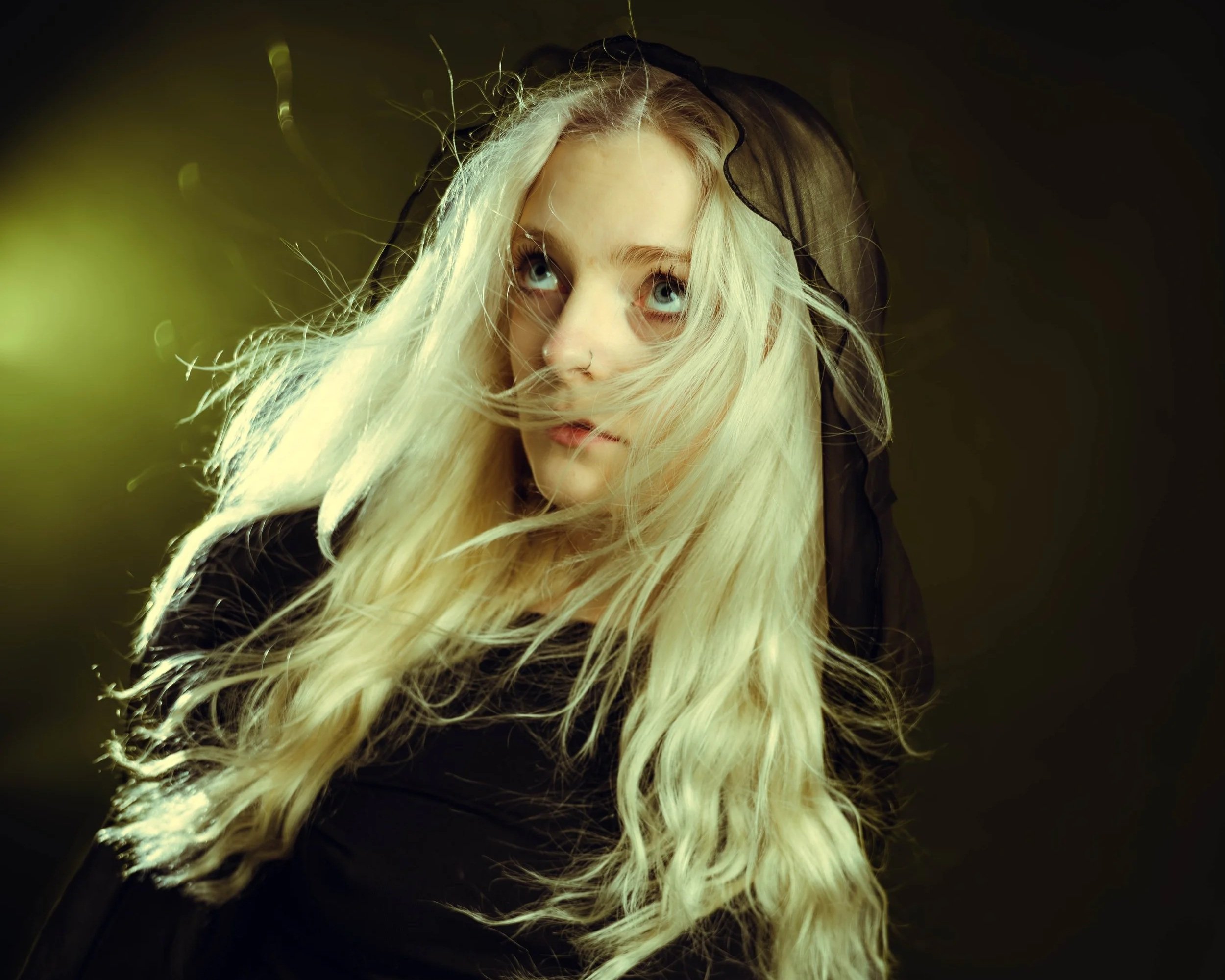
FOLKLORE AND MYTHICAL REALMS COME TO LIFE IN AN ALTERNATIVE SOUNDSCAPE—through Norway-based artist Iben’s debut album, HULDER. Inspired by the Scandinavian myth, a Huldra is a humanoid forest spirit that appears as a beautiful young woman from the front. From behind, she may reveal an animal-like tail, or in other retellings, a back that is hollowed out like a rotting tree trunk. Iben felt deeply connected to the tale, drawn to the ancient roots and the potential for a modern woman’s perspective. Through HULDER, she offers her own interpretation of the myth, translating spoken word into song.
The album opens with “Intro,” a track that establishes the bittersweet softness woven throughout the remainder of the album. Gentle guitar chords introduce the voice of Iben as a child, singing a children’s song about trolls. This is the siren song of the album. It feels like a trance, asking you to come closer, teetering on the edge of the storybook, waiting for you to fall in.
As HULDER transforms into a dark alternative soundscape, each track retains an airy quality, which stems from the dreamlike vocals of Iben. Each line feels like a delicate whisper, yet there is an undeniable strength behind it. The album feels like it belongs around a fire in the middle of distant woods, somewhere so far removed from reality that time seems to disappear. HULDER is the solace found in that fire, its warmth and mystery pulling you in closer each time.
Luna sat down with Iben to discuss the making of HULDER, her inclination towards the Huldra myth, the album’s visual landscape and more. Read the full interview below.
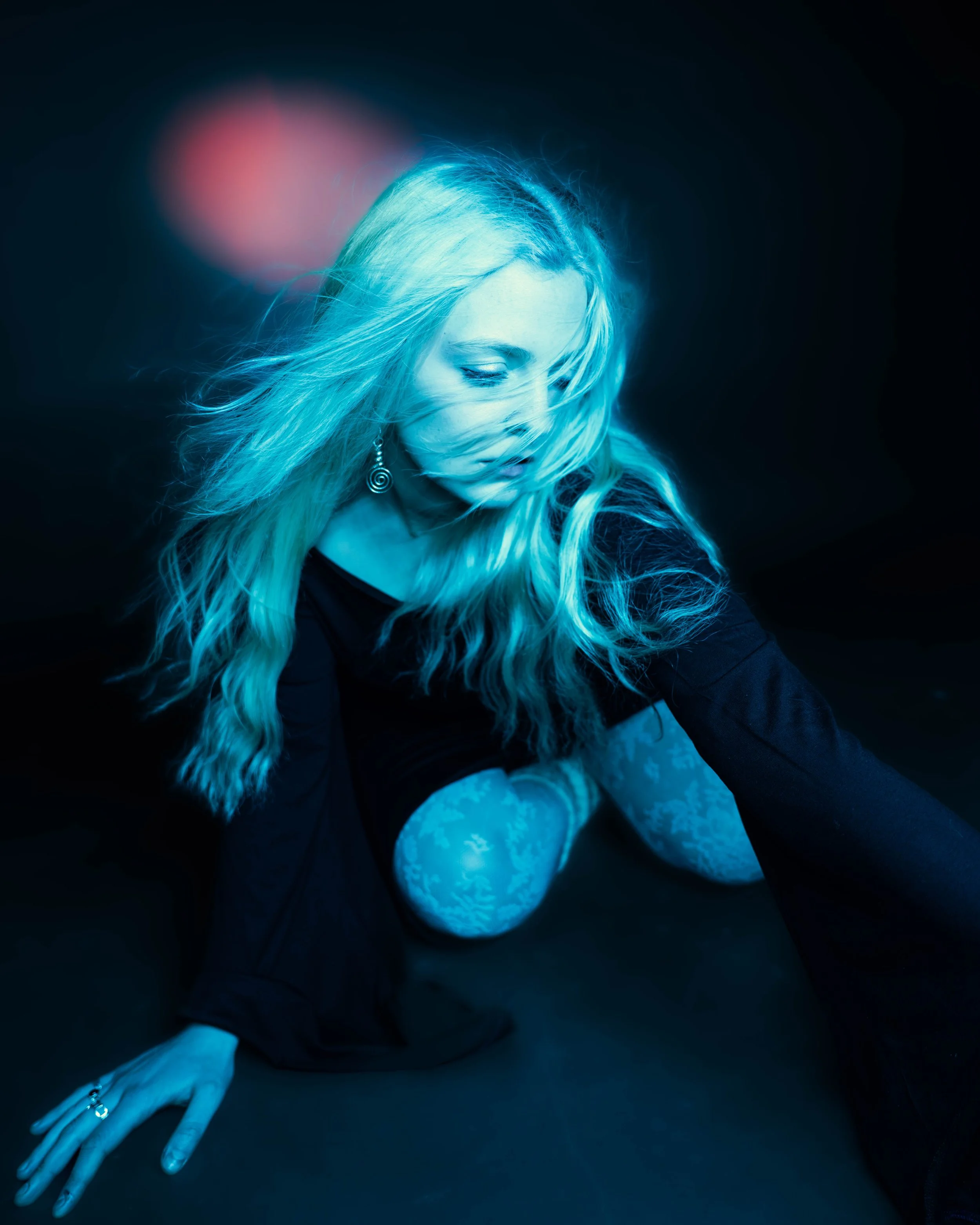
LUNA: Congratulations on your debut album! Can you share how the Hulder myth inspired you?
IBEN: Thank you very much! I have always been drawn to characters that are natural outcasts and felt the need to understand them. The myth of Huldra is no different. Being a woman, I also felt another level of connection to the story and wanted to explore how this creature could be interpreted differently through a modern lens.
LUNA: "Intro" is a very mystical-sounding song that sounds both eerie and inviting. How does this song introduce the remainder of the album in your eyes?
IBEN: This interlude is intended to set the scene of a mystical, fantasy realm, until the eerie sounds and voice draw you back into reality. The voice is from a clip of myself as a child, singing a children’s song about trolls. In my eyes, we start at a place of innocence, while the rest of the themes throughout the album force us to grow up.
LUNA: When you think of the visual landscape for the album, what do you envision?
IBEN: Naturally, I lean towards Nordic and gothic scenery. I’ve envisioned a story that could play out in both modern-day, lonely Scandinavian suburbs, as well as the old, secluded village surrounded by mountains. It comes from this idea that we are not so different from our ancestors, and that history repeats itself. We could all be characters from a fairytale in some shape or form, we just have different clothes now and new ways of life.
LUNA: From Norwegian folk elements to darker alt sounds, did it feel natural to blend many different genres together?
IBEN: Yes. I don’t think I have the patience to stick to just one genre. Each track kind of lives in its own little sphere, and it would be a shame to try and shove everything into the same universe when they belong elsewhere. I want every song to unlock its full potential, without being restricted by this or that sound. Maybe that could be a challenge for a different project.
LUNA: What's your favorite song on the album and why?
IBEN: I think “Dead End” is my favorite. It’s loud and cinematic, and feels kind of nostalgic to me. It reminds me of the music I grew up on and that I still love today.
LUNA: Where were most of the songs written? Also, where do you feel the most creative?
IBEN: Most of the songs were actually written at my mom’s house. I lived with her for a little while last year and became very inspired by my hometown. It took me back to when I first started writing as a kid, and the simplicities of putting my thoughts into a piece of music. Instead of feeling pressured to make something that would be applauded in the studio, I was just writing by myself, for myself. It was very freeing! Some of the tracks, however, were written in the studio with my co-producer Trond Getaz. He is probably the only collaborator I’ve had where it almost doesn’t feel like someone else is in the room with me. I think it comes from his way of making the room a judgement-free zone, which in turn makes for some really cool songs.
LUNA: Was there a song that almost didn't make it on the album?
IBEN: Fun fact, Trond and I wrote the ending track “Askeladden” on top of another Norwegian artist’s guitar riff. We couldn’t get it cleared, and thought of scrapping the whole song. Instead, we just wrote something else to go with the melody.
LUNA: The album ends with "Askeladden." Can you share what this title translates to and how it serves as the closing of the album?
IBEN: “Askeladden” roughly translates to “Ash lad”, and is the protagonist in almost every Norwegian folk tale. He is the youngest of three brothers, a quick-witted and adventurous boy who always saves the day by outsmarting his enemies. It is the only true love song off the album, and works as an ode to the love that saves us. Love doesn’t have to be hard, and it will find you even when you think you don’t deserve it.
LUNA: Is there anything else you'd like to share with our readers and your fans?
IBEN: If you ever have the chance, come see me perform! These tracks gain a whole new life when I play them live with my band. Definitely heavier and noisier. Our next gig is at John Dee in Oslo, August 21st. Then we will be playing VillVillVest festival in Bergen in November. Hopefully, I’ll be able to travel outside of Norway with my music soon. Follow me on social media to stay tuned!
