
Q&A: Ideas By Ab Embraces the Beauty of Imperfection in ‘Fin Thread’
INTERVIEW
INTERVIEW
☆ BY SHEVON GREENE ☆
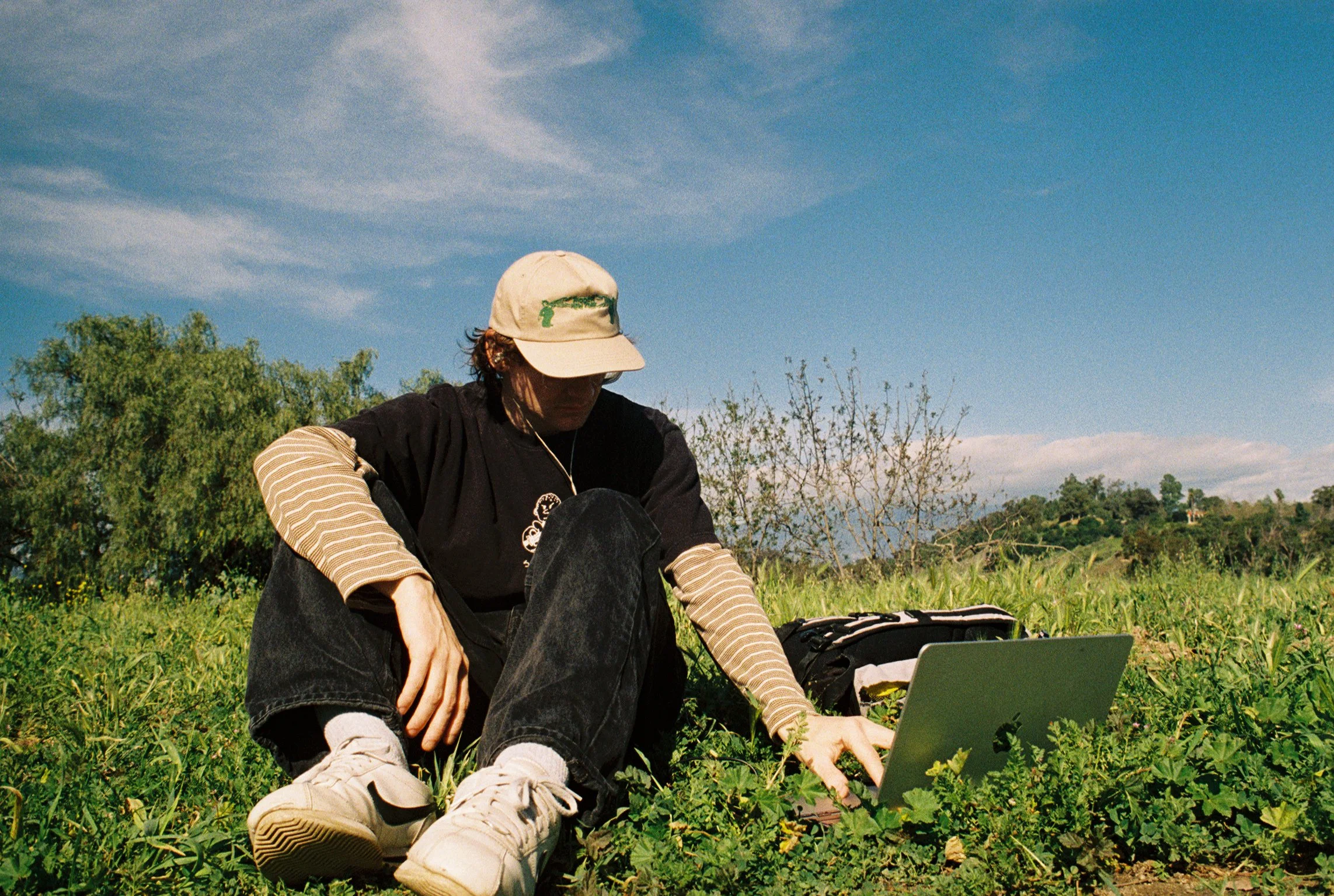
FOR EVERY ARTIST WHO RELEASES MUSIC—there are probably ten more sitting on songs nobody will ever hear. That’s something Minnesota artist Ideas By Ab thinks about often.
On his latest single “Fin Thread,” Ideas By Ab explores the confusing and exhausting cycle of second-guessing yourself and becoming trapped within your own thoughts. Although the song’s lyrics are weaved with heavier subject matter, its shimmering piano melodies, chopped vocals and upbeat production create a perfect balance.
That very balance is reflective of Ideas By Ab’s broader philosophy as an artist. While plenty of artists strive for perfection, he’s more interested in the results of letting go of perfectionism.
Raised in Minnesota and shaped by everything from singer-songwriter traditions to hip-hop and electronic music, Ideas By Ab always finds himself in a space between organic and experimental production. His songs usually begin at an upright piano before being pulled apart, sampled and rebuilt into something brand new.
We chatted with Ideas By Ab to talk about “Fin Thread,” creative risk-taking, social media burnout and why sometimes the hardest part of making art is simply deciding to share it. Keep reading for more.
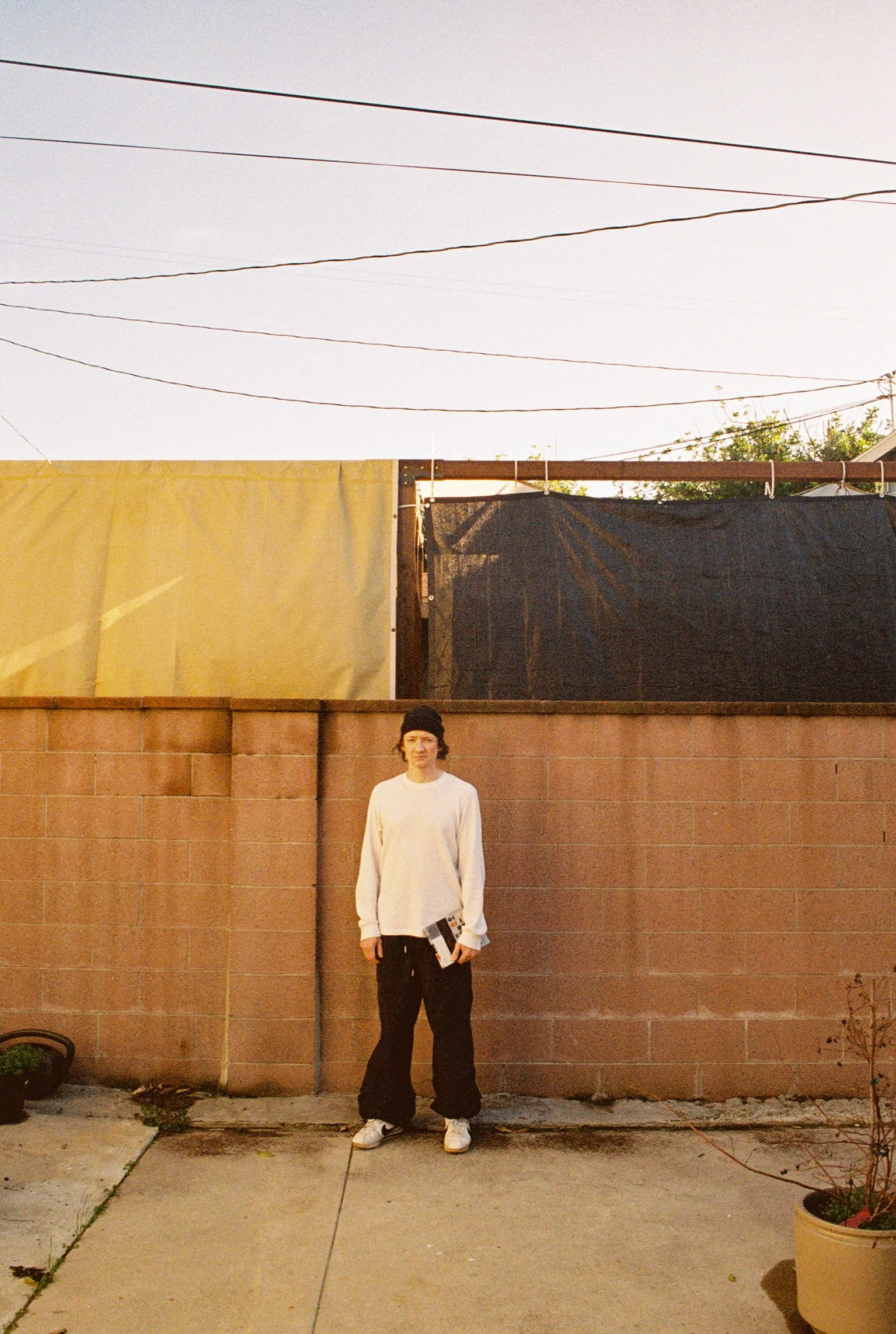
LUNA: I love that “Fin Thread” is about battling your inner thoughts and second-guessing yourself; it’s something a lot of people can relate to. Was there a specific moment or experience that sparked the song, or is it more of a feeling that's built up over time?
IDEAS BY AB: I just sit down and think about what I need to hear sometimes. It's kind of talking to myself a little bit. Battling anxiety, you can listen to a track afterward and feel like, "That person understands me." With myself, it's even truer sometimes. I write stuff where I just need to hear it out loud, to remind myself it's okay. Even though it's me, I'm like, "This guy understands what I'm going through." It helps me get it out of my head so I'm not overthinking or tripping about it as much. I still do sometimes, obviously, but it helps.
LUNA: I love what you said about hearing artists and feeling understood. Writing the music yourself almost feels like a form of self-therapy too. Everybody processes emotions differently, and music is such a powerful way to do that. I also really liked how, on the surface, the song feels sonically upbeat. But when you actually sit with the lyrics, it's dealing with much heavier themes. How do you approach that contrast? Is that intentional, or does it happen naturally?
IDEAS BY AB: I don't really think about it that much. Usually it's just whatever I was dealing with emotionally that day. If I pull up a beat and start writing, I'm not really thinking about matching energies. I've had songs in the past that sound really happy—major chords, melodic stuff—but I'm talking about anxiety or heavier topics. I just like how those sounds feel sonically. It's usually less about intention and more about what I was feeling that day. I don't really sit there and think, "This song sounds sad, so I should write something sad." It's more like, I pull up the beat, start singing and then build around whatever comes out.
LUNA: That's where some of the best music comes from. You're not forcing yourself into a box or deciding that the production and lyrics have to match in a certain way.
IDEAS BY AB: Yeah. Sometimes when those things naturally line up—when a hopeful guitar part meets hopeful lyrics—it connects more. But honestly, I've been writing my whole life, and I finally have a place where I can put things out. It's mostly therapeutic for me. Then people started connecting with it too, which was cool.
LUNA: That's awesome. I wanted to ask more about your production process. When you're starting a song, where does it usually begin? Piano? Guitar? Production?
IDEAS BY AB: With this one, I started by chopping up some vocals. I originally came from singer-songwriter stuff. I have this upright piano I've had since I was a kid. Somehow it made it all the way from my parents' house to my place. I'd sit down and write songs on that, record little videos and extract the audio. People would tell me they liked the acoustic stuff. Then one day I chopped it up because I love resampling. I'm a beat head. I love hip-hop, trap, all that kind of stuff. I wanted to combine those worlds. So I'd start making loops and beats and then bring in instruments like guitar or piano, something familiar. If I only put out vocal chops and weird synths, it might alienate some people. But when you bring back an instrument people have heard their whole lives, it gives them something to hold onto. Then you can add all the weird stuff around it, and it still feels approachable because it's tied back to something familiar.
LUNA: I wanted to ask about your philosophy around imperfections. You talk a lot about embracing imperfections instead of chasing sterile perfection. Was there a moment where you had to let go of perfectionism as an artist?
IDEAS BY AB: I think it comes from seeing so many incredible musicians, especially in Minnesota, who never release anything. They're amazing players. They make incredible music. But they're afraid. They have peers who are really good, or people telling them, "You should add this" or "You should change that." The reality is, a song is never truly finished. Sometimes you just have to take that step and be okay with the idea only being an idea at first. Most listeners don't hear all the tiny things musicians obsess over anyway. You've got to start somewhere.
Not everybody has a team or label or some perfect rollout waiting for them. Some people get launched with a whole infrastructure behind them. Most people don't. So if you're starting from scratch, you have to be willing to put imperfect work into the world. People aren't going to remember the awkward TikTok that got one like two years ago. They're going to remember the songs that connected.
LUNA: Do you ever have a hard time letting a song out into the universe for others to hear?
IDEAS BY AB: Maybe on the mixing side. I'll get four or five mixes deep and eventually just be like, "This is what they're getting." If someone gave me unlimited money and a month in a studio with great musicians, maybe I'd get more obsessive. But people move on so quickly. The shelf life of music is shorter than ever. Just share it. If I like it, someone else is probably going to like it too. Someone will hear it at exactly the right moment and think, "I needed this."
People are just way too hard on themselves and the content side makes it worse. You're constantly posting things and wondering if they're good enough. A week later people have already forgotten about the video anyway. A lot of times those posts aren't even going to your followers. Instagram barely shows posts to followers anymore. Unless something takes off, it's only going to a fraction of your audience. Back in the day, if someone followed you, they actually saw your stuff. Now platforms are constantly trying to push new content to people. It's just a completely different ecosystem.
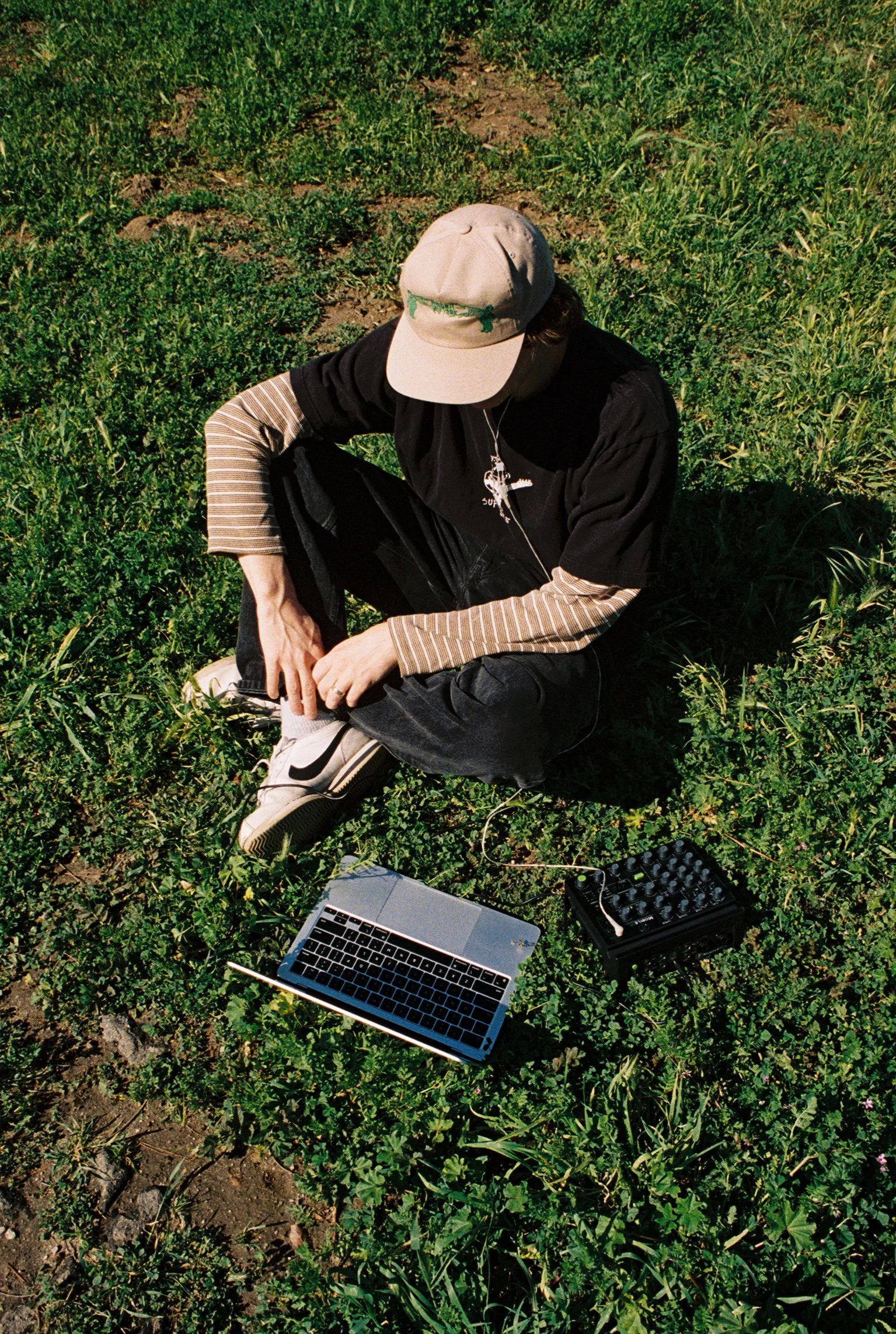
LUNA: That actually leads into another question I had. Social media is obviously an incredible tool, but it's also a terrible place for comparison. Has your relationship with social media changed as your audience has grown?
IDEAS BY AB: I've never really liked it that much, honestly, but it is what it is. At the same time, it is cool knowing I can post a video and potentially reach 250 new people. If you post three times a day and six people end up following you or saving a song, that's actually pretty significant. Compared to showing up to a gig, spending eight hours preparing, playing for ten people and maybe getting two Spotify saves, it can be pretty efficient. I have a ton of respect for gigging musicians because that's still incredibly valuable. But social media lets you reach people in a way that just wasn't possible before.
That said, I think social media is pretty evil. It's so easy to get caught comparing yourself to everyone else and wondering why something is taking off for someone else when you spent all this time on your own thing. So honestly, I just post and leave. I have my notifications turned off. I'll upload something, close the app and maybe come back four hours later. Then I'll already have another video prepared and just repeat the process.
LUNA: That's probably the healthiest way to approach it.
IDEAS BY AB: I spent months building this live performance setup with piano and visuals and all this stuff. Then I posted a random trial reel, and "Treat You Right" ended up taking off. I wasn't even trying. I'd already shared the song months before and got some positive feedback, but it wasn't doing anything crazy. Then all of a sudden, right before I was about to roll out this other thing, it exploded.
LUNA: That's the thing. You never know what's going to connect. There's no way to predict it. What's the biggest creative risk you've taken recently that ended up paying off?
IDEAS BY AB: Honestly, I feel like all my music is a creative risk. I do a lot of things people tell you not to do. People will say, "You can't run a vocal through that" or "That's a guitar pedal, it's not meant for vocals." And I'm just like, "Well, it's an effect."
A lot of my drums are distorted. A lot of the sounds aren't technically supposed to work together. When I put out "Restless," I genuinely thought it was too weird. The vocals were doing a lot. Everything felt kind of chaotic. I held onto that song for five months because I wasn't sure about it. Then eventually I was like, "We're just going to put it out." And for the first time, I started getting comments from people saying, "I really like this one. Keep going."
LUNA: That's awesome. And honestly, that's probably a good reminder that the things you're most nervous about are sometimes the things people connect with most.
IDEAS BY AB: Exactly. There are literally no rules. You can do whatever you want. As long as there's a beginning and an end, that's a song.
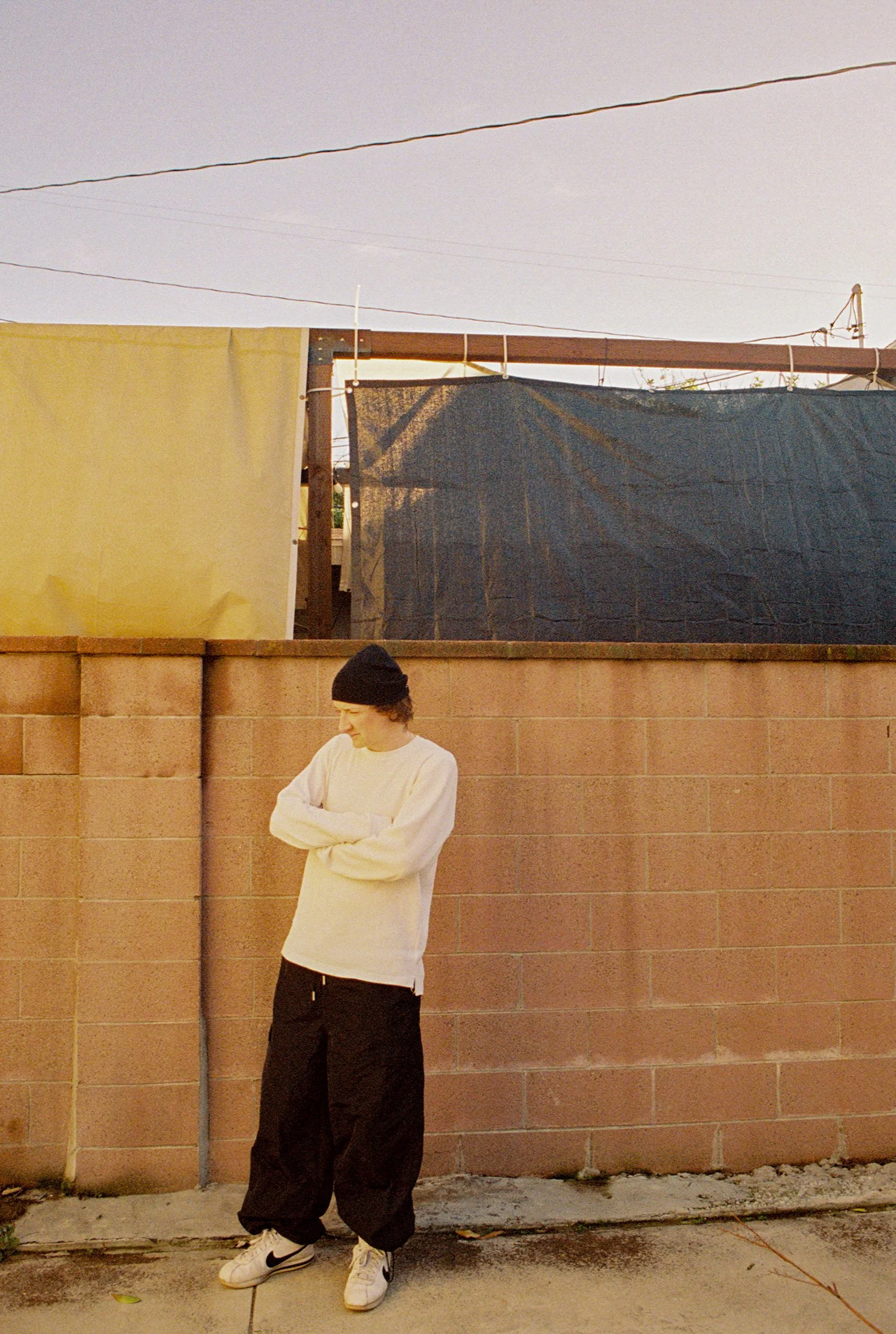
LUNA: Do you think growing up in Minnesota shaped the way you approach creativity or music-making?
IDEAS BY AB: Yeah, definitely to some extent. I actually lived in LA for about four years. I moved out there when I was nineteen to study audio engineering because I thought it would help me get into studios and meet people. Eventually I moved back because of some health stuff. Then I met my wife, found a job here, got closer to family and stayed.
Minnesota has this really healthy balance. You're inside all winter because it's freezing, and then summer comes and everybody wants to get outside and do things (laughs). My dad was a huge live music guy. Classic rock, concerts, all that. So I grew up around that. I think Minnesota is unique because we have incredible live bands, but we also have a deep appreciation for hip-hop and electronic music. There isn't one dominant sound. Obviously people talk about the Minneapolis Sound and Prince, but beyond that, I think we're just a hub for really talented musicians.
LUNA: Do you have any favorite local artists right now?
IDEAS BY AB: I love Beemer. My buddy Christian Music is incredible. There's also Zak Khan [Young Dervish]. He's a really great guitar player. I've been slowly getting more involved in the local scene.
LUNA: You recently finished a run of shows supporting Chet Faker. What was the biggest thing you took away from that experience?
IDEAS BY AB: It was such a cool experience. The biggest takeaway was probably how I want to approach the live side of things moving forward. I liked my live set. I felt good about it and I thought the performances went well. But seeing how much freedom [Chet Faker] had on stage made me realize where I want to go next.
When you're running backing tracks, sometimes you're locked into a structure. You might have two and a half minutes where you're committed to exactly what's happening, and there's not much room to branch out or do something unexpected. He was helping me understand some MIDI syncing and technical setup stuff, which opens up a lot more possibilities. When everything is communicating properly, you can take a solo, extend a section, do something spontaneous. You have more freedom. I think seeing that made me realize that's what I want. That's the direction I want to keep moving in.
LUNA: Yeah, definitely. It sounds like it gave you a glimpse into what the next version of your live show could look like.
IDEAS BY AB: Exactly. It was a really good reminder of why I wanted to do this in the first place.
LUNA: Once "Fin Thread" comes out, what are your plans after that? Anything listeners can look forward to?
IDEAS BY AB: I have another track coming out in July. Other than that, I've just been recording a lot. I've been working with those beat pads—the KO pads—and I got this new piece of gear they released called the Sidekick. It's basically a mixer that sits between them, so you can sample, perform, and DJ at the same time. I've been practicing with that for the last couple weeks.
I'm really excited to start putting together more content around the live performance side of things and figuring out what that can become. Beyond that, I just want to keep sharing music. I don't really have some massive master plan. I think if I keep showing up, keep putting my art into it and keep being genuine, people will connect with that. I have a great family, great friends, a lot of good things in my life. What really makes me happy is creating. It's cool when people listen and connect with it. It's cool if opportunities come from it. But at the end of the day, I just love making things. So I'm going to keep creating, keep pushing boundaries, keep collaborating with fun people and keep meeting cool people.
