
Q&A: John The Blind and the Beauty of an Unfixed Moment
INTERVIEW
INTERVIEW
☆ BY DANY MIRELES ☆
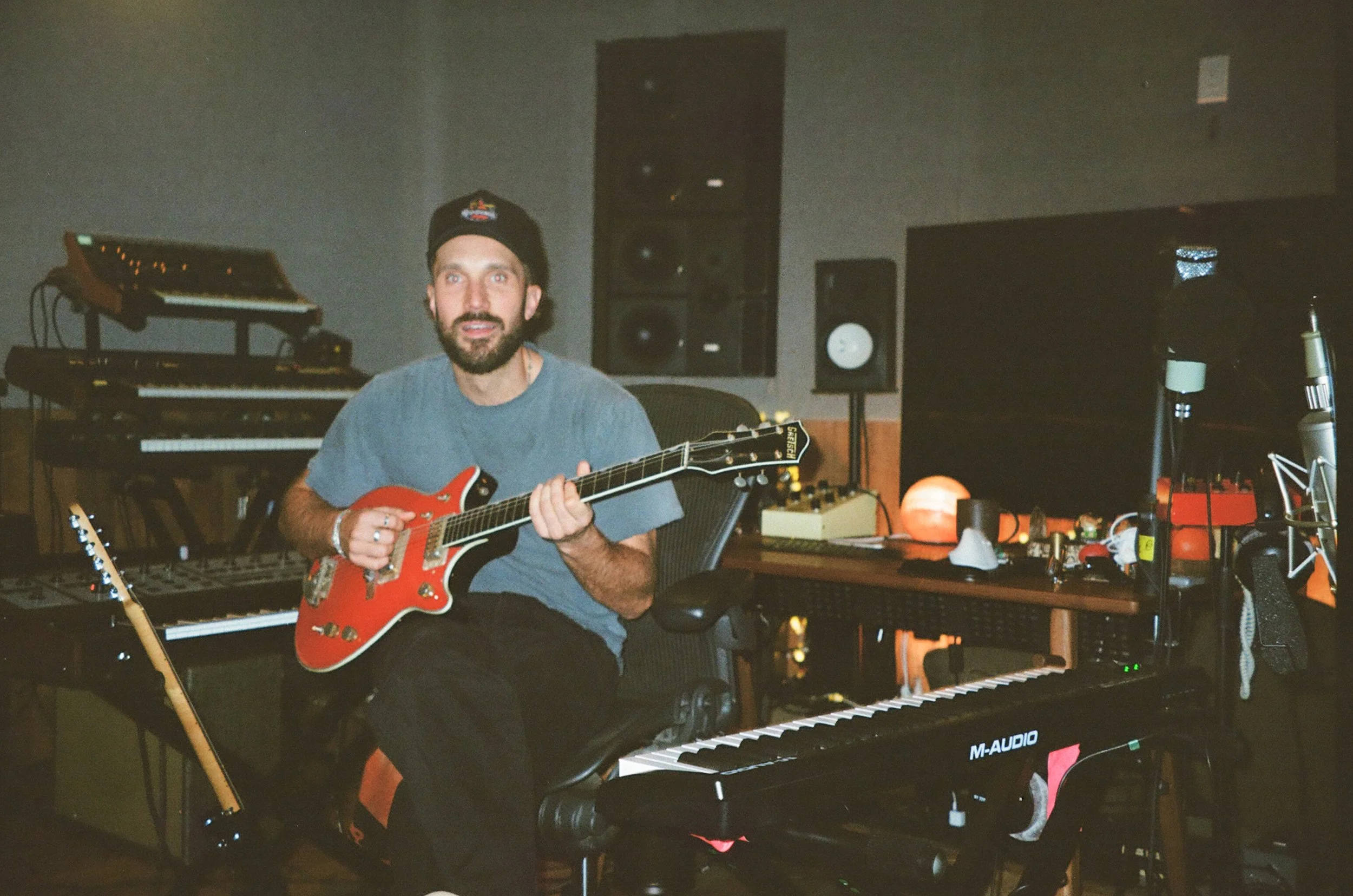
WITH INDICATOR, JOHN THE BLIND DELIVERS AN INNOVATIVE BODY OF WORK—less of a traditional EP and more of a captured state of mind. Written over the course of a year, the project records late nights, creative reflections and moments of inspiration. What began as isolated songs eventually revealed themes of self-questioning, romance and the tension between wanting to stay and having to let go, proving emotionally intertwined.
Known primarily as a producer shaping other artists’ sounds, John the Blind, otherwise known as John Ryan, steps forward here as a songwriter and performer, choosing restraint over polish and vulnerability over perfection. Live instrumentation replaces programmed precision; vocals sit exposed. The results are a cohesive, deeply human record that feels like a long dialogue unfolding in real time.
In conversation with LUNA, John the Blind describes Indicator as something that formed almost by accident. Read below to learn about the project’s serendipitous coalescence and how he avoided overproducing tracks.
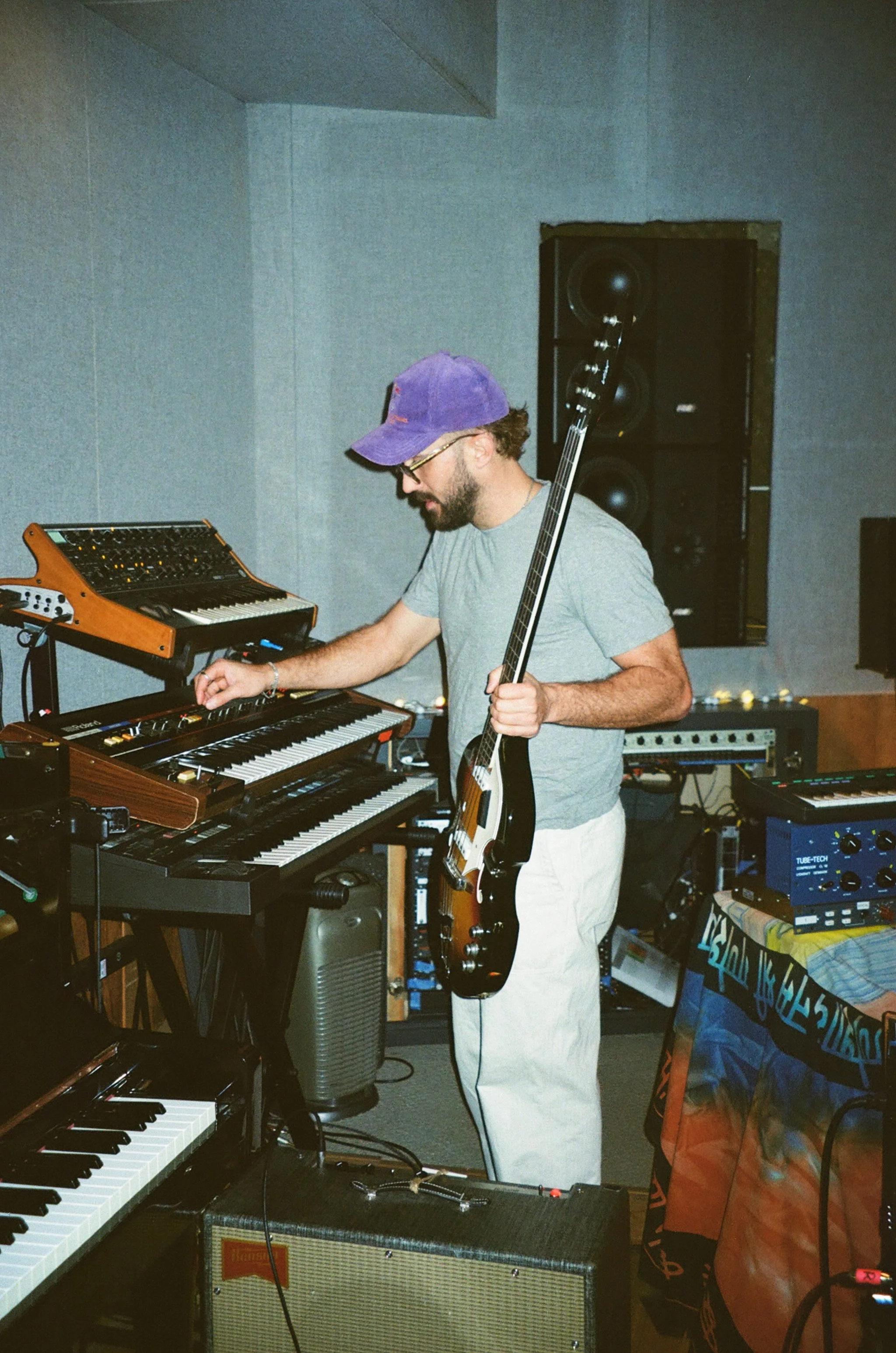
LUNA: Indicator is a concise six-track project, but it feels very complete. How did you decide what belonged on the EP and what didn’t? Was there a clear emotional or sonic filter guiding those choices?
RYAN: As John the Blind, I’ve released several projects over the years, including one during COVID that came together in a quick burst. I wrote 10 or 12 songs in just a few days. The Indicator EP was the opposite. About a year or more ago, I wrote one song late at night without any real plan for it, just knowing it felt special. Over the next 12 to 18 months, while staying busy as a writer and producer, I found small windows, late nights, and weekends where inspiration would strike, and I’d write another.
Eventually, I had five songs that felt deeply inspired, and I thought it would be a travesty if no one ever heard them. Then in October, I wrote a sixth song, the second track on the EP, and fell in love with it. That’s when it clicked: six songs felt like an EP. I decided to release it at the start of 2026 to finally share them, especially since every time I entered that creative space, I was tapping into the same emotion; they all clearly belonged to the same project.
LUNA: Because you wrote and produced everything yourself, the EP feels very cohesive, almost like one long thought unfolding. Did you approach Indicator as a collection of individual songs or as a single narrative from the start?
RYAN: I realized it almost by accident. I wrote “Indicator,” then songs like “Horses on a Stick” and “Still There,” and while creating them, I kept thinking each one felt different, different lyrics, different vibe, different energy from the last. But when I listened back to everything later that summer and fall, I suddenly heard how connected they really were. They were all living in the same headspace, like one big ongoing thought. The songs circle questioning myself, questioning a relationship, wondering if it’s going to work, wanting to dive back in, then hesitating and thinking maybe we should step away, it’s that constant romantic teetering. Even if they felt separate while I was writing them, together they tell one emotional story.
LUNA: The production across the EP is rich but never overcrowded. Were there specific sounds, instruments, or textures that became the “spine” of the project as it took shape?
RYAN: While making these newer songs, I found myself gravitating toward fully live instrumentation. Some of my past work leaned more toward the synthetic, with programmed drums and layered synths, but this time I kept asking myself: what can I do that no one else can? I can play keys, drums and guitar, and I can write and sing, so I wanted to lean into that. I focused on capturing full, uninterrupted takes: a complete three-minute guitar pass, a live drum performance, a piano jam from start to finish. Even if there were a few wrong notes, I chose to keep them. In the past, my more perfectionist tendencies might have pushed me to fix every tiny detail, but this time I practiced restraint. I left the imperfections in on purpose, allowing the songs to feel organic, raw and unmistakably human.
LUNA: Vocally, there’s an intimacy to the performances that feels intentional. How did you approach recording your voice differently for this EP compared to working with other artists?
RYAN: Great question. For a long time, doubling or tripling my vocals has been a bit of a safety blanket—both in my own artist projects and when working with other artists. If something doesn’t sound quite right, my instinct is to stack harmonies, add reverb, layer it up, and polish it until it feels “safe.” But with these songs, I approached it differently. I intentionally left things rough; there’s even a wrong note in one of the vocals that I kept. I used fewer plug-ins, less reverb, fewer layers overall. That’s scary, because it means your voice is just there, completely exposed, with nothing sugarcoating it. I’ve worked with singers who naturally have those flawless, effortless voices that can carry that kind of rawness without hesitation. Sometimes I can do that too, depending on the song. Other times, if I feel insecure about how my voice sounds, I’ll instinctively stack it, blend it, and tuck it into the production so it doesn’t sit so starkly at the front. So it really depends on the song, but with this project, I made a conscious choice to let my voice be more vulnerable and present.
LUNA: As the sole decision-maker on Indicator, how did you know when a song was finished? Was there a moment you had to stop yourself from tweaking endlessly?
RYAN: Once I create something, I become really sensitive about going back and adding to it later. If I revisit a song six days or six weeks after writing it, I start worrying that I’ll ruin what I captured in that original moment of inspiration. For me, there’s something sacred about finishing a song in the vacuum of the day it was born, holding onto the emotion exactly as it felt then. Of course, I might make small adjustments later, like turning the bass up slightly or adding a subtle texture here and there, but it’s always minimal. I try to keep the core untouched. As the release approached, I definitely had moments of doubt; wondering if a song was too minimal or if my voice felt too exposed, and whether I should add more layers. But I had to take a breath and remind myself that these songs were finished the day I made them. They are the way they’re meant to be—not over-fixing them, not polishing away their edges. That’s ultimately what makes them stronger. The vision I had in that first moment is the truest version of the songs, and I chose to trust that.
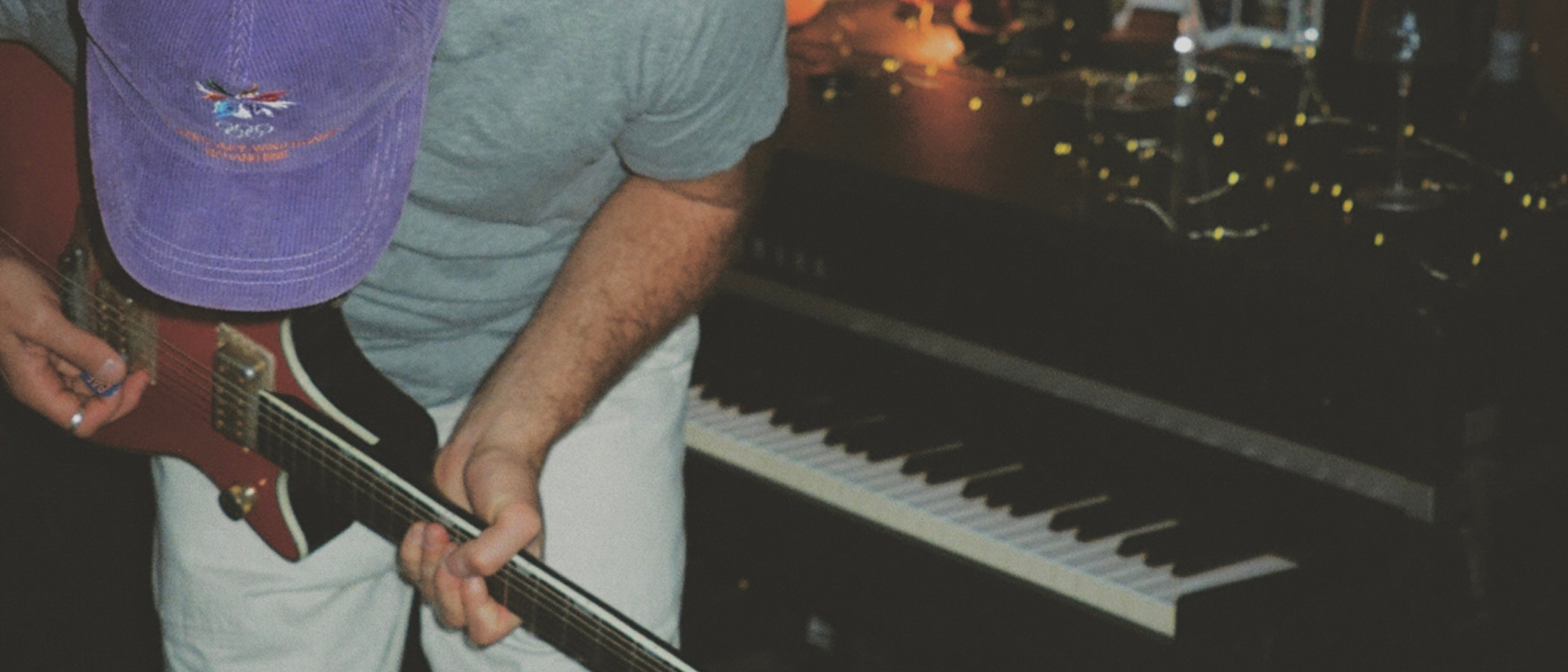
LUNA; Lyrically, the EP feels observant rather than declarative; more about noticing than announcing. What themes or questions kept resurfacing as you wrote these songs?
RYAN: The EP is really a combination of questions directed at the people these songs are about and at myself. It’s not just one person, but a few different people, situations, and romantic and non-romantic dynamics that unfolded over the past year or more. What ties them together is this sense of fragility, how something can look so perfect on the surface and then shift so quickly. This time, I approached it from a more observant lens, almost stepping outside myself and asking, "What is actually going on here? There’s this constant internal dialogue, questioning why I tend to make things more complicated than they might need to be, and at the same time, wondering why love, which can be simple in theory, so often feels hard in practice. It’s that tension—the confusion, the overthinking, the emotional whiplash—that really sits at the heart of these songs.
LUNA: Because you also mixed the EP yourself, how close do you feel to these songs now that they’re finished? Does hearing them back feel personal, exposed or strangely distant?
RYAN: They’re deeply personal to me, but I also genuinely love listening to them. The process felt like collaborating, except this time, I was collaborating with myself. Inspiration would just drop in and I’d almost black out creatively, playing drums, singing melodies, writing lyrics without fully knowing where it was coming from. It felt like catching something from the universe in real time.
Now that the EP is out, it feels surreal. Before, those songs only existed in my head; I was the only one who knew them. Listening back now, it’s wild to think I made this. I don’t even fully understand how it came together. They feel slightly removed from me now that other people can hear them, but emotionally and lyrically, they’re still very personal. I’m always creating, and I knew if I didn’t release these when I did, they’d just sit on my laptop while I moved on to the next thing. That didn’t feel right.
LUNA: Since the EP leans into alternative and indie-pop textures, were there any sonic references or moods you kept returning to while shaping the sound, or did you avoid references altogether?
RYAN: There were definitely a lot of references behind these songs. Each track pulls from different things I was listening to at the time. I’m actually thinking about putting together a little inspiration playlist to share. A big one was 70s rock, especially Bob Dylan’s song “Tonight I'll Be Staying Here with You.” There’s a live version that just rocks so hard, with multiple guitars, Wurlitzer, organ, drums, pedal steel, everything just going for it. When I started making “Indicator,” I had that on repeat and thought, when was the last time I just let four different guitars jam for three minutes straight? No one is playing the same thing, just a free-for-all. I was jamming on keys, Wurlitzer, drums, letting it feel loose and alive.
At the same time, I was listening to Mac DeMarco, Cigarettes After Sex, plus everything that’s always shaped me. Radiohead, The Beatles, even hip-hop. All those influences I grew up with are ingrained in me, so whenever I make John the Blind music, those indie rock textures and moods naturally surface. They’re not intentional imitations; it’s just the DNA of what I’ve always loved coming through.
LUNA: Looking back on the finished EP, what do you feel Indicator reveals about you as an artist that your work behind the scenes never fully showed?
RYAN: I think this project really highlights the range and depth of what I do musically. A lot of the work I’m involved in leans more synthetic. I’m programming drums, playing synths, and building things inside the computer. But this EP was different. It’s rooted in live instruments, tracked in a much more organic way, which isn’t always possible depending on the project. That shift alone reveals another side of me.
It also showcases something people don’t always expect: that I’m a songwriter. Because I’m often seen as the producer, the person running the session and shaping the sound, some assume I focus mainly on instrumentation and technical elements. But I write lyrics, melodies, and I sing, too. A lot of artists I work with don’t initially realize that. So in a way, this EP is me saying, I can do this as well. If someone wants help crafting a song, melody, lyrics, or structure, I’m there for that, not just the production. It’s about showing that I’m not only building the track, I’m also building the song.
