
Q&A: Lilly Gitlitz Traces Lingering Memories on ‘The Past Is Breathing Now’
INTERVIEW
INTERVIEW
☆ BY SHEVON GREENE ☆
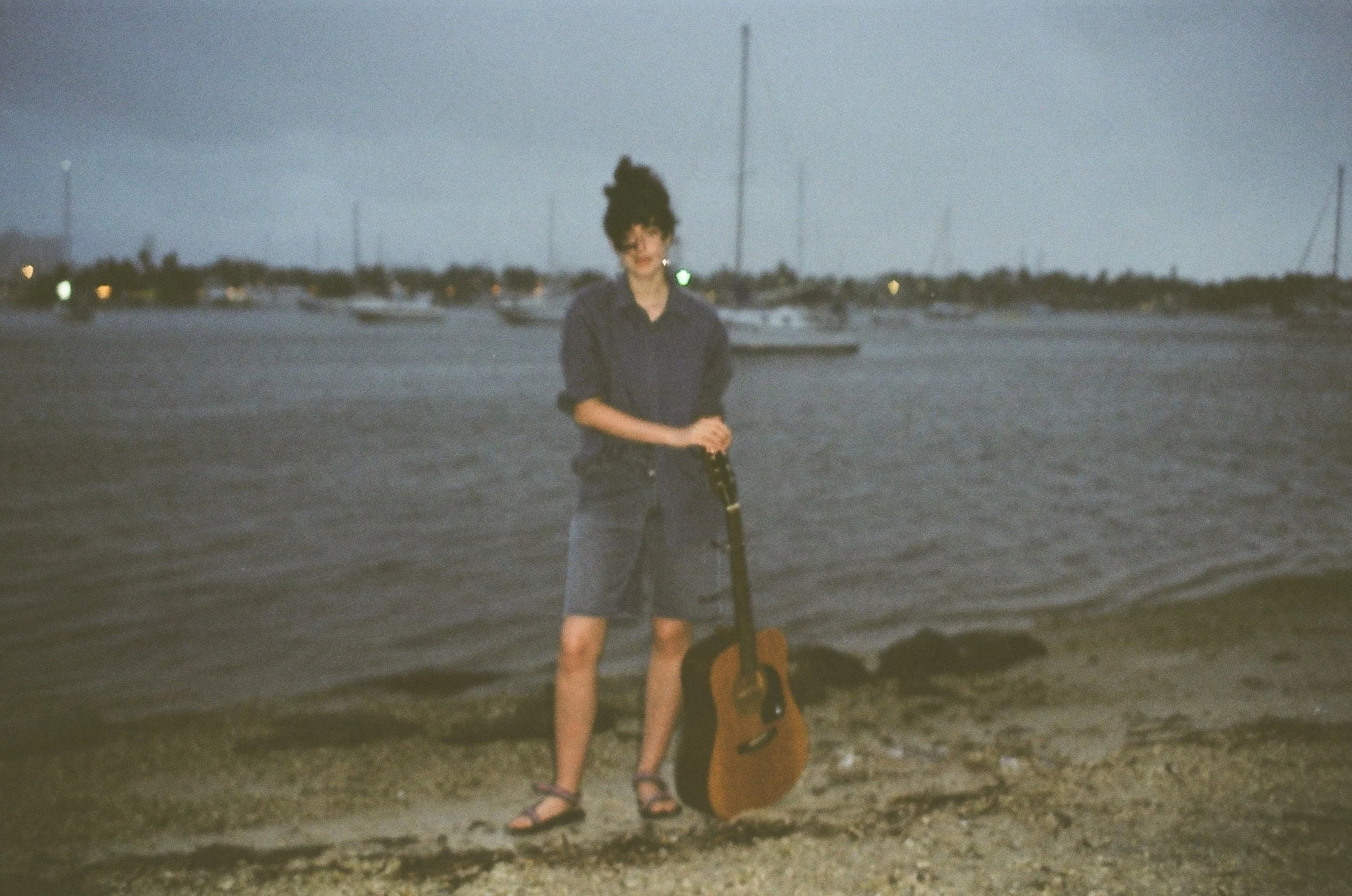
MEMORY NEVER MOVES IN A STRAIGHT LINE—it loops, lingers and pulls you back when you least expect it. On her debut EP The Past Is Breathing Now (out April 10), Brooklyn-based Lilly Gitlitz embraces that feeling, blending folk rock and indie rock into her own fluid artwork.
Led by “Nineteen,” the project opens in a quiet and reflective headspace before it expands into a fuller track, similar to the way a memory might unfold. The track captures how a single interaction can collapse time, pulling you back into a past version of yourself without warning.
Across the three-track EP, Gitlitz explores moments of uncertainty, longing and euphoria, letting each track sit in that in-between space instead of rushing toward resolution. Tracks “Bide My Time” and “Brimming Over” are perfect examples of what it feels like to exist inside of a feeling before fully understanding it.
Rather than approaching songwriting as a fixed form, Gitlitz goes back to her storytelling roots by documenting the experience in real time. Her work resists easy categorization, shaped by both her educational background in English and the collaborative energy of her six-piece band.
We caught up with Gitlitz about making The Past Is Breathing Now, her relationship to memory and finding clarity in moments of uncertainty. Read below for more.
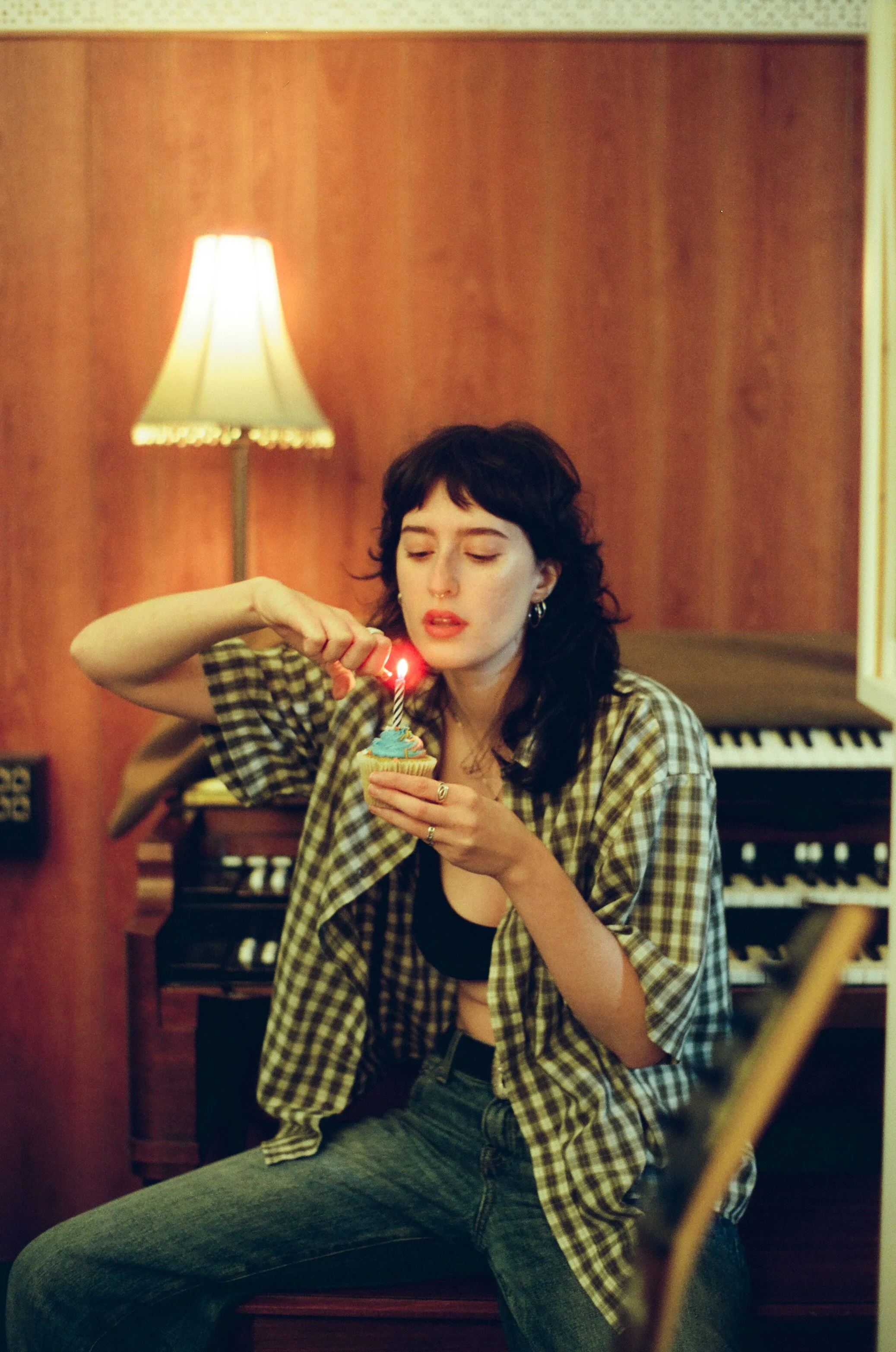
LUNA: For those who might not know about you, do you mind introducing yourself?
GITLITZ: My name is Lilly Gitlitz. I grew up in sunny South Florida and moved to the Northeast when I was 18 to study English and music at Wesleyan University. There I met some bandmates and lifelong collaborators that I’ve been playing with ever since. I feel like my music kind of bends genres, spanning folk rock to some baroque pop. I’m kind of a believer that genre is a cage, so it’s hard to know what to call it, but I hope to just write from honesty and instinct, and whatever resonates, resonates.
LUNA: My first question is about “Nineteen.” I really like how it’s the entry point to the EP. What made it feel like the right first introduction into the project?
GITLITZ: “Nineteen” was written about a moment where an interaction sent me hurtling back to something that happened years prior. I feel like the thematic current of this EP is that we have to look back to be able to look forward. Even if that isn’t explicit in every song, I think I’m always thinking about the fluidity of time—how we mark time and how we exist through it. So “Nineteen,” having the title of the EP in the bridge “the past is breathing now,” and dealing with that fluidity, felt like a good entry point.
LUNA: It definitely feels that way, and it’s such a great theme to reflect on too. You described the song as exploring how memory makes time feel fluid. How does that idea show up for you in your everyday life?
GITLITZ: That’s such a good question. I feel like I’m always marking time through sound and music. I’m someone who feels my feelings very intensely. It’s really easy for something to strike a memory and send me back.
In any art that I make, whether intentional or not, I’m kind of chronicling my experience. When I’m not writing music, I’m journaling or doing film photography; these all feel like ways of preserving things. I feel really hung up on the desire to preserve experiences in amber. That definitely shapes how I think about time; wanting to preserve and revisit it later.
LUNA: I think a lot of people can relate to that—wanting to preserve memories in whatever way they can. There’s a feeling throughout “Nineteen” of being pulled back to a specific version of yourself. What does “feeling so nineteen” mean to you now?
GITLITZ: I think 19 was a really tumultuous year. I was verbalizing things about myself I had never said before and figuring out the kind of person I wanted to be.
“Feeling so nineteen” is like feeling everything very intensely. It’s kind of the final boss of your teen years before moving into something new. I was speed-running so many experiences. I hope listeners can connect to that, whether they’re looking back on that time or currently living it. I’ve had people message me [who are currently 19 and would tell me how special the song is to them].
LUNA: It’s such a pivotal age.
GITLITZ: It was also peak of the pandemic when I was 19. We were back on campus, but everything was remote, so it felt like this strange half-version of college. It created this environment where everything felt heightened but also disconnected. That definitely contributed to the chaos of that year.
LUNA: I noticed a theme in your songs where they build from something more minimal into a full band moment. How do you decide that sonically?
GITLITZ: Part of it is instinct. I usually start writing alone on guitar or piano, and depending on how intense that feels, I get a sense of where it should go. I also love my band; they’re my close friends, some of them are my roommates. I’ll come in with ideas, but they really help shape the sound. It’s collaborative, and I rely on instinct and trust.
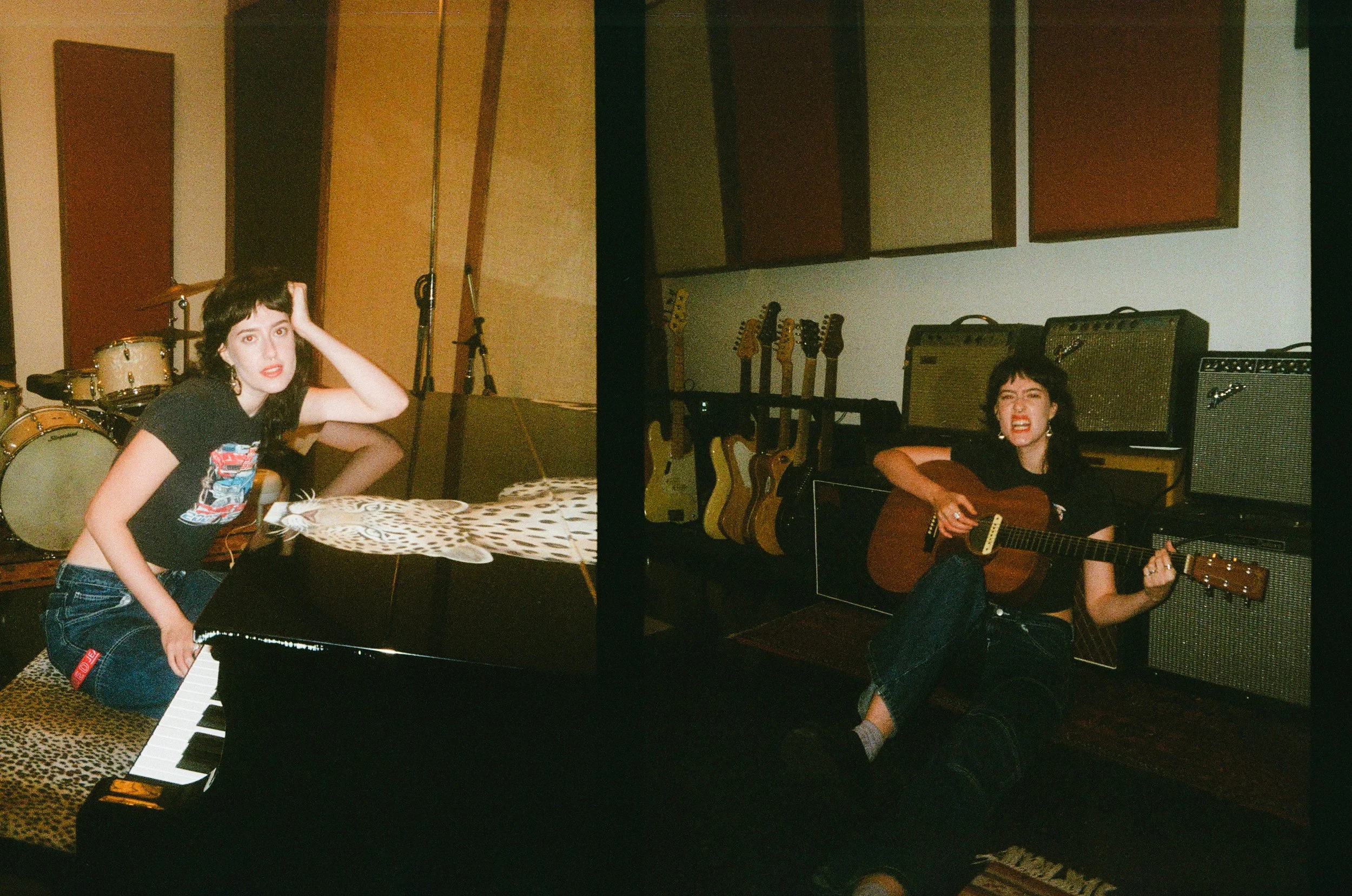
LUNA: It translates beautifully. How do the three songs on the EP speak to each other? Did you always see them as part of the same world?
GITLITZ: Originally it was five songs, but I cut two because these three felt cohesive. There’s a lot of euphoria across them. “Bide My Time” has that classic will-they-won’t-they energy, and “Brimming Over” is about life overflowing into what you imagined.
There’s also a lot of question-asking. I don’t shy away from asking questions in my music or life. These songs live in that in-between space; wondering where things will go.
LUNA: I love that theme. Speaking of “Bide My Time,” I love the idea of wanting someone to understand you without saying everything. Where did that come from?
GITLITZ: I had a chance encounter with someone and spent a month wondering where it would go. It felt unclear whether there were feelings, and I overthought it so much with my friends that it almost became imaginary. It’s about that feeling of not knowing what’s real versus what you’re creating in your head, and wishing you didn’t have to say anything out loud.
LUNA: When writing emotionally driven songs, how important are physical places?
GITLITZ: Very important. One of my first loves was creative writing, so storytelling is huge for me. I like setting the stage, whether physically or emotionally. When I perform, I also like giving context about where I was when I wrote something. Place helps ground the story.
LUNA: “Brimming Over” feels like the most outwardly emotional moment. What were you trying to capture with that build?
GITLITZ: This song is so close to my heart. I wrote it about four years ago. I have this dear friend named Steph Philipps, who writes under the name Kin River Works, and he and I actually co-produced this EP, and he mixed it. But we’ve been dear friends and collaborators for a long time. He was a year above me at Wesleyan, and he was playing this kind of final show that he wanted me to play in.
We were playing in this beautiful chapel on our campus that had the most echoic acoustics, and I knew that I needed to write a new song, so I put something in my Notes app and called it “deadline song,” because I was setting myself a deadline.
Through that period of my life, I kept describing how I felt as my whole life being a cup of water filling drop by drop, and I had finally reached the surface; and it was shimmering, about to overflow.
I remember opening my voice memos, and the whole song was pretty much stream of consciousness. The repetition was improvised on the spot, but it felt like a really honest reflection of how I was feeling. It was really beautiful to end up playing that in the chapel with my friend, and “deadline song” had become “Brimming Over.”
When I think back, even if it wasn’t fully intentional, that arc is so in there. The first quieter verse feels like droplets filling the cup, then the instrumental breakdown feels like something’s about to happen, and by the end, it overflows.
There’s also a real pondering about whether that’s entirely a good thing. It’s like feeling too big to be contained, running into whatever will catch you. Sometimes things can be going really well, but you still feel like a bull in a china shop.
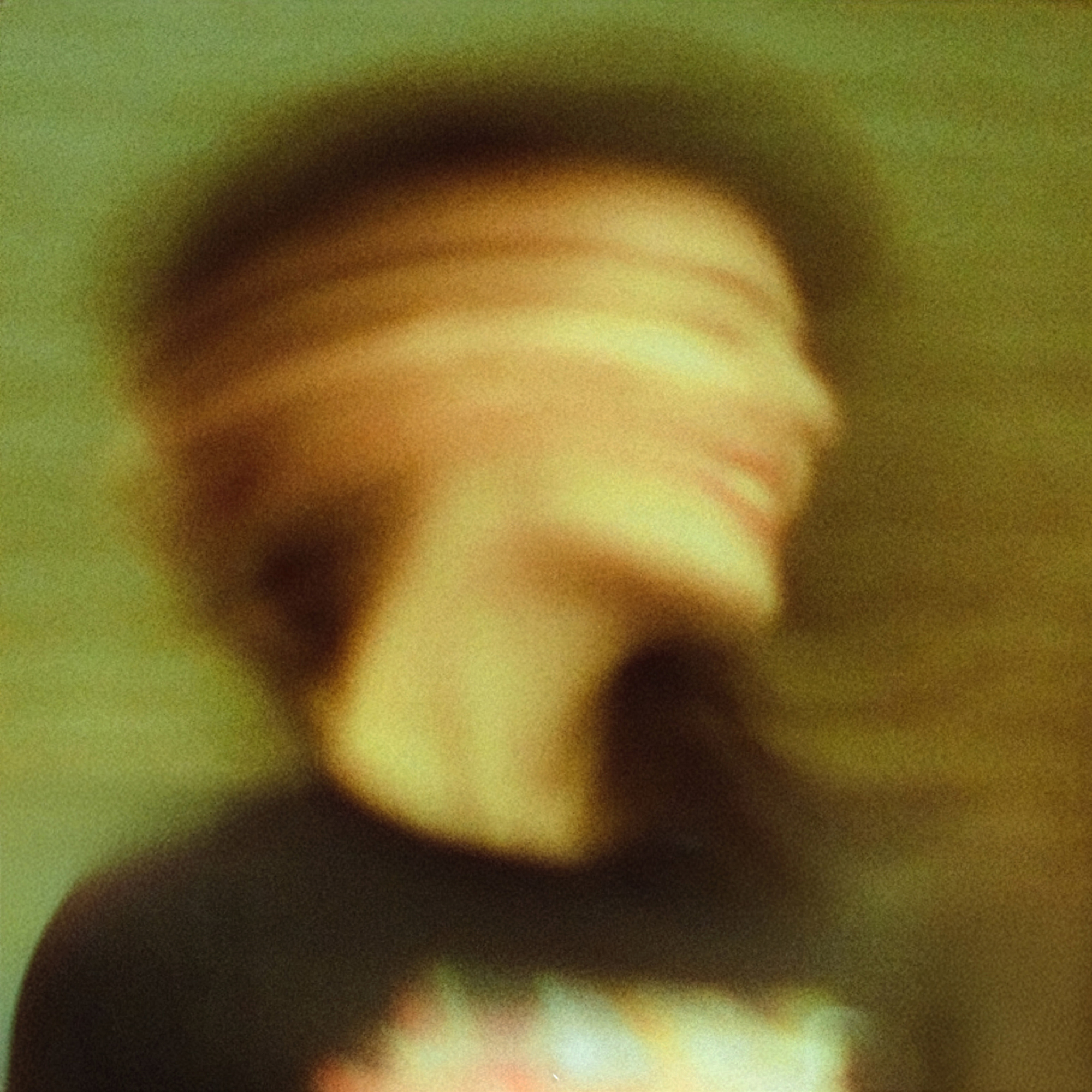
Photo by Macey Keung
LUNA: Do you often think in metaphors?
GITLITZ: Definitely. That’s the English major brain. This actually started as a poem in a class I was taking. A lot of my writing—journaling, poetry—ends up translating into songs. I’m really grateful for that connection.
LUNA: That really comes through. How does writing something personal translate into a full band setting?
GITLITZ: It varies. Sometimes I have clear ideas and make demos, other times I just give general direction and trust my band. There’s a lot of trust and collaboration. Everyone is so talented, and it’s definitely not a solo effort.
LUNA: You have your EP release show coming up on April 11. How do these songs change live?
GITLITZ: I feel most alive performing. Recording makes me a perfectionist, but live I can let go. The songs often become bigger; more rock, more dynamic. We also experiment a lot, changing arrangements and trying new things. It keeps the songs flexible.
LUNA: What does The Past Is Breathing Now represent to you as a title?
GITLITZ: It’s about carrying past versions of yourself into the present. You have to look back to move forward. The cover art was photographed by Macey Keung and reflects that too; this image of motion, looking back and forward at once. When I saw it, I knew it was right.
LUNA: That’s beautiful. Finally, after the EP release, what’s next?
GITLITZ: I have music video ideas I want to bring to life, and I’ve been filming on my old middle school camera that my grandpa gave to me. I’m hoping to release a double single this summer. But I’m also excited to take a breather and figure out what comes next.
