
Q&A: Luisa Almaguer on Identity, Melancholy and Building a Sonic Universe
INTERVIEW
INTERVIEW
☆ BY DANY MIRELES ☆
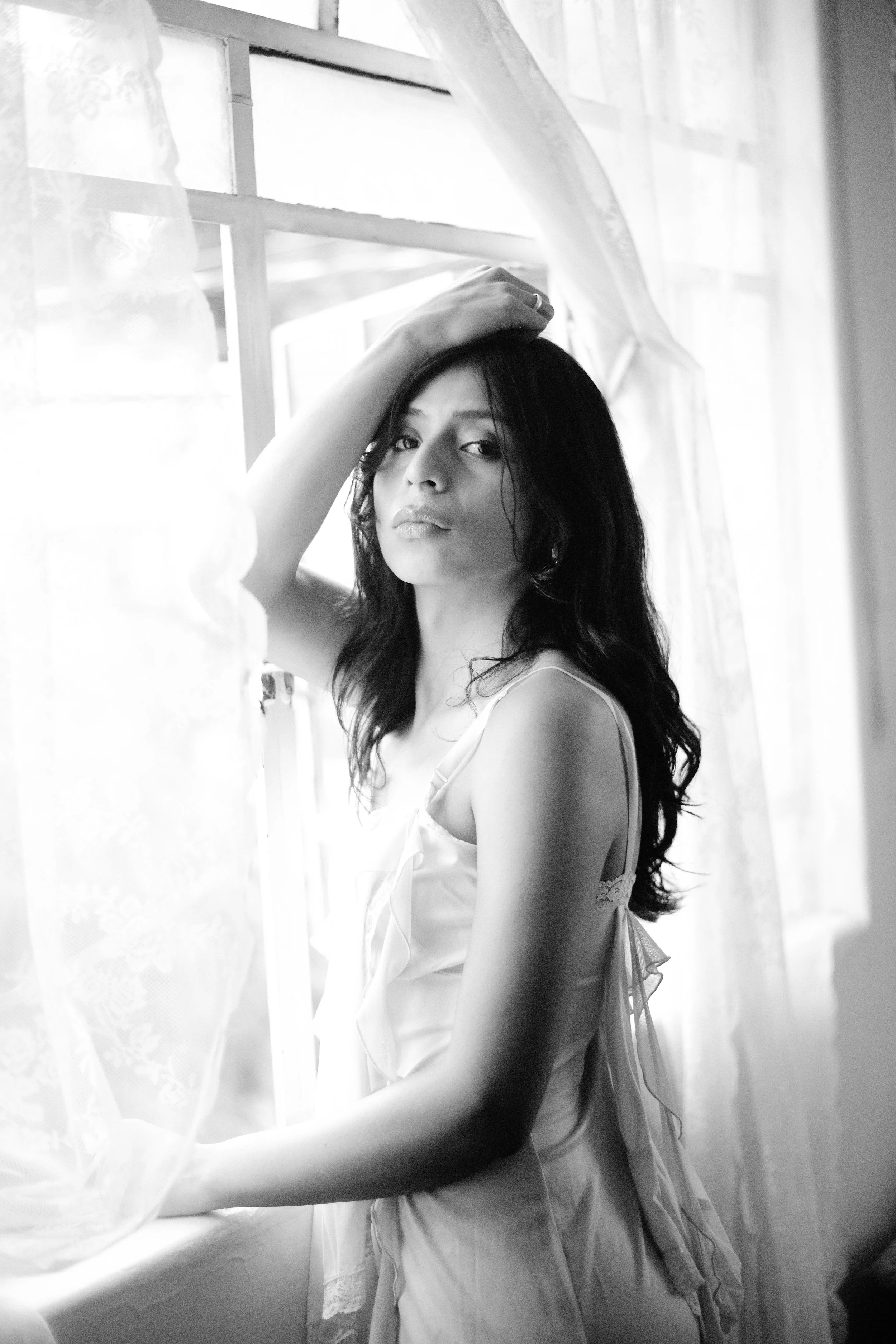
Photo by Melissa Lunar
LUISA ALMAGUER INVITES US INTO A SONIC WORLD WHERE INTUITION LEADS AND EMOTION TAKES FORM—one where each song unfolds not like a fixed structure, but as a living entity, asking for what it needs and revealing itself in layers. Her music resists easy categorization, moving fluidly between genres while remaining grounded in something deeply personal: a persistent undercurrent of melancholy, vulnerability and emotional truth.
Rather than constructing songs with a strict formula, Almaguer approaches music as a process of listening; of surrendering to instinct and allowing the atmosphere to guide the narrative. The result is a body of work that feels expansive and intimate, where emotion and tension coexist, and when even the most delicate moments carry weight.
In conversation with The Luna Collective, Luisa Almaguer reflects on the evolution of her creative process, the role of collaboration as a form of learning, and the way identity shapes the world she is building throughout her music. What emerges is not just an artist, but a voice in constant dialogue.

Photo by Melissa Lunar
LUNA: I feel like there’s such a blend of different genres in what you do. How does this sonic universe come to life for you? And how do you decide the atmosphere each song has?
ALMAGUER: I think each song asks for what it needs, and you just have to be as attentive, sensitive, and connected to your intuition as possible to give it that. Songs almost take on a life of their own; they begin telling you what they need. So it can range from something darker to something more festive or gentle. But overall, I’m naturally drawn to melancholy. There’s always a layer of it. Even unconsciously, I tend to go in that direction. It’s actually hard for me to make “happy” music.
LUNA: What personal or creative changes shaped your process between songs? How has it evolved?
ALMAGUER: It’s deeply connected to my personal life and how I relate to myself. I’ve seen very clear changes, especially from one album to another. Each one reflects a different stage of my life. At the beginning, it came from a need for healing. Music was a kind of medicine for me. Over time, it’s evolved into something more collective, about connection and collaboration. You’re always learning from music, but also from yourself—what you want and what you don’t. Just like there are toxic people, there are also sounds, collaborators, or ideas that no longer serve you. It’s all tied to personal growth.
LUNA: Your songs feel very intimate, but I also sense a political layer. How do you balance the emotional and the political when writing?
ALMAGUER: I don’t really think about it consciously. I just let the song happen and listen to what it needs. But the politics always filters in. Even if I were singing about something simple, it would still be political because I’m a trans woman. That carries meaning, especially right now. No matter what I sing about, there will always be that layer. Someone will always feel something, whether discomfort or connection, because of how I exist in the world.
LUNA: Your work also feels very visual and performative. What role does the audiovisual play in your artistic identity?
ALMAGUER: It’s very important to me. I actually thought I would go into film before music. Cinema was my original path. So I really care about making videos. I’ve always been surrounded by people in film, and now many of them are professional filmmakers and photographers. I also believe in long-term collaborators. Rodrigo Rodríguez has been incredible, and more recently, Lorea as well. For me, it’s important that everything has intention—that it connects to the album and has a clear concept, not just something made for views.
LUNA: You’ve shared stages with artists like Weyes Blood, Yeah Yeah Yeahs, and Fangoria. What have you learned from those experiences?
ALMAGUER: Everything. Collaboration has been my biggest school. I didn’t study music or formally train. So working with artists who have so much experience has been an absolute gift. Everything I know about music and performing comes from those experiences. They’ve been my teachers. Every collaboration teaches me something new. And now I also try to give back—working with all kinds of artists, not just established ones. Collaboration requires openness, and that’s something I’m still learning. But it’s essential, and it’s only becoming more important to build community.
LUNA: Speaking of collaboration, your work with Damon Albarn is incredible. But going back to identity, being a trans woman is deeply tied to your art. How does that translate into your music?
ALMAGUER: It always finds its way in. In my last album, Weyes, I explored the experience of trans women—especially in relationships with cisgender men. There’s this constant tension between desire and danger. In Mexico, being a trans woman is extremely dangerous, so relationships can hold both tenderness and fear at the same time. That’s something I wanted to explore. It’s not exclusive to trans experiences, but it’s where I speak from. And that will always filter into my music.
LUNA: You’re part of the Tecate Pa’l Norte lineup this year. What does it mean to perform at the most important festival in Latin America?
ALMAGUER: It means a lot. It’ll be my first time in Monterrey, and we’ll also be debuting a new band lineup. So it’s a lot of firsts, which is exciting. I’m really looking forward to it. I just hope everyone stays hydrated, rests well, and we can all enjoy the experience together.
LUNA: Finally, what do you hope people take away from your show?
ALMAGUER: I just hope they enjoy it. And if something makes them uncomfortable, I hope they allow that too, because that usually means something is moving inside.
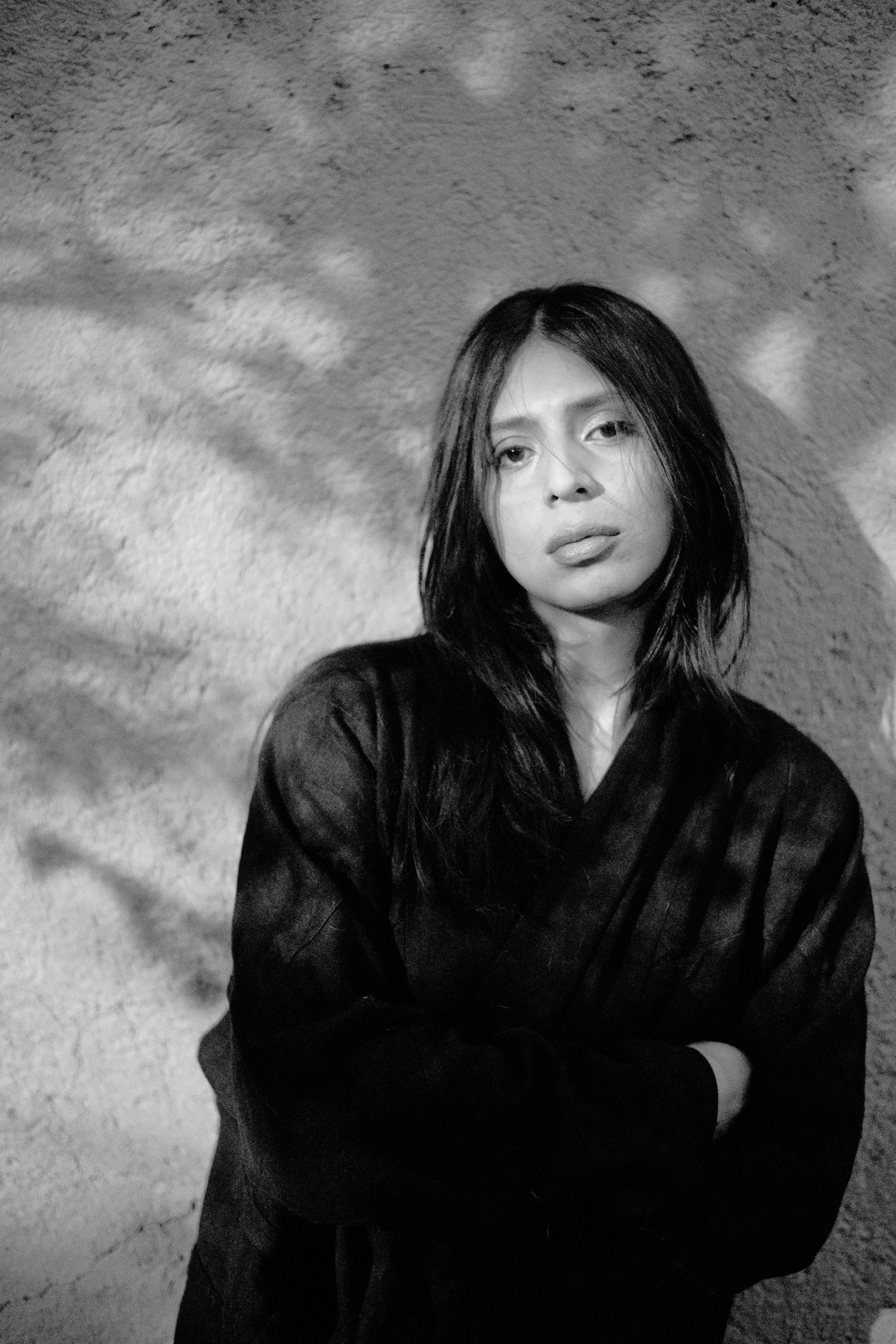
Photo by Melissa Lunar
