
Q&A: Inside the Cinematic World of MICO’s Debut Album ‘When the lights turn on’
INTERVIEW
INTERVIEW
☆ BY SHEVON GREENE ☆
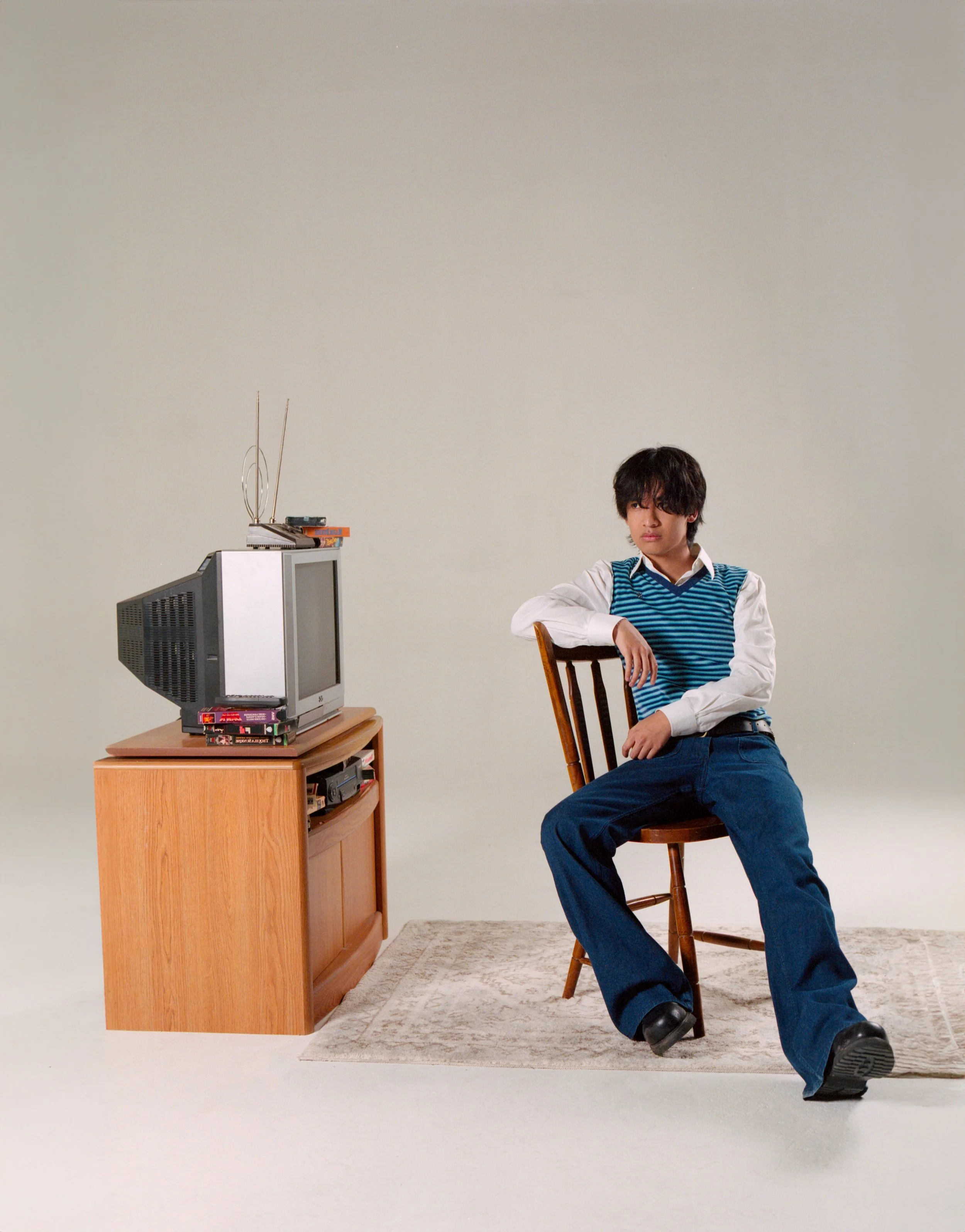
Photo by Juliet Wolf
IN AN ERA OF BEING SEEN ONLINE—being understood is a completely different story. On his debut album When the lights turn on, MICO spends much of the record exploring that aspect of identity, perception, heartbreak and growing pains. The 23-year-old Filipino-Canadian alt-pop-rock artist’s project (out today) was built from the ground up through constant movement, sold-out tours, major career milestones and personal upheaval.
One of his singles “DREAMBOY” captures that exact tug-of-war between being perceived from the internet and truly being understood as a person, inspired by a past relationship. As MICO explained, people often build dreamt-up versions of others from years of online breadcrumbs, creating expectations that no real person could fully live up to.
During our conversation, MICO spoke openly about the unintended consequences of life online and the cinematic world-building that runs through the album. While tackling heavier themes, he remained remarkably upbeat throughout our conversation, speaking with the same excitement about Discord servers and sold-out tours as he did about quantum immortality theories and The Truman Show references intertwined throughout the project.
We sat down with MICO to talk about When the lights turn on, internet identities, cinematic storytelling and finding connection both on and offline. Keep reading for more.
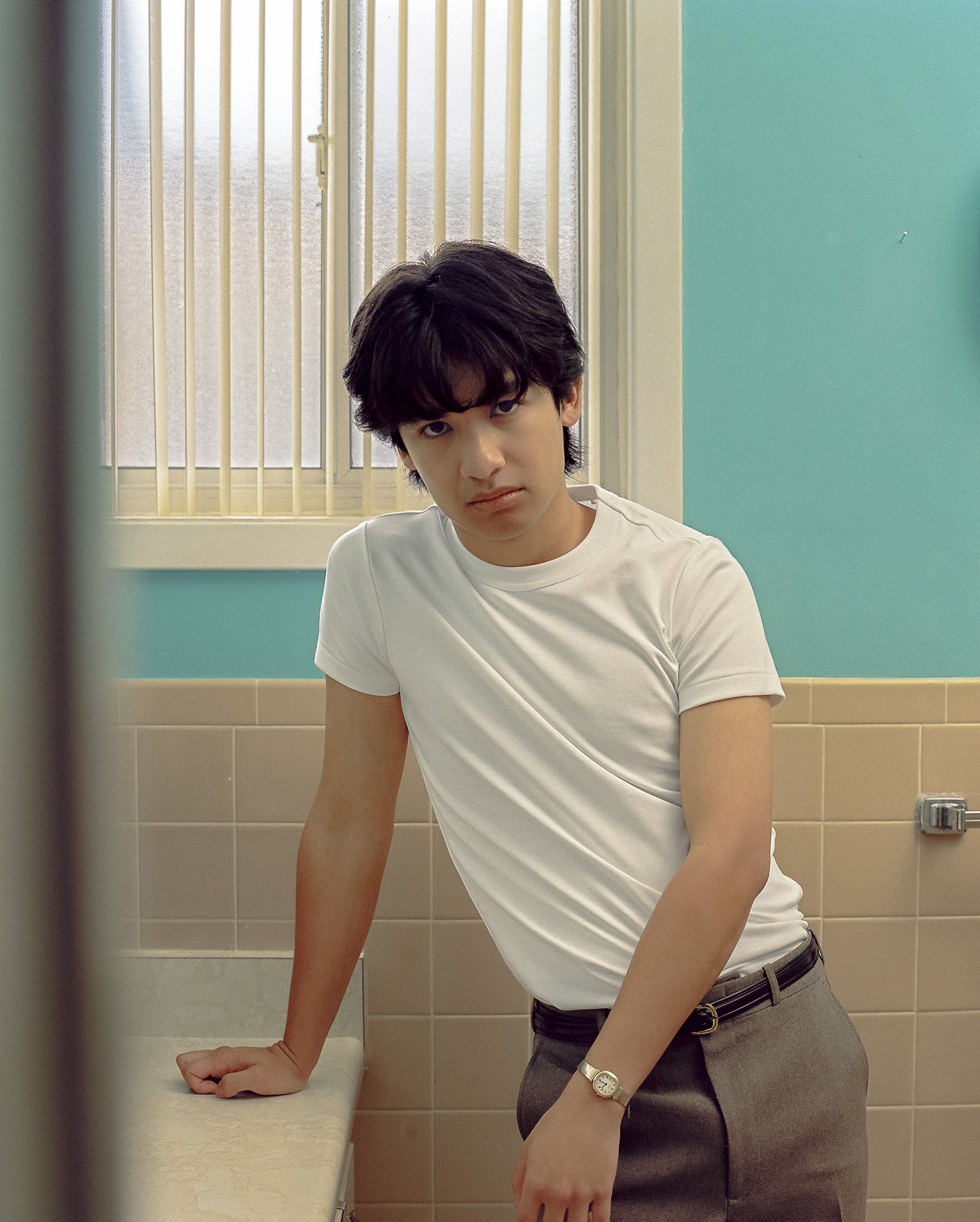
Photo by Pat Ryder
LUNA: I love the title When the lights turn on. How did you decide on it and what made you realize it was the right one for the album?
MICO: We were originally floating a different title idea because I usually like to borrow titles from certain lyrics or songs. I think there's only one project I have that isn't named after a song or lyric. The song we originally named the album after got cut pretty early in the process, but we kept the title for a while. Gradually, it just drifted further and further away from the project, and I was like, "I don't really know where this is going to land anymore."
I listened to the entire record front to back three times in a row, and one line kept sticking out to me. It's from track six [“OH!”]: "And it feels like shit when the lights turn on." It's detailing how being in this industry for the last seven years of my life, since I was a kid, has actually impacted me as a person. At this point, I've kind of dug myself in too deep to even attempt to get out, but at the same time, I wouldn't have it any other way. It's just the price I pay to be able to do what I want. There's a lot of imagery tied to it. It's supposed to represent when the spotlight is on you and you're the most bare version of yourself. That's what this record is. If you look at the album cover, I'm standing on a rooftop, but there's also a subtle spotlight around me.
LUNA: It describes the album so well. It even plays into themes of going back home and realizing how much has changed because you've been so immersed in this world. I wanted to ask about "DREAMBOY." I know it started from an online relationship, but what stood out to me even more was the idea of somebody falling for a version of you before actually knowing you. Was there a specific moment where you realized that disconnect was happening, or was it more gradual?
MICO: Every once in a while, there would be little details thrown in that I didn't even remember. They’d be like, "Oh, but I thought you liked this," and I'd be like, "I don't remember telling you that." Then I'd realize I said it two years ago on a livestream or something. Little moments like that started piling up, and I recognized pretty quickly that there's a lot of information on pretty much any human being online if you try to find it. It's very easy for people to create an idealized version of who you are based on the details that are available.
LUNA: Even if you're not in the public eye, it's still happening.
MICO: Did you see Obsession?
LUNA: Yes, I actually just saw it.
MICO: Literally Instagram stalking is embedded into our culture now. People predetermine who somebody is based on what they can find online. It's crazy.
LUNA: Yeah, it really does happen whether someone has a platform or not.
MICO: People are stalking LinkedIn to figure things out. Everybody has their university in their bio. If their Instagram is private, they probably have a VSCO account that isn't. Everybody knows how to dig into everybody's stuff. And it's like... damn, isn't this a little dystopian? (laughs)
LUNA: I wanted to ask about the "Like you mean it" video. I loved it. The nod to The Truman Show was incredible. I loved all the little signs that something wasn't quite right. What drew you to that concept, and were there specific details you wanted to symbolize?
MICO: The Truman Show is my favorite movie of all time. I think it was the first role that really got Jim Carrey taken seriously as an actor, and it's so well done in every aspect. The pacing is beautiful. The way they reveal things to the main character is incredible.
We took a similar approach, but the difference is that Truman escapes. He breaks out of the cycle. You never really see what happens afterward, but he gets out. I think a lot of creatives relate to The Truman Show, except it's not something we were born into. We chose it. You can be creative without being in the public eye, but when you choose to put yourself out there, these are both the benefits and the consequences of that choice. Whether we like it or not, we're choosing to put ourselves into that cycle over and over again.
That's why, if you really look into the lore, both characters in "Like you mean it" end up dying. If you look at the blog material and the ARG stuff we've been doing, Walter has been researching quantum immortality, where people keep getting reborn into versions of the same life with slightly different circumstances; which is basically just a press cycle if you think about it.
LUNA: And I love that it doesn't stop at the music video. You've built this whole universe around it. The blog posts, the lore, all of it. I always love when artists expand the world beyond just the song itself. You've built such a huge online community over the years. Has it become harder to separate MICO the artist from Miguel the person as your audience has grown?
MICO: I mean, you heard "DREAMBOY." (laughs) I think there are little pockets of time where the two overlap, and I can't really control when that happens. But I feel like I have a pretty good grasp on my personal life and maintaining separation between the two. I make sure I have enough space to be able to do both. I never really go that in-depth with my personal life publicly. I don't even know if I could. That would ruin the little barrier bubble I have.
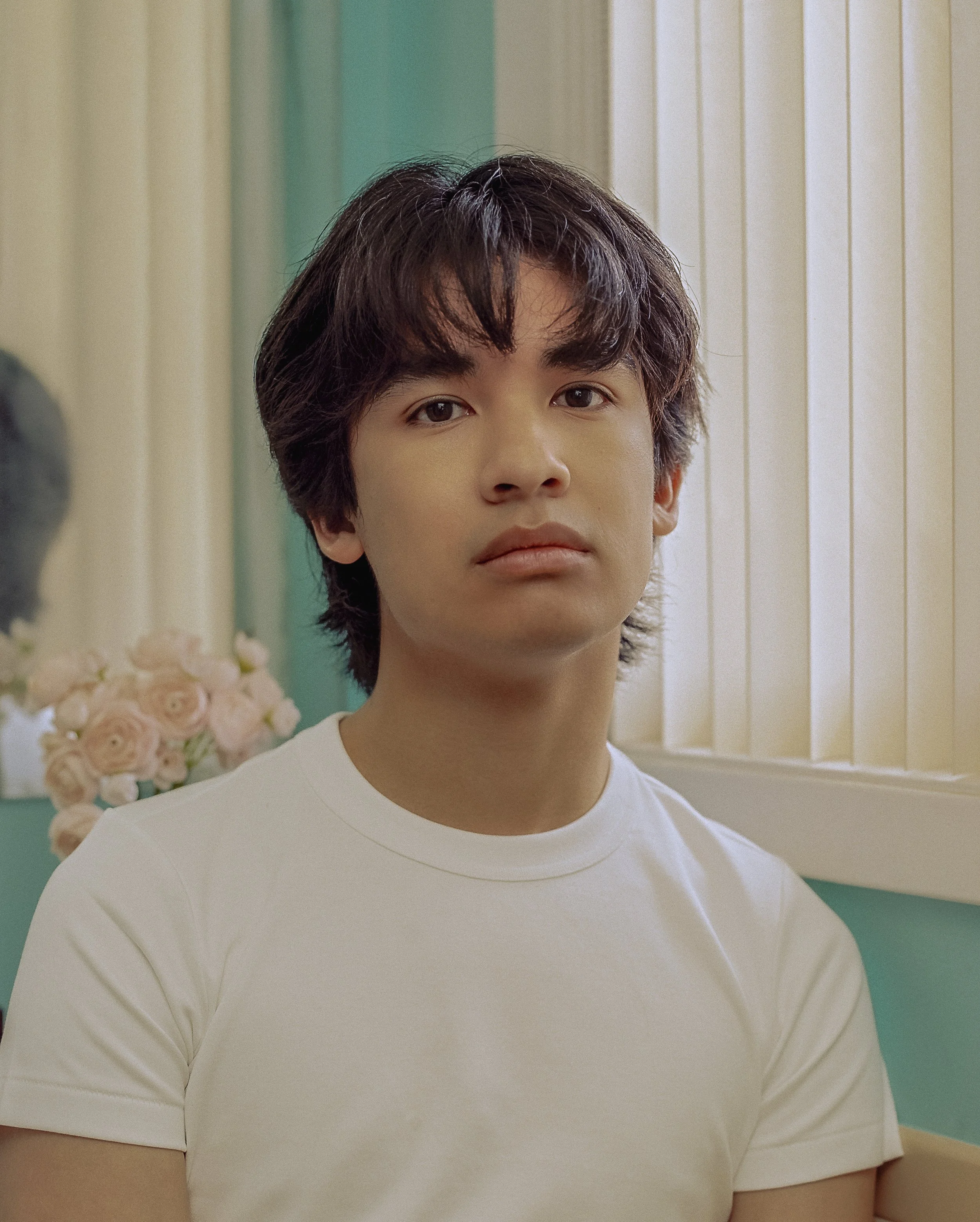
Photo by Pat Ryder
LUNA: I also wanted to ask about the album influences. The record pulls from early pop-punk, alt-pop and hyperpop influences. Were there any specific artists or albums that you kept coming back to while making the album?
MICO: I think the records I found myself returning to the most were probably the first and second Third Eye Blind albums. Those were huge inspirations. There's also a lot of Porter Robinson influence on the record, and a lot of underscores, especially Wallsocket. Creatively, I think Wallsocket is an amazing album. She's a genius in everything she did on that project. I actually just went to her show for her new record. It was so sick.
LUNA: That's really cool. I can definitely hear some of those influences, especially Porter Robinson and underscores.
MICO: In general, a lot of the influences were very cinematic. Third Eye Blind was lowkey kind of a soundtrack band. All of these records create huge visual pictures. You can see them in your head without even opening your eyes. Which is ironic because the first track is called—
LUNA: “Open up your eyes,” literally (laughs). One thing I noticed while listening to the album was how cinematic it felt, like you mentioned. The lyrics build such a strong world on their own. It feels like I can see everything happening without needing visuals alongside it.
MICO: Trust me, I feel the same way. If we had unlimited time, there are literally music video treatments for every single song.
LUNA: Are you somebody who thinks visually while you're writing? Or does the world-building happen later?
MICO: It all happens at the same time. When I'm in sessions, I actually have to hold ideas back sometimes because I know I'll want to bring them to my drummer and MD later. I'll be like, "We should do this live" or "This transition should happen here."
A lot of the songs pair together mathematically and sonically, and the entire creative concept of the neighborhood was something my creative director and I came up with only three songs into writing the project. I'm very big-picture oriented when it comes to creative work. I usually know exactly what the end goal is. I know where I want to start and what core elements need to exist. Then it becomes a question of figuring out how to get there.
LUNA: Thinking back to singing in Discord servers compared to now selling out tours, are there any parts of your younger self that still show up in the way you make music today?
MICO: In terms of the actual creation process, I've always been pretty consistent. It's always been authentically me. It's never really been audience-driven. There's only one song I ever posted to TikTok before it was finished.
But in terms of the audience itself, the shows feel like an extension of the community I built online. Everything started in these tight-knit, community-oriented spaces. I don't think there's anything that matches meeting people at a show and hearing their stories, except maybe singing in voice calls and hearing immediate reactions afterward. I was already experiencing the closest thing possible to human connection online, and now I get to experience that same thing in person. That's awesome.
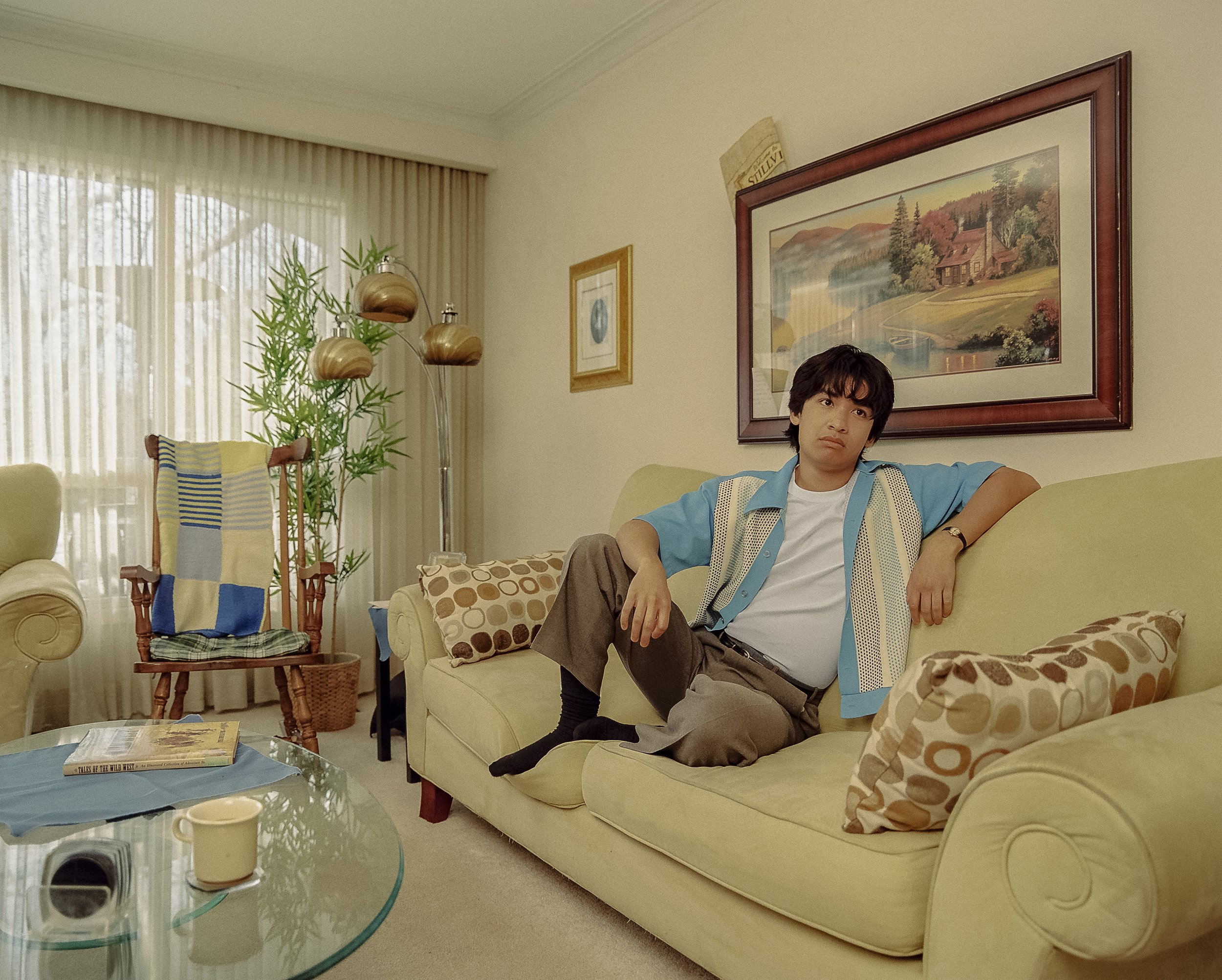
Photo by Pat Ryder
LUNA: And I imagine some of those people at the shows are the same people who were in those servers years ago. I also wanted to ask about "Your favorite flowers." It stood out to me because it isn't really a breakup song; it’s more about learning how to care about someone differently. Was that harder to write than a more traditional heartbreak song?
MICO: Honestly, not really. It was a dynamic I didn't want to address for a long time, but then one night I had a conversation with this person and realized exactly where we stood with each other. There was no blurriness anymore. I was like, "Oh, I kind of have my friend back." And I didn't need anything more from it than that. After that conversation, I felt really inspired. She left around 2:30 in the morning, and I wrote pretty much the entire song within about 45 minutes of getting into bed.
LUNA: Honestly, I think that makes it even more authentic. Sometimes artists say it takes years to process something before they can write about it, but there's something really special about capturing a feeling while it's still fresh. Looking back now, is there something you learned about yourself while making this album that you didn't know when you first started writing it?
MICO: I don't think I realized how in touch I was with my own processing until after the writing was finished. Before, I always assumed my brain would figure things out when it needed to. But I pretty much wrote the equivalent of a semi-breakup record over the span of two months, and six days before that relationship had even ended. I realized I was actively processing everything in real time. Funny enough, the harshest songs were written first. The most delicate and sincere songs came at the end. "Learning to love" was the last song I wrote for the record. It happened in the exact opposite order from what you'd expect.
LUNA: You'd think the emotional devastation would come later, but instead you ended on something softer and more reflective. I know you're getting ready for tour later this year. How do you mentally prepare for a tour? Do you have any go-to items you always bring, or any routines that help you get ready for all the travel?
MICO: Honestly, I never feel prepared for tour. It's always like, "Oh, damn, I need to go get something," and then the next off day where I can actually do that is three days away. Usually we start somewhere close to home, so I just bring as much as I can with me and hope for the best. Eventually we'll either loop back around or ship everything home anyway. It all works out in the end, but I'm definitely scrambling around for the first couple weeks. Eventually, I'm just too caught up in it. There's too much adrenaline. I'm too excited.
LUNA: Looking beyond the album and the tour, what do you want the next chapter to look like?
MICO: I wish I had sneak peeks. I feel like I kind of unlocked something with this record. I always say that the last project was a closing point for me because it was what 16-year-old me always wanted the MICO project to be. This is the first time that I feel like I'm really listening to myself right now. The creative doors didn't close after we finished writing When the lights turn on. I don't really know what comes next yet. I just know that I want to keep making stuff. I want to keep having fun with it.
