
INTERVIEW
INTERVIEW
☆ BY ALICIA ZAMORA ☆
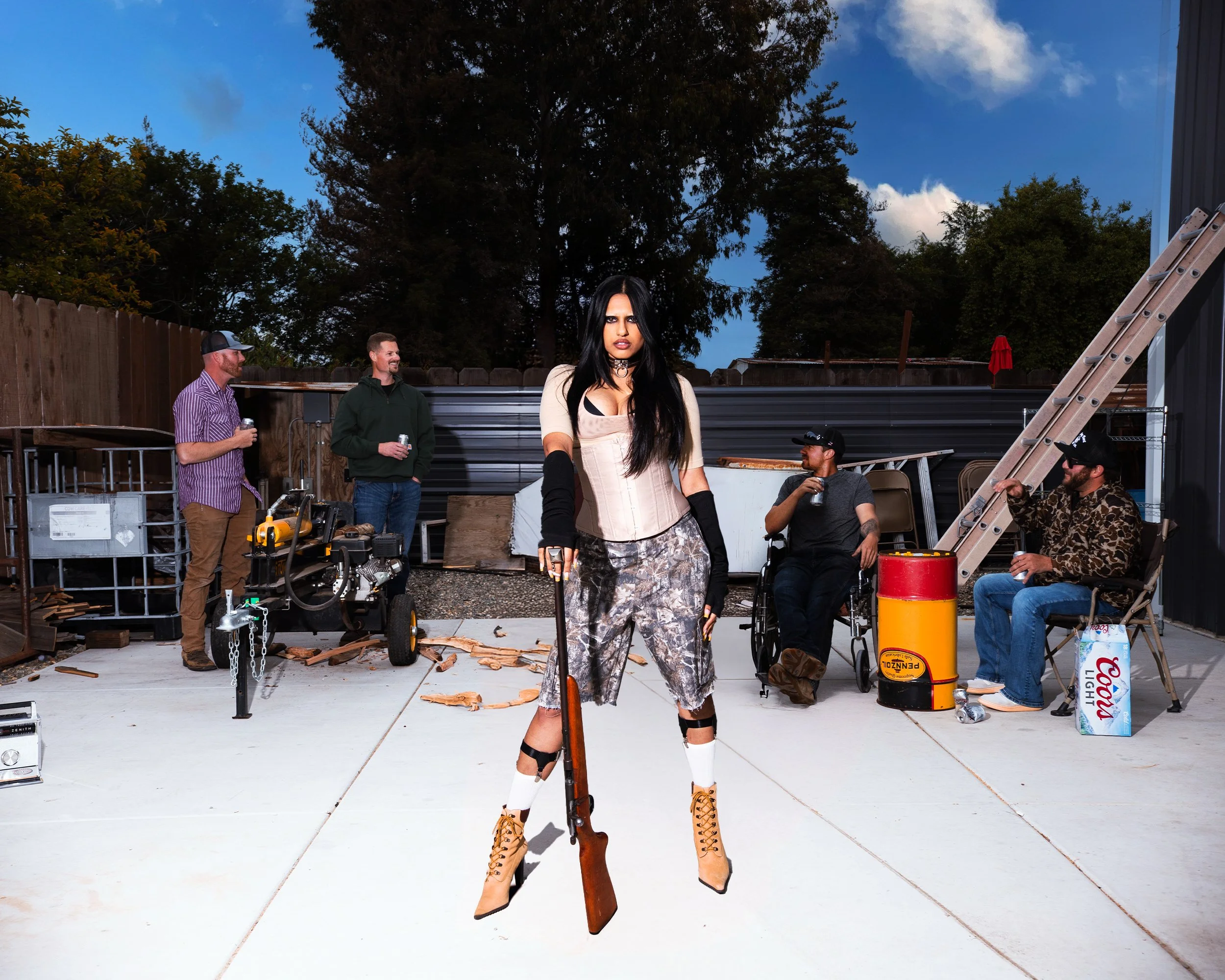
REYSHA RAMI IS MAKING MUSIC THAT FEELS ENTIRELY HER OWN—With a sound that moves between pop and R&B, Reysha Rami has never been too interested in sticking to just one way of making music. Since introducing herself with 'black0ut' in 2023, the Minneapolis-born artist has continued to explore different sounds and vocal styles, building a catalog that reflects the many sides of her personality.
Whether it's the music itself or the way she approaches performing, there's a sense of freedom in what she does, allowing her to experiment without feeling tied to one particular direction. As an independent artist, that freedom has also come with plenty of lessons—from figuring out what it takes to build a career on her own to learning how much the people around her can shape the experience.
As her audience continues to grow, Rami has also found something special in the connections she's made with listeners, particularly other South Asians who see themselves reflected in her artistry. She wants to make music that feels true to who she is without feeling like she has to fit into a certain sound or expectation. It's a perspective that carries into the way she thinks about representation, creativity, and what it means to find your place in an industry where everyone is trying to make their mark. With performances taking her beyond Los Angeles and a growing community of fans showing up for her music, Rami is enjoying the chance to see where this next chapter leads while keeping her attention on what matters most: making music she's proud of.
Read Luna's conversation with Reysha Rami below.
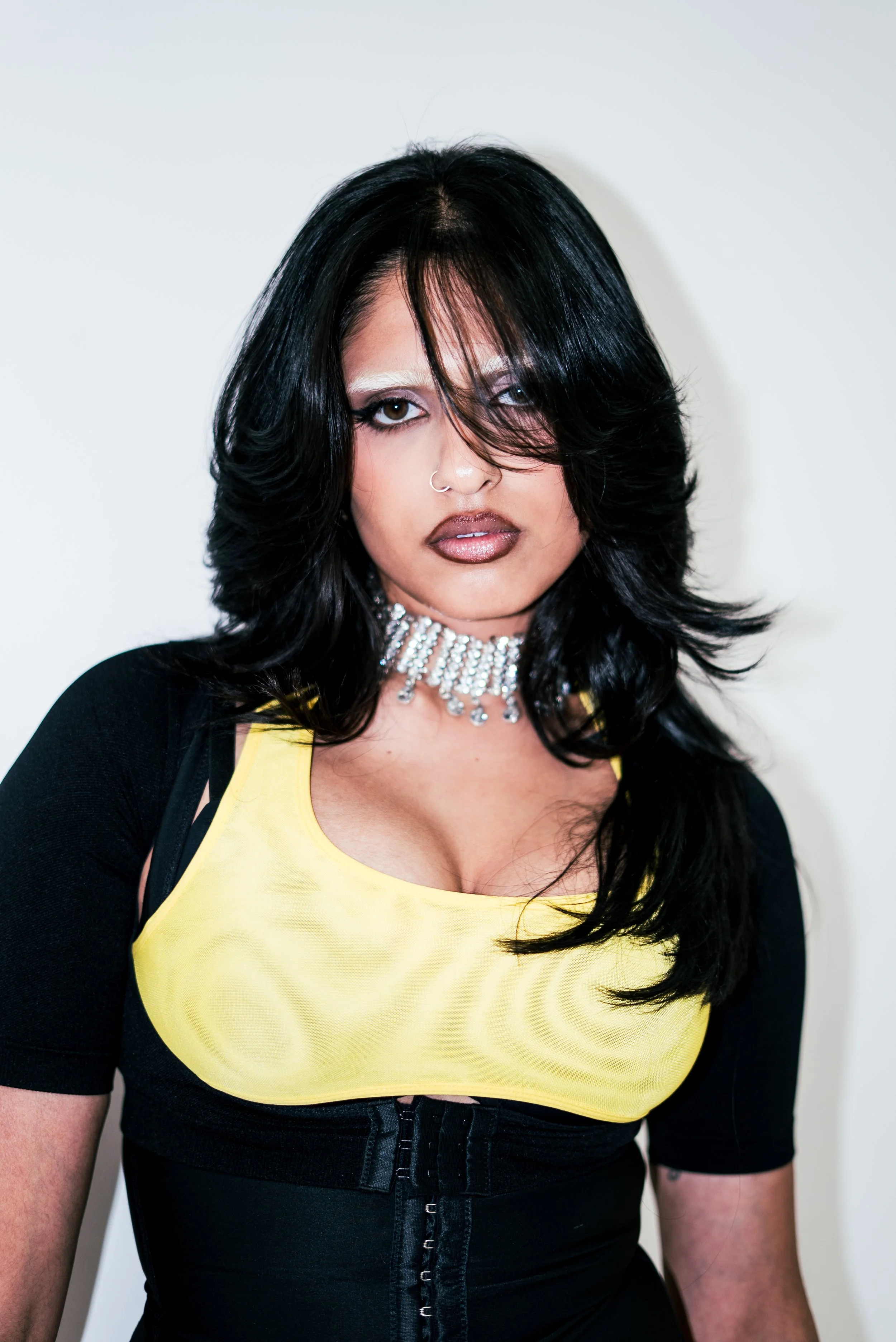
LUNA: Before getting into the music, I'd love to know more about you outside of Reysha Rami, the artist. What were you like growing up, and what parts of that version of yourself still show up in the music you make today?
RAMI: I was born and raised in the Minneapolis suburbs of Minnesota and am the youngest of two (I have an older brother who is incredibly intelligent, and I love him to pieces). Both my parents immigrated to the U.S. from India, and I am ethnically Tamilian (from Tamil Nadu, the southernmost state in India). As lame as it may sound, at my core, I have always been a rule-follower and am perpetually in fear of somehow getting into trouble or disappointing people I care about. That feels pretty juxtaposed to how I am when I step into the Reysha Rami side of me, haha. Now at 31, I feel incredibly comfortable embracing the stronger parts of my personality and showcasing that both in the music and persona.
LUNA: Los Angeles has such a distinct music culture, with so many different scenes and sounds existing alongside one another. How has being based in LA shaped your relationship with music, and do you think your environment has influenced the way you create?
RAMI: Living in LA has, without a doubt, changed my life. I think the sentiment of “you just have to be here” when it comes to Los Angeles is 100 percent true. You’re surrounded by peers who are in the same headspace as you and bring a diversity of life experiences and stories to the table, which, to me, feels like an inherent fuel for creativity and expression. I think I would really struggle to stay committed to this path as an artist if I didn’t have a community around me that understands the struggle of sacrificing so much for this pursuit. I also think I would put far too much weight on releases if I didn’t live in LA. As frustrating as it can be at times to make music in such a saturated market, there’s also camaraderie in the shared experience of “flopping,” and I think being in this city really forces you to develop a thick skin to overcome those ego blows.
LUNA: I'm curious about the way you use your voice. Across your music, it almost feels like another part of the production, with different deliveries and personalities depending on the track. Do you experiment with your vocals before building a song around them, or does the production tell you how to approach each performance?
RAMI: Thank you for commenting on the various vocal deliveries throughout my catalog! I completely agree that my voice is one component of the song’s production, rather than something separate from the instrumental. I’d say that both the production and lyrical content equally influence how the topline will be delivered. Typically, when my executive producer (and boyfriend of ten years!), Dextreau, and I are making a song, we’ll both throw out ideas for different ways to deliver the vocal. What you hear in the final recording is oftentimes the first vocal take of the session. A fun fact about my catalog is that so many songs have been recorded in our living room, without headphones or monitoring, using an SM58.
LUNA: ”black0ut” was an important introduction to your music, but you've since expanded that sound across S&M and TOM FOOLERY. When you think about the artist who made ”black0ut” versus the artist making music now, what do you think has changed most about your creative instincts?
RAMI: The artist who made “black0ut” on February 12, 2023, is the same misfit homebody who made every song that followed it. I genuinely knew from the get-go that “black0ut” was an indisputable hit, regardless of what the immediate audience reception would be. It’s amazing that “black0ut” has grown to where it is now, and I’m so proud of us for following our instincts with it. But there are also so many other songs in my catalog that I feel just as strongly about, even if they may never get their standout moments. Our objective in making “black0ut” was to create a song that dancers and choreographers would resonate with. That is my target audience, which also expands to people who love being in their bodies and freeing themselves from the constraints of everyday life.
LUNA: As someone building an independent career, you've also experienced the music industry from the perspective of an artist who is closely involved in her own creative direction. What's something about the business of being an artist that you didn't fully understand until you were actually navigating it yourself?
RAMI: You cannot expect someone to care more about your artistry than you do. You also cannot do everything on your own, and even if you can, I’m not sure that means you should. Art needs community, and community needs more than just one person. I think this is a lesson that any creative person will relearn time and time again, and I think that is okay. This pursuit is not for the weak, and I wholeheartedly encourage anyone considering this endeavor to have other skill sets they can use to provide themselves with financial security. You lose so much of the enjoyment of making art when your livelihood is solely dependent on it.
LUNA: You've had the opportunity to perform in different cities and introduce your music to audiences outside of Los Angeles. Is there a particular place or performance that has stayed with you, either because of the crowd or something unexpected that happened?
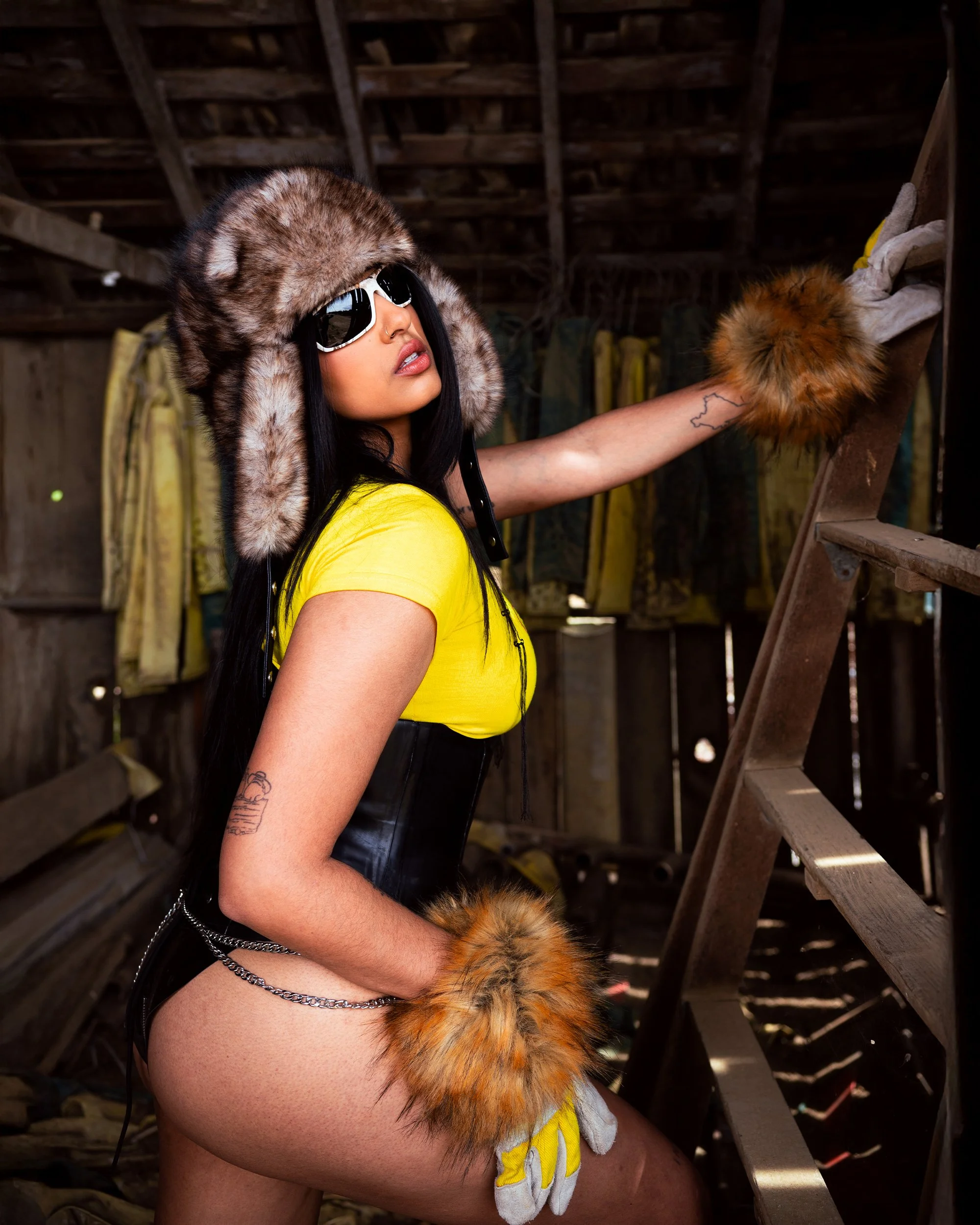
RAMI: My favorite show to date was my first headline performance in Seattle, W.A. for an event called “Sluts Night Out,” run by an actual icon named Trixxxie Poodle. I don’t think I’ve ever experienced such an engaged and supportive audience, one that knew, like, all the words to my songs and made me feel like a full-blown celebrity afterward. I’ve performed in Seattle twice since that first show in May 2025 and just love the energy that Seattle reybies (this is what I call my fans, lol) bring. I felt similarly about the audience I had in Glasgow last year, too. I just love a rowdy crowd!
LUNA: As an artist, you're constantly creating something that people will eventually interpret in their own ways. Have you ever had someone share what a song meant to them and found yourself seeing your own work differently afterward?
RAMI: Some of the most special moments I’ve had with fans have been with other South Asians who feel seen and represented by a Desi femme breaking out of the (at least in the U.S.) pop/R&B box. As a listener, I have oftentimes felt that diaspora artists are confined to only a few avenues for being successful. It feels like you have to make music that fits a specific sound and follow in the footsteps of “bridging the gap between my Indian heritage and my American upbringing.” For better or for worse, I have never resonated with that, and I have always known that there has to be space for me somewhere where I don’t have to follow those rules in order to be an artist, or to be “Indian,” enough. It’s hard feeling like you exist on the fringe of the community, and I am so proud to be able to represent something different for people.
LUNA: Outside of music, what is something you're currently looking forward to or something that's been inspiring you lately?
RAMI: I’ve been so inspired by Russian artistry, especially in the electronic music space. A good friend of ours, EXUM, opened for IC3PEAK in November 2025 at the Avalon in Los Angeles, and I was blown away by their live show. More recently, I’ve been rewatching Darren Aronofsky’s films, where I see so much of this artist project in his perspective and execution. Most recently, I stumbled upon the song “HAHA” by Charlotte Adigéry and Bolis Pupul, which plays in the end credits of the show Phony. It’s such a genius and simple song that literally feels like a secret, since the only words in it are, “Guess you had to be there.” Again: genius.
LUNA: As you continue finding new ways to express yourself through music, what's something about yourself or your artistry that you're still figuring out, and are excited to discover?
RAMI: This year has felt like an opportunity for self-reflection and personal growth. I had an incredible 2025 that was filled with firsts: my first headline, my first music industry deal, my first year of fully managing myself, my first album, my first international shows and so much more; it’s hard to come off of that and not feel a little dejected when you can’t replicate all of that newness in a new year, but of course you can’t do that. It’s been a reminder that you can’t chase the accolades and you have to stay grounded in making something that you are proud of, regardless of reception. Lastly, I’m excited to start working toward my next album and gain more life experience to bring into my lyrics!
