
Q&A: Sports on Self-Producing and Going Back to Their Roots
INTERVIEW
INTERVIEW
☆ BY LUCY BULLINGTON ☆
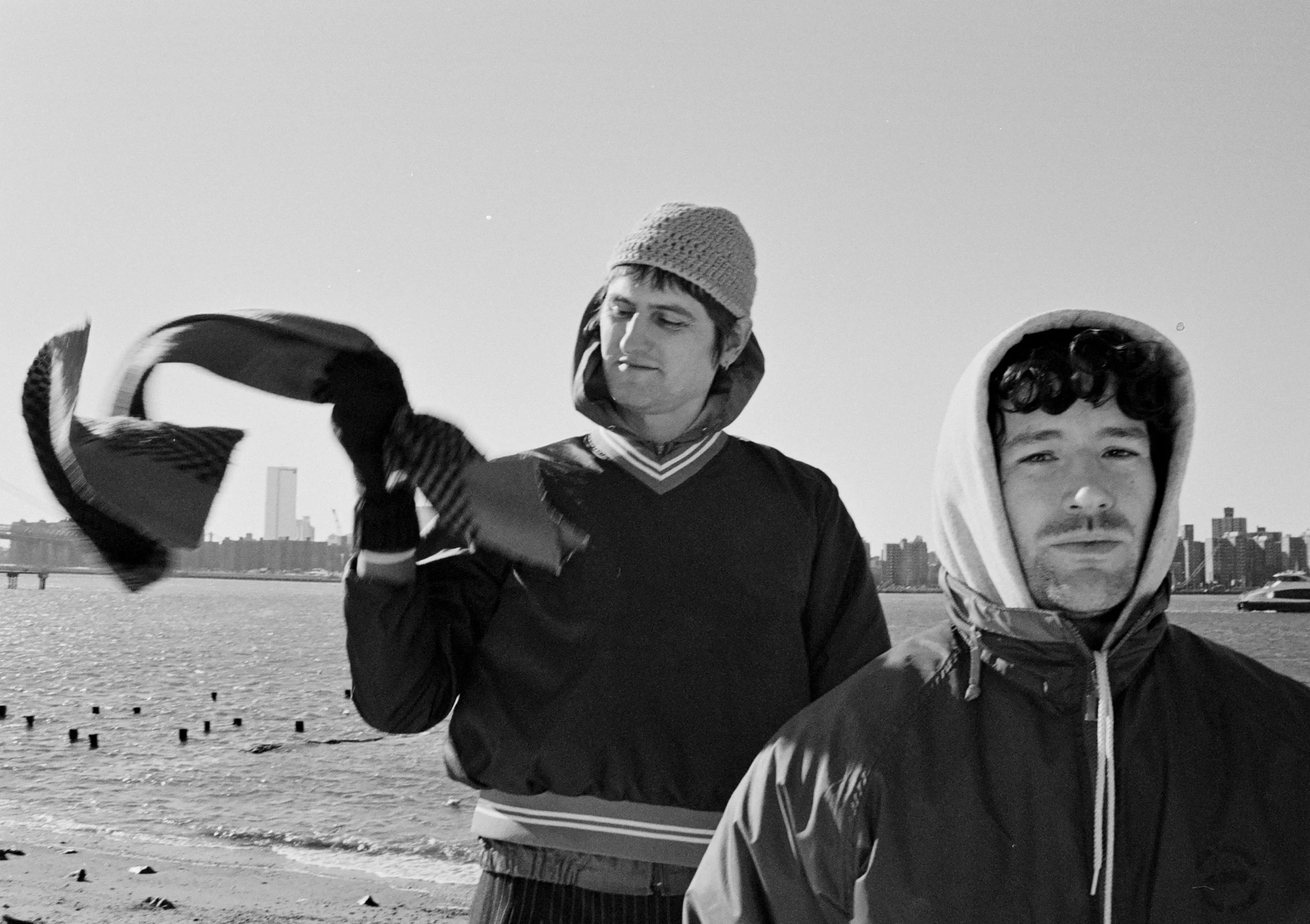
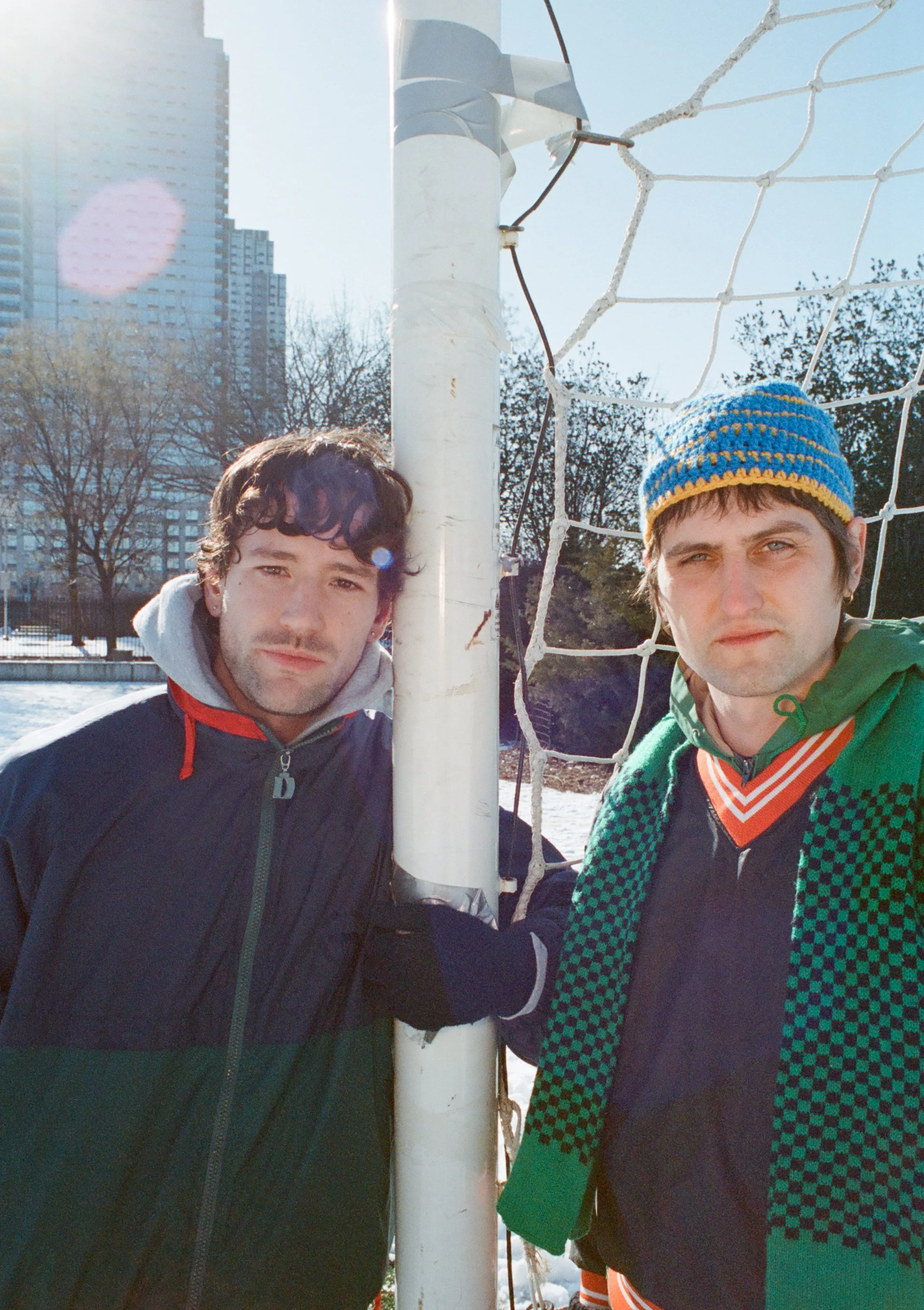
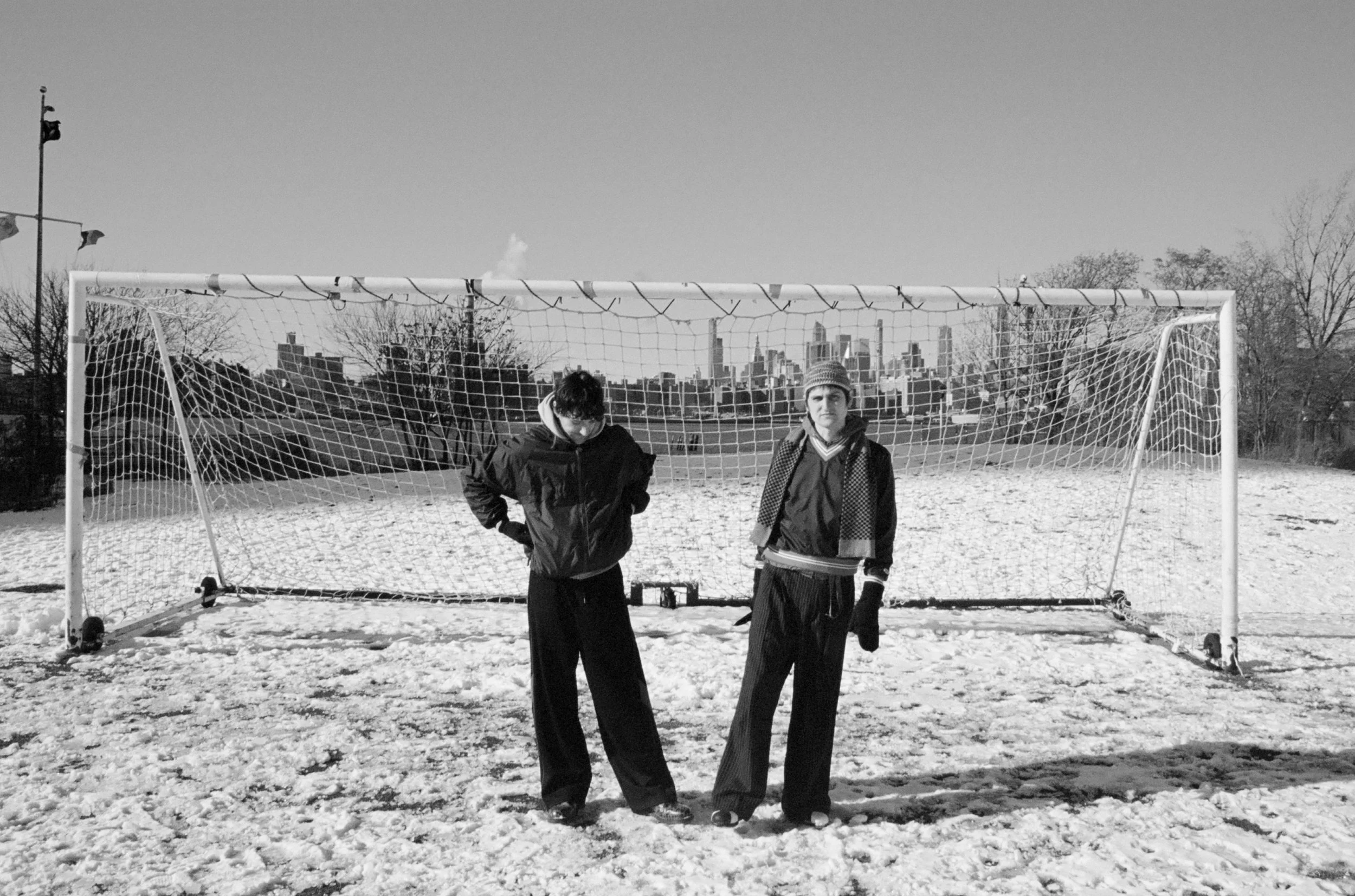
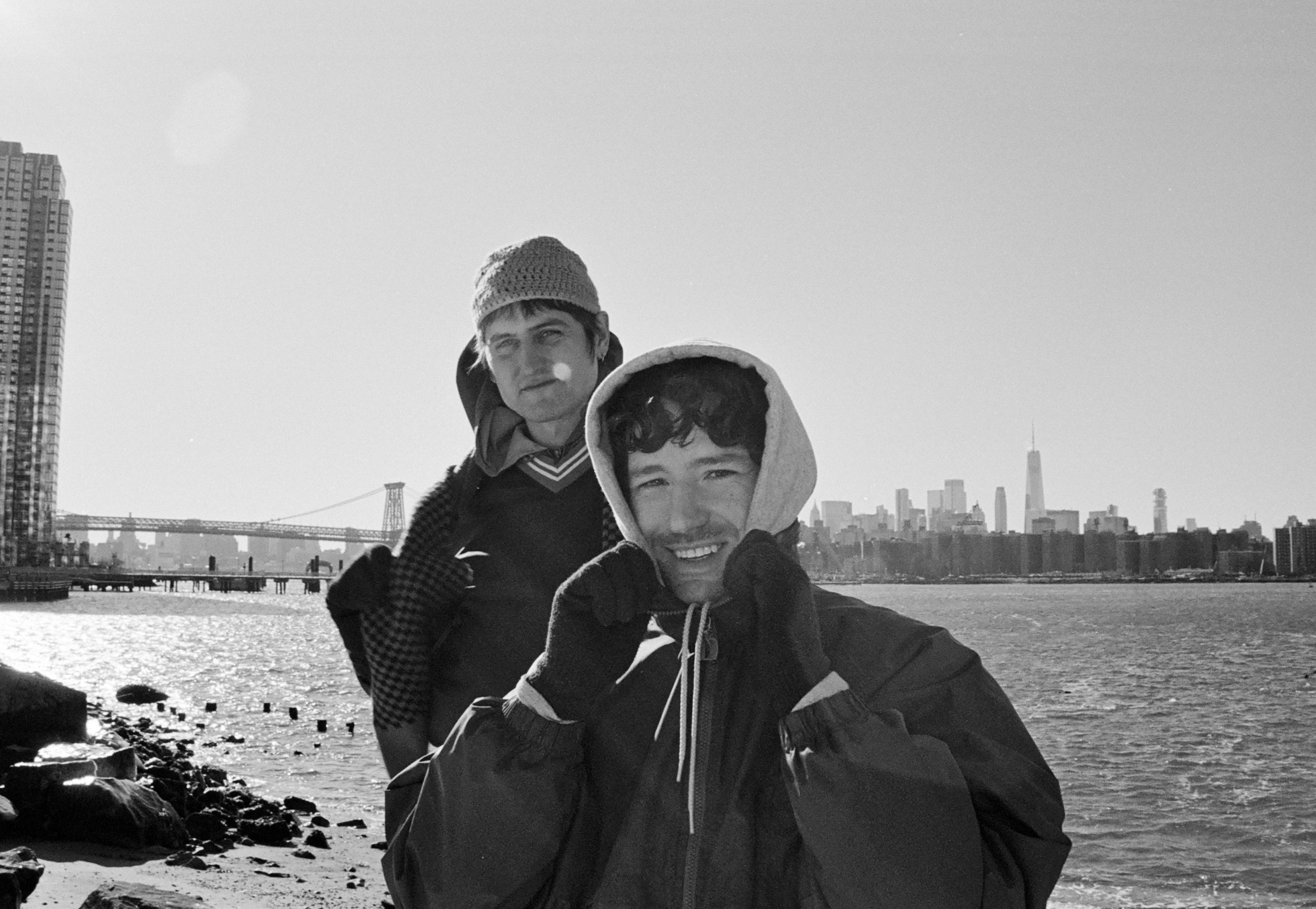
Photos by Lucy Bullington for The Luna Collective
“DECIDING TO SELF-PRODUCE BECAME THE BIGGEST THROUGH-LINE. IT WAS SCARY NOT HAVING SOMEELSE SIGN OFF AND SAY' ‘THIS IS GOOD'.’ WE HAD TO LEARN TO TRUST OURSELVES. For their latest record, longtime collaborators Cale Chronister and Christian Theriot, otherwise known as Sports, decided to do something new. They built their own studio from scratch in their home state of Oklahoma and fully self-produced an album without an external producer guiding the process.
Building the studio became its own act of intention. In Oklahoma heat that pushed to 106 degrees, they painted the space white, opened up the windows, and chose light over perfection. Sound isolation gave way to sunlight. One new keyboard became the spine of the album, appearing at both the beginning and end.
Their fourth and latest album, Sports, arrives February 20. For Chronister, “The making of the record feels like how it did when we first started making music at 13.” What emerged wasn’t nostalgia, but rather alignment. By choosing to self-produce, the band stripped the process back to its essentials, trading outside validation for trust in one another. The result is a record shaped by patience and presence due to the complimentary wavelengths that Chronister and Theriot work on. As a result, they produced a record that feels not like a reinvention, but rather a quiet return to the core of what’s always guided them.
We sat down with the duo to talk about the making of the album, learning when to let go, and why sometimes the scariest creative decisions are the most freeing.
LUNA: You self-produced this record and built a studio in your hometown. What was that experience like?
CHRONISTER: Really hot. Like, 106 degrees hot. A friend had a studio space above a Farmer’s Insurance office, and it got passed on to us.
THERIORT: The first thing we did was paint everything white for a fresh start.
CHRONISTER: We’d always recorded at our producer’s studio in Norman, Oklahoma. But we had always dreamed since we were kids to have our own studio. We did all the acoustic treatment and figured out how we wanted everything laid out.
LUNA: Were there any compromises you had to make in the process of building it?
CHRONISTER: The biggest one was the windows. The previous tenant had covered them, but we wanted light.
THERIORT: We chose natural light over total sound isolation. And honestly, it was worth it. Being able to look outside instead of feeling like you’re in a cave changes everything creatively.
LUNA: Did you pick up any new gear or techniques in the process of building the studio that changed the sound of this record?
THERIORT: We usually try to get one new piece of gear for every record. This time it was a new keyboard. And whenever we needed a sound, we would go to the keyboard. The album actually starts and ends with sounds from that keyboard.
LUNA: Do you feel like there’s a central idea or thesis behind the album?
THERIORT: I think it’s starting to reveal itself more and more.
CHRONISTER: I think deciding to self produce became the biggest through-line. It was scary not having someone else sign off and say, “This is good.” We had to learn to trust ourselves and decide when something was finished.
LUNA: Why did this feel like the right moment to self-produce?
THERIORT: Having the studio made it possible. Before, we were always waiting on someone else’s schedule. Now we could work every day, like a nine-to-five. We’d done four albums with our producer, so it felt like the right time to fly from the nest. We were just jamming and making music.
CHRONISTER: It’s funny because to a degree, the making of the record feels like how it did when we first started making music at 13. Just then we didn’t have all the gear. We used to have pirated software. In fact we made an entire EP with the game Rock Band. We all combined our microphones from the game and recorded the music on those.
THERIORT: Realizing you could plug everything into a computer and record it separately felt revolutionary back then.
LUNA: Was there a moment early on when you realized you were actually good?
THERIORT: We started playing shows really young, and older bands would tell us we were good.
CHRONISTER: Playing shows at real venues at age 14 with all these other adults was funny to me.
LUNA: Do you have a favorite live show memory?
THERIORT: There was this show in Orange County at The Observatory. Cale crowd surfed to zero music.
CHRONISTER: Yeah in between songs. No music playing.
THERIORT:: I was just watching, absolutely losing it.
LUNA: The track, “Drama King” stands out lyrically to me. I love the lyric, “You must be playing secret cords that please the lord.” How did that song come together?
CHRONISTER: That line had been in my notes forever. We needed a bridge, and it finally fit. That one was pretty stream-of-conscious writing though.
THERIORT: Once we reset the studio setup in January and decided to write something new, it came together really fast.
LUNA: How do you divide creative roles between the two of you?
THERIORT: Cale handles most of the lyrics, but we both produce. I’m usually behind the computer.
CHRONISTER: I think I’m a thousand feet up and Christian is more into the details.
LUNA: What is each of your favorite specific things that the other person contributed to the record?
CHRONISTER: Christian had a great idea on “Gravestone” to have our voices alternating.
THERIORT: I love what Cale did on the track, “Keep Falling in Love.” We were in London and he got into the vocal booth and was singing the lyrics. I remember thinking that I couldn’t believe that he was singing the most cliché lyrics: “I keep falling in love.” Yet it sounded brand new.
LUNA: What were you guys consuming while making the record? Whether it be music, films, books, etc.
CHRONISTER: U2’s album, Achtung Baby, was huge for us at the time of recording the album.
THERIORT: We also watched the documentary, The Beatles: Get Back, and that remained in the back of our minds throughout the process of making the record. We also both read How Music Works by David Byrne and The Power of Now by Eckhart Tolle.
CHRONSITER: We both re-read The Power of Now often.
LUNA: What were you consuming when you were 13 and making music?
CHRONISTER: All-American Rejects, Coldplay, Death Cab For Cutie. Then we eventually transitioned to Radiohead in high school.
LUNA: When did you realize you had a full album on your hands?
THERIORT: We wanted to write way more songs than we needed and let the best ones rise to the top.
CHRONISTER: At one point we had around 20 songs, which was new for us.
LUNA: Why did you decide to title the album Sports?
CHRONISTER: It felt like a reset. Self-producing and going back to how we did it as kids.
THERIORT: It’s also the first record in a while that’s just the two of us again.
LUNA: What’s the biggest misconception about Sports?
CHRONISTER: We get called “chill” a lot. I don’t think our music is very chill.
THERIORT :That we’re a bedroom-pop band. It’s funny though because we’ve actually never been bedroom pop because we’ve always recorded in a studio.
LUNA: What do you hope listeners take away from this album?
THERIORT: I hope people connect to it in their own way, without my input.
CHRONISTER: I hope it encourages people to trust themselves and keep making things. If you really like what you’re making, there’s probably someone else that’s gonna like it. What’s helped us the most is that we just haven’t stopped making music.
LUNA: What’s next for Sports?
THERIORT: We’re talking about limiting ourselves. We have one keyboard, one drum machine. We might also explore not stacking vocals anymore.
CHRONISTER:: We are talking about doing the opposite of this record. Stripping things back even more.
