
INTERVIEW
INTERVIEW
☆ BY DANY MIRELES ☆
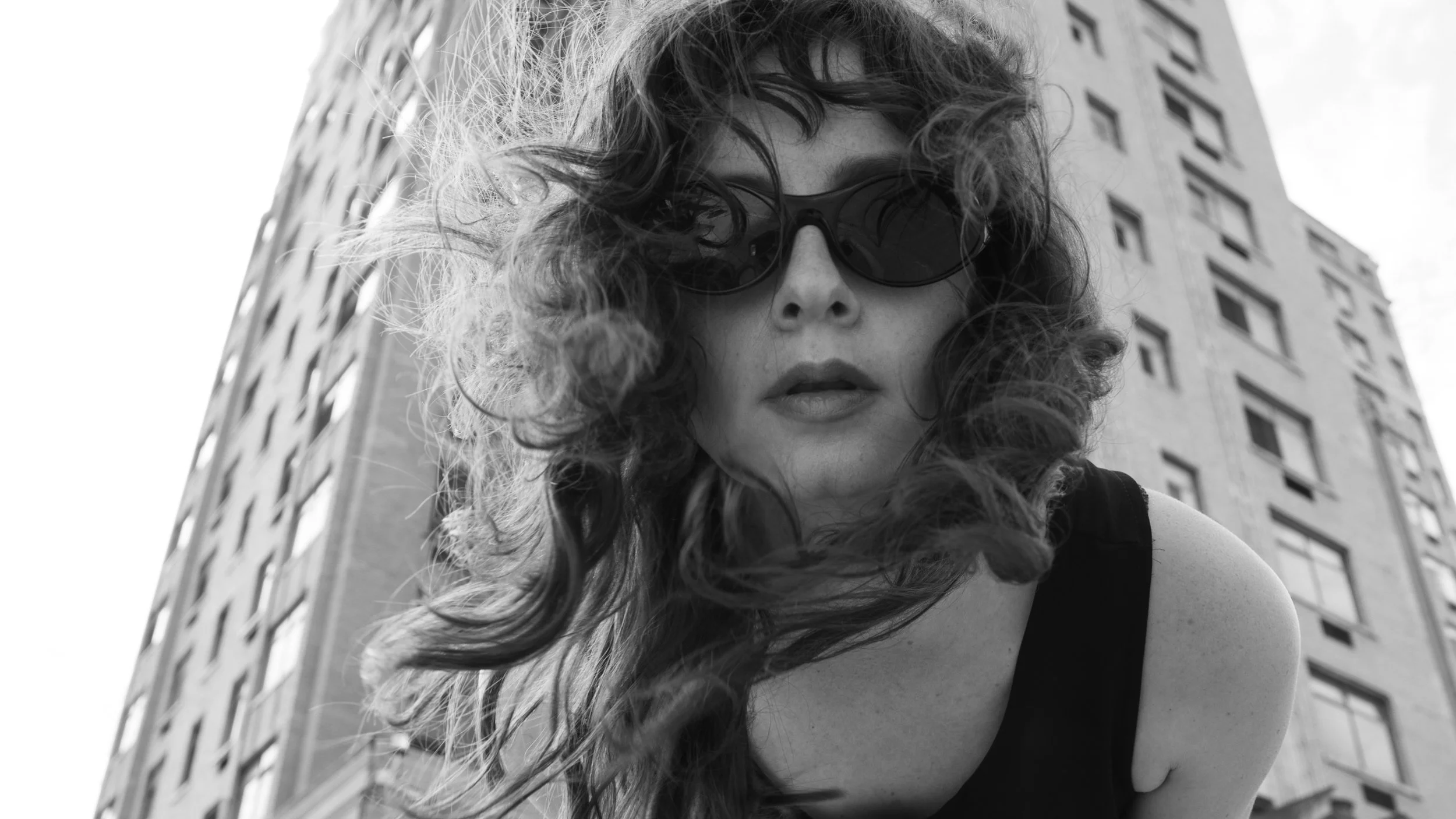
Photo by Georgia Mitropoulos
“I WANTED THERE TO BE CLARITY IN THE LYRICS, SO PEOPLE COULD ACTUALLY HEAR THEM.”—After seven years, the wait for a new Stef Chura record is over. With Dancing Alone on the Concrete, her first album since Midnights, the singer-songwriter returns with a collection that balances raw emotional intensity with textured arrangements and a focus on lyrical clarity. Written between 2020 and 2021, the album grew out of a period of solitude, experimentation and musical exploration.
The album moves between stripped-back vulnerability and layered arrangements, allowing each song to have its own identity. Luna had a chance to speak with Stef Chura about the journey between albums, the stories and inspirations behind individual tracks, and the unexpected moments that shaped the final recordings. In conversation, the singer opened up about the creative process, the importance of finding the right collaborators and a close look on what brought this album to life.
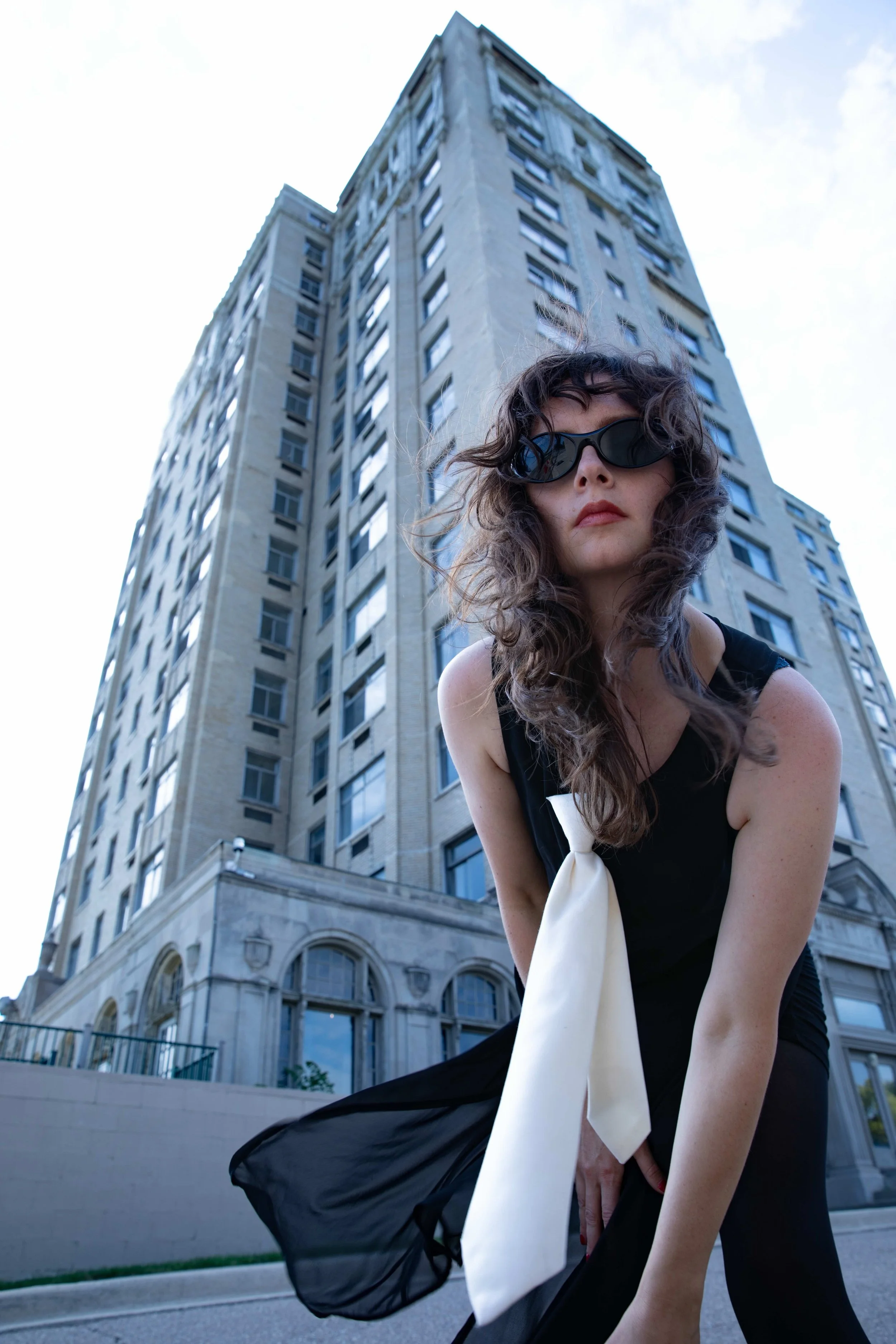
Photo by Georgia Mitropoulos
LUNA: Dancing Alone on the Concrete is your first album in seven years. How did your approach to songwriting evolve during the time between Midnight and this record?
CHURA: Really, all the songwriting from this album was pretty close to Midnight, as most of the songs were written between 2020 and 2021. But because of COVID, I took some online classes, piano, vocal and music theory; and I was doing a lot more playing by myself because I just had a lot of time. I think I was still extrapolating my personal experiences, as I normally do, but tinkering a little bit more with the songs.
LUNA: What was the creative starting point for Dancing Alone on the Concrete? Did the songs begin with lyrics, melodies, guitar parts or something else?
CHURA: A lot of the time I’m writing the melodies with the lyrics into a voice recorder of some kind, usually my phone. I know “Baby Doll” was like that. “Lead Weight,” I think I was writing the song while I was playing guitar, but they were kind of all coming out at the same time.
“Thunder and Lightning” was very much the vocal first into the phone. So it might be kind of 50/50 whether it’s the vocal first and then music added later, or if it’s all three at the same time—guitar, vocal and lyrics.
LUNA: There’s a strong emotional intensity throughout the album, but the arrangements still leave room for a lot of texture and atmosphere. How did you approach balancing intimacy with a larger sonic landscape?
CHURA: I definitely brought Robert Schneider in with the awareness that he would do that. I love the Neutral Milk Hotel albums, and he brought a lushness like that to the arrangements. But it was a delicate balance and a huge learning process. “Lovesick” was actually recorded at first with a full band, and it just sounded like too much.
Andy LeMaster and I sat down and listened to one of my favorite songs, Cat Power’s “Nude as the News,” and talked about not using a click and how shifts in tempo can make or break a particular song. We scrapped that track and re-recorded it so that it sounded a lot more intimate. That song was tracked while I played the piano at the same time, and that was the only way to get the sound that we wanted on the vocals. For some reason they weren’t sounding right when I tracked them separately over the piano. I don’t write a lot of piano music, and that might’ve been why.
LUNA: You worked with Robert Schneider of Apples in Stereo, along with David Barbe and Andy LeMaster. How did each collaborator influence the sound and direction of the record?
CHURA: Working with Andy LeMaster ended up being a happy accident because David Barbe got COVID and needed him to fill in. But then Andy became a major collaborator. On my second trip, he worked heavily on “Thunder and Lightning,” which is the only song that we didn’t do the main tracking for at Chase Park. We did that at Andy’s home studio in Athens where we recorded over core elements of the demo. The song includes a lot of the demo tracking.
Robert really brought everything together. It was his idea to work at Chase Park and do an album with David Barbe, and I think that was so spot-on. It was just such a wonderful experience and a great place to make a record. Robert has so much energy, and he can’t help but think about including his friends when he wants to make music, which was incredibly fun.
David Barbe ended up being someone I would trust with my life at any moment. He is one of the most interesting people I’ve ever met, and he possesses mastery in soft skills or an ability to work with people. It’s unparalleled and something I look up to myself. He sat down when the song “Wishin’” needed drums and instantly said “It needs this!” and that is the exact drum part we tracked for the whole song. David Barbe’s mom voiced the World Clock.
LUNA: The album brings together musicians from R.E.M., Neutral Milk Hotel, Olivia Tremor Control, Sugar and more. How did having such a diverse group of musicians shape the arrangements and overall identity of the record?
CHURA: I mean, it definitely felt like an Athens party! I’m really thankful to have been in the room with all of these folks. They made the process feel very special and exciting. I love all of these bands, so bringing people from them into my own songwriting was really special.
LUNA: “Danny” features Peter Buck and Mike Mills. What was the creative process behind bringing them into the song, and how did their contributions change the track?
CHURA: We were practicing that song in the studio, and Robert was kind of joking around and said, “The song could really use Mike Mills on the bass.” David Barbe is friends with them and just fired back, “I’ll text him right now.” It definitely added a different layer to the song that I love, and it was very awesome to see Mike track the bassline in person. Both of those guys are so sweet. I would say their contribution to changing the track was that they made it sound awesome!

LUNA: Were there any songs on the album that evolved significantly from their original demos to the final recordings? What changed along the way?
CHURA: “Baby Doll” was a really stripped-down sounding song, and I guess it took on a sound that I wasn’t expecting, a much bigger sound. Also, “Danny” sounds really different, but I would say the original demos for both of those songs were just me and guitar and weren’t fully fleshed-out demos.
The demo of “Lovesick” sounds a lot more like the actual recording that was released. When we got into the studio, we made the full-band version that I mentioned before. Then we took a beat and re-listened to the demo, and it actually ended up going more in that direction. “Thunder and Lightning” includes demo tracking.
LUNA: The album feels very rooted in songwriting while still experimenting with its production and instrumentation. How do you decide when a song is finished, and when it still needs something more?
CHURA: Basically, when someone drags me away in a cop car is when the song is being worked on. Some songs feel like they have a natural end, and some you kind of want to keep tweaking forever.
LUNA: After seven years away from releasing a record, what did you want Dancing Alone on the Concrete to communicate sonically that Midnight couldn’t?
CHURA: I think I wanted more from my songwriting. I was pretty intentional about my vocals on this record and wanting there to be clarity in the lyrics, so people could actually hear them. That’s a concern, complaint, and criticism I’ve read about my past albums, and that has hit me pretty hard because when I’m singing and tracking the vocals for every album, I feel like they are crystal clear.
