
Q&A: Susannah Joffe Confronts Home on “Texas Baby”
INTERVIEW
INTERVIEW
☆ BY SHEVON GREENE ☆
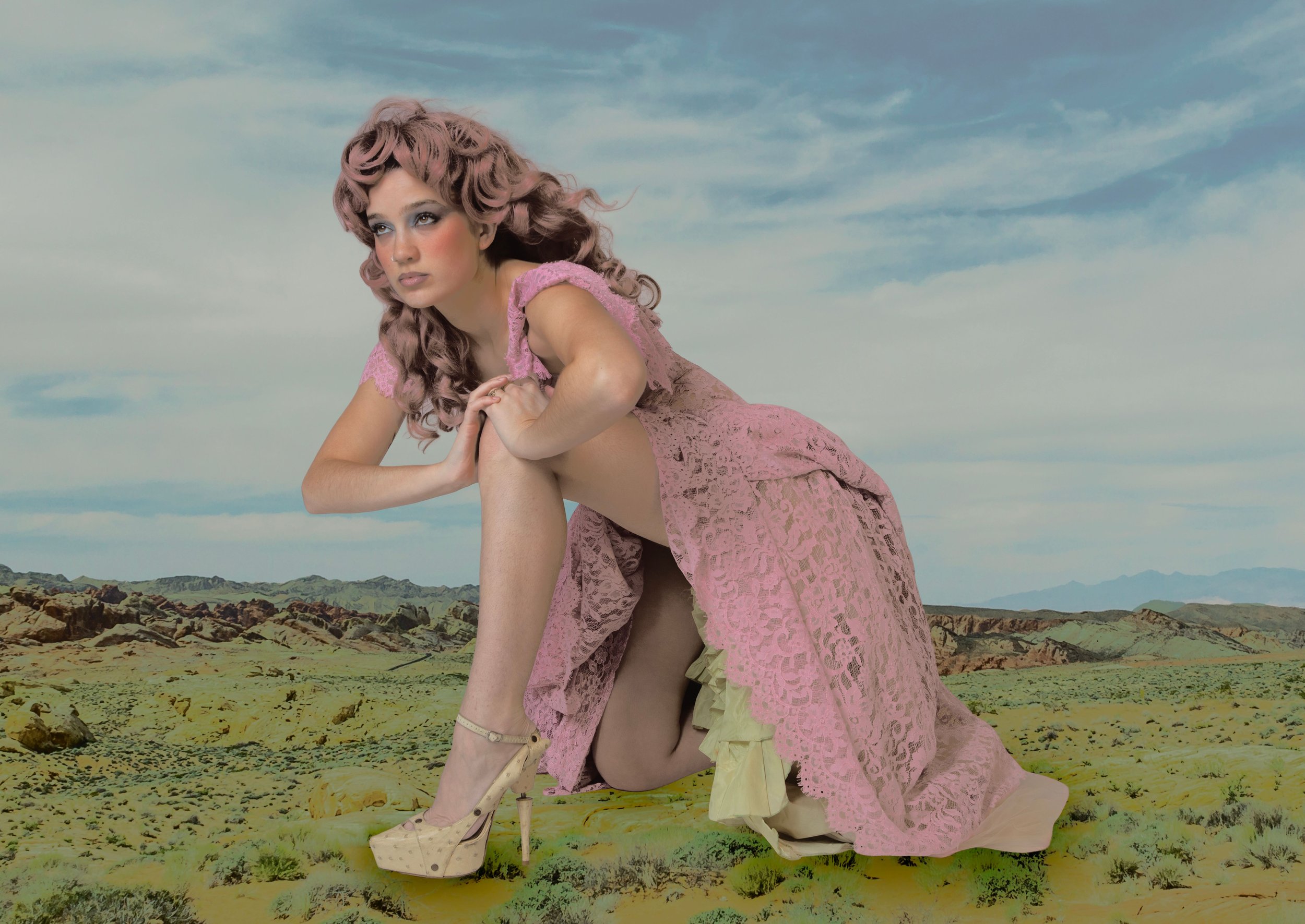
Photo by Dana Trippe
SOMETIMES THE PLACE THAT RAISED YOU—is the same place you have to learn how to outgrow. On “Texas Baby,” out today, Susannah Joffe turns that dilemma into a cinematic piece of art: a love letter to Austin wrapped in confrontation. The song is about missing a place that doesn’t always feel like it misses you back.
Joffe is entering this new era with an undeniable momentum. With over two million monthly Spotify listeners, nearly 90 million streams on breakout single “Die Your Daughter” and sold-out headline shows in New York, Los Angeles and Austin, she’s proven that her rise is anything but accidental. Following 2025’s Cult Leader, which has already surpassed four million streams, “Texas Baby” is a listener’s first glimpse into her long-awaited debut record due this fall.
When we last spoke about Cult Leader, Joffe was reckoning with separation and heartbreak. Now, she returns to something even more personal: home. Written years ago and only recently rediscovered, “Texas Baby” is a song that perfectly revealed itself at the right time.
Inspired by her hometown of Austin, the track covers the complicated grief of growing up queer in a place that shaped you, and sometimes failed you. It holds the rose-colored warmth of beauty pageants and southern charm and the sharper realities of policies and attitudes that have made many feel unwelcome.
We sat down with Joffe to talk about rediscovering old tracks, holding love and grief at the same time and stepping into her debut album era. Keep reading to hear her reflect on home, anger, touring and the existential threads binding this next chapter together.
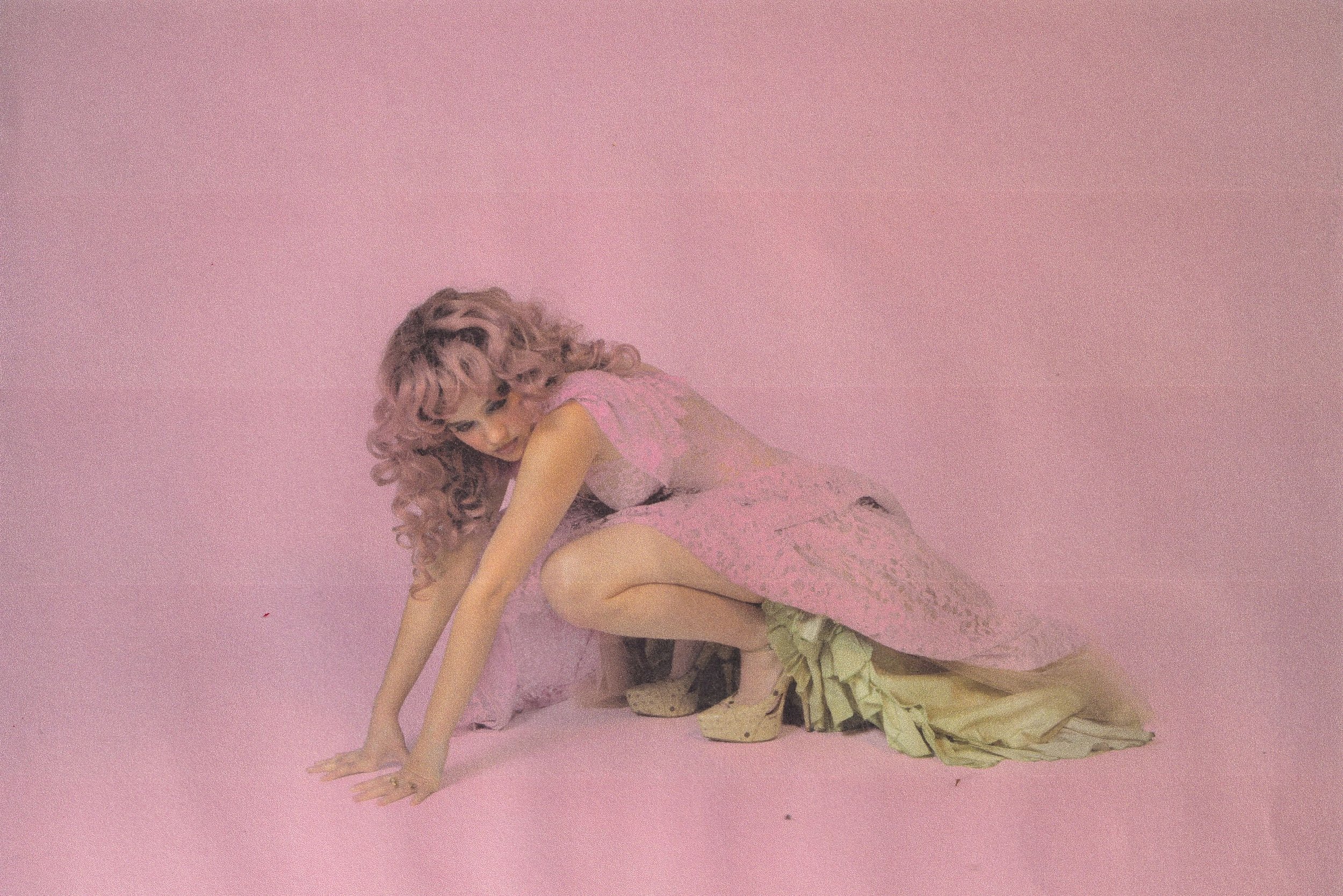
Photo by Dana Trippe
LUNA: We spoke about Cult Leader a few months ago; but fast forwarding to now, where does “Texas Baby” find you emotionally after that EP release?
JOFFE: It’s funny and confusing because I started writing “Texas Baby” before I started writing Cult Leader. I never finished it. It was a song I started writing one year into leaving Texas, and my family was like, “This is amazing. You have to put it out.” And I was like, no, I don’t know. I left it in the back door for years. After Cult Leader, I felt kind of run dry, like tapped. I [wondered], how am I going to make something that feels honest and real? Am I going to make a song again?
I [recently] started writing a bunch of songs and working on a ton of things. Then I revisited “Texas Baby.” I heard it again going through old demos and started working on it, and it was one of those songs where I immediately opened up to it and welcomed it. I really do think of songs as their own living beings. Sometimes a song has to take time. I was talking to another producer about this—I feel like songs, in an alternate universe, already exist finished, and you just have to find them. They have to reveal themselves to you. We redid everything in terms of the vibe. Emotionally, it was a very gratifying and electrifying process because it just felt so right, so fast.
LUNA: I’ve interviewed a lot of artists who have that same process—putting a song on the back burner, letting life happen, and then coming back to it and realizing what it’s meant to be. It’s such a beautiful journey. You describe “Texas Baby” being inspired by Austin. What’s the version of Texas that lives in your memory versus the one you’re reckoning with now?
JOFFE: I live with my childhood best friend, and we were having an extensive conversation about this. The version of home we remember as kids is so different from how we feel about it now. The way she described it was perfect—it’s grief. We go back and we’re still having fun and I still love home, but there’s an element of grief every time. I feel it the second I step into the airport. I’m excited to be back, but there’s this underlying sadness and anxiety; this feeling of not belonging there anymore. Did I ever belong?
Growing up, I saw maybe 50 percent of the picture, and it was sweet—music, food, sun, nature. My parents are super liberal, my grandparents are not at all. My friends were liberal. But then I stayed in Texas for college, and that was the first time I really felt out of place. I got really depressed junior and senior year. Some of that was personal, but deeper within me, it was not feeling like I fit there. People say Austin’s a liberal city, but it’s really not. There aren’t many queer spaces. It’s getting more conservative; I see more Trump signs. It’s painful. But I love Austin. I love the landscapes, I love the people. It’s very complex; it’s a pot of mixed emotions.
LUNA: The song touches on loving something that hasn’t always loved you back. When you were writing it, was it cathartic or complicated?
JOFFE: The writing felt very much like the production process—I wrote the song in probably 20 minutes. It was one of those things where it had needed to come out of me for a while.
LUNA: You’ve built a strong visual world with the Texan aesthetic, punk and drag-inspired makeup and DIY energy. How does “Texas Baby” expand or shift that identity?
JOFFE: With the new music, I want every part of me as an artist to be expanding and growing. I’ve been drawn toward surrealism and bringing theatricality into the Americana landscape. With my last project, I felt like everything had to be this one very specific country aesthetic. Now, I want to expand on that and not limit myself. I want to make stuff that feels honest. Every outfit I pick, I have a bodily reaction to it. When I met with my stylist for the King Princess tour, they pulled some pant options, and I [had a strong opinion and could not] wear pants on stage for some reason.
There’s something about certain outfits that feel so me. I’m drawn toward glitz and glam and the contrast of hard and soft, dark and light; pink silk with dirty denim. That contrast feels very Texas. The video explores that rose-colored-glasses version of Texas—beauty pageants, home cooking, southern charm—alongside bans on drag, bans on abortion, racism, segregation that still exists.
LUNA: Did you feel like you were writing from inside Texas or from a distance?
JOFFE: From a distance. Going back and forth between New York and Texas, I get homesick. When I first moved to New York, I was really homesick because I’d never left before. The song came from that; I miss it, but I’m also angry at it. It felt like betrayal when I grew up and realized how dark everything is. I thought, how dare you take this place that meant so much to me and infect it with this?
LUNA: Sonically, how did the track evolve?
JOFFE: When I first wrote it, it was almost bedroom pop—totally different. When I revisited it, I’d been listening to Pet Sounds by The Beach Boys. I loved the timpani, the organs, flutes and clarinets. I still wanted the vocals to have that “Die Your Daughter” intimacy, then expand into this almost religious, church-sounding hugeness. Once I revisited it, I immediately knew what I wanted it to sound like.
LUNA: Watching “Die Your Daughter” grow the way it has, did that change how you approached this era?
JOFFE: It definitely made me wonder if I should make something that sounds like another version of it. I landed on wanting to be authentic but also give to the people. I want the people who loved “Die Your Daughter” to have something else they can cherish. “Texas Baby” balances that; it has the intimacy but also newer elements that feel honest to where I’m going.
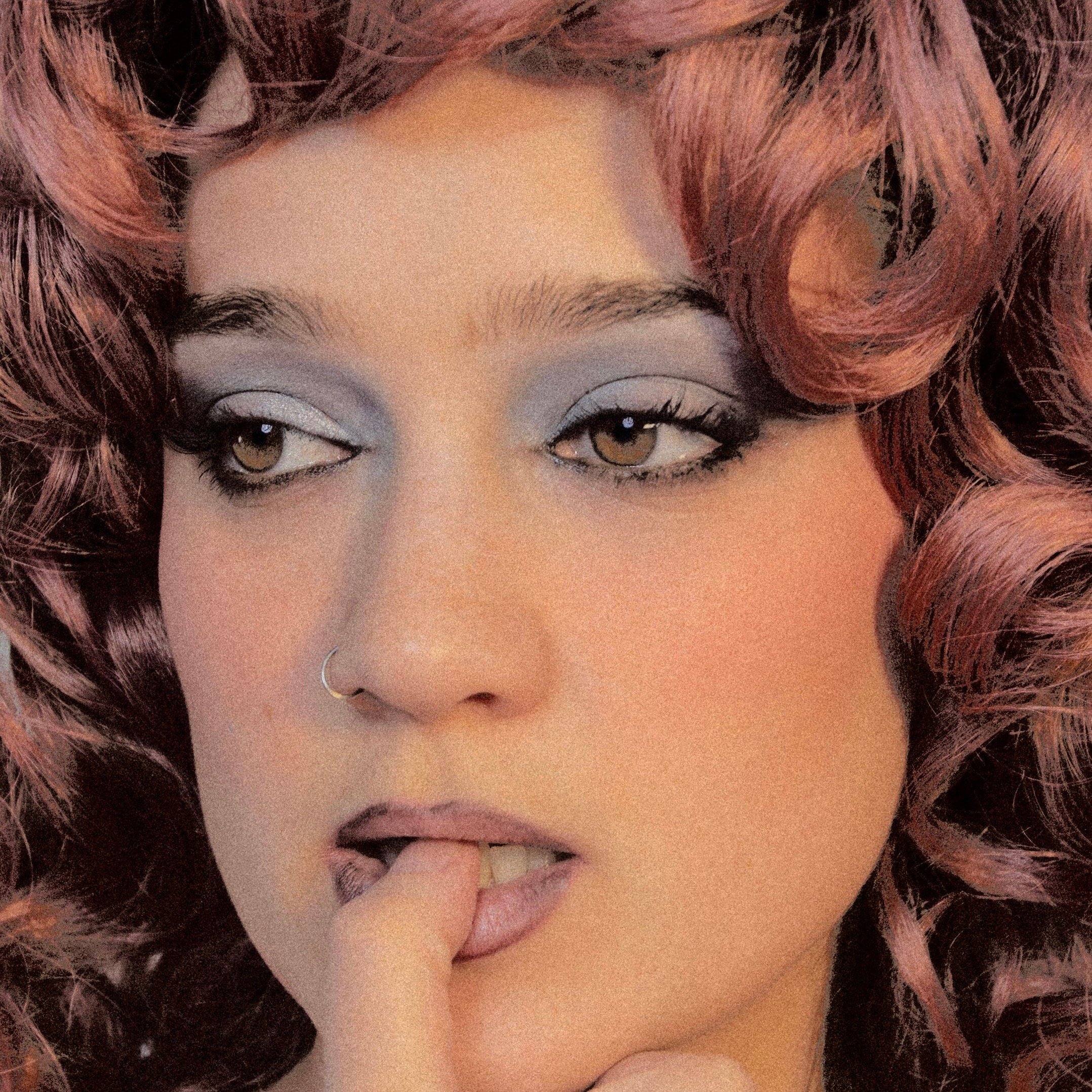
Photo by Dana Trippe
LUNA: What was it like playing “Texas Baby” for the first time?
JOFFE: I played it for the first time on the King Princess Europe tour, but the song wasn’t finished until about a month ago. Singing it in London to 2,000 people was insane. It was the first time I burst into tears on stage. Singing to thousands of sweet queer faces was something I didn’t know I needed as much as I did. I look at my life now and feel so grateful. I’ll be singing it for the first time in Texas at SXSW with Lola Young, and I’m incredibly grateful and excited.
LUNA: As a queer artist from Texas, how do you navigate honoring your roots while calling out harmful policies?
JOFFE: Anyone with a following has a responsibility. Art is political. Having a platform is important. It’s important to call out what’s going on—Palestine, ICE, trans people being targeted. I do fundraising at my headline shows. I have immense disrespect for people who don’t use their voice. I think artists don’t want to speak up about these things because they don’t want to lose part of their audience, but I don’t want fans at my shows who are offended by me speaking up.
LUNA: What can you tease about the debut record?
JOFFE: I’m still figuring it out. I went through all the songs and realized helplessness is talked about a lot; helplessness in terms of the world and my own control over my life and happiness. It’s existential, looking inward and outward at my place in the world, whether I have control and finding pockets of love and brightness through all of that.
LUNA: What have you learned about yourself on the road?
JOFFE: Touring is very hard but very rewarding. I love performing. I like performing songs live before finishing them because I learn from crowd reactions. I want to make vulnerable songs because seeing people cry or talk to me after shows feels special and human. There was a period where I wondered if I should make aesthetic songs that say nothing, but I want to be in conversation with my audience about real life. Touring showed me that.
LUNA: I see you sometimes reposting fans’ TikTok edits with your music. If you could pick one piece of media to have an edit made with this song, what would it be?
JOFFE: I love this question. An Ilya Rozanov Heated Rivalry edit about his relationship with home in Russia would hit so hard.
LUNA: Fingers crossed we’ll get that edit. Maybe one of your listeners will read this and do it! If this album marks a new chapter, what are you carrying from Texas and what are you leaving behind?
JOFFE: That’s a great question. I think there’s a spirit there—god, I sound so spiritual and I’m not at all (laughs)—
LUNA: Maybe musically spiritual?
JOFFE: Right! There’s this “je ne sais quoi” about this energy in Texas that’s warmth and familiarity; I want people to feel at home with it. In terms of leaving behind, I think I have a lot of anger. There’s a part of me that wants to make really angry music, and there’s a part of me that wants to reckon with everything going on in the world right now without being angry. I feel like that’s what I’d leave behind.
