INTERVIEW
INTERVIEW
☆ BY KIMBERLY KAPELA ☆
Shervin Lainez
IN THE ANCIENT CELTIC CALENDAR — Samhain marks the threshold between autumn and winter, a season traditionally associated with death, darkness and the thinning veil between worlds. Representing the end of one cycle and the beginning of another, Samhain embraces the shadows as an inevitable part of transformation.
Singer-songwriter and storyteller Teagan Earley steps into an expansive new creative universe with the release of her highly anticipated debut album, SAMHAIN. A haunting, cinematic exploration of identity, desire, illusion, and transformation, the record introduces the first chapter of The Wheel of the Year, an ambitious four-album journey inspired by the cycles of nature and the ever-evolving experience of losing, discovering, and remaking oneself. Blending deeply intimate songwriting with mythology, theatrical storytelling, and larger-than-life characters, SAMHAIN album unfolds as an interconnected narrative.
Named after the ancient festival marking the transition into winter, SAMHAIN inhabits a world of shadows, endings and new beginnings. Its central themes reflect the often uncomfortable process of confronting who we are, questioning the narratives that shape us,and reclaiming ownership of our own stories. Through evocative songwriting and recurring symbolism, Earley explores the relationship between personal autonomy and transformation, placing female desire at the forefront of the album's narrative.
The project's distinctly feminine perspective is further informed by an eclectic range of musical and cultural influences. Throughout the past year, Earley and her creative team have developed an interconnected musical and visual identity inspired by daily journaling, the spirit of 1970s rock, the emotional storytelling of the Lilith Fair era, and the expansive sounds of modern pop.
At the heart of the album is a desire to challenge familiar narratives surrounding identity, femininity and desire.
With SAMHAIN, Earley also establishes the foundation for The Wheel of the Year, a sprawling creative undertaking that will unfold across four distinct seasonal chapters. Each installment will introduce its own world, drawing from the symbolism and emotional significance of nature's changing cycles. Developed through a collaborative process that intertwines music, mythology, storytelling and ritual.
As the opening chapter, SAMHAIN sets the tone for a larger exploration of endings as opportunities for reinvention and darkness as a space for discovery. The Wheel of the Year begins here, inviting listeners to step into the shadows, confront their own narratives and embrace the transformation.
LUNA: Thank you for talking to Luna. Our readers would love to get to know you and your music more. For any readers who aren’t familiar with you yet, what kind of atmosphere or emotional space do you aim to create for your listeners?
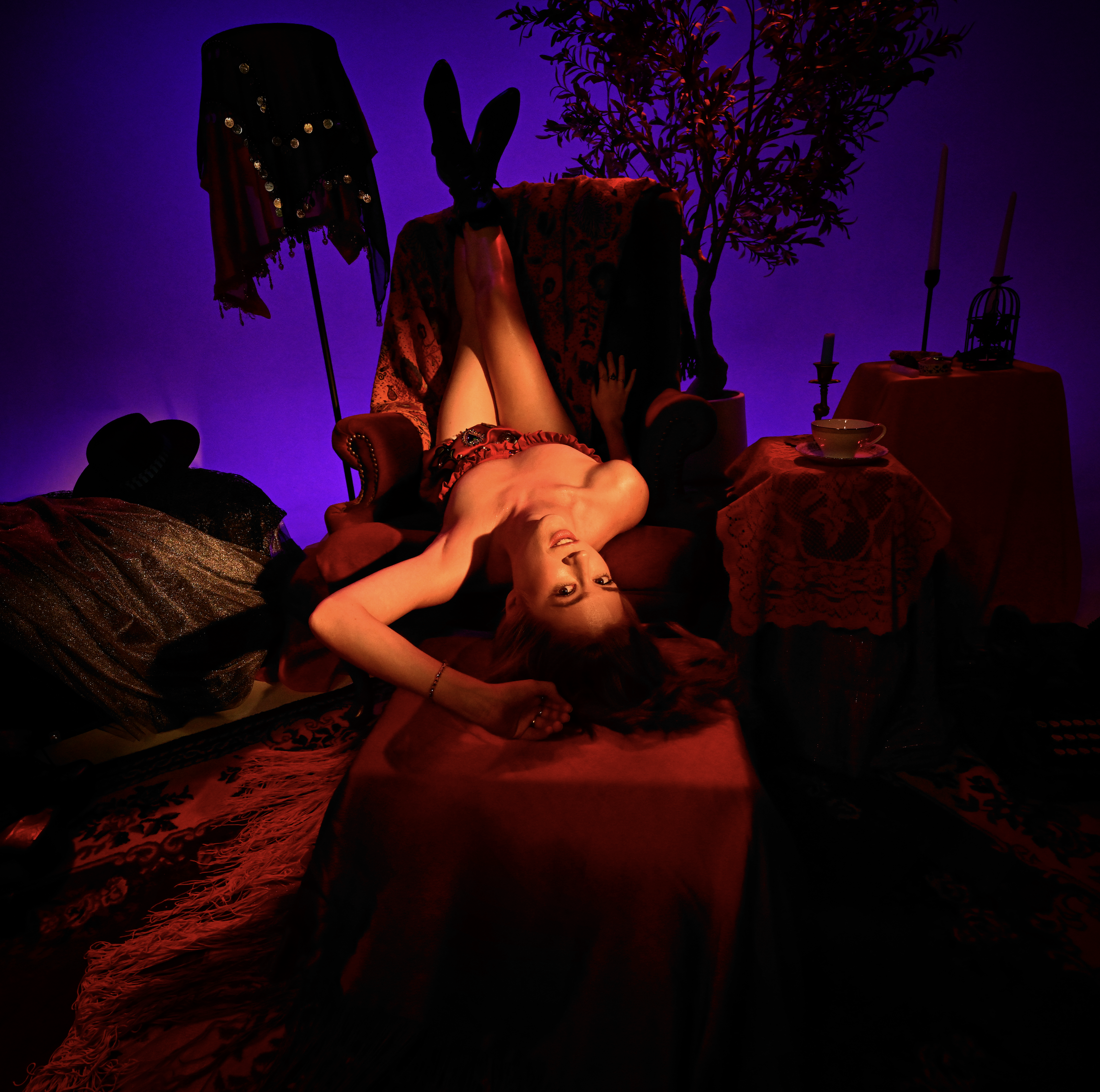
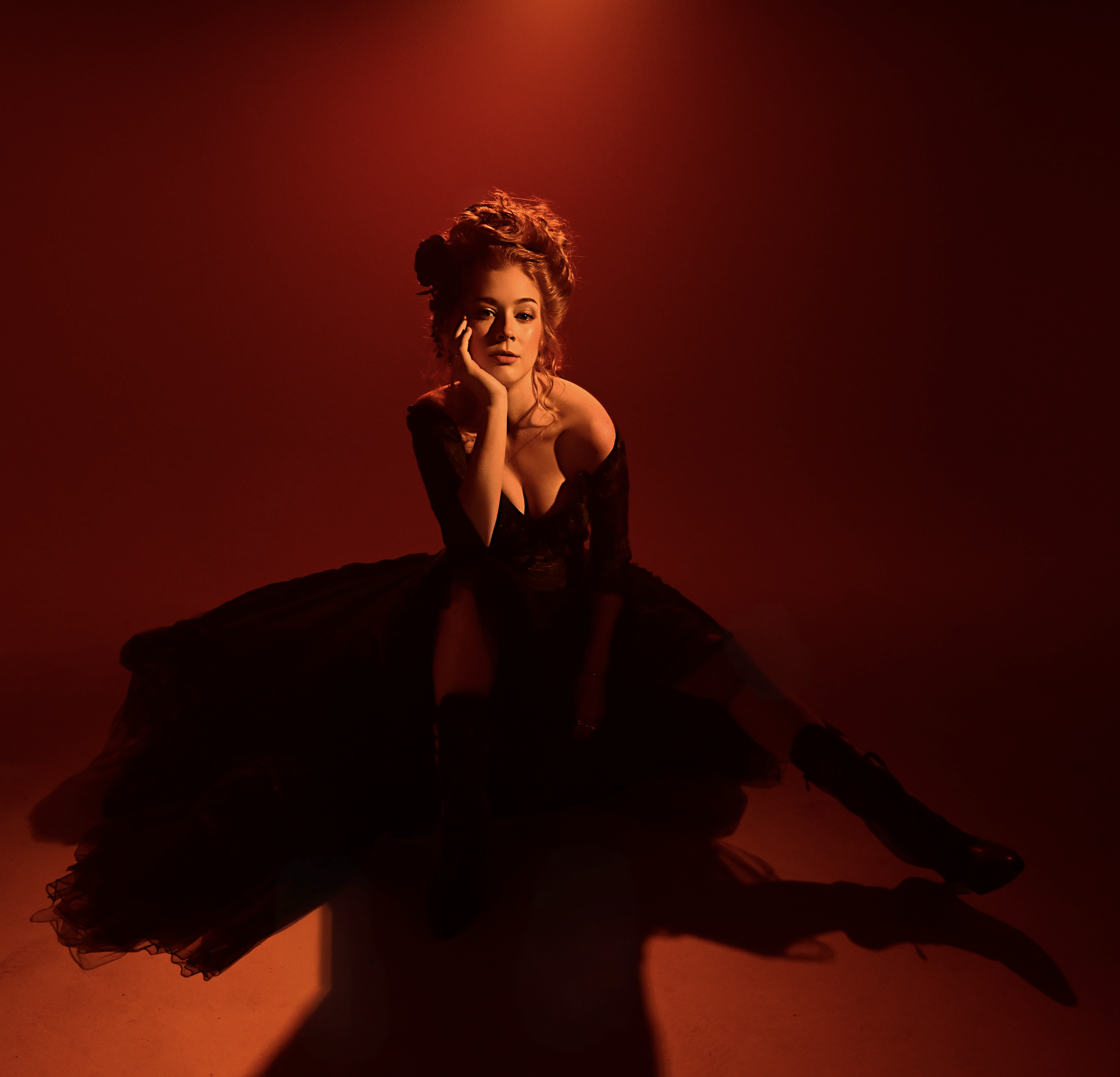
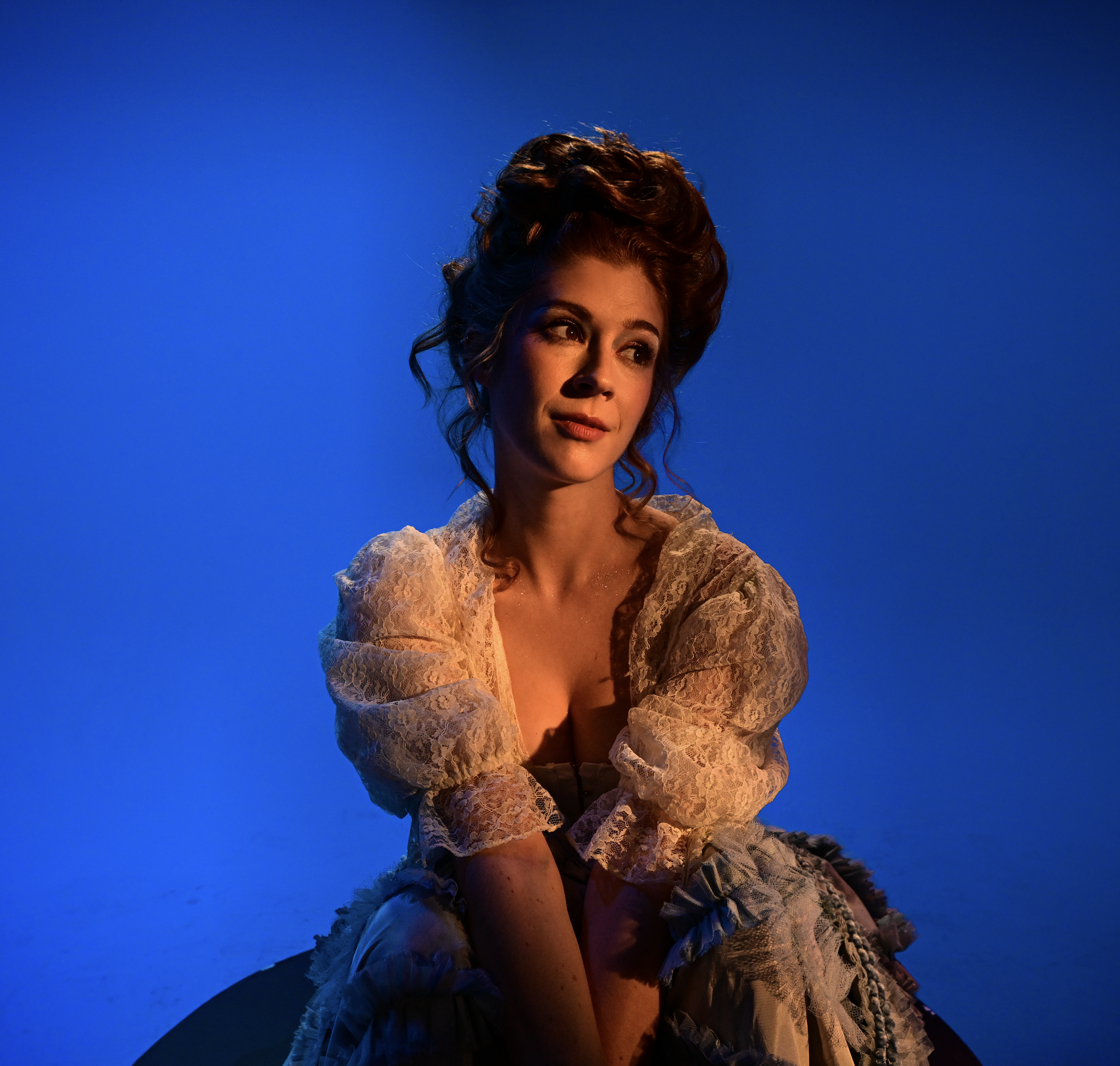
TEAGAN: I affectionately refer to my vibe as spooky pop, and then this project being elevated to a 70s folk rock revival, which I love because that's the music that I grew up loving. The fact that now I get to carry on that ancestry with these releases is really really exciting. It feels like magic because it is.
LUNA: SAMHAIN marks your highly anticipated debut album and the beginning of an ambitious four-album project, The Wheel of the Year. What initially inspired you to build such an expansive creative universe, and when did you realize these songs were part of a much larger story?
TEAGAN: The whole process was entirely based around the Wheel of the Year, and specifically around meditation, self care, and journaling experiences that my creative director Ari Alexander crafted. Because they had done it with one of their covens, and realized that it was a really rich path for an artist to take. She approached me and said, “Is this something that you are interested in engaging with?” Because I also engage in witchcraft, I have been journaling every day, meditating every day, all based around these ideas of the seasons.
This idea of the seasons having certain lessons to teach us, because we are from nature, and nature reflects us, and we reflect it. If you actually stop and pay attention and are super intentional about how you move about the seasons, it can actually help you in theory, reveal more about yourself. That's exactly what happened for me, so much so because I didn't expect the full transformation that would occur through fully giving myself over to this journey. The initial idea was that we were going to do one album about the Wheel of the Year, and it was going to have three songs for each season, and there was just so much creatively that flowed out of me in going through this process, that there was there was no way we were going to fit it all on one album. We ended with four albums worth of material, definitely an album's worth for each season. That's a very exciting prospect to create this album cycle that actually comes out with each season that inspired it. It's ambitious, but it also feels really right. We let the work tell us what it wanted to be, which is my favorite way to approach this.
LUNA: The album takes its name from the ancient festival marking the transition into winter, a time traditionally associated with endings, reflection and rebirth. What drew you to Samhain as the starting point for this project, and how does its symbolism reflect where you are personally and artistically?
TEAGAN: I am very Irish, so I've always been aware of Samhain, and I've always found it really fascinating. Halloween is one of my favorite holidays, and Halloween finds its roots in Samhain. There was already so much in my life that were these invisible strings that led me to starting there, and then it just so happened that when we started the Wheel of the Year last year, it started in the fall. The lessons that that season teaches us have to do with both enjoying the harvest of the previous year, but also this chaos of knowing that the winter is coming. You have to figure out what is going to make it through the winter and be able to bloom again in the spring, and so it's a lot of shedding. It can be a lot of painful realization. The veil is very thin, so there can be lessons from those who came before you that are helpful during that time.
I realized that fall often almost entirely reflected those things in my own life, and never more so than this past year. I had a very chaotic fall where I was having a lot of hard realizations and shedding a lot, and so I was writing a lot about that, and and it was the first time I'd very intentionally engaged with that in that way, and that was an incredibly rich but also very hard time for me, but at the same time, what a beautiful thing to be completely parallel with and engaging with the season to the fullest extent that I could have been, which is that like all there were things that were collapsing in my life, there were things that I was realizing I needed to carry forward and I hadn't prepared prepared to before that point. So it was a very. I had deepened my relationship with it in a way that it felt like the album cycle just couldn't really start anywhere else.
LUNA: You describe the album as a journey toward reclaiming control of our own narratives. Have you reclaimed autonomy throughout the SAMHAIN process – whether that’s personally or artistically?
TEAGAN: Yes, all of the above. Part of the reason I'm so excited to share it with listeners is to hopefully inspire them to walk it themselves is because it's so transformative. You can't help but listen to yourself in a way that you have never listened to yourself before. It's going to bring up a lot of shadows that you probably wish you hadn't engaged with. It's going to bring up a lot of beautiful things that you know will bring you into a deeper relationship of love with yourself. I realized that almost all of my major relationships have started or ended in the fall, so all of that fell into my journals and became part of the creative process and the creative narrative that we were weaving around on this album. It just made me very hyper aware of all the ways in which I am of nature, and therefore, there are a lot of patterns in my life that seem to reflect the seasons as much as the frost in the Midwest does.
LUNA: Do you have a personal favorite song on SAMHAIN — one that feels closest to your heart or most revealing of who Teagan Early is right now?
TEAGAN: The title track is a really good hypothesis for the entire project. I was really glad to be moving forward in the ways that I was, but it wasn't easy, and I was mourning for the person who I was leaving behind, and all of the things that had to die in order for me to get there. This year, I always feel very nostalgic in the fall, and that energy is really captured. From the first moment that we wrote “Bump in the Night,” which was the second single, that's the one I sing the most to myself. That's the one that ends up stuck in my head, and I don't normally sing my own stuff, and so the fact that that one persistently shows up as one that I dance around my house too, I do have a space in my heart for that one.
LUNA: You cite the spirit of 1970s rock, the emotional storytelling of the Lilith Fair era, and modern pop as major influences. Which artists, records, or musical moments shaped the sonic identity of SAMHAIN?
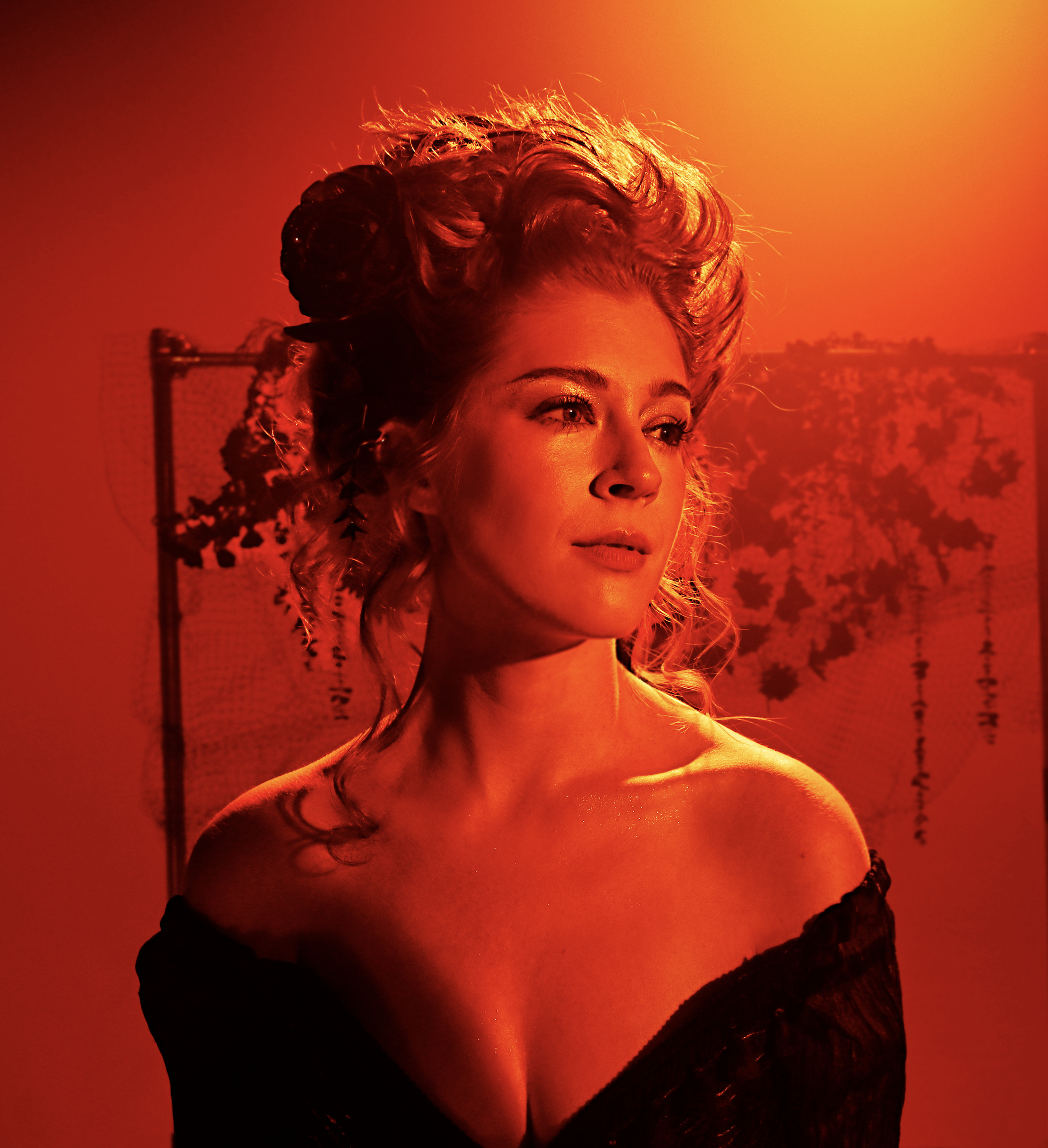
TEAGAN: All of my faves. All of the ones that I just listened to nonstop growing up. I would say we did really lean on the 70s as inspiration for these albums because there was something about the fact that era of time was so rebellious. It was so magical. It was entrenched in feminine rage in a way that we hadn't really engaged with in music as blatantly before that point. There were so many messages of love, and love is the great connector, and art as something that can be a vessel for that.
In addition to the fact that Stevie Nicks, Prince, and the Eagles, and all of these incredible monoliths of 70s rock have been inspirations of mine for as long as I can remember, they really fit very well into the fabric of the musical tapestry that we were trying to make here. Getting to carry on the lineage of that musical era was something that I took so seriously and that I really wanted to be true. Luckily, we had this incredible producer who executive produced the entire album named Carrie Singer, and Carrie bought equipment that they would have used in sessions in the 70s to give us these very authentic ways of putting distortion on the sound. All the equipment that we used was what Joni Mitchell would have used. I consider that a privilege that I was very honored to carry on.
LUNA: The Wheel of the Year is an ambitious four-album undertaking, with each installment representing a different seasonal chapter. With SAMHAIN establishing the beginning of this journey, what can you share about the evolution listeners can expect as the project moves through its subsequent seasonal chapters?
TEAGAN: The Wheel is both the music and also the process. One of my favorite things about starting this process has been the fact that anyone who signed up for my newsletter gets the same prompts that Ari gave me a year ago. I just send those out every single week, so that you can really engage with the themes of the seasons and the lessons of the seasons yourself, and go on your own path with it. The music is the supplement to that, so I think that the one thing that can be expected from not just SAMHAIN, but all the albums that follow, is that each season's going to have their own flavor. We let the seasons tell us what they are, rather than us demanding anything of them. Every single album that we have begun to work on, we've introduced something new to it that felt very informed by the season itself. Even as the albums go along, we go further into the 70s, where we start in 1970 itself and then we move as the seasons move forward, maybe up into you know by summer we're hitting disco and we're hitting ‘79 and starting to move into the 80s. I think each of them is going to comment on the last and continue the conversation because that's what time does is, it just keeps marching forward
LUNA: How do you hope listeners — especially your femme audience — can connect with or find power in this new era of music from you? What emotions or messages do you want to leave with them?
TEAGAN: That they are the magic that they've been looking for. I think we have this idea, especially as women, that we have to be told who we are, and we deal a lot with those myths, not just the myths that other people put upon us, but myths that we end up telling ourselves based on the environments that we're in. We touch on that a lot in SAMHAIN, especially. It's very much about that idea of what identity actually means and where it comes from.
Regardless of whether you listen to the album or not, you should always carry with you that it comes from you. No one else gets to define that. Those myths need to be stripped away, and you need to weave the myth of yourself. You need to tell your story first, and I think for women especially, that's a very hard thing to do because we are conditioned from before we are even fully sentient in the opposite direction. I have undergone that process many times in my life, as I know many people have, and this was definitely one of the most powerful times I have undergone that transformation. The magic came fully from me. I hope that I can encourage other people in that direction, even if I'm just the conduit for that, because I'm not going to be able to give it to them. The album's not going to be able to give it to them. Nothing's going to be able to give it to them. They have to find it within themselves and then let that permeate outward.
LUNA: How are you feeling in this current era of your career and what does the rest of the year look like that you would like to share with Luna?
TEAGAN: Gratitude doesn't even feel like it's a big enough word for everything I feel. I am literally living my dream. I am writing all the time. I am meeting the most miraculous, wonderful people and creating with them, which is the whole point of art. I get to engage with and connect with people all over the world. I'm traveling all over the world, and that's definitely the most chaotic part of right now. I feel like I'm on a plane every three days, but it's the joy that keeps on giving. It's incredibly life-giving. I'm very at one with myself and at one with the world around me, and I think that's exactly what we were made for as people.
We're almost done writing Winter and finalizing that, and so I think we'll finalize it and get it ready to keep the wheel turning forward. We're planning on scheduling a couple more writing camps for spring and for summer eventually. I miss performing more than anything because there's nothing like being able to do the energy exchange that comes with actually being in the room with people, and so I'm looking to get back to performing in whatever form that takes as quickly as possible. Definitely one of my goals is to is to get back on the road as soon as possible.