
Q&A: The Wldlfe Reboots the Narrative on New Album ‘Revolver, 2026’
INTERVIEW
INTERVIEW
☆ BY CHRISTINE BITONTI ☆
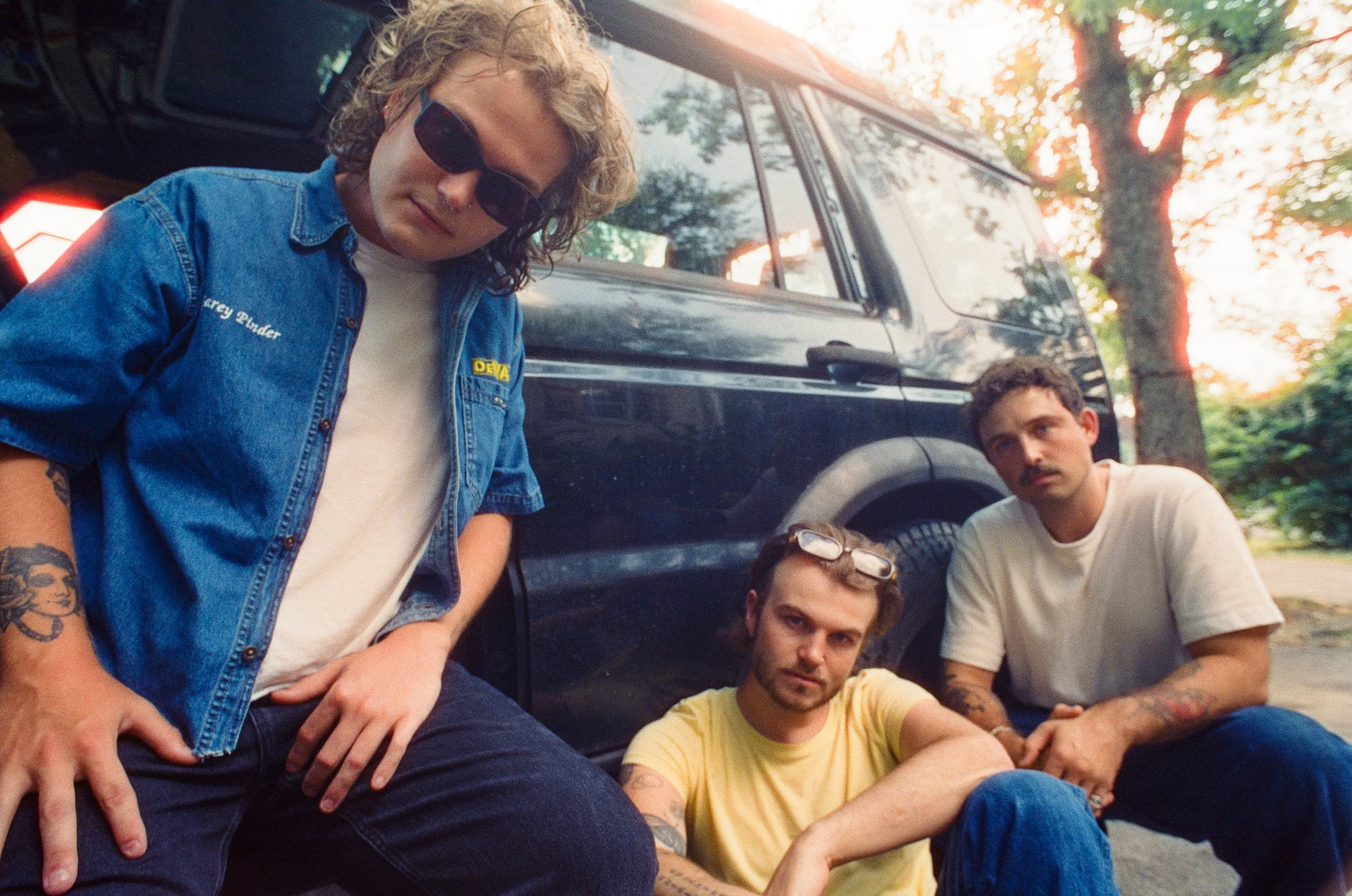
THE WLDLFE CONSTRUCTS AN ALTERNATE REALITY—as they explore new territory on Revolver, 2026, out now. In 14 tracks, the band tells a story of love, longing and the aftermath of heartbreak, but through the eyes of someone else.
The Indianapolis-native ensemble—formed in 2016 by brothers Carson and Jansen Hogan, alongside Jack Crane and Geoffrey Jones—never does the same thing twice. Following their lover era, encapsulated in the 2024 album, Heaven is a place, The Wldlfe aimed to take both their production and lyricism down a new path. They’ve become known for autobiographical songwriting, but Revolver, 2026 weaves a coming-of-age story, as the group imagines the life of a person they’ll never meet.
Now, the trio is entering their 11th year in the music industry, and they’re moving with different intentions. Revolver, 2026 has an element of musical timelessness to it, with tracks that incorporate a unique mix of classic rock, contemporary pop and alternative indie.
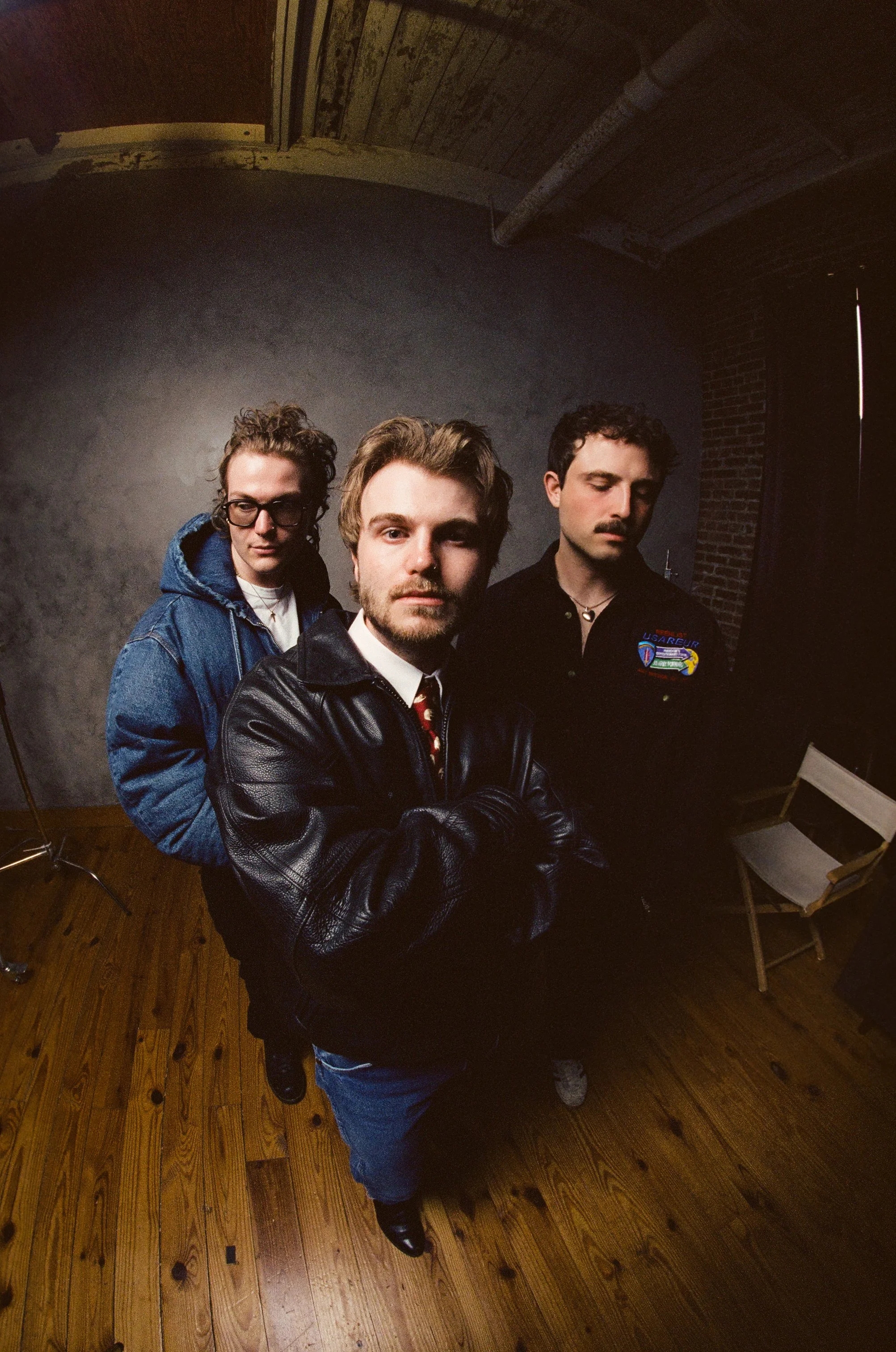
The Wldlfe sat down with Luna to reflect on sonic growth, the songwriting process and their evolution in making Revolver, 2026.
LUNA: For anyone who doesn’t really know you yet, how would you describe your sound and your identity as a band?
THE WLDLFE: We make an effort to always be doing something different. We never want to repeat the same project that we made in the past. I think it's hard to put a genre on it, but I would say that we fit into an alternative-pop category overall.
LUNA: Can you explain why you chose the name “Revolver” for this album?
THE WLDLFE: It started as an inside joke. I don't know why we got on “Revolver.” We liked it and we were like “we should change our band name to that.” But that's an insane thing to do 10 years into a band, so we were kind of like, “Well, what else could we do with this?” We went and wrote a song called “Revolver.” We'd already had a song called “Ruby” that was kicking off this big idea for the album, and “Revolver” felt like a good ending to that story.
LUNA: So, does this album tell a story, and “Revolver” is the end of that story?
THE WLDLFE: Everything up until this point has been pretty personal. For this one, we wanted to push ourselves and try something different. Jansen wrote “Ruby,” and that felt like new territory for us. That song, in and of itself, is a story alone. We got intrigued by that. Who is Ruby? What is the bigger thing here? So we explored a bit of a narrative, and tried to tell a coming-of-age story in 14 songs.
LUNA: Do you all combine your stories and experiences for a song, or would you say one person writes one song?
THE WLDLFE: We do a lot of co-writing, so I don’t think it’s necessarily just the three of our experiences. When you're writing a narrative like this, there's obviously gaps in the story that we needed to fill. We were able to draw from our own personal experiences to fill those gaps and write songs that made sense within the story.
LUNA: You mentioned before that there's no “I” in The Wldlfe because it's a team effort. As you get bigger, how do you maintain that team-oriented attitude in such a high-pressure industry?
THE WLDLFE: In this line of work, if you’re lucky enough to work with your friends, it makes it a billion times easier. We’ve been really fortunate. A lot of our touring crew and people that we play on stage with are really great friends of ours. That always makes the experience richer and more fun overall.
LUNA: With this album, you're revisiting those breakup songs that you wrote for a long time. Has your approach to writing them evolved along the way?
THE WLDLFE: When we were writing songs in the past, they were very relevant to what we were individually going through, and the songs on this record are not. It was a fun challenge to channel what it felt like when we experienced it, but tell it in a way that was different.
LUNA: Someone who doesn't know you well might just put you into the alt-pop category. You could have gone that route, but you really did your own thing. Where did that inspiration come from?
THE WLDLFE: The three of us have really different music tastes. Truthfully, we just get bored sometimes of doing the same thing, so we like to switch it up. Also, we’re all getting older. Music tastes change. Going into this record, it was a big effort to have it feel a bit more grounded by prioritizing the instruments in the room and capturing what it feels like to be onstage. Artists who do that kind of sound—it just sticks around. It’s timeless in that way, and we want to make that kind of music. It’s funny being 31 in a band playing songs you wrote when you were 20. I feel old playing them. I have more of a desire to be making music that will still resonate sonically or lyrically when I’m older.
LUNA: I understand that. Music taste definitely does evolve over time, but it's also cool to have those songs you wrote when you were much younger to look back on.
THE WLDLFE: Bieber, I'm sure, still plays “Baby.” It takes on a new life too. But I think he probably has a similar thing where he's like, “This isn't for me anymore. This is for you guys and your connections.”
LUNA: You said that on your last album you felt like you really solidified your sound. Did you feel like there was more room to explore and expand with this album?
THE WLDLFE: Definitely. Some of the growth that we experienced sonically on this record is actually using more restraint and not using all the bells and whistles to make the record. There’s also some things we doubled down on from the last record. We took how we felt about those songs and tried to continue to grow off [of] those. You’re always taking what you learned from making the last record. When you finish a new one, you’re like, “I wish I could start this project over now because I learned so much from doing it.”
LUNA: Are there any songs on this album that you had a really standout experience writing? Something that really stuck with you?
THE WLDLFE: I think “Saturn.” We just made a simple, four-bar loop, and we mapped “Saturn” out as we went along. We weren’t really writing anything down. I have a half-hour long voice memo of us just shouting things out. It felt like the song was there and we were sifting through it. Sometimes your instincts are right; you try something new and it’s perfect. And sometimes you think it’ll be easy, and it takes you nine months.
LUNA: Do you have any moment with a song where you know you’re done making it?
THE WLDLFE: It's different for everything. I always say the hardest part about making a record is finishing it before you're sick of it. Once you start to get close, you make a little list of tiny things that need some attention. You check everything off the list, then you listen again. More things pop out. Eventually you just listen to it and you’re like, “Yeah, it’s done.” You have to learn to live with it at a certain point. Otherwise, you’ll drive yourself crazy and make it worse.
LUNA: Would you say that you're most proud of where you are now and what you've been doing lately?
THE WLDLFE: In short, yes. This is the most satisfying album experience, in terms of how we feel about it. I think we achieved what we set out to do. Like we said earlier, after finishing the last one, I wished we could take everything we learned and start it again. With this one, I don’t necessarily feel that way. We left it all out on the field.
