
Q&A: Tommy Lefroy’s ‘The Precariat’ is proof that everything is political
INTERVIEW
INTERVIEW
☆ BY AUGUST NGUYEN ☆
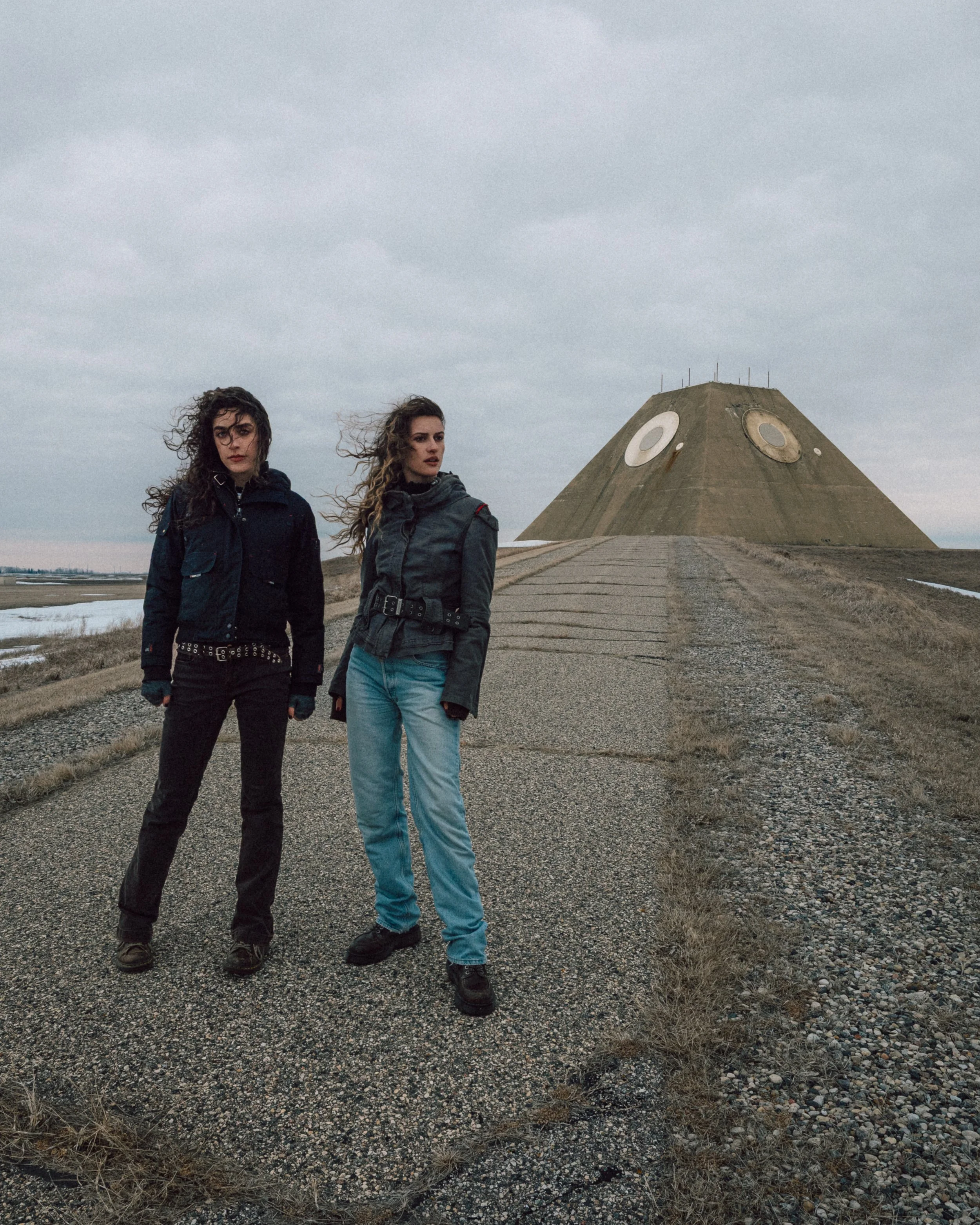
TOMMY LEFROY DO NOT TAKE THEMSELVES VERY SERIOUSLY—but their music? Very much so.
An unabashedly political body of work, The Precariat sees soft-rock duo Wynter Bethel and Tessa Mouzourakis asking big questions about capitalism, disasters, and the American empire through strikingly intimate melodies and imagery. From the silly pop single “Slush Puppy” about hyperconsumption to an interlude titled “In paradise, war is prevented by mothers,” this debut record is more than an adequate testament of their songwriting ability to make the personal so overtly political. Such a feat is accomplished not just through literary references and heavy subject matters, but also through humour and irony.
“Levity, above all, is so important amidst all of this madness so we think kicking off the campaign for The Precariat with a single like “Slush Puppy” is a reminder of that. And then we’ll get into business,” Bethel says.
In an entertainment industry where art sometimes excuses activism, Tommy Lefroy confront this relationship head-on. The language of politics comes to define even songs as diaristic as “Vacuum”—a rare track about themselves on the record: “I had nothing/Then I found you/Built an empire/In a vacuum”. This level of commitment to the thesis statement makes The Precariat defiant of both the social institutions it critiques and the many sad-girl-summer playlists that Spotify algorithms will probably put it in.
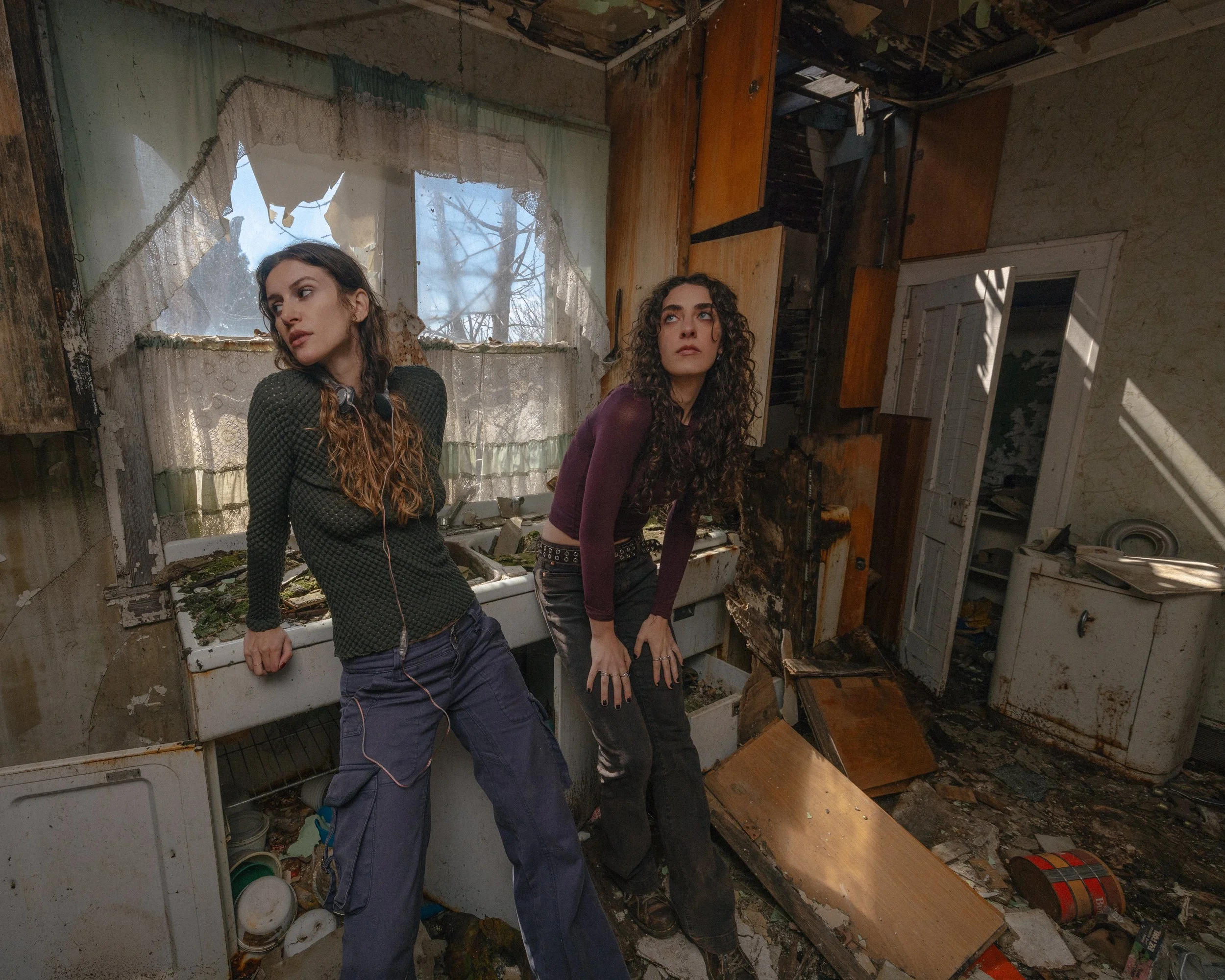
Photo by Brendon Burton
LUNA: Congrats on your debut record! How did it come about? Did you know this was going to be a full-length project when you were writing the songs or is it the other way around?
BETHEL: Thank you! We’ve been trying to make an album for a long time. A few of the songs on The Precariat are four or even six years old, which is what’s so special about this record. It’s a collection of songs that document our journey thus far as Tommy Lefroy. It was so cool that we could use songs we’d been saving since 2019 and still have them feel relevant.
MOUZOURAKIS: The debut was definitely a long time coming. I feel like for every EP we wanted to start making the LP but things got so hectic after Flight Risk came out until last year, which was the first time we actually got to compartmentalize recordings and really focus on it. As far as the early songs go, it was just a gut feeling we had when we were writing that we wanted them to be on our first full-length project. We didn’t know it would take this long (laughs).
LUNA: Is the songwriting process any different from that of your previous EPs Flight Risk and born blue?
BETHEL: I would say it feels similar. The only difference was that for The Precariat, we already had a theme in mind so we were writing around a title which is a very Nashville-esque songwriting process (we met in Nashville). We took the thesis pretty seriously and wanted all the songs to feel cohesive and in conversation with each other. We were thinking more broadly in that sense but the actual ways in which we write and collaborate haven’t evolved that much. It’s still a lot of one person sending over a track title, theme, or idea and we’d both go from there.
LUNA: Literature is obviously a big inspiration for you both. Many of the songs in The Precariat including the album title take direct quotes/phrases from books—even the band’s name refers to Jane Austen’s heartbreaker muse Thomas Lefroy. Has the music you make or listen to ever, in turn, influenced what you read?
MOUZOURAKIS: Totally. Especially this time around because we knew we wanted to call the record The Precariat which is an economic term, so we made sure to study and grasp the context for it before expressing it in songs. We use the term quite literally but also as a metaphor for feeling precarious emotionally and in every way. We treated this record almost like a thesis so we did a lot of readings specifically on precarity in times of disaster, capitalism and the surveillance state—anything we reference in the record we want to fully understand it.
LUNA: Do you normally read this genre outside of work?
BETHEL: We definitely had a “re-education” phase where we started becoming particularly interested in these topics a few years back. I think this in part stems from what was happening in the world and the way things were accelerating—watching the genocide in Gaza unfolding, for instance, made us ask questions about the systems in play and why they let these kinds of atrocities happen. That propelled our investigation of such events through books and essays but we also just bond over writing and reading in general. I studied history in university as well so I’ve always loved non-fiction and economics and whatnot. There’s certainly a greater level of urgency in reading what we do given the current state of the world so we’ve been continuously building upon what we know and read before.
LUNA: How do you reconcile with being in the entertainment industry amidst all the chaos in the world? Besides, of course, by writing about it?
MOUZOURAKIS: It’s difficult especially going into this record cycle because our worldview has changed so much given everything we’ve read and been thinking about. The platforms we rely on to distribute our music and connect with our audience are also being taken over by tech oligarchs so it’s a very volatile and changing industry to be in. There are so many things in the arts that are out of the artist’s hands like being contractually obligated to keep your music on Spotify so I guess we’re trying to take everything as it comes, one step at a time. At the same time, we really believe in this record and the message it conveys so we’re just using the platforms we currently have to start the conversation. Hopefully in the future we could get to a place where we can afford to be more defiant of the system but it’s hard when you’re an independent artist.
BETHEL: We actually talked about this earlier on in the process, when we were trying to figure out ways to give such a defiant message the support it deserves and reach people who need to hear it most. A big part of this was obviously engaging with social media and the very systems we critique which at times felt very silly like creating content to promote a song about hyper-capitalism (“Slush Puppy”). However, the fact that people respond to the content and the questions we raise in these songs alone makes everything worth it. The whole point of this record is to start conversations. It was definitely a paradoxical situation which we struggled a lot with in the beginning but it is what it is. Everyone’s on the internet.
LUNA: “Slush Puppy” is a surprisingly bright and silly track within a record that takes itself quite seriously. Why was it the lead single?
BETHEL: We didn’t want the whole thing to be on a low. We also thought a lot about the live shows when we were writing—a fun, cathartic pop rock show so that song with a full chorus and hooks and drums felt like a moment the shows needed. The whole idea of the track felt funny as well where critiques of overconsumption and capitalism are wrapped in bright pop melodies. We take the music very seriously but we don’t take ourselves very seriously. Levity, above all, is so important amidst all of this so we think kicking off the campaign for such a political record with a single like “Slush Puppy” is a reminder of that. And then we’ll get into business (laughs).
LUNA: Your music has always seamlessly blended the political with the personal. One of my favorite lyrics is from “The Cause” off of Flight Risk (2021): “Could’ve been a poet in a hotel lobby/I’m just sleeping with your college degree.” Why make politics the clear and central theme of your debut album?
MOUZOURAKIS: I think the state of things feels increasingly dire and, at the same time, people have a tendency to tune out what’s happening so for us, that was what really came to the forefront of our experience. Politics affects our personal relationships and everyday life so we simply couldn’t ignore it or imagine how other artists could. It felt like we had an obligation.
LUNA: Besides politics, what inspired The Precariat?
MOUZOURAKIS: We seek inspiration less for the writing and more so for the sonic direction and overall production, but I will say we were referencing Springsteen a bit with the title track “The Precariat”. We were also listening to a lot of Fontaines D.C., Wunderhorse, Tori Amos and PJ Harvey. Who am I missing?
BETHEL: Patti Smith. We love Patti Smith and were definitely referencing a lot of those unapologetic female rock voices, the way they launched so fearlessly into their records and just bear it all. That was such a strong influence emotionally and spiritually for us.
LUNA: Favorite writers?
MOUZOURAKIS: We love Anne Carson! She’s been a constant source of inspiration in the way that she approaches language and references so many different writers throughout her work. Lauren Elkin wrote a book called Art Monsters which we got to read first and pulled the track titles for “Rokeby Venus” and “Angel in the House” from, so that’s another big one.
There’s also Naomi Klein, another Canadian journalist whose work was a big turning moment for us (I didn’t want to say turning point) (laughs). Her book The Shock Doctrine about disaster capitalism and shock therapy was our introduction to a lot of the concepts we reference and prompted us to explore them in more depth. She’s just an excellent writer and activist. We’ve also been reading Sarah Kenzie and Masha Gessen’s work on Trump and Russia which led to my little sidequest of learning about post-modern Russian history. We kind of dug into many different topics along the way as we were reading and writing for the album which is really cool.
LUNA: What can you tell us about The Precariat tour?
BETHEL: It’s been two years since we did a tour, so we’re just excited to meet everyone again. We’ll be doing our little bookswap which is always really fun. I think the show will be a bit heavier compared to our previous ones because we want it to feel more like a rock show, more raw and human in that sense. We just hope that it can be a moment for people to feel joy and grief and all of it in a safe space and give them a sense of community that I feel like we’re slowly losing virtually.
LUNA: Love to hear that it’s going to be a rock show, hopefully I’ll see you guys crowdsurf.
BETHEL: We’re tall so we’ll crush people unfortunately… but we’ll be getting down for sure!
