
Q&A: Tucker Miller on the How & Why of Starting Your Own Music Festival
INTERVIEW
INTERVIEW
☆ BY KATELYN BERBERICH ☆
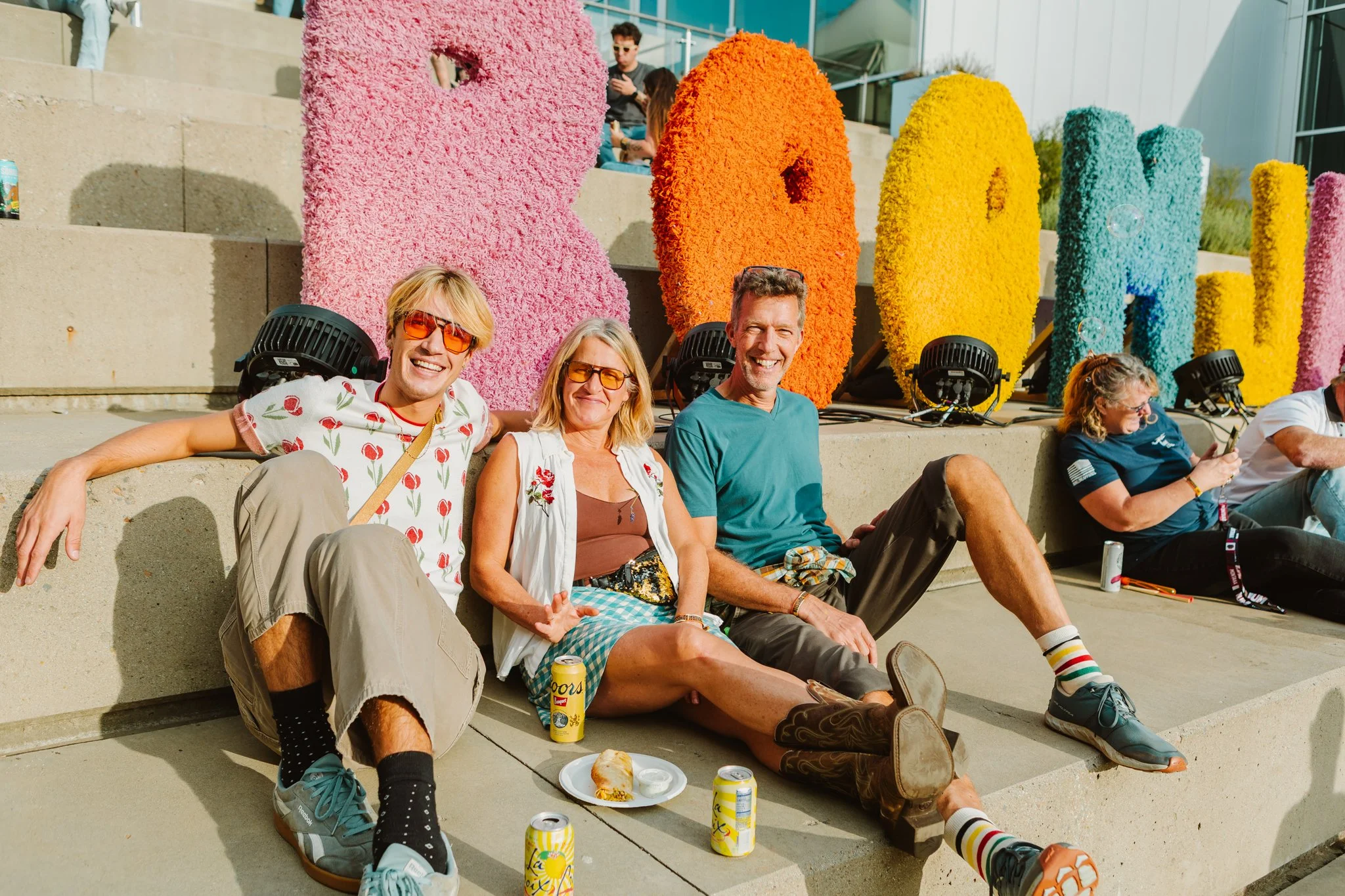
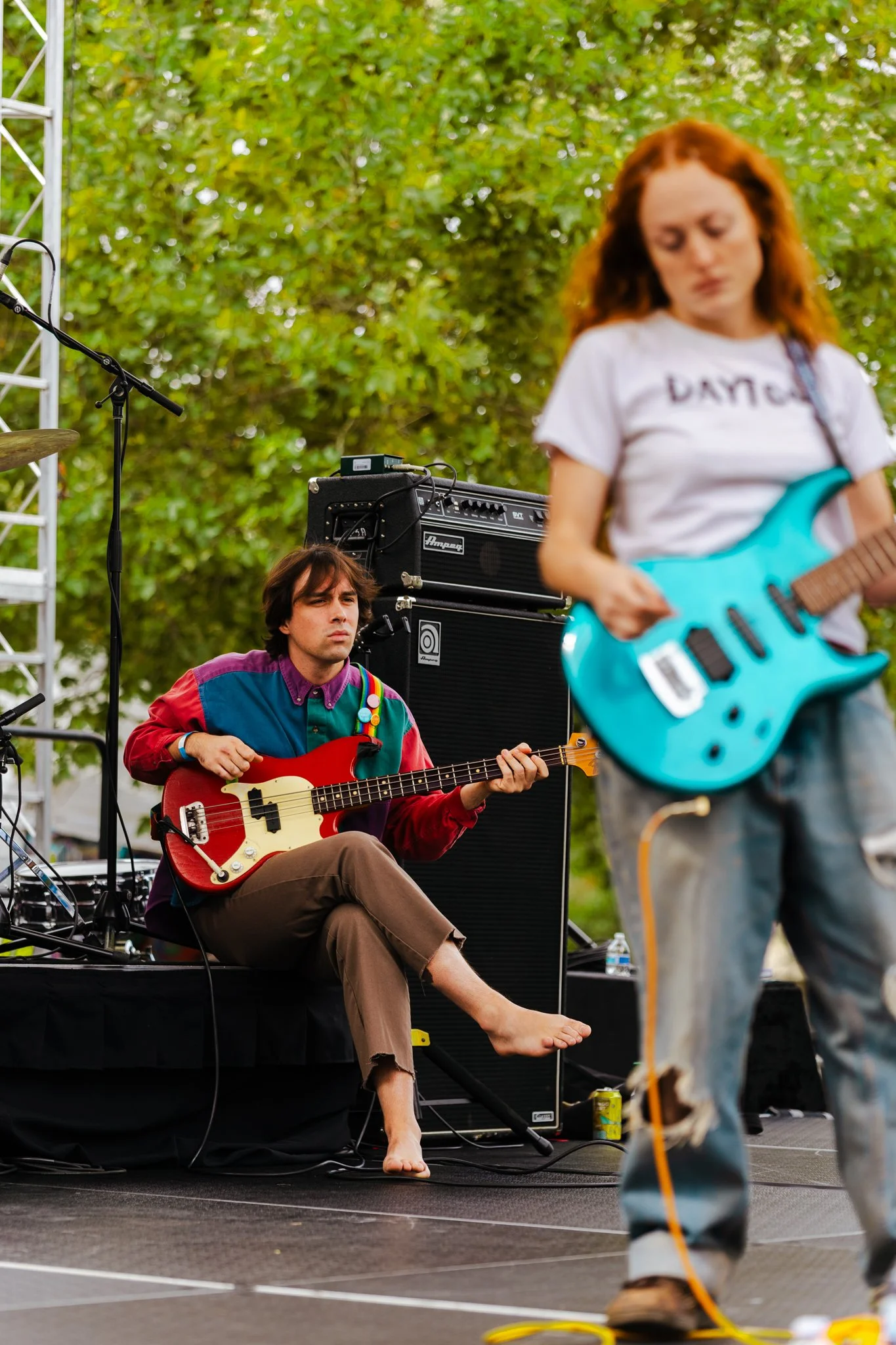
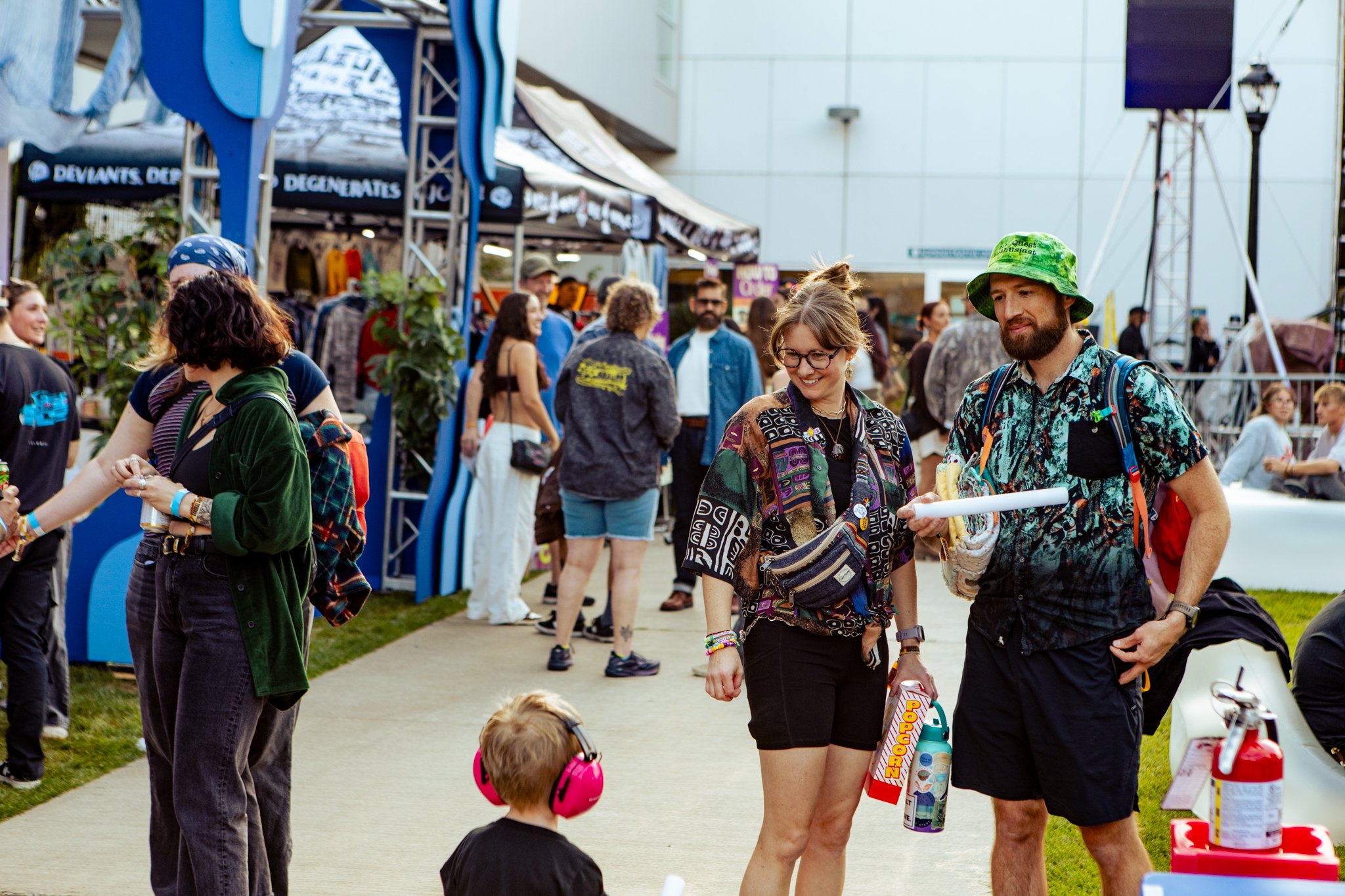
Photos By Katelyn Berberich
TUCKER MILLER STARTED HIS OWN MUSIC FESTIVAL WITH ONE GOAL IN MIND: develop the creative economy in Spokane, Washington. Perhaps you’ve never heard of it before, perhaps you only know it because it's the town Sydney Sweeney is from. Regardless, Miller recognized the potential for young people and creatives to call Spokane home- and got to work.
Miller grew up on all-age music venues and local talent dominating the music scene. After seeing many of these music venues die out and countless artists move away, he decided to invest in the infrastructure to keep creatives around.
Boomjam Music Festival is truly about building community in spaces where there’s potential for creativity to thrive. In this Q&A, Tucker brings us along the journey of building Boomjam, as well as his advice on how to get yourself involved in the festival scene.
Read below to learn how Boomjam began and gain insight into what makes a festival run.
LUNA: Can you tell us about Boomjam Music Festival and the deeper meaning behind kick-starting this massive project?
MILLER: I'm someone who grew up in Spokane and went to tons of concerts at a bunch of all ages music venues. Most of them have closed and the all-ages festivals have died. So, Boomjam is really a catalyst for growth in Spokane, and a catalyst for retention of young people in a creative market.
Boomjam is an intentional project to develop the creative economy in eastern Washington more broadly, and specifically in Spokane, so that we can retain young people in the creative economy and Spokane market. It provides more opportunities for creatives and artists, especially musicians who grow up here and want to make this place home.
LUNA: Can you tell us a little bit about your roles with other festivals and how they pushed you towards pursuing your own?
MILLER: It’s funny because it's actually the opposite. I intentionally worked festivals with the end goal of understanding every layer of how they operate, and ultimately building my own. That was always the intention from the very beginning.
I've done everything from security at clubs in Seattle, to venue managing, to stage managing, stage liaisoning, artist relations, production, site operations, volunteer coordination, you name it. Each time I would network my way into a new position, tell people I knew what I was doing, and then figure it out as I went.
LUNA: What would you recommend other creatives do if they’re looking to get involved in festivals?
MILLER: Honestly, just getting scrappy and taking as many positions as possible is a great way to get in. Festivals are a perfect way to start meeting people in the spaces you want to be in—but it's always dependent upon your goal.
If your goal is to become an artist manager, or to become an agent, festivals are still great places to be, because it's gonna give you invaluable experience to understand all aspects of the industry. You interact with a lot of people, but it doesn't necessarily give you the skill set of how to advance, negotiate or know how to turn down bad deals while still maintaining relationships. There are tons of internships out there, that sort of thing, but festivals happen to be the place where everybody in every position within the industry collides in one spot. The networking opportunities are really unmatched.
LUNA: For Boomjam specifically, can you tell me about developing your strategy for branding?
MILLER: I have my own personal taste preferences of course. Sasquatch was a festival in central Washington, and I'm a Psych Rock head because I saw Pond play at Sasquatch Festival. I’m also into pop art because it’s all over Seattle and this skier, Chris Benchetler, designed a bunch of ski topsheets I was into in my formative years. These experiences have definitely played into the branding for Boomjam.
So, when I was building our team around Boomjam, at first, I was the one doing the graphic design. And to be clear, I don't know how to do graphic design. I was just throwing at the wall, seeing what stuck. Then, as Boomjam grew, we had people reaching out with their own ideas and styles of art. I really had to start trusting in other people and learned pretty quickly that my vision wasn't necessarily the most important thing. From this, Boomjam has become more of a collective in that capacity; you give up control and allow it to become somebody else's baby as well, and that makes it more special.
LUNA: In terms of building a lineup, how do you balance your personal taste preference with what the greater Spokane area wants to see?
MILLER: I'll just start with the fact that it's impossible, because the whole point of the project is to serve Gen Z. And Gen Z doesn't exist in Spokane right now; that's not where they live. Gen Z lives in a university bubble, and then they leave, and then they come back when they are older adults who want to start families. But we have a 35% vacancy in our downtown corridor, and there is still a decently low cost of living.
Meaning, Spokane is a place where young people could establish life, but we’re lacking the cultural offerings to retain them. So it’s this really interesting project where I try to cater our bookings to be primarily directed at Gen Z but also it has to work with a multigenerational neutral audience, because at some point, you also just have to sell tickets. It needs to be fun and engaging for Gen Z from a marketing perspective, but at the same time, they’re not the demographic that has money to be spending or even the demographic that exists in Spokane at all right now.

We're trying to branch out and test different genres to see what people respond well to. And in classic human form, the jury is out, and our consumer is completely split about what they enjoy, so…the whole multi-genre festival thing still seems to be working for us.
LUNA: It’s a really affordable festival. You were selling the tickets for $35, which is nearly unheard of for a festival. Can you tell us your strategy behind this?
MILLER: It’s definitely unheard of for a festival. People in Spokane are extremely price-conscious. We keep it inexpensive because the market demands it, first of all, and also because we want to bring in those young people that I'm describing who don't necessarily have access to capital. That's the entire purpose. Essentially, it’s subsidized by grant funding, by sponsorships, and transparently, by me.
LUNA: Can you tell me a bit about what you learned the first and second year that you made sure to carry over into year three?
MILLER: A lot of the pure operational things, like booking bands, getting the venue, getting the right staff in the right places for the actual event to run smoothly, is second nature to myself and my team. The big learning curves have been about marketing.
There's always something that we pull in. This year, social media marketing was a pressure point. Laylo is also something we've been trying to utilize on the marketing side of things, and just honing in on how to get in front of our consumers' eyeballs in a seamless and frictionless way. We’ve learned that marketing is something that’s backed in data, but also needs to be this creative, bigger-picture task.
LUNA: Is there anything else you'd like us to know about Boomjam Music Festival?
MILLER: Developing tertiary markets is tricky, and we’re doing this because we're passionate about it, and because we care, and because we love music, and because we want to develop the music industry to a place where it's more egalitarian for all who participate. Whether that be audience members or artists or employees. Festivals are huge projects and there are so many working parts. I would encourage anyone who is interested in this industry to focus locally first, and get involved on that level.
