
Q&A: Swedish Grunge Three-Piece Vero Rips Through New Album ‘Razor Tongue’
INTERVIEW
INTERVIEW
☆ BY ALEAH ANTONIO ☆
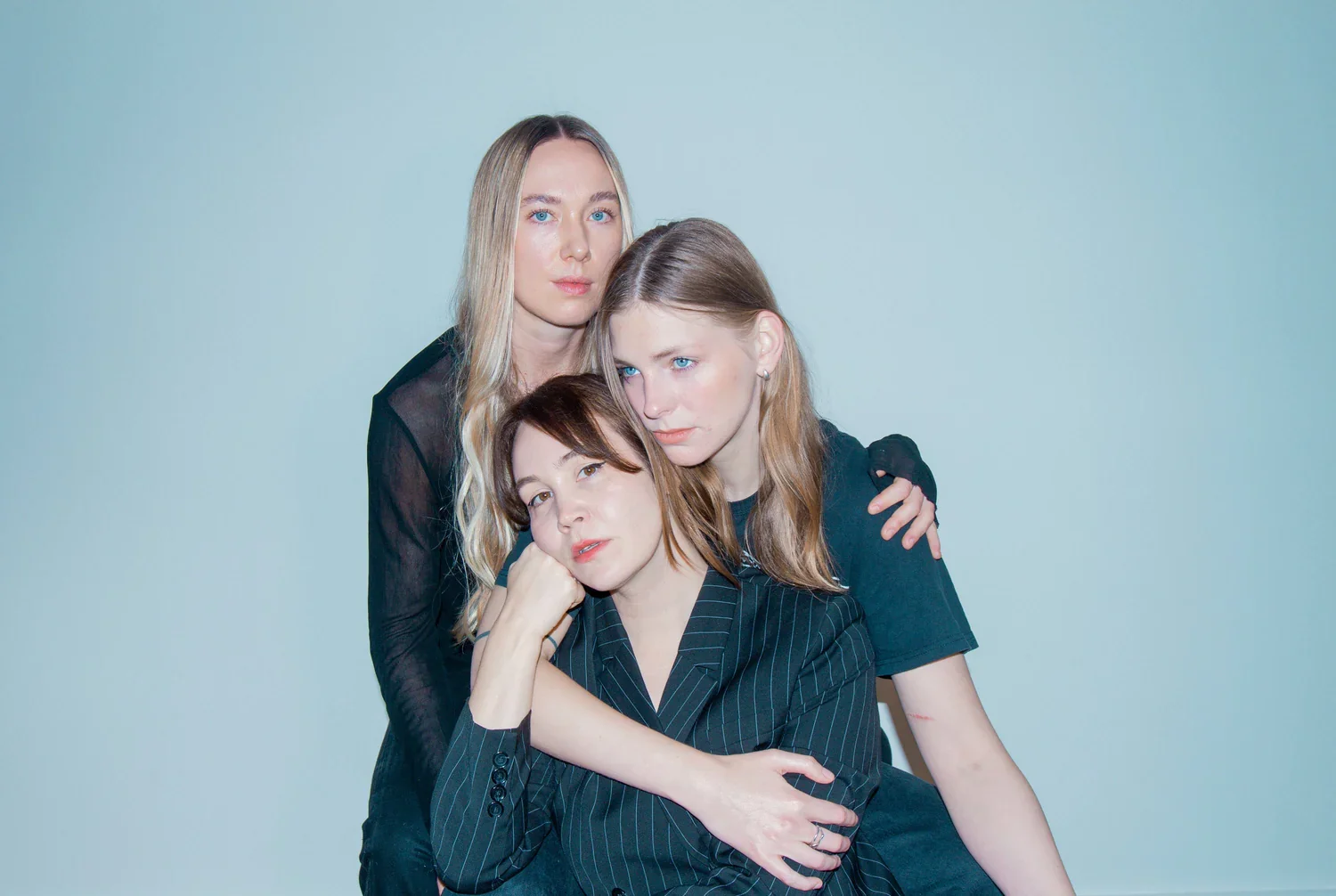
Sissel Vincent
IT’S BEEN FOUR LONG YEARS SINCE STOCKHOLM-BASED ROCK BAND VERO—introduced their first record, Unsoothing Interior, to the world. It was a perfect album front to back—feverish, edgy and vulnerable—that was overshadowed by the slump of COVID-19. Vero’s members, Julia Boman, Amanda Eddestål and Clara Gyökeres, took their time to reevaluate whether they should continue to make music together. When the answer became obvious to them (it was a clear “yes”), it only took a matter of months for them to put together their sophomore record Razor Tongue, released last Friday via PNKSLM.
Their chemistry comes together naturally when they enter the studio. Boman handles vocals and bass while Eddestål and Gyökeres shred on guitars, but no one is tied to their instruments. They swap responsibilities, rotating guitars and bass and their mic, with new drummer Mille Hökengren sitting in. The result is Razor Tongue: urgent, energetic and honest.
The trio met through the night life scene in Stockholm. After meeting in a nightclub, the three spent a stint as DJs before forming Vero. Beneath their love for disco and electronica were hearts burning for ‘90s rock. Vero recalls bands like Dinosaur Jr. and the Breeders, and Boman’s vocals mirror Kim Gordon’s of Sonic Youth. Yet, their sound is fiercely unique and unmistakable.
Razor Tongue is more immediate and gritty than its predecessor. Where Unsoothing Interior felt like a coming-of-age, Razor Tongue is a confession of adulthood. It captures the apathetic boredom in the midst of a world in flames (“Dead Train”), trying to get something through somebody’s thick skull (“Dumb It”), and the addiction of obsession (“100 Calls”).
Vero is one of the most impressive rock bands of the late 2020s; with their new record in the world, nothing can stop them from what’s next. Read Luna’s interview with the women of Vero below.
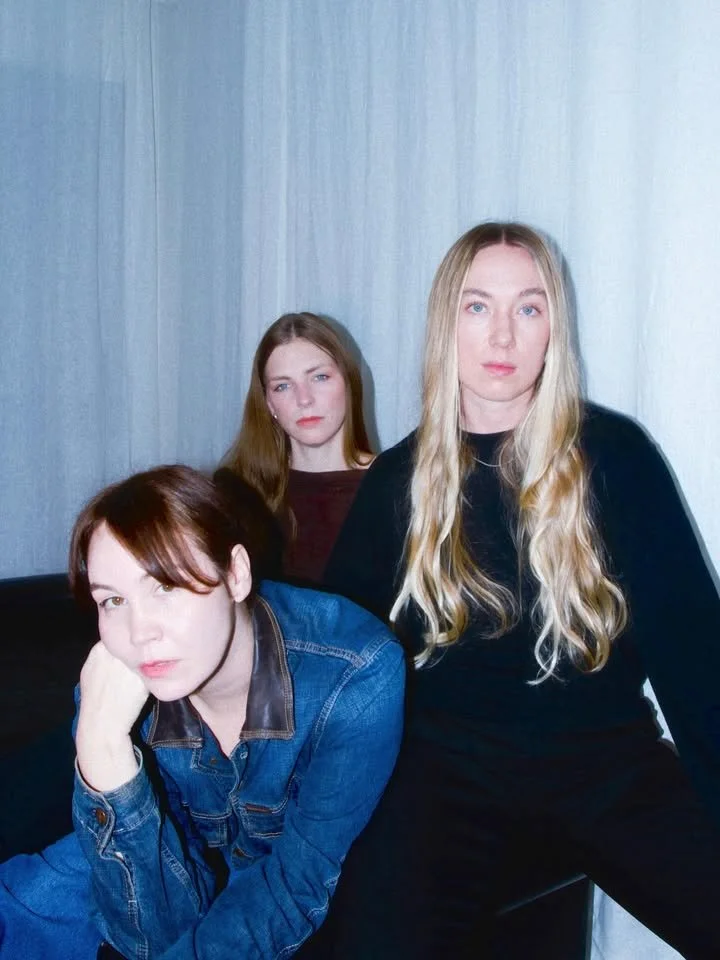
Sissel Vincent
LUNA: How long did you spend writing Razor Tongue?
EDDESTÅL: I think it was… October 2024 when we started.
LUNA: Had any of these songs been in the ether before then?
GYÖKERES: It was a really quick process, actually, this time. It was a lot that just came to us. It felt like we worked really quickly and that things were happening really fast once we got started. We just went to the studio and saw it unfold. It felt really good to get onto something.
LUNA:Unsoothing Interior came out in 2022, and you started writing Razor Tongue in 2024. What does life look like in between? What led you to write the new record?
GYÖKERES: Our debut record was timed to the pandemic pretty perfectly, so we couldn’t really play. There was a lot going on in the world then. Of course, there is a lot going on today as well, but then, we stood with our debut record and we couldn’t go anywhere to play it. That affected us in ways that… we don’t know what would have happened if this was never the case. I think we were a bit tired after COVID and trying to boost some life into this record that we felt didn’t have the correct timing. So we asked ourselves, “Are we still a band? Are we going to make music?” Then we just tried with this and we felt, yeah. We’re still a band. We still got it. We still really want to do this.
LUNA: Did that question arise mainly due to the pandemic? Or were there other factors that were making you question that?
EDDESTÅL: I think it was mostly [the pandemic]. When we had the pandemic and then when we had, not even having the record in hand—there was something about our record being produced, so we got it a year later—it was kind of anticlimactic. So, we all started doing our own thing on the side. Then for this record, we grouped again. I’m like, yeah, we love this.
LUNA: In America, people started going out in 2021. I remember spring of 2021 was when people started testing the waters, but COVID was still pretty bad. What was Stockholm like in 2022? Were you guys a little more strict than America?
GYÖKERES: Actually, we were very…
EDDESTÅL: Lenient. When you make a record, you have this promise that a record is going to come, so you book things like South by Southwest. But then South by Southwest didn’t happen, Eurosonic didn’t happen, The Great Escape, we couldn’t go to that that year. It’s when you have a record in the pipeline that you get to book this big stuff.
LUNA: You had a new drummer come in for this record. How did you guys meet?
BOMAN: We met him through a different drummer that we worked with before we knew each other. We just loved playing with him. He had so many good inputs and loved the same music as we did. When we started, we wrote the entire record and then took him in to be like, we need to make this with real drums and we’d love your inputs.
LUNA: How did the songs turn out having him on drums?
GYÖKERES: I think Mille has contributed to the vibe as well in the band. We really appreciate his energy. I think that our songs, the songs that we originally like, can come even more to life with his kind of pace and his take on them.
LUNA: You all met in a nightclub, and some of you were DJing a bit. I’m sure you guys are influenced by a ton of different music, but Vero is very grunge-forward. What resonates with that specific sound?
BOMAN: It just came together like that. When we did the first record, we’d been experimenting with different kinds of genres, because we do listen to a wide range of different genres and music between the four of us.
When we wanted to do one cohesive record, we started with “Heaven on Earth” on the EP we did before [Unsoothing Interior]. It was pretty grungy the way we wrote it. We were like, okay, this feels and sounds very good, so we should just keep doing this and see where it takes us.
EDDESTÅL: I remember with “Heaven on Earth” when we had those little, small guitars in the background, I just felt that it was some Nirvana guitar that we just had to have.
GYÖKERES: There are little hints of Easter eggs here and there, but I think we now learn how to keep it more subtle so we can package it in a way that sounds like us. Of course, it takes time to find that sound too, and it takes time to find your trademark. The journey there has been pretty long, but it’s always great to have the three of us sharing music with each other and what influences us right now.
LUNA: What is the music scene like in Stockholm?
BOMAN: It’s my job. I work at a venue, two different sized venues for live music; I book bands, and I do production, and I’m probably attending six live shows a week. The scene is growing. I see a lot more young people at certain shows, which makes me really happy. 18 year-olds coming to watch bands, which gives me a bit of hope after the pandemic. But the live scene is struggling with mid-size to small venues not being able to keep going.
GYÖKERES: We’re not seeing a lack of creativity. I just think it’s hard to find a place to be. I mean, we took it personally and we built our own studio. We try to set everything up for us so that we can continue and do our thing without it being crazy expensive and hard… We’re lacking good scenes and good spots for people to have the ability to rehearse or to try what it’s like. It’s the same for many cities and countries that culture will continue to bloom in different directions, but we also need funding for it to be able to do so.
