
Q&A: Wilby Holds A Light to Self-Discovery with ‘Center of Affection’
INTERVIEW
INTERVIEW
☆ BY IVONA HOMICIANU ☆
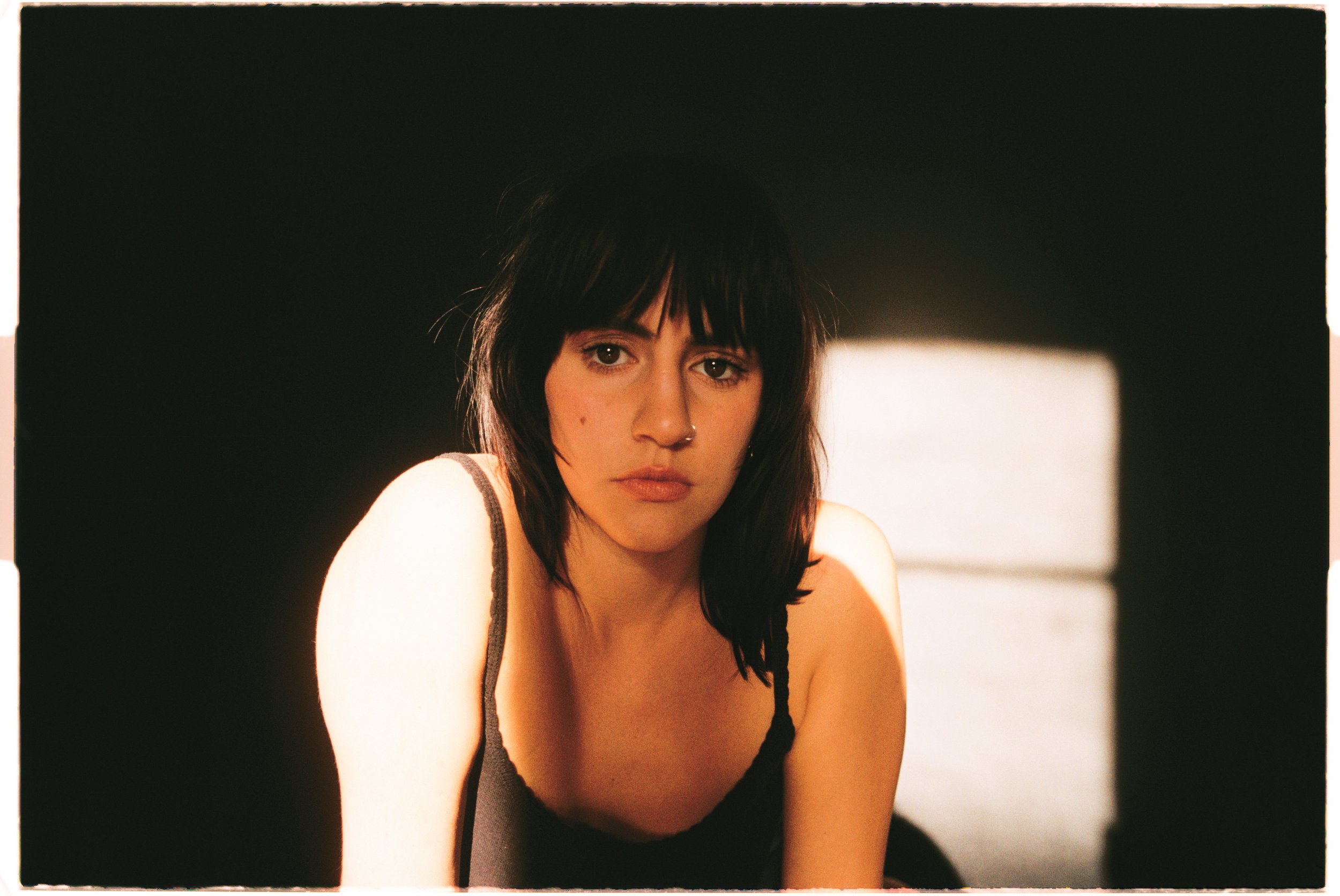
Photo by Claire Friesen
CENTER OF AFFECTION SEARCHES FOR MEANING IN A THERAPEUTIC PURSUIT—Before she embarked on the creation of this album, Wilby’s creative process was to attempt writing based on prompts. That approach didn’t feel right for the artist, and in learning to let go of expectations, Center of Affection was born— a body of work that dives into the origins of how Wilby became her present self.
Maria Crawford, alias Wilby, is a Nashville-based musician that began her career in 2020. She released two EPs, Translucent Beauty (2021) and happiest woman (2023). With her debut album Center of Affection, she shows a true evolution in the introspectiveness of her words, and the conscious decisions that accompany the maturity in the production of her music.
Beginning the album with “Pleaser,” she immediately sets the scene for her narrative with a gritty garage-rock guitar melody, and catchy lines that make you feel as if you’re in the pit of an intimate show by just closing your eyes. “Spin” tells the story of a younger self through vivid imagery and juxtaposes it as the core of why she struggles with care or affection from others now. The melancholic guitar and the sudden drum stops knock the wind out of you as they let the words sink in.
“I DON’T” addresses a specific person in a middle-of-the-night kind of reflection, when you think back on the words you wish you could’ve told someone but didn’t. “Protection” is visceral in the way it transforms traumatic memories into sensations that last, brimming with unfairness at how her child self was treated. Wilby’s vocals take the spotlight with palpable anger and sadness.
While the last track was about realizing a younger self wasn’t to blame, “Experiments” takes accountability for the impact healing herself can have on a loved one. “Peripheral Vision” is a quiet yet thunderous perspective on the past. The track’s vulnerability leaves a trace despite the two minute length. In “Care,” Wilby begins an apology with “I don’t wanna be a bitch, I’ve been told that’s just me.” The self-reflection settles itself between your ribs and reaches catharsis near the end.
“I Think You’re Beautiful When You’re Losing Your Mind” is a touching confession of love that was always there. Sang with only an acoustic guitar, Wilby’s voice is soft and quietening. The simplicity of the lyrics in the next track, “Body,” drives the message that memories are often felt, not put into words. “Too Late to Save” builds up towards a big moment that falls before the first chorus, but returns for the second chorus, fitting with the words perfectly and ending in a satisfying yell.
“Center of Affection” feels like the conclusion to the journey the record takes us through, and while it can be interpreted as such, “Hard to be Loved” shows the process of healing is ongoing. As an album, Center of Affection opens the door for questioning in each listener, bringing a light to what might seem like a solitary endeavour and encouraging improvement in a gentle yet honest manner.
Luna caught up with Wilby about her new record, Center of Affection.
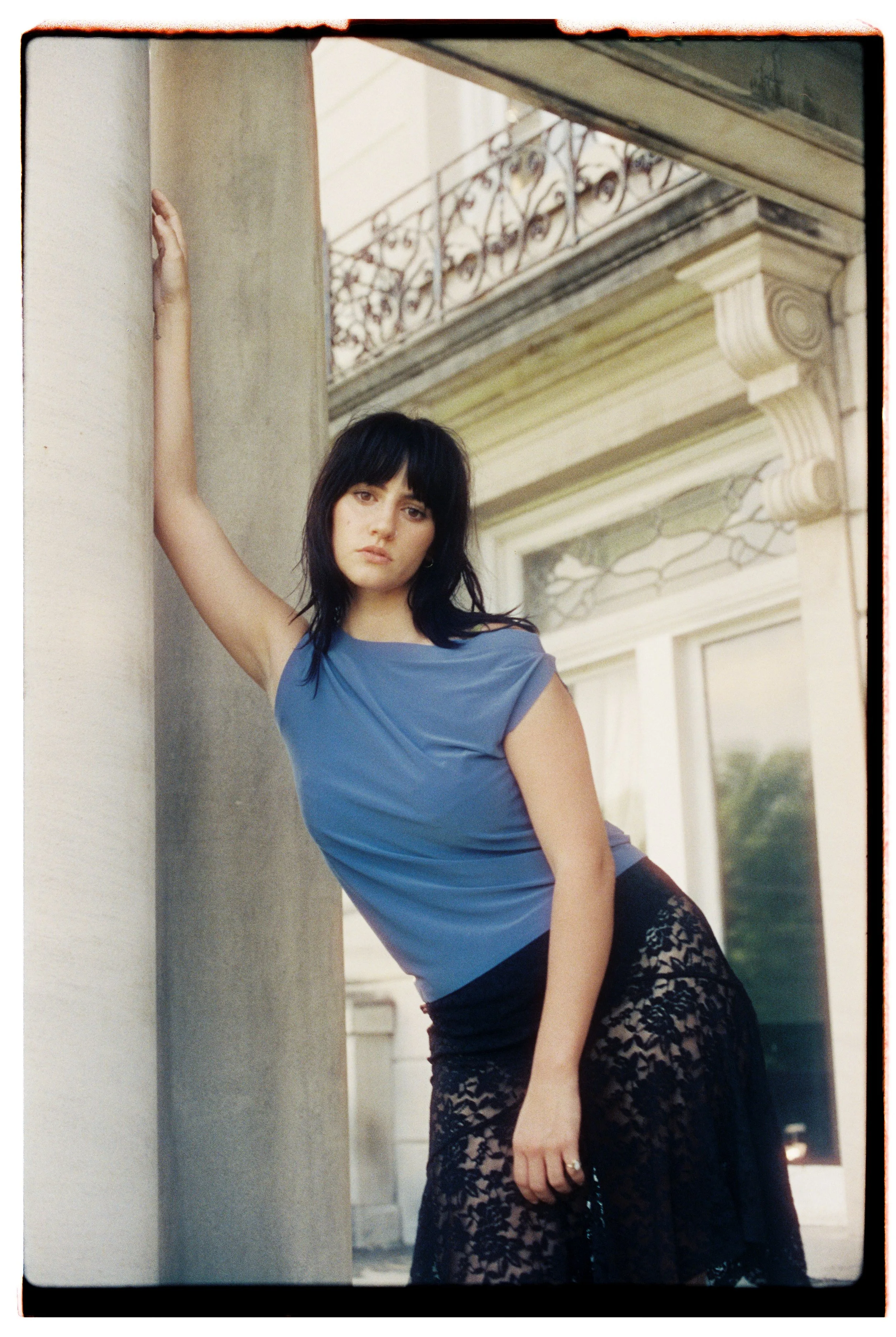
Photo by Emily Moses
LUNA: Congratulations on the album! How do you feel now that it's been out for a while?
WILBY: Thank you. I feel good. I think there's definitely a sense of relief and excitement, a sense of accomplishment, that it’s out. I feel like there's more space to create now for myself, now that it's in the world.
LUNA: You spoke about your creative process and how you only managed to write the album when you let go of all expectations. What was the first song that you wrote that ended up on the album?
WILBY: The oldest song on the record is actually “Peripheral Vision.” I wrote that several years ago. It just felt to me that it was fitting thematically and sonically on the record. The first newer song of all the rest of them was “Care.”
LUNA: In the album, you explore your relationship to attention. What prompted this decision to center the album around this idea?
WILBY: It all started by doing a deeper dive into therapy and engaging with my inner child, and bringing back memories of my childhood to better understand my present self. I've always had a deep loneliness, I would say, so trying to understand more about where that comes from. Having more awareness, so that I could have more self compassion.
LUNA: You can definitely feel that in the album. “Spin” is very honest. It was the first one that really caught my attention on the album. With the bits and pieces of your everyday life, do you get these ideas in the moment, or are they things that have been sitting with you for a while?
WILBY: I don't know. Usually I'm very much an “in the moment” writer, then there's different concepts that sit with me for a while. The title Center of Affection and the chorus of that song, I had for a really long time. With “Spin,” I had taken a step back from writing really diaristically. I'd been writing the last few years until this record more abstractly, or less personally. I was like, “What if I go back to how I started writing songs, which is literally writing everything that happened?” It's literally an experience that I had one day, pretty much verbatim. I would mess with the rhyme scheme and things. How do I make all this completely accurate to what just happened, but make it fit in this mold or puzzle, so that it's not completely free form? It is very much free form and exactly like a true story.
LUNA: Another song that marked me was “Protection.” It's such a vulnerable song that a lot of people can really relate to, especially the line “Nothing's your fault when you're a kid.” Was it difficult to write and share this song, knowing your family will listen?
WILBY: Yeah, definitely. I think that one, and “I DON’T” were the most scary to release, and they came out with the record. It was a more subtle way than to release them as singles. “Protection” is the core of what I was working through in therapy and again, self compassion. I really love that line that you noted, because I do think there's so much time in our lives where we are held to accountability and responsibility. Yeah, we're responsible for our actions and how we affect people, but there's something so important about protecting kids, and also having that self protection for myself as a younger person. It was definitely hard and scary to write, and scary to acknowledge things that were coming out when I was writing, but it is the most cathartic song to play off the record.
LUNA: It feels like a warm hug to your younger self. When we think back, we tend to be more harsh towards our past selves, being like, “I should have done this instead.” But when you think about it, it's like, “I was so young. How could I have known that?” It's a whole journey to get to this place where you realize you were experiencing life for the first time. What were your musical inspirations for the production of the album?
WILBY: It's a good question, and it's weird because I feel like it wasn't super intentional. I've made other projects where I have a playlist and this is the production. I love Mazzy Star and a lot of 90s indie rock. There was, some bands I listened to in middle school, like Death Cab for Cutie and Switchfoot elements, which was funny. There were even some Nirvana influences and Modest Mouse. Definitely Big Thief and Adrienne Lenker are always in the forefront of my mind as far as production and letting the song breathe, and having an organic sound around the song and the vocals.
LUNA: Talking about production on the last song, “Hard To Be Loved” is very stripped back. I feel like it reinforces the emotional nature of the lyrics. Could you talk more about the lyrics and what you meant with “I don't know why it's so hard to be loved”?
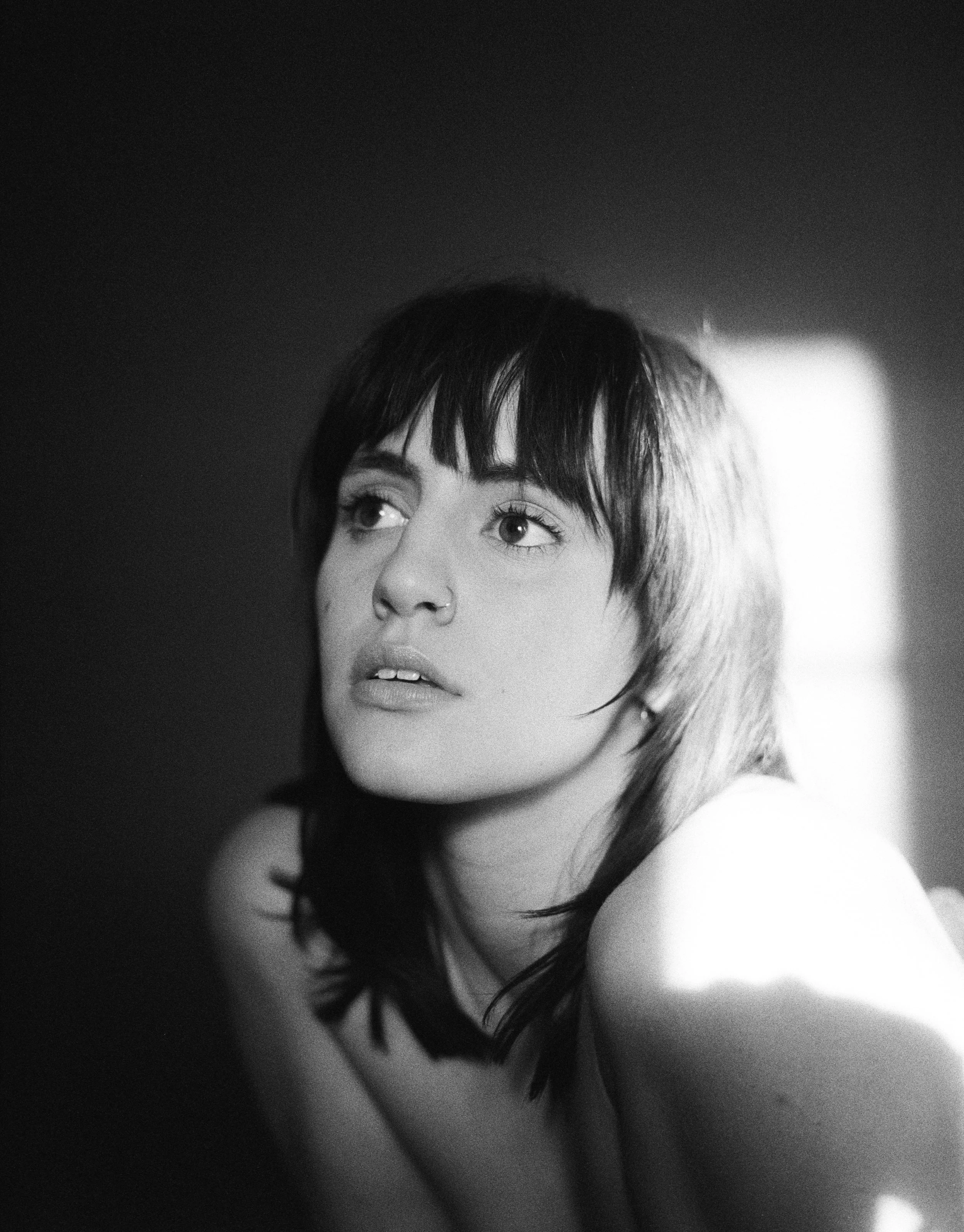
Photo by Claire Friesen
WILBY: It's interesting because I wasn't trying to write more songs for the record. I was just writing one day and I was trying to finish another song, probably “Center of Affection” because the verses took me a really long time to write, but “Hard To Be Loved” spilled out. It was a really good landing point for where I was at with therapy and learning more about myself was like, “Maybe I'm not as lonely because people don't love me, but maybe it's more because I can't accept that.” I have an independent, avoidant kind of personality, and that makes it even harder. It's going against myself because I have this deep loneliness but I am also actively trying to resist and put off love and care from other people.
I wrote the song really quickly, in twenty minutes, and I don't really feel like it's tied up into a bow. What I love about it is it's pretty free form. It felt like such a natural way to end the album, which is like, I feel like I have a deeper capacity to like love now, and I now want to work on feeling people's love and care for me and letting people in more.
LUNA: What is your relationship to writing now? Do you still write every day or are you taking a break from writing?
WILBY: Yeah, I definitely felt like I needed to take a break so I took a break for a little while. Typically, I try to at least put pen to paper or strum to guitar once a day. I try to make it a routine practice but I have more self awareness and confidence in myself as an artist now. Me being an artist and creating is something that I am, it's not something that I have to do all the time. I feel like I gained that a lot from Julia Cameron's “The Artist Way.” I used to be so hard on myself if I went a week or two without writing. I've been able to release some of that pressure. I'm really excited. I feel like now I'm just starting to get back into writing and being more excited about it. I think that the cool thing about releasing music is, like I said at the beginning, I have more space in me to create again now that the songs are out.
LUNA: What are you most excited for this upcoming year?
WILBY: I'm excited to be playing these songs live. Playing shows and touring is why I make music and live music is everything to me. That feeling that I get when I'm in the audience at a show, or when I’m performing, that's the best part of it for me. It's fun because these songs are old for me, but for a while, we were playing a small batch of them for a year or two, and they weren't out yet. We kept referring to them as new songs and people couldn't listen to them, but now it's exciting that the songs are out and I'm excited to play them.
