
Q&A: Worthitpurchase on the Beauty of Paying Attention
INTERVIEW
INTERVIEW
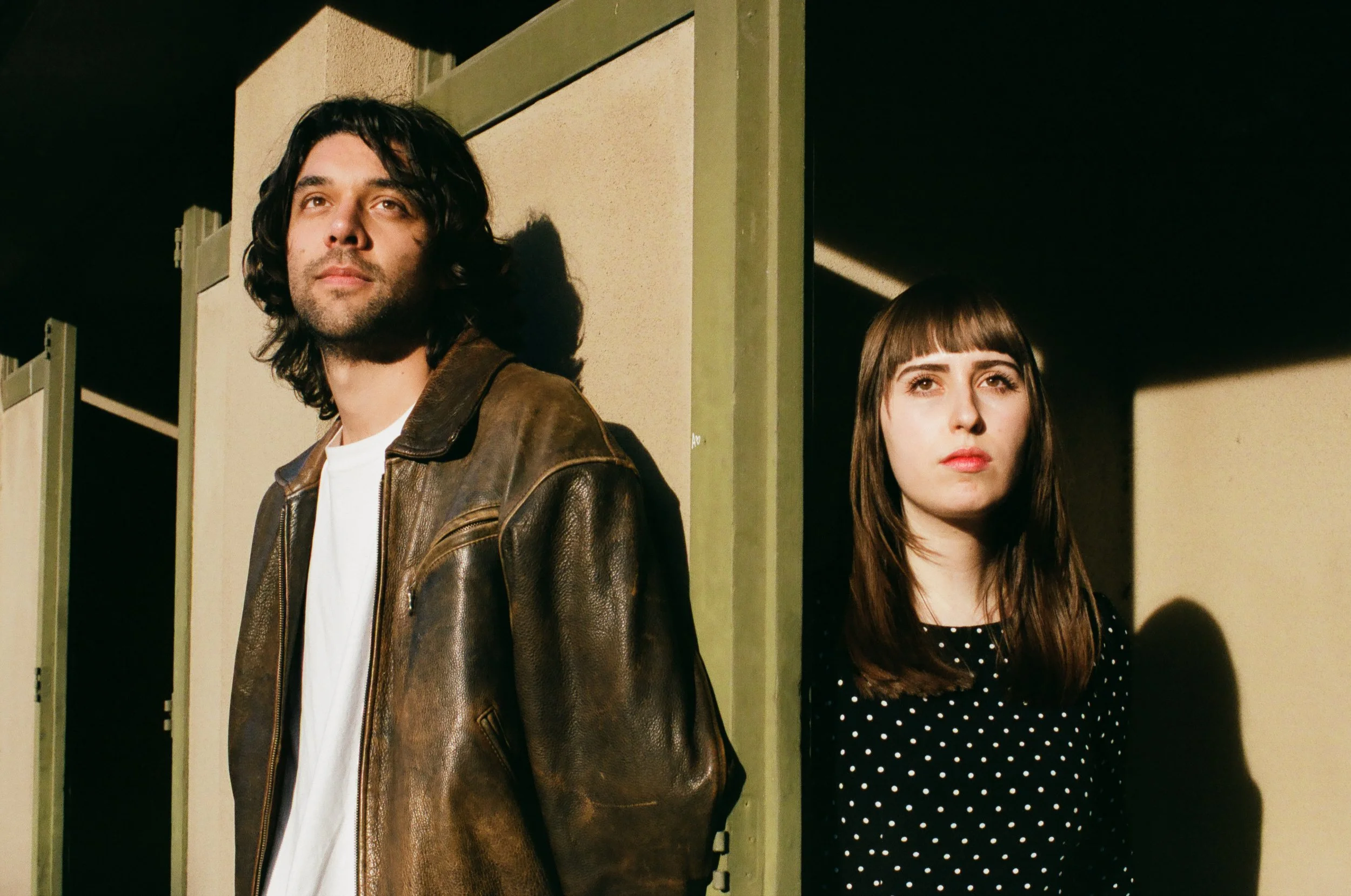
Photos by Carly Hough for The Luna Collective
THERE’S SOMETHING QUIETLY RADICAL ABOUT THE WAY WORTHITPURCHASE MOVES THROUGH THE WORLD. The Los Angeles–based duo, Omar Akrouche and Nicole Rowe, make music that doesn’t shout for relevance or chase immediacy. Instead, it lingers. It notices. It sits with the strange emotional static of adulthood, suburbia, the internet, and the places we thought would feel like home but somehow don’t anymore.
Their songs feel like half-remembered screenshots: tactile guitars rubbing up against eccentric breakbeats, intimate harmonies floating through digital haze, lyrics that capture the poetry hidden inside disorientation. Worthitpurchase aren’t interested in neat conclusions or polished myth-making. They’re more drawn to the surreal gap between expectation and reality — the American dream rendered glitchy, nostalgic, and oddly tender.
Born out of late-night sessions and a shared language of trust, Akrouche and Rowe transform early-internet nostalgia and everyday unease into something unexpectedly warm. Their work doesn’t romanticize the past or fear the present; it quietly scavenges for beauty inside it. In an era defined by noise and urgency, Worthitpurchase remind us that there’s still meaning, and even joy, in slowing down, listening closely, and letting the strange moments speak for themselves.
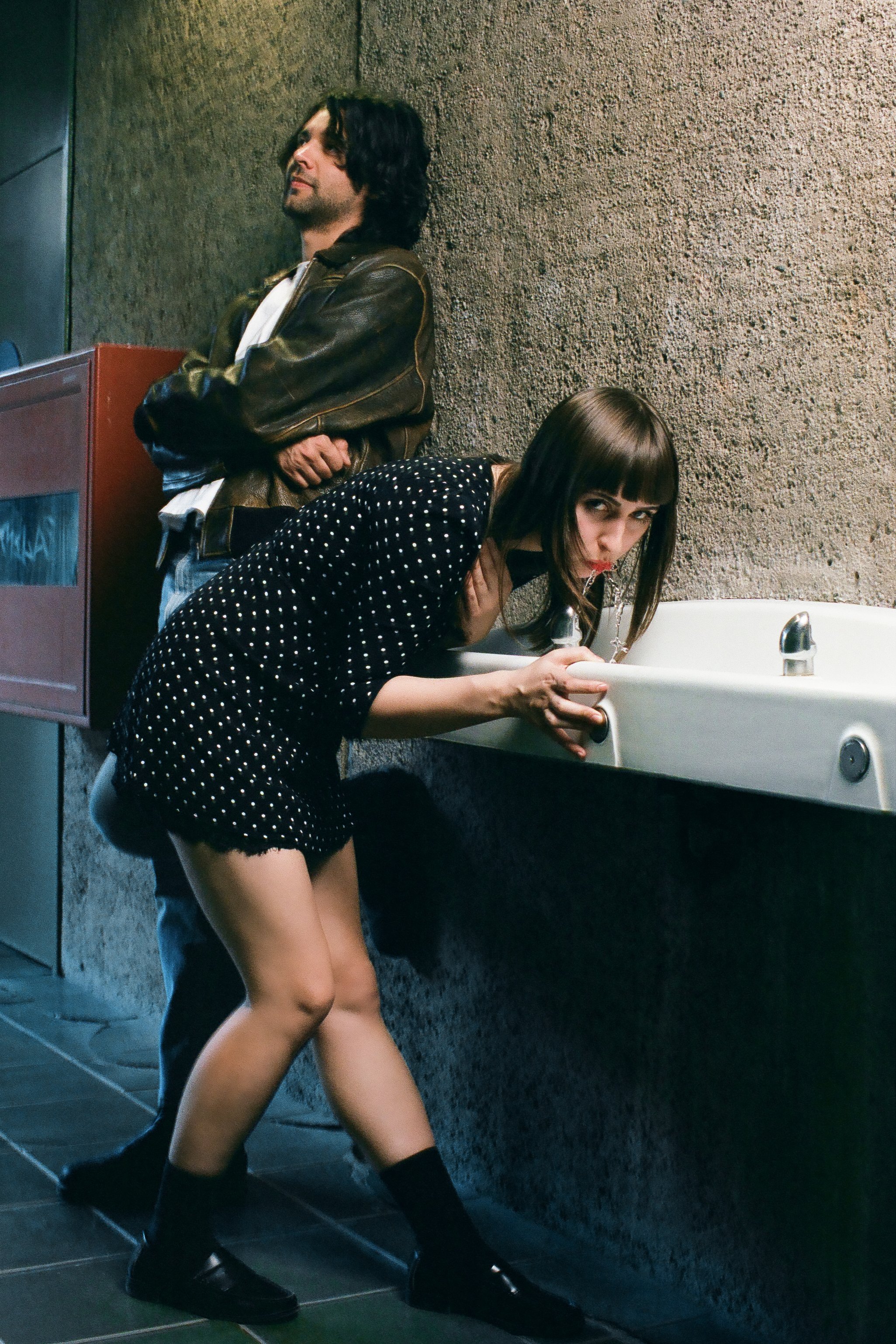
LUNA: Worthitpurchase started as a way for you two to finish each other’s songs. How has that creative partnership evolved since the early Tiny Telephone days?
N: I think that sentiment is still true to us at our core. We drifted away from that a bit after our first LP, but we’ve come back to embracing that a lot more, especially with the next batch of songs that we’re working on.
OA: I’d say now more than ever we are truly finishing each other's songs. In the past there were times where we’d have to tap each other out of necessity, but now we’re really writing songs sitting from the inception and honing in on what we want to say. I’d love it if the listener couldn’t tell who wrote what.
LUNA: You both come from engineering backgrounds — how does having technical control change the way you experiment or take risks creatively?
OA: Honestly, I don’t know how to separate making music from the technical aspect. For me it has always been intrinsically connected, especially with Worthit. I guess I hope that my technical knowhow in the studio can pick up where my musical technique caps out. The Worthit sound is a combination of dozens of sound palettes that we have found over the years — this mic with that plugin, doing this and then that and then this. Sometimes recording for us is very iterative.
N: I think it just expands our ability to experiment. We can have fun with gear and know at a baseline how to communicate what we want tonally, how to get there.
LUNA: Your music carries a strong early-internet, late-night digital nostalgia. What about that era still feels emotionally relevant to you now?
N: A lot of understanding “the now” comes from looking back at where we came from and accepting decay. We’re in a unique position as one of the first generations able to revisit our youth so cleanly through digitization and web archives. I used to have a huge emotional attachment to Club Penguin fan remakes for that reason. I think urban legends and early internet culture kind of function as modern folk tales.
OA: I completely agree with Nic about early internet feeling like modern folk tales — I love music that evokes that. For me, The Money Store by Death Grips totally has that. We’re obviously coming from a different place, but there’s some of that in there. I think we’re just nostalgic and sentimental people and want to put that into our music, and that early internet thing is just a part of our upbringing. Nicole and I met on the internet!!
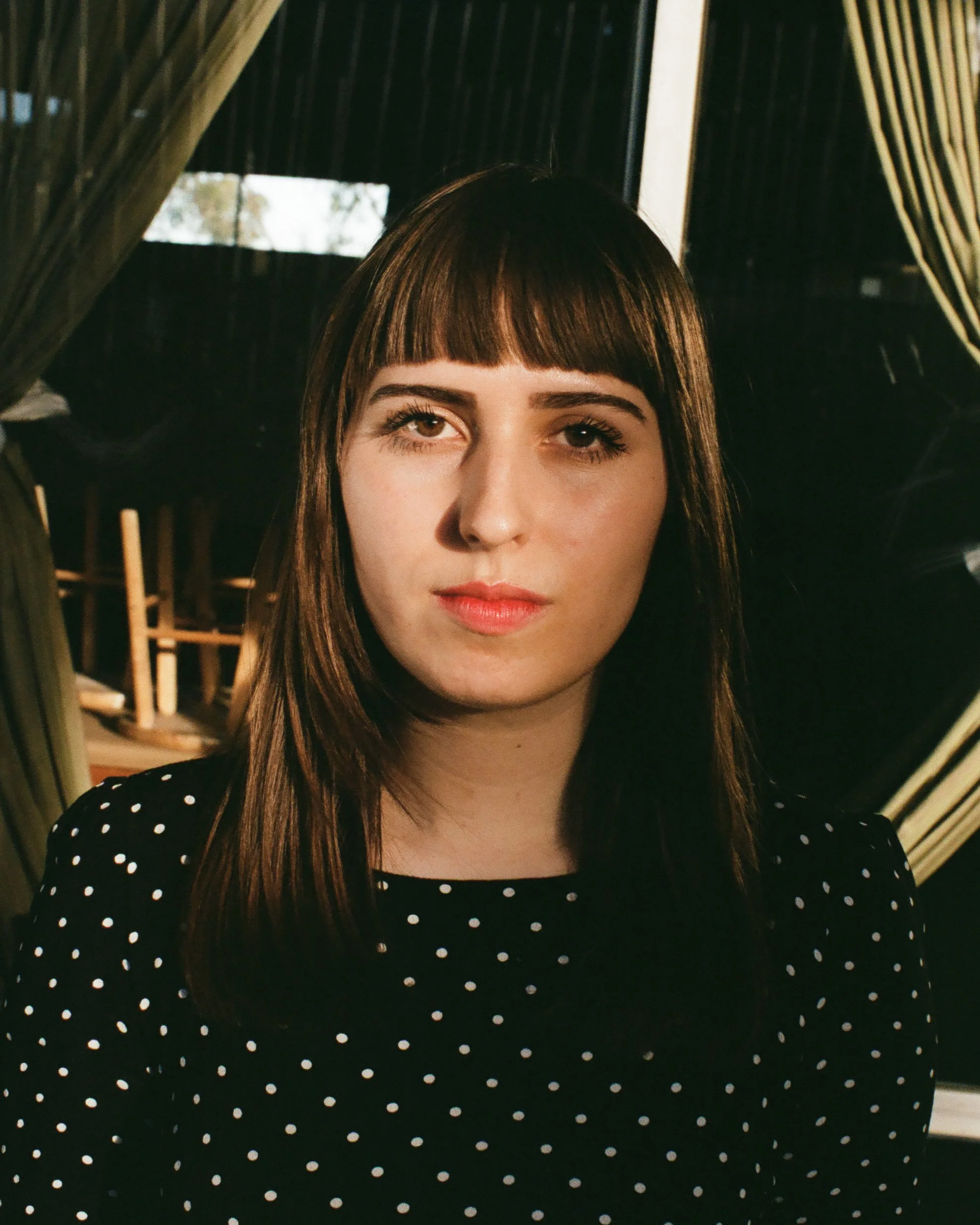
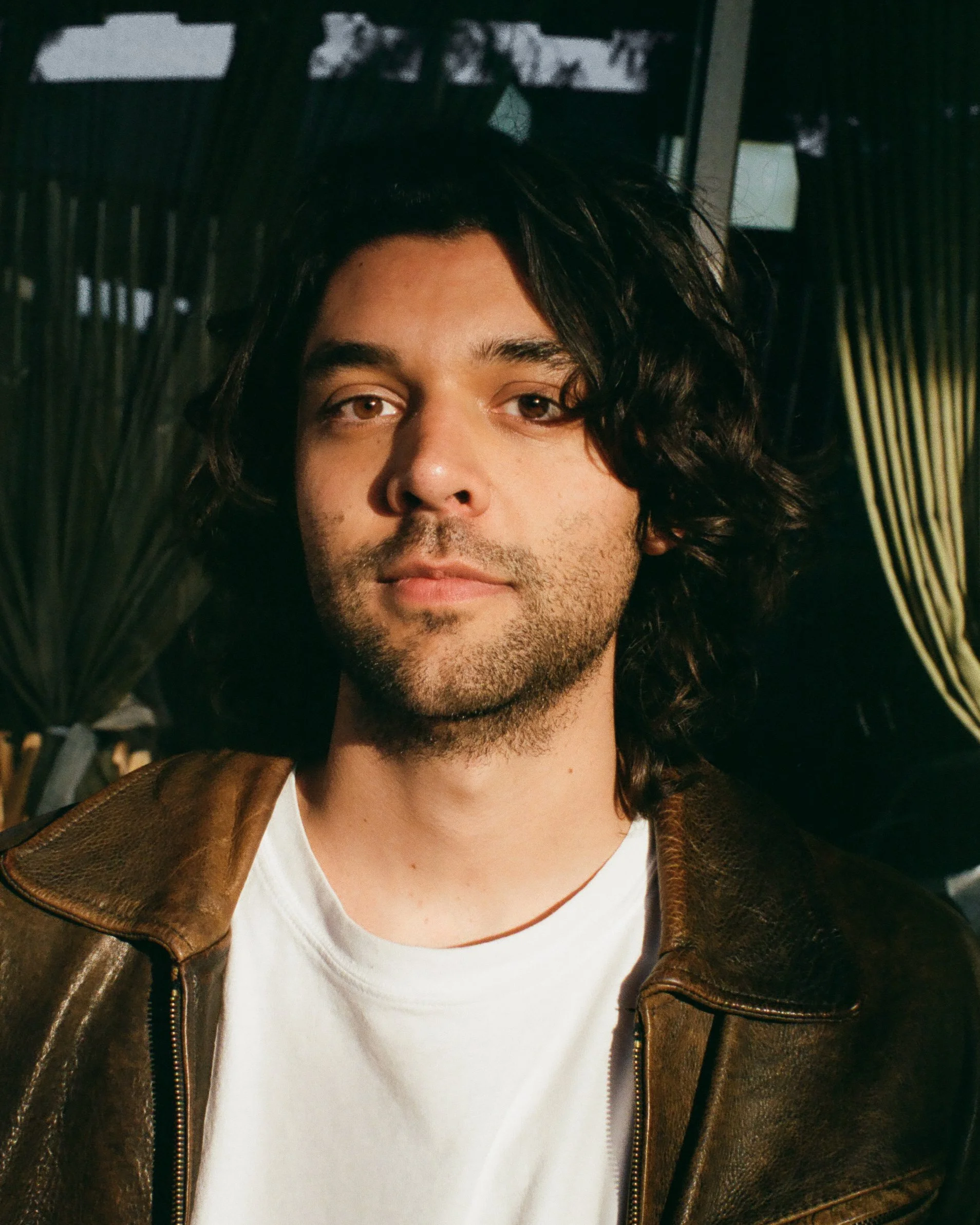
LUNA: This self-titled record was the first time you consciously curated songs over several years. What did slowing down and shaping a larger body of work reveal to you?
OA: There were some really frustrating and confusing points during the making of the last record, largely due to the distance between Nicole and I at the time. She was still living in San Francisco and we were trying to be an LA band. There were times where I wished we could have worked a lot faster, but ultimately I’m happy that things shook out the way they did. It gave us more time to reflect and to discover a new sound and universe for ourselves.
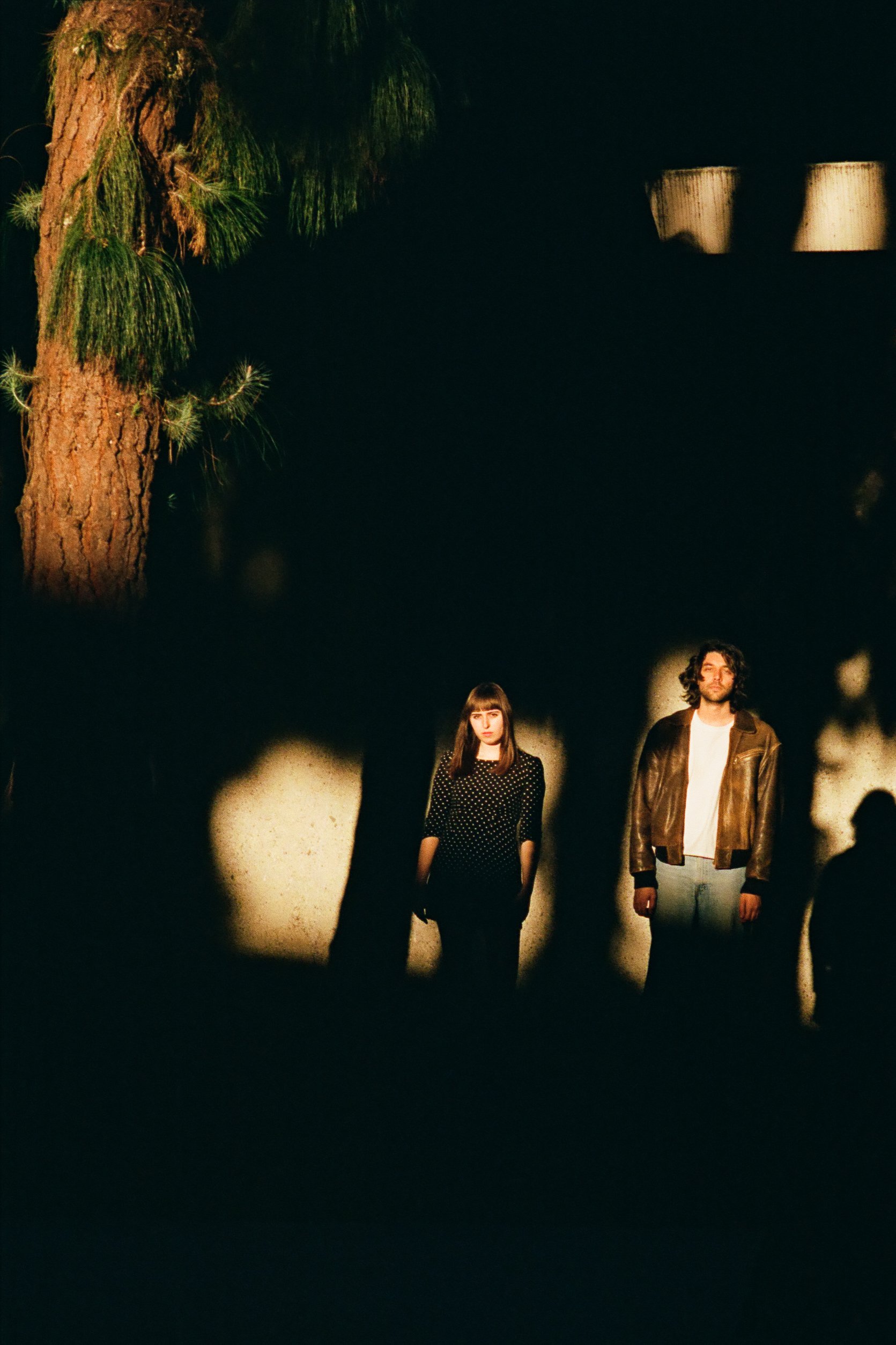
N: Yeah, we usually actually work pretty fast. We weren’t even trying to slow down, but we just had to. There was a version of the record we had ready in 2022 and then we just didn’t feel like it made any sense, or like something that we would necessarily be super proud of putting out. It took a lot of learning and unlearning and patience, and just letting things breathe for a second. Releasing a record prematurely out of some desperation to feel relevant or to match some timeline we had in our heads would be doing ourselves a disservice.
LUNA: Tracks like “Big Canada” and “Ancient Suburb” deal with returning to familiar places that feel strange. Was that theme intentional as the album took shape, or did it emerge naturally?
N: It just emerged naturally. Those songs were written a couple years apart from each other, but to me “Ancient Suburb” is more of an overarching concept, while I’d probably group “Big Canada” more closely with “Random Numbers.” That aside, I was thinking a lot at the time about how suburbs and the American Dream are just a project that worked for 50 years or so and have started to break down. We’re made to believe these are unbreakable systems that have always been promised to us, but it’s more like a cardboard cutout with nothing behind it.
OA: Personally, I have a lot of experience with this phenomenon. I’ve moved around a decent amount, and due to various tragedies and circumstances, I don’t really have many artifacts of my past or a place to truly call home. I sort of just declared Los Angeles home when I got here because I have always orbited it and wanted to live there. I had ANCIENT SUBURB written down in a journal for a while but didn’t know what it meant at the time. I sent Nicole some stuff to go through and she ended up writing most of that song. We almost named the record that, actually — it’s the core anchor of the album. A place you can’t really get back to, a concept, a nostalgic event horizon.
LUNA: The record balances melancholy with warmth in a really specific way. Was that emotional tone something you discussed while making it?
N: We tend to work on songs as they are rather than how they pertain to something as a whole, and then group together and connect the dots after an album feels like it’s starting to form. I also don’t ever want to make a record that is just one note emotionally. Our relationship to memory is more complicated than simple nostalgia, so a lot of it came from leaning into how we are unreliable narrators of our own lives and all the funny stuff that comes with that.
OA: It wasn’t something that we talked about or set out to do — luckily we just stumbled there. I think after “Big Canada” happened, something clicked for us and we were able to tap into a dreamier, more nostalgic and melancholic world. Those have always been sounds we’ve been drawn to through bands like Sparklehorse and Boards of Canada, but I don’t think we realized that we could try to incorporate some of that feeling ourselves. Our old bandmate Eric Van Thyne made the instrumental to that song and it really blew our minds and carved a new path for us. Thanks ric.
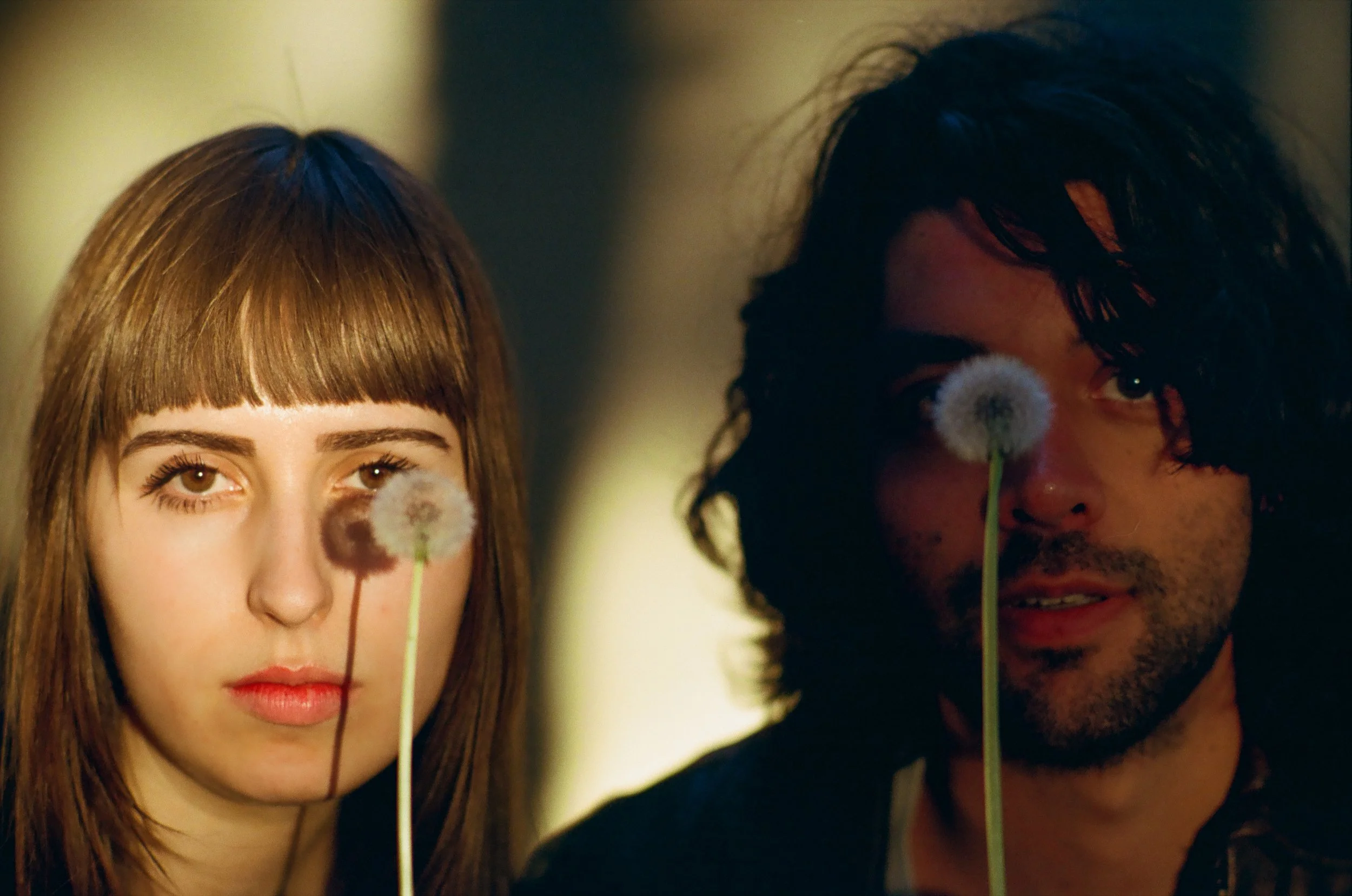
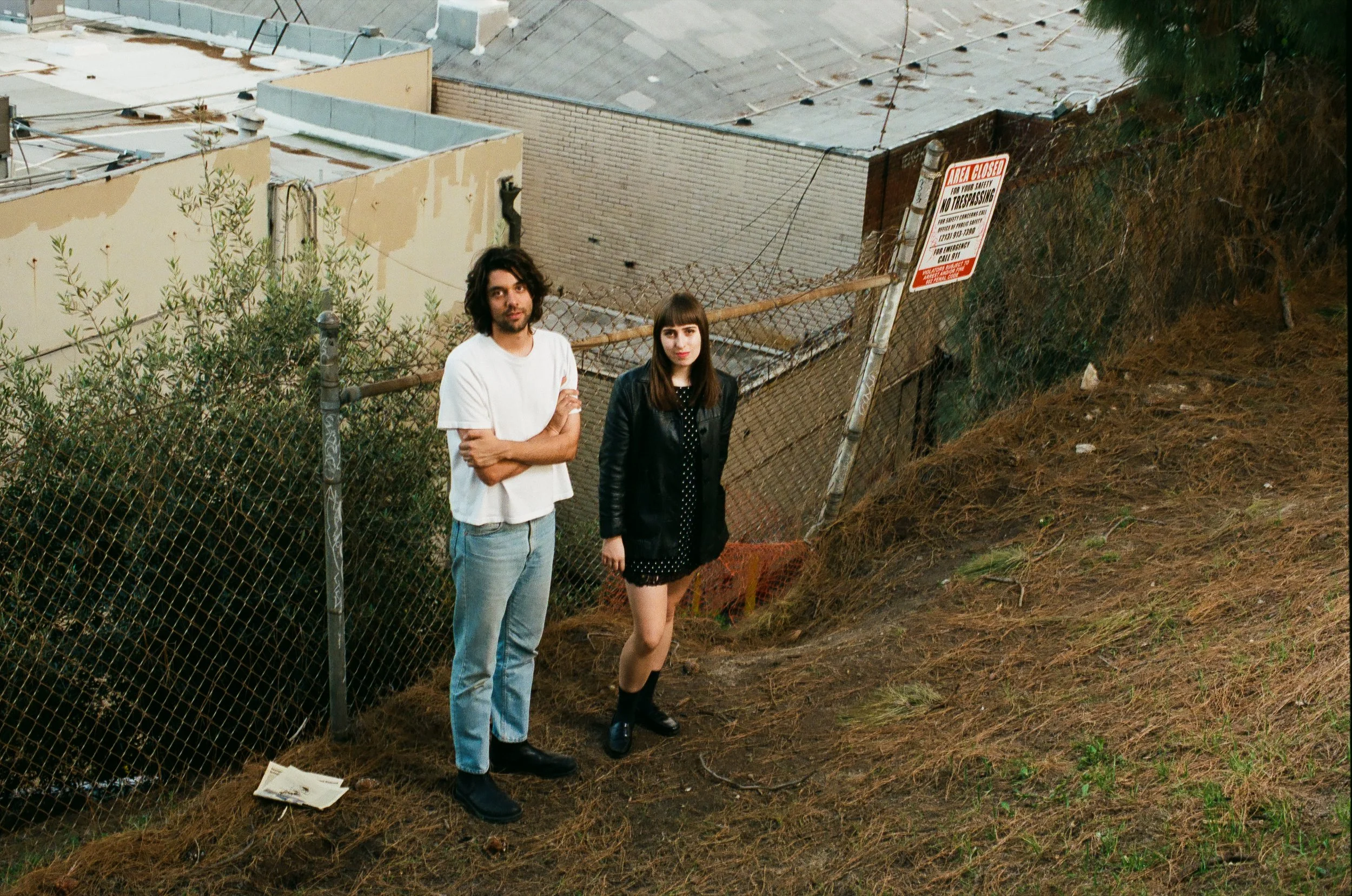
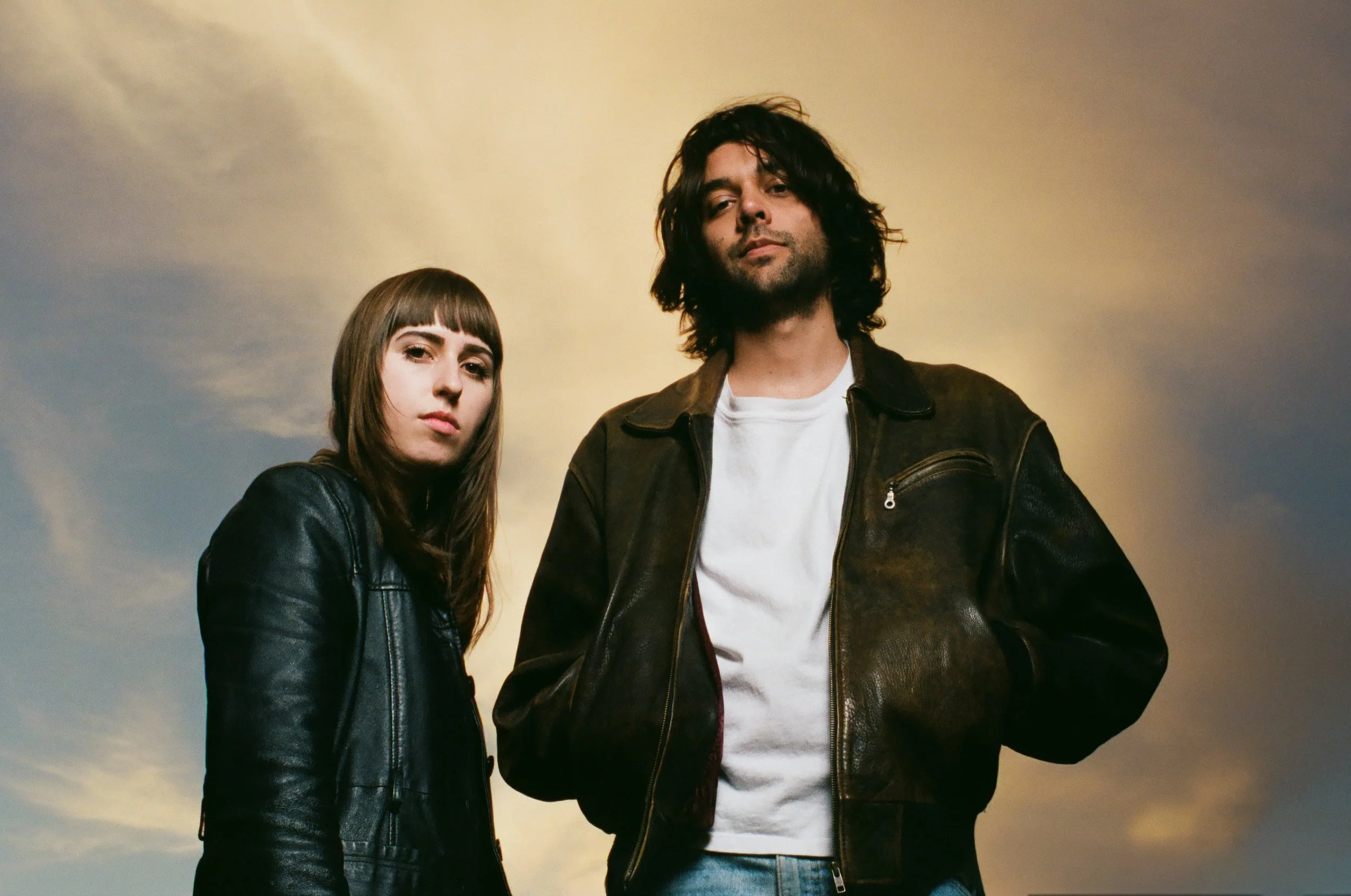
LUNA: You’ve described your sound as “cyber-folk.” Does that still feel accurate, or has the project outgrown that label?
N: It’s sometimes true but mostly not. I’ve been rocking with “Kmart Realism,” which is a literary movement, but I think it works for a lot of what we’re getting at.
OA: Yes.
LUNA: Your lyrics often feel like quiet snapshots of surreal, everyday moments. Where do those scenes usually come from?
N: Thanks — that’s how I’d hope they read! There’s a collective intimacy in the mundane that feels worth writing about. Also, Omar and I share the same brain.
OA: Nicole and I do share the same brain! I think Nic is amazing at writing from that perspective. Usually for me, I tend to write less visually than her, but I’m always trying to have some wit, charm, and earnestness in what I say.
LUNA: Looking ahead, what are you most excited to explore next with Worthitpurchase — sonically, visually, or in the live format?
OA: We’re recording a lot right now and it’s been really rewarding. We have a ton of songs and are focusing less on making an LP and more on just figuring this thing out. It’s been so amazing being neighbors with Nicole here — we’re just going deep on the songs and the sounds and trying to make special music. 2026 holds new music from us for sure.
N: YUPPPP
