
Q&A: Zolita Turns “Hell’s Belles” into a Sapphic Horror Universe
INTERVIEW
INTERVIEW
☆ BY SHEVON GREENE ☆
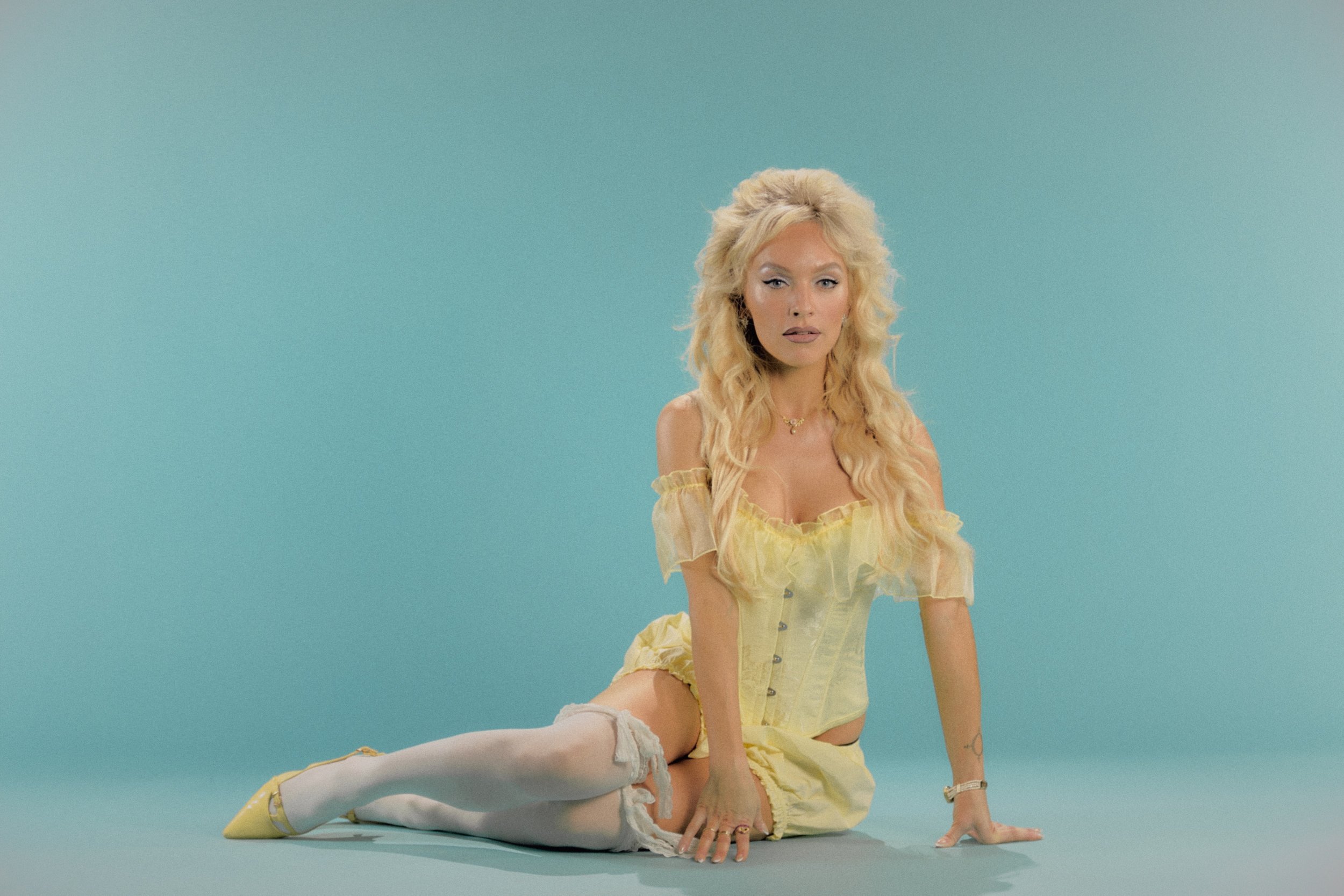
Photo by Justin Gilbert
BY THE END OF ZOLITA’S “HELL’S BELLES” MUSIC VIDEO—it’s hard not to wish the credits kept rolling. From the second the mockumentary-style news report begins, “Hell’s Belles” immediately pulls viewers into a new, unfamiliar, seductive and slightly dangerous world. For Los-Angeles based singer, songwriter and filmmaker Zolita, that immersive storytelling has always been the point. She’s spent years building cinematic queer worlds around her music, but this new era might be her most ambitious yet.
The track and video follows a detective sent undercover to infiltrate a secluded lesbian cult in the deep south, only to find herself falling for its magnetic leader, Hell. The track and video together blend cult horror, camp satire and psychological tension and every detail feels intentionally theatrical. Ranch aesthetics, mockumentary confessionals, southern belles, cleansing rituals and dangerously charismatic women are promised and delivered in their own unique way.
During our conversation, Zolita described the project as both reclamation and fantasy, explaining that the track was partially inspired by her own experience spending six years inside a Kundalini yoga cult. She spoke openly about using camp, horror and fantasy as a way to process darker experiences while still creating something seductive and fun. Despite being made under typical indie constraints, the project still feels massive in scope, which is a testament to both Zolita’s creative ambition and the collaborative team around her.
We caught up with Zolita to talk about cult documentaries, sexy horror, reclaiming difficult experiences through fantasy and why “Hell’s Belles” might only be the beginning of this cinematic universe. Keep reading for more.
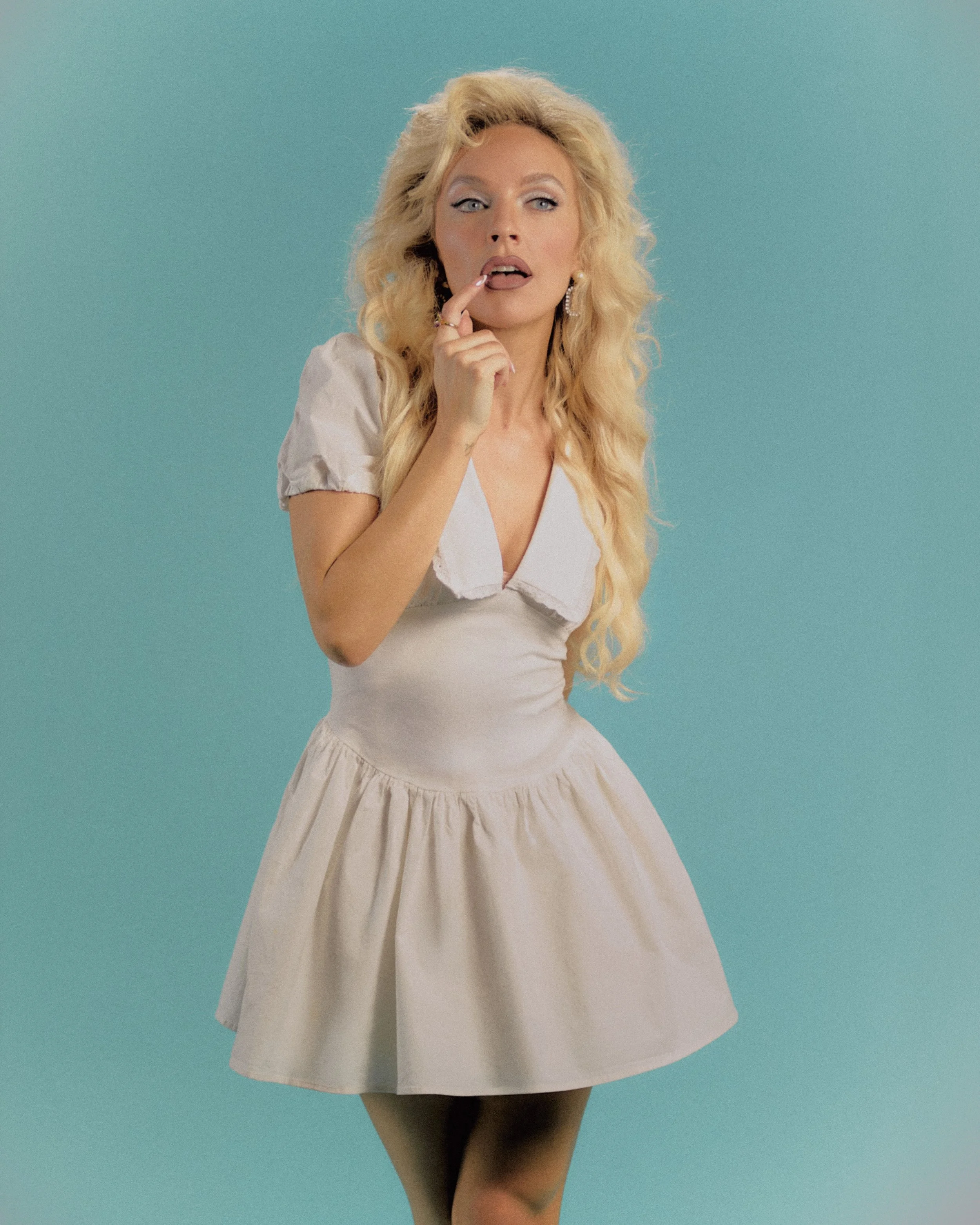
Photo by Justin Gilbert
LUNA: I watched the “Hell’s Belles” music video, and by the end of it I was literally on the edge of my seat. This needs to be a full-length film at this point. Obviously it is a music video, but it also feels like so much more than that. You’ve built this whole universe around it. At what point did you realize the concept was bigger than just a music video? Was that something you had in mind from the start?
ZOLITA: So I wrote the song “Hell’s Belles,” and when I’m thinking of a music video concept, sometimes I work backwards and think of the video before the song. In this case, I had the idea of the entire world of “Hell’s Belles” first—what the album was going to look like visually, the characters I wanted in it, the people I wanted to cast.
But I didn’t come up with the actual music video until later. Honestly, when you’re an indie artist, you have to work within the confines of what’s available to you. I was thinking, okay, what story can I tell in California, at a location I can get for free, with my friends, in two days? And honestly, I think some of the best art is made that way. Sometimes endless resources can almost become restrictive.
I was in a Kundalini yoga cult for six years. I did a whole TikTok series about it back in 2020 when everything was coming to light about Guru Jagat. That series went super viral. I’ve always been fascinated by cults. My first music video, “Holy,” is pretty culty. My company is called Cult of Girls. I think maybe because I grew up with no religion, I’ve always been drawn to the idea of faith, structure, believing in something, believing in community.
And obviously a cult is when the person at the top takes that faith and does something harmful with it. But yeah, that’s where the idea stemmed from. I’ve always loved undercover stories too, and I loved the idea of my character going undercover and then, of course, falling for the leader.
LUNA: That’s awesome. I was rooting for her the whole time. And honestly, even with the indie artist constraints you mentioned, it felt so high-budget and polished. It really felt like a full movie.
ZOLITA: That’s because I have such an amazing team around me that I’ve been working with for so long. The crew is made up of people I’ve collaborated with forever, and everyone is so talented. We all know how to stretch a tiny budget really well. Whenever I’m talking to production companies about feature-length films, I’m always like, “Look what I can do with this much money. I don’t need a huge budget.”
LUNA: I also really loved how the video balances camp, horror, satire and genuine tension all at once. Did those themes naturally come together, or did you intentionally want all those elements from the start?
ZOLITA: I think it came together really naturally. It’s kind of the amalgamation of everything I love. I love camp. I love horror. I love sexy horror. I love Jennifer’s Body. I love psychological thrillers. It just felt like all my influences came together in one project.
And sometimes you discover the campiness while you’re actually shooting. You’re doing a scene and suddenly realize, okay, this is camp. Music videos and horror are such forgiving genres too. You can inject humor and camp into them so naturally.
LUNA: You can get so creative with it. Were there specific films or visual references you kept coming back to while building that cult atmosphere?
ZOLITA: It’s interesting because a lot of my previous videos are very referential. Like my last music video literally recreated scenes from Cruel Intentions. But with this one, I really wanted to create something more original and less directly inspired by existing pop culture.
That said, Even Cowgirls Get the Blues was probably the biggest influence. I was in a session with a producer and saw the book on his desk. He explained it was about this lesbian hitchhiker who ends up at a lesbian ranch. At that point, the original “Hell’s Belles” concept was already about me hitchhiking and ending up at a lesbian ranch, but it wasn’t a cult yet.
Then I read the book and there were all these weird coincidences. References to “Madam Zoe,” Queen of Hearts imagery—things that aligned with my previous work. I felt like the universe was talking to me. Then I found out there was a movie adaptation starring Uma Thurman, and people compare me to Uma all the time.
LUNA: That’s literally a sign from the universe.
ZOLITA: Fully. Then the craziest thing happened: I found a vinyl for Even Cowgirls Get the Blues by Lynn Anderson in a free box on the street. It just kept happening over and over.
LUNA: That’s so insane. It really feels like the project was meant to happen. I also wanted to ask about Belle and Hell’s chemistry because it’s immediate and believable right away. Was it important to you that viewers understood why Belle got pulled into the cult?
ZOLITA: Definitely. I wanted viewers to root for Belle not to get sucked in, but at the same time root for them together because Hell is just so irresistible and sexy. At a certain point, I wanted the viewer to become Belle and think, “Okay, maybe I would join this cult too.”
That’s also why I love working with the same actors repeatedly. I joke that I want to be the lesbian Ryan Murphy. There’s a reason directors keep using the same actors; you develop shorthand and chemistry together. Especially on a two-day shoot with basically no rehearsal time.
LUNA: I also wanted to ask more about the Kundalini yoga cult experience. Has turning it into something campy and fantastical been a form of reclamation for you creatively?
ZOLITA: Absolutely. It’s something I’ve processed a lot, but it’ll always be part of my story. And as an artist, especially someone who creates fantasy-driven pop visuals, making art has always been how I process things happening in my life. Turning something painful into something fantastical and campy definitely feels like reclamation.
LUNA: That’s awesome. I really loved all the women in the cult because they each feel like these larger-than-life personalities with their own stories. How did you build those characters out?
ZOLITA: Most of them were inspired by the women I wrote about in the song. But honestly, directing is so collaborative. I cast people knowing they would naturally bring themselves into the role. Like Georgia [Bridgers] playing Peach; I knew she would bring so much personality to it. And we also shot extended dialogue scenes for all the characters, which are coming out soon. I’m really excited because people will get to see everyone acting more fully.

Photo by Justin Gilbert
LUNA: That’s awesome. It really feels like you’re continuously expanding the universe. One thing I love about your work in general is that queer relationships are never overly sanitized or simplified. They’re messy and obsessive and dramatic. Why has it always felt important to portray queer women that way?
ZOLITA: I think I just write what I see in my own life. None of the queer relationships around me have been perfectly polished or sanitized. I think both kinds of representation are important though. Happy endings are important too. I’m interested in exploring the full spectrum.
LUNA: Totally. I also loved the mockumentary interview sections at the end because they somehow made the whole thing feel even creepier and more real. What inspired that true crime documentary framing?
ZOLITA: I love cult documentaries. I love true crime documentaries. I was part of one myself. When my marketing brain kicked in, I started thinking about how to expand the world beyond the five-minute music video. I wanted to give people more context for the characters and what happened after the cult. So I went around to everyone’s houses and filmed these “where are they now?” interviews. Some characters were still believers, some weren’t. It became really collaborative. Lauren Payton and Alyssa Eells are both hilarious comedians, so we leaned into humor with them. Then I went to Kyra Green’s house and immediately realized her character would’ve opened a healing center after leaving the cult because her house already felt like one.
LUNA: That’s so cool. It really feels like collaboration is such a huge part of this whole project. So if this did become a full-length film someday, what do you think would happen to Belle after the ending?
ZOLITA: I definitely want to make a part two music video. I always joke that “Telephone” part two never happened, so maybe this is our chance. I love the idea of something Thelma & Louise-inspired. And if I ever made a feature film version, I’d want to expand way more on what’s actually happening at the cult. I just watched Obsessed recently and it really got me thinking about how forgiving horror is as a genre, especially budget-wise. It made me realize that doing a one-location psychological thriller with people I love working with doesn’t actually feel impossible. So yeah, I’m definitely thinking about writing a feature script.
LUNA: The world is your oyster, honestly. I’m excited to see what happens with it. What’s coming up next for you?
ZOLITA: I’m putting out my next single in June, and then the album comes out in August. Tour will be September through October. Until then, I’ll basically be releasing a single every month, more visuals and continuing to expand the world of the album beyond just the music videos.
