REVIEW: Portola is the Dance Party for Every Generation
REVIEW
REVIEW
☆ BY ALEAH ANTONIO ☆
Photos By Marco Sevilla for The Luna Collective
DANCE MUSIC HAS ROOTS AS FAR BACK AS ANY OTHER GENRE—Disco and club scenes may have birthed the genre as early as the ‘70s, but so much that it owes itself to sampling decades of music that precedes it. EDM can feel both old and new, timeless and modern. Even though San Francisco’s electronic music festival, Portola, is still in its early years, the organizers know well enough to pay homage to DJs and artists on all points of the timeline.
Goldenvoice debuted Portola four years ago, its name indebted to the San Francisco neighborhood of the same name. Its first year had strong acts like The Chemical Brothers (who have been DJing since the ‘90s), Flume (who has now become a staple in modern electronic music) and PinkPantheress, who at the time just blew up after her debut record to hell with it dropped in 2021.
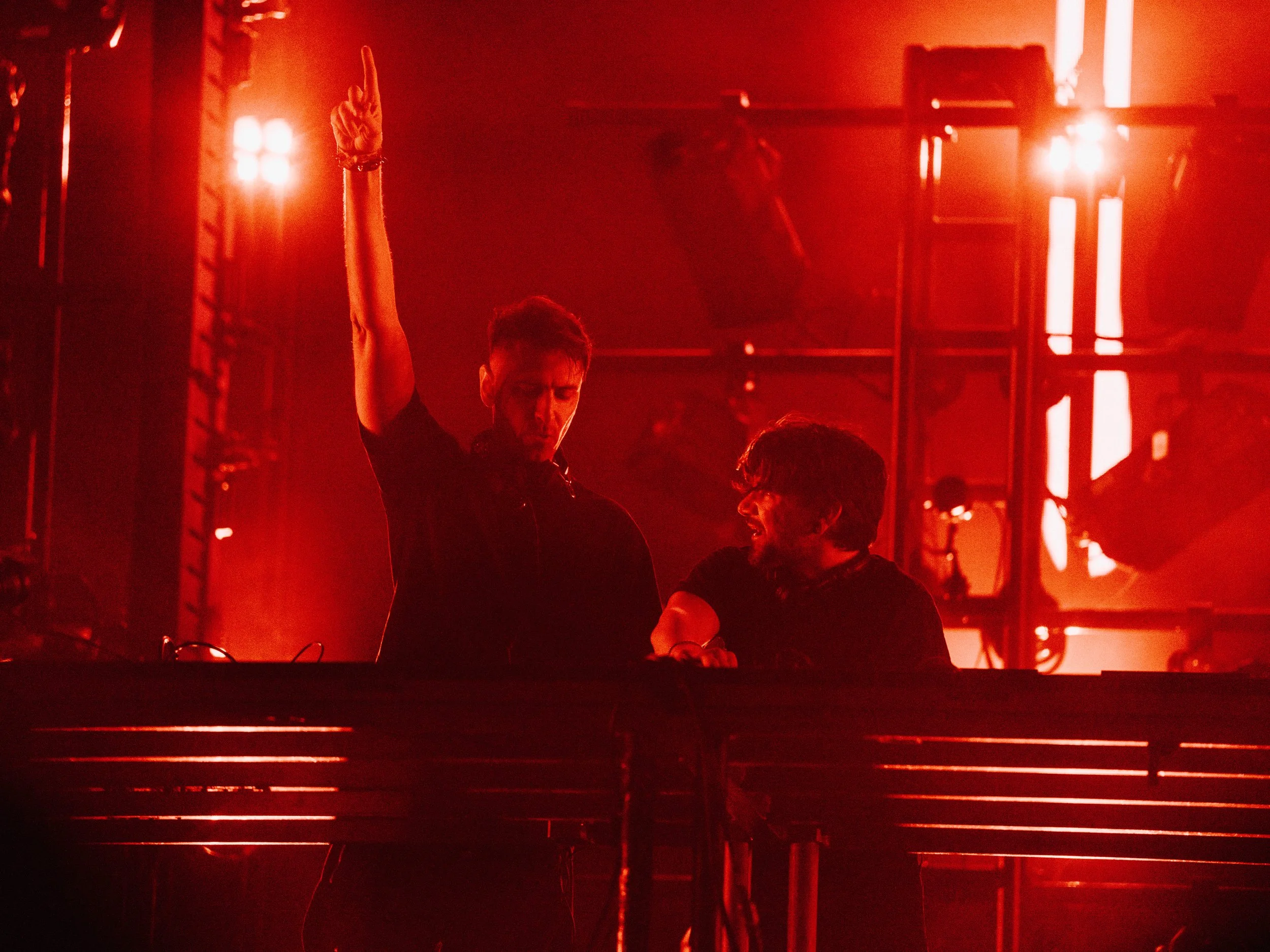
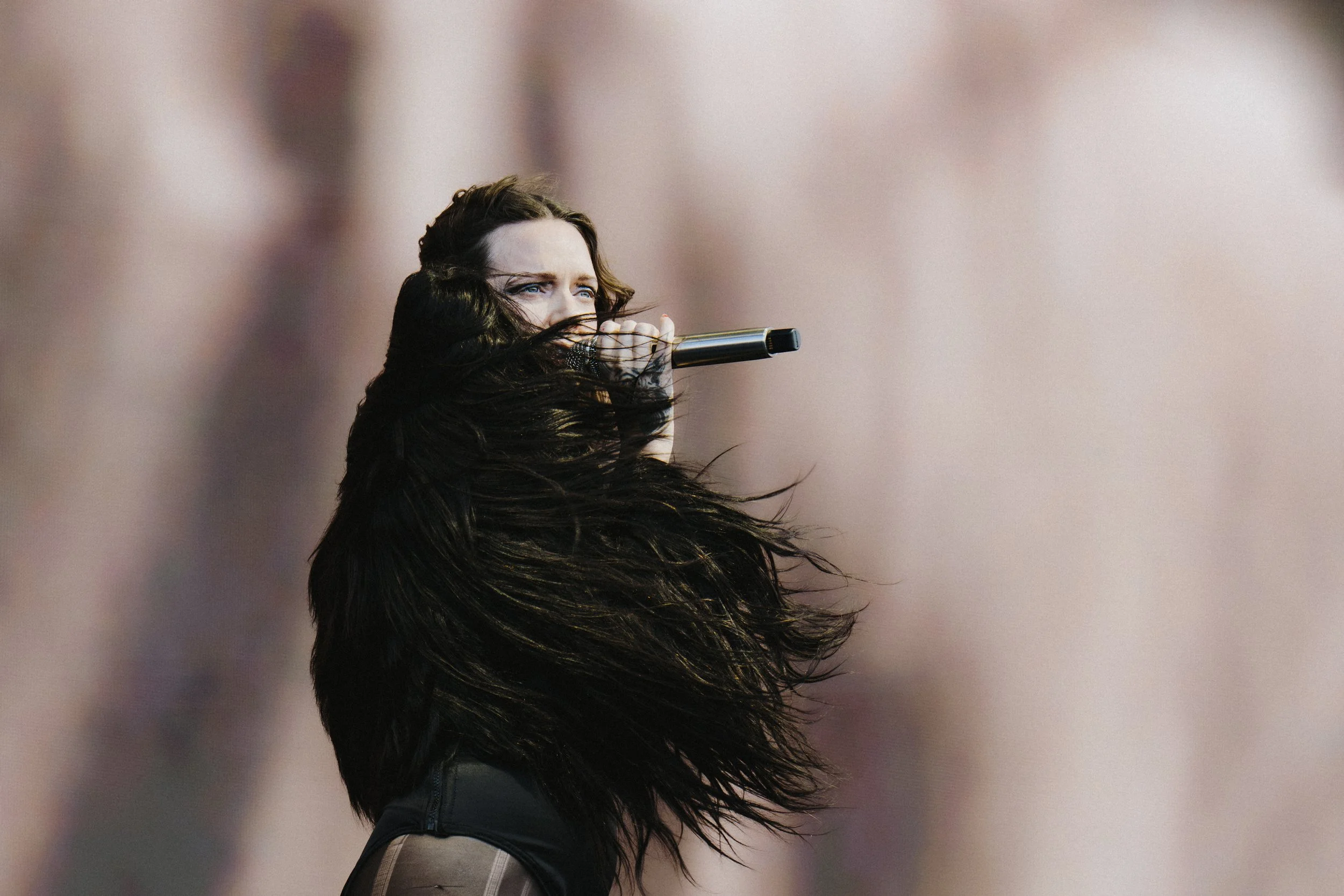
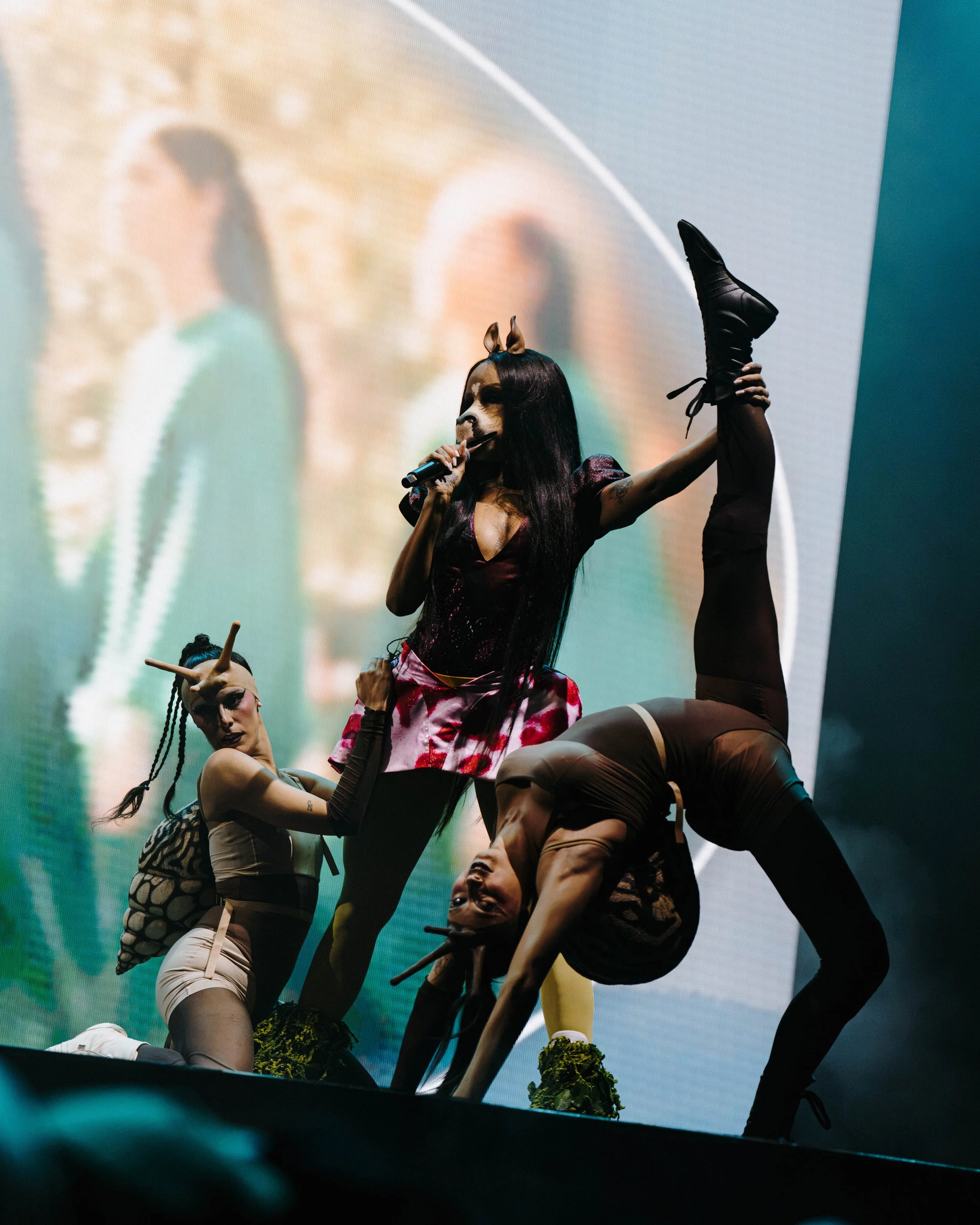
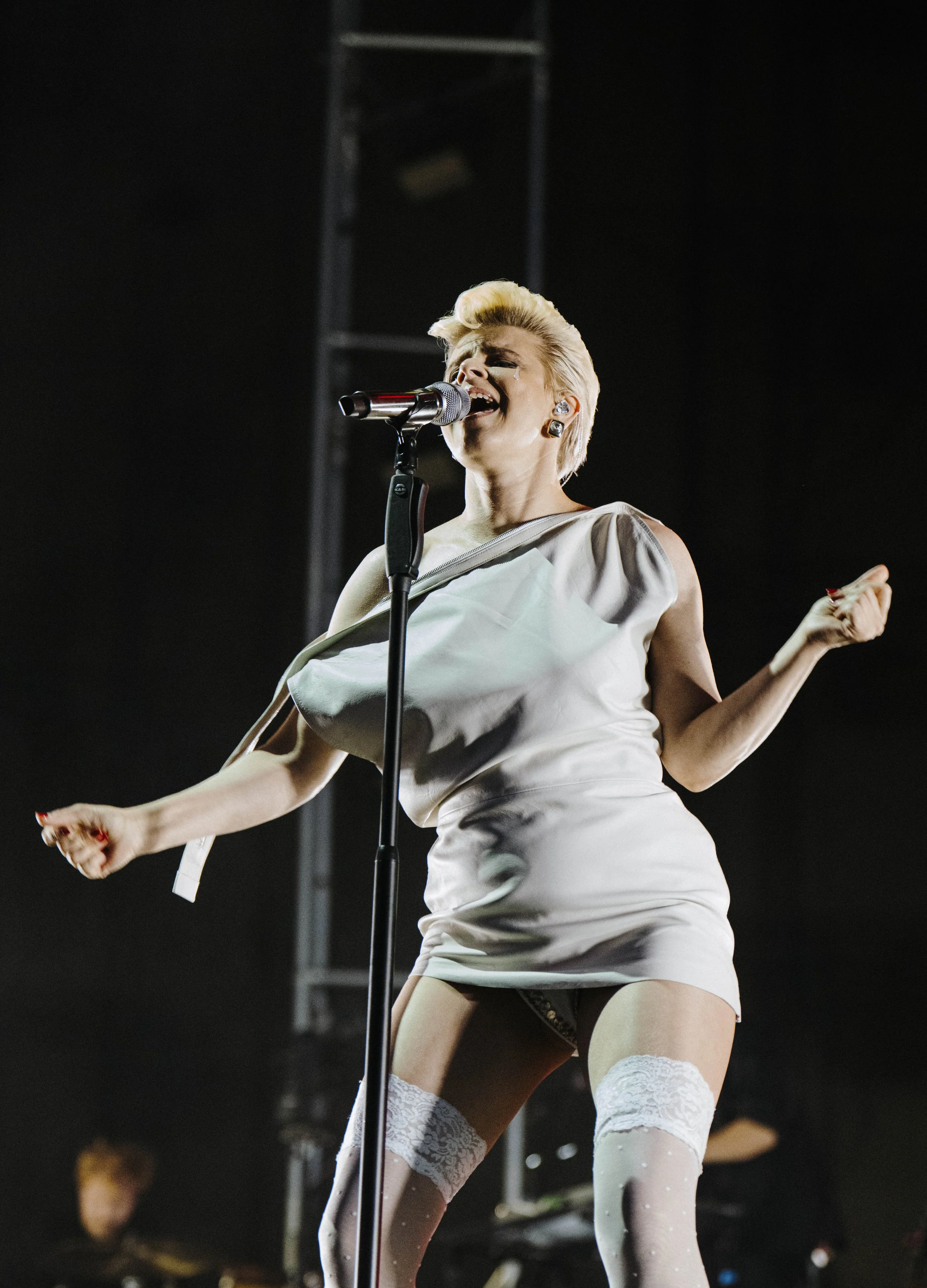
Last weekend, Portola ran it back with headliners Robyn, Dog Blood (Skrillex and Boys Noize) and Swedish House Mafia. The three alone were enough to pull people back for another year, but Portola’s strength is in its local talent and nod to iconic DJs. This year, the festival introduced Program Audio cofounders Erika and SF Cowboy for a back-to-back set, along with locals Clearcast, Felly Fell and recently erupted talent underscores. They also tapped into the new wave of electro-sleaze and computer twee, featuring acts like Ear, Six Sex, MGNA Crrrta and Fcukers.
This is where Portola is at its strongest: handpicking artists who not only set the groundwork of dance music, but also are feverishly in love with production and craft something new.
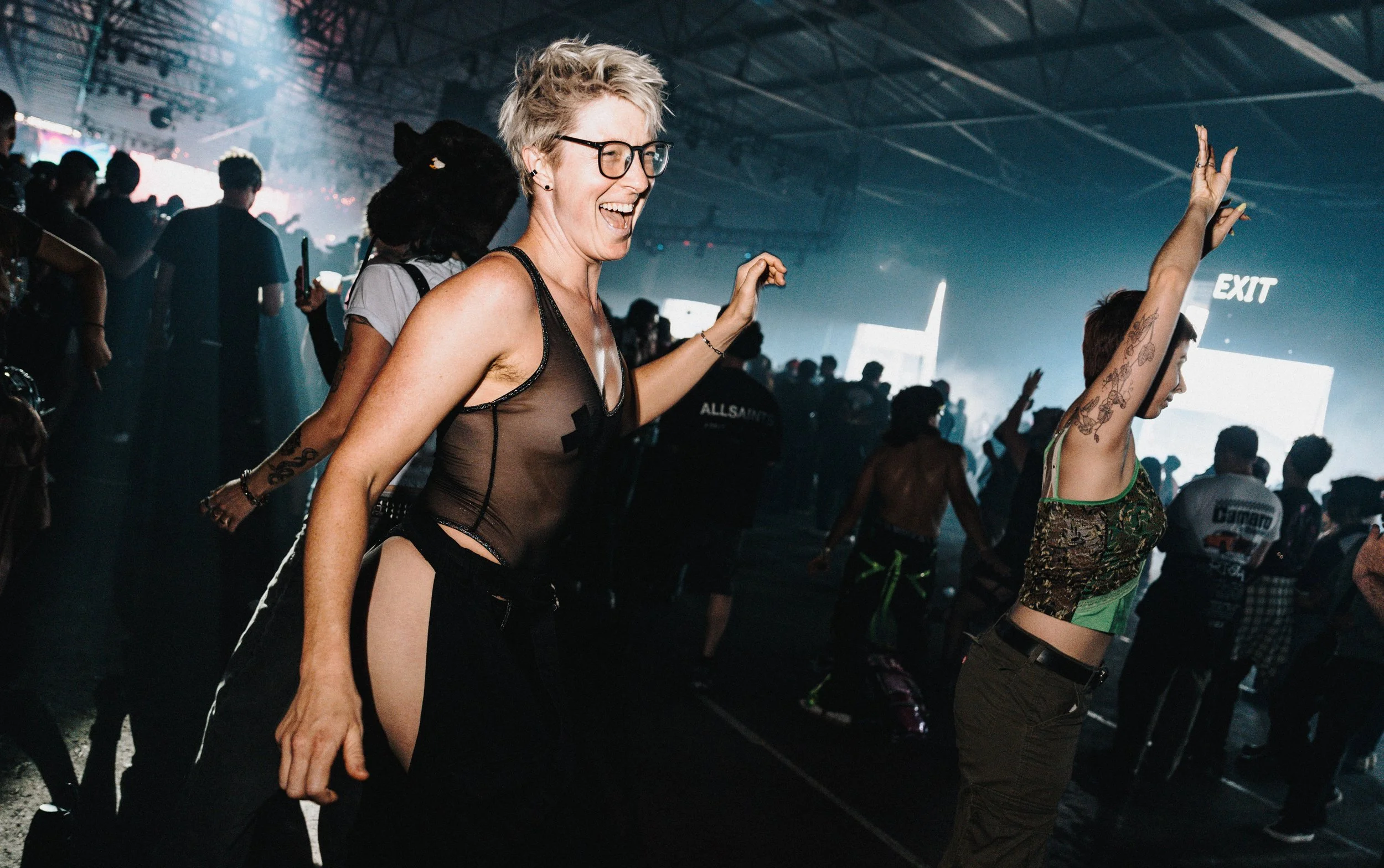
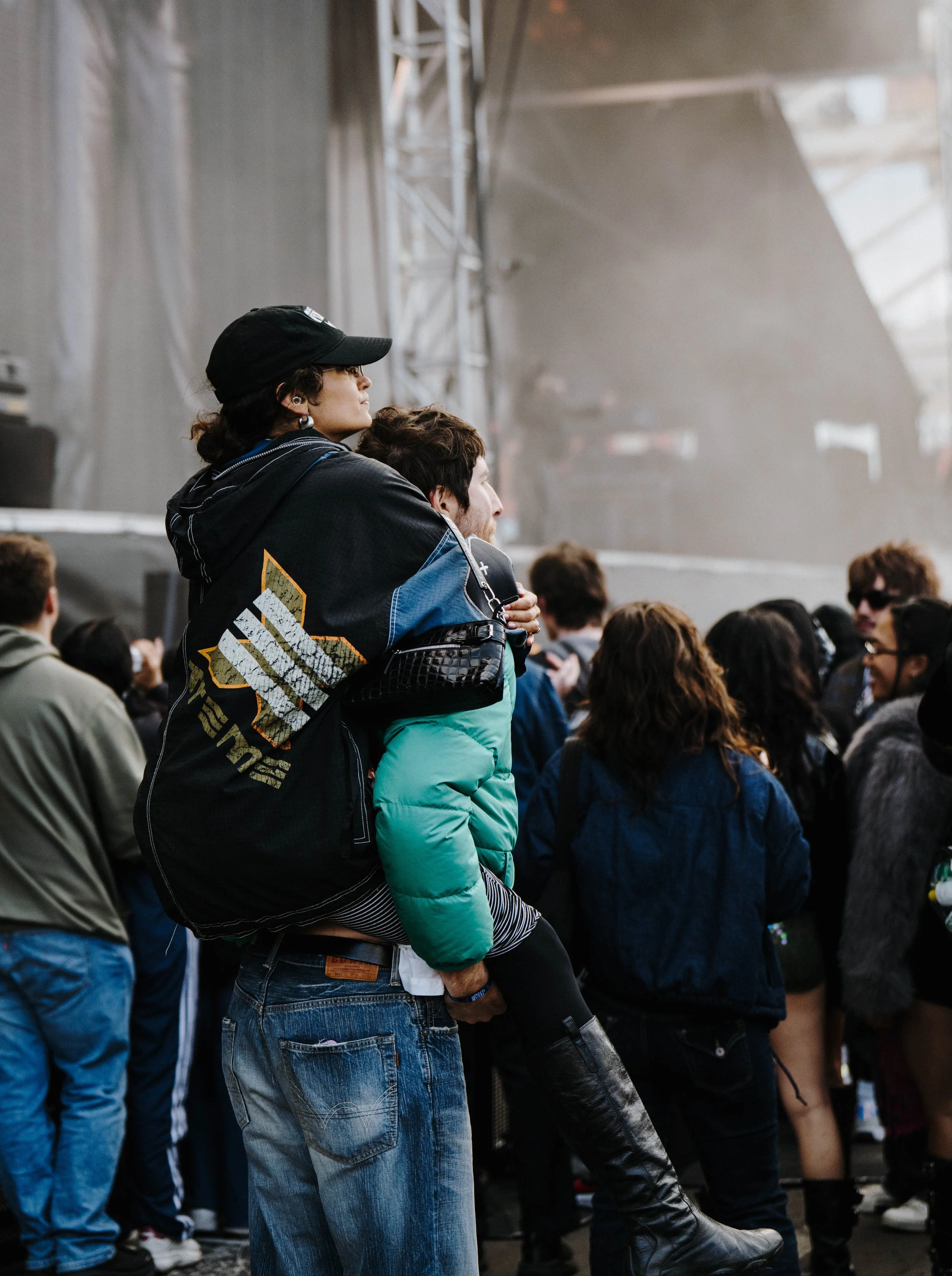
The days seemed to split to cater to the ages—Saturday brought out millennials and older couples who fangirled over Robyn, former Beastie Boy Mike D and legends DJ Shadow and Tricky. Most of the younger crowd dawned unto the earlier sets, securing barricade spots for Bassvictim and MGNA Crrrta. There was more foot traffic and footwork for Sunday, where Adéla ruled the lineup alongside Ninajirachi and Zara Larsson.
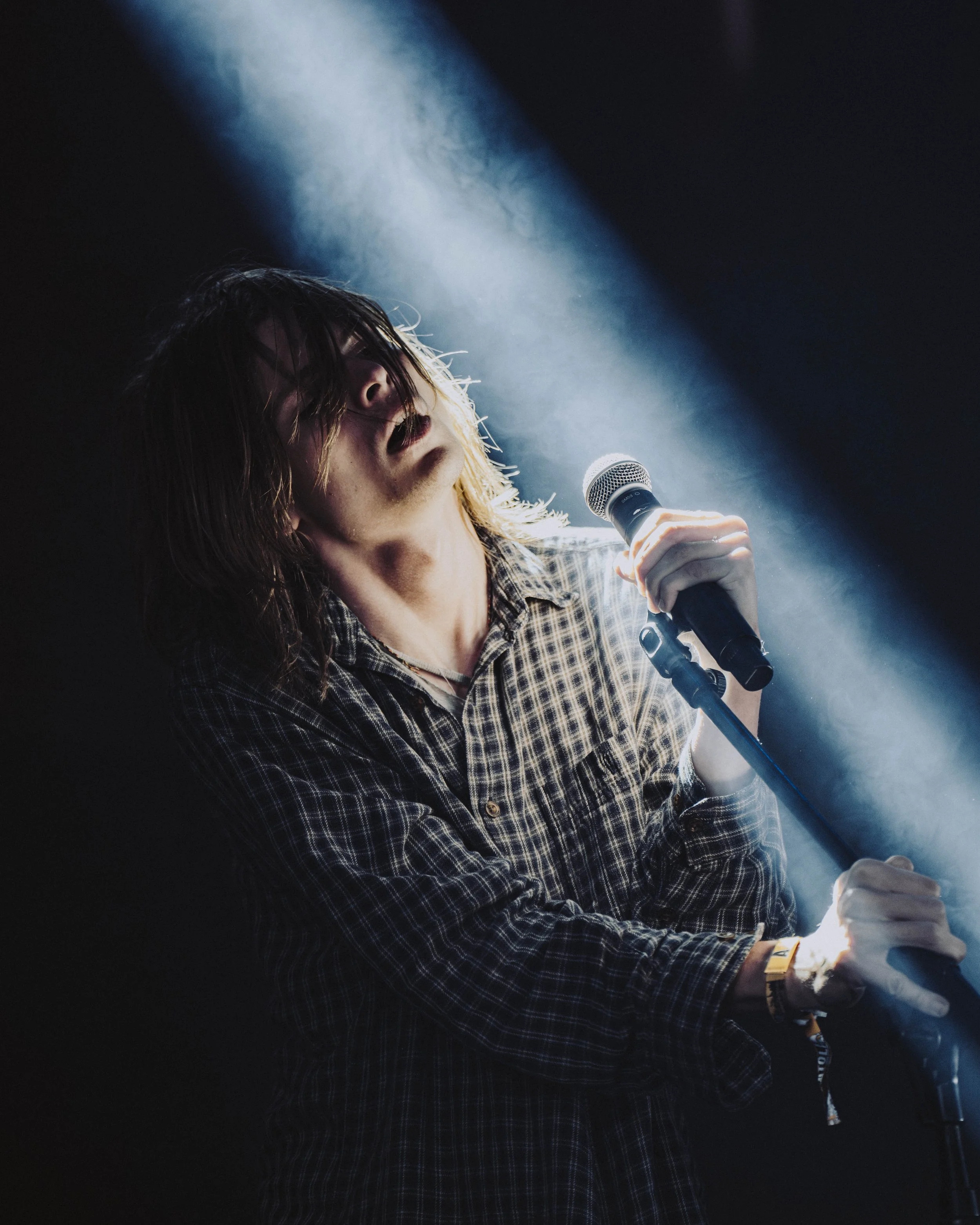
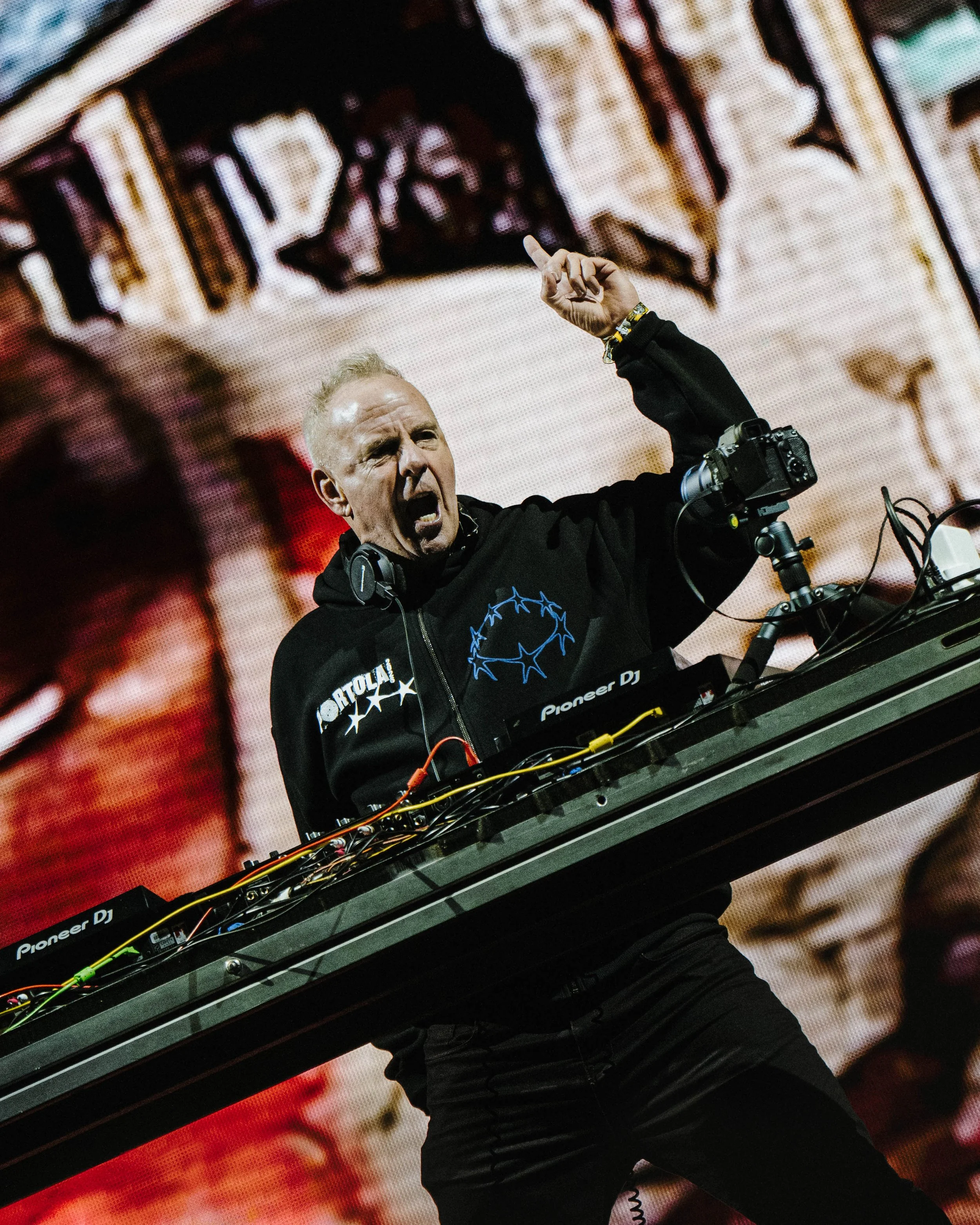
The age dichotomy also brought out differences in generations—during Fcukers set, Jackson Walker Lewis took a moment to say “Fuck Donald Trump, fuck our government, no more data centers, no more wars and free Palestine” before they performed “Homie Don’t Shake.” Meanwhile, at Fatboy Slim’s set, I was so distracted by his AI-generated visual show that I had to leave his set early. However, DJ Shadow (fellow SF native, who celebrated 30 years of debut record Endtroducing…) kept it real with his record scratching and handmade visuals by another SF based artist.
Dance music has always been propelled by marginalized folk, especially ones who are outside of the cultural and stylistic norm. There may be some disconnect with those who co-opt and whitewash the scene, but luckily, Portola proves that authenticity is at the top of its list.
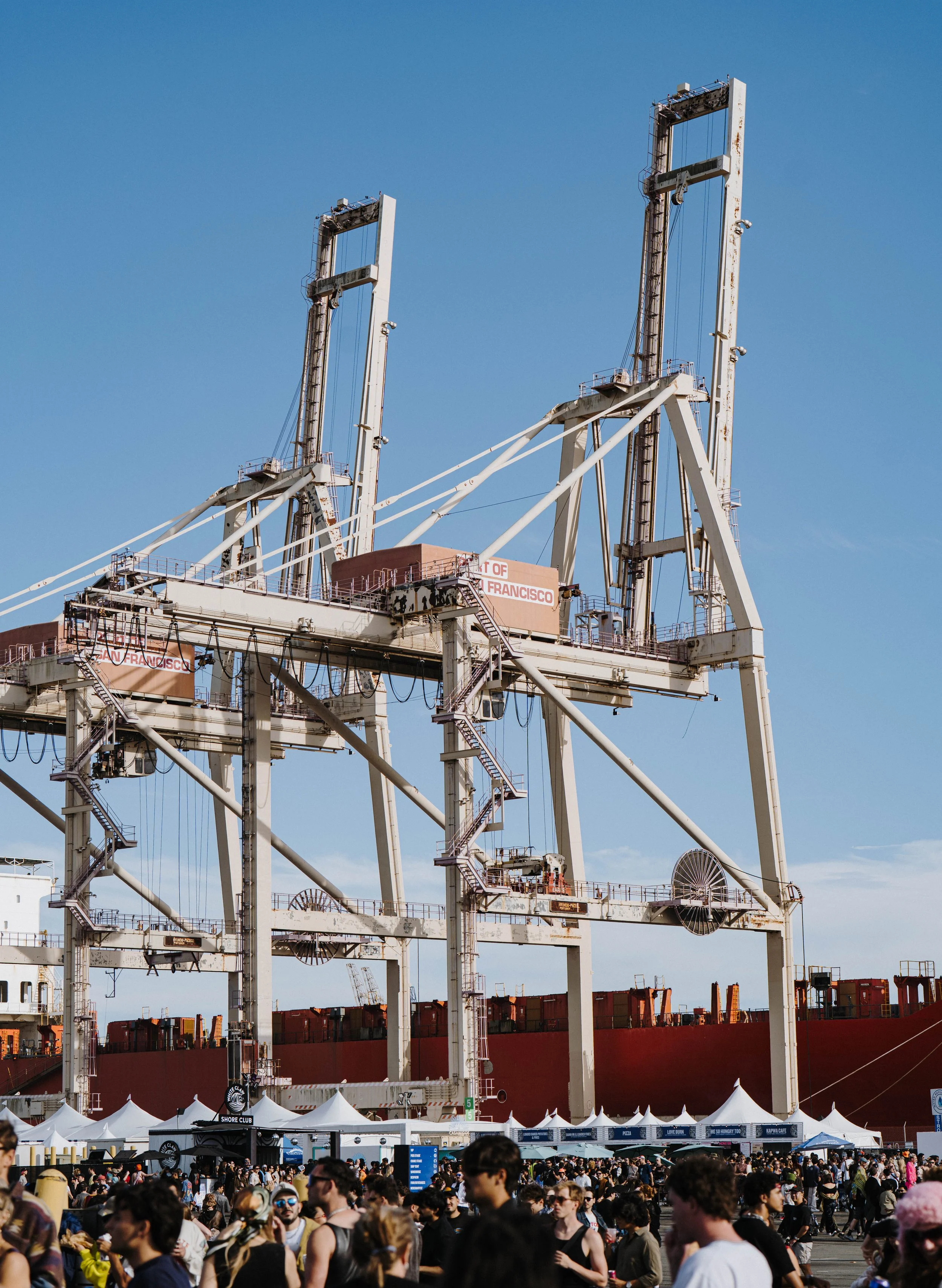
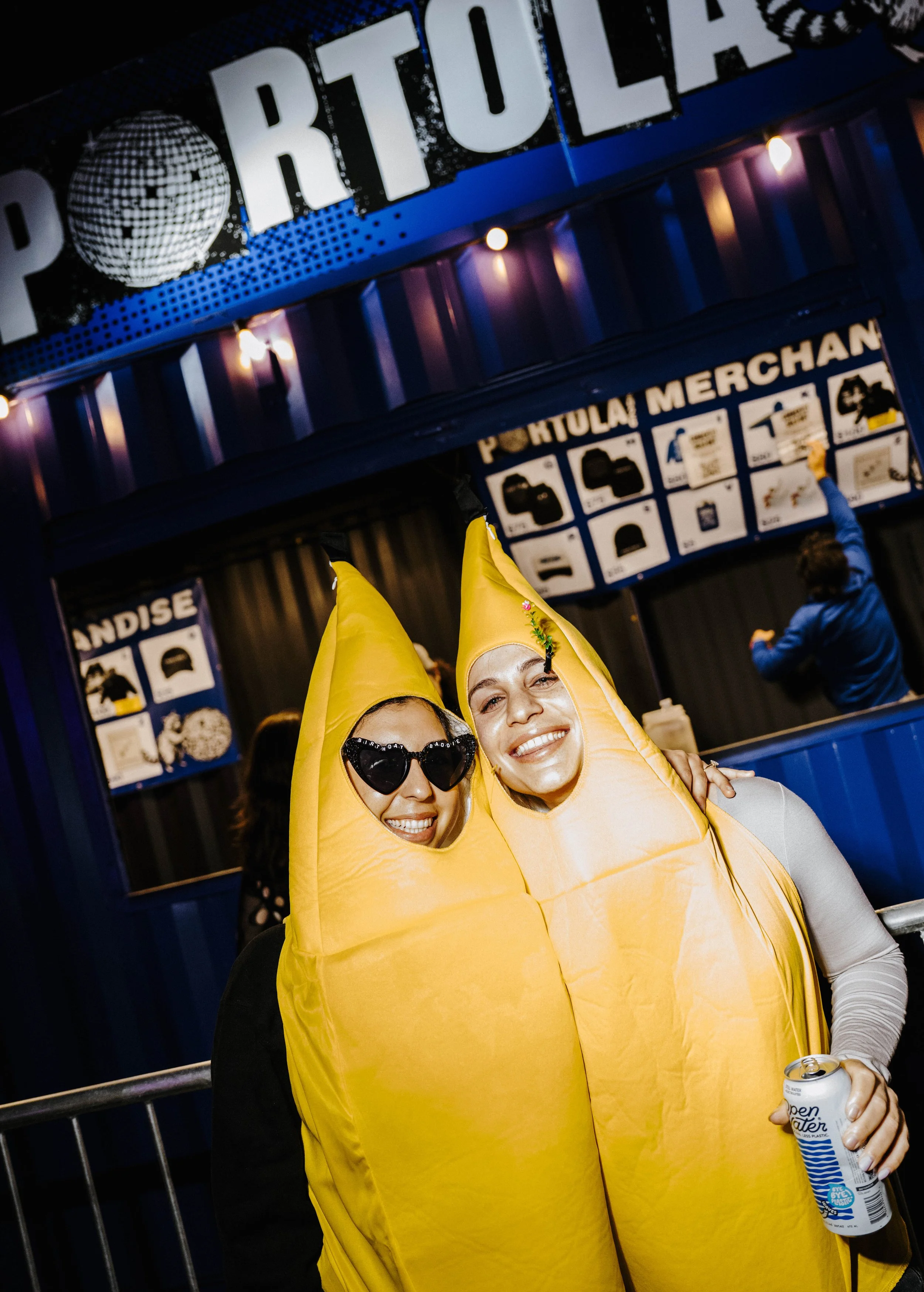
Even though the festival is produced by Goldenvoice, the all-powerful promoter best known for Coachella and Stagecoach, they know their audience very well. Portola barely has any activations or brand pop-ups. There are few places for photo ops, besides the photo booth festival art sprinkled around Pier 80. Instead, they focused on turning the pier into one big dancefloor. It’s a 21+ festival, so there’s plenty of places for a drink, but they opted to partner with local San Francisco restaurants and wine bars to sustain the weekend.
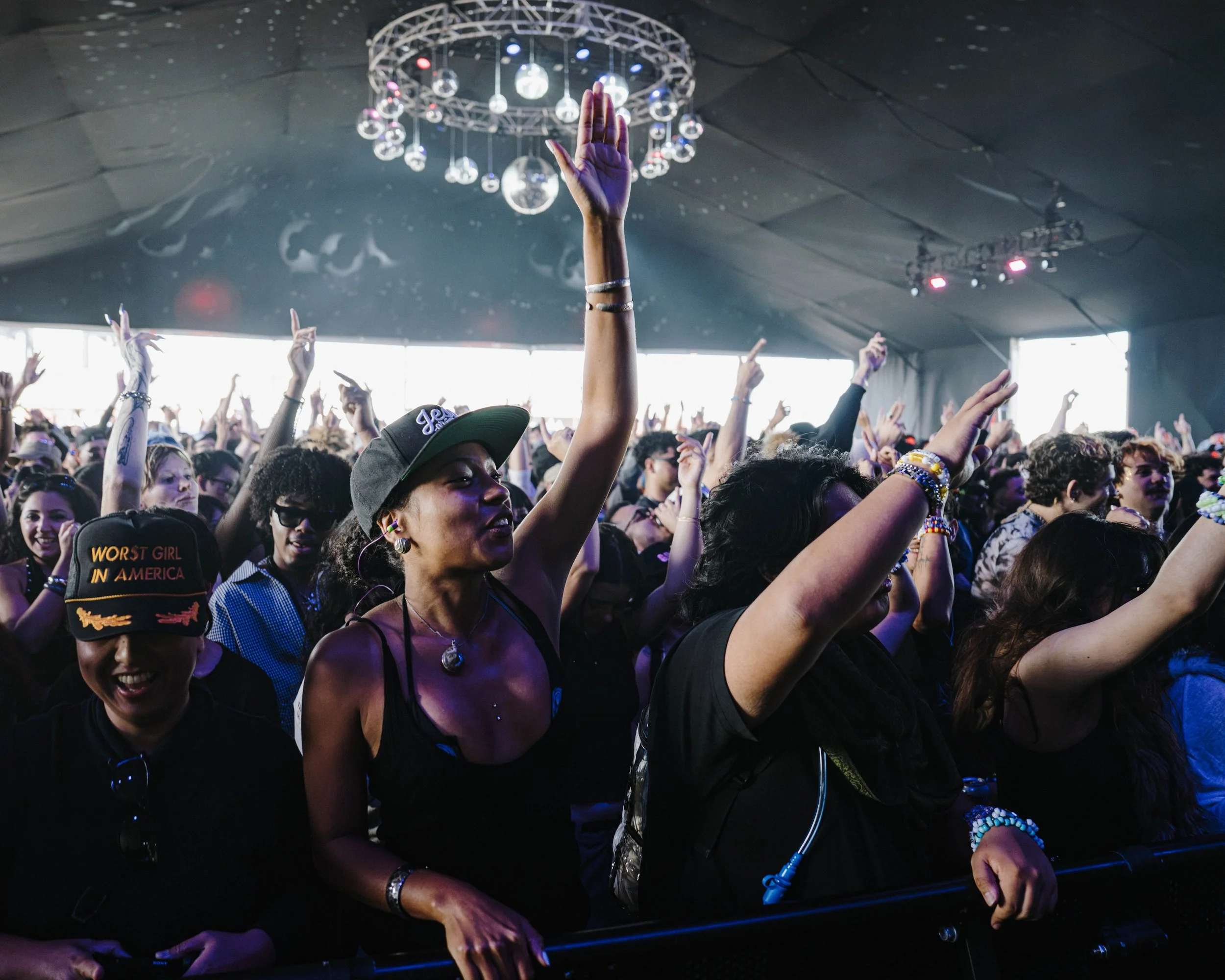
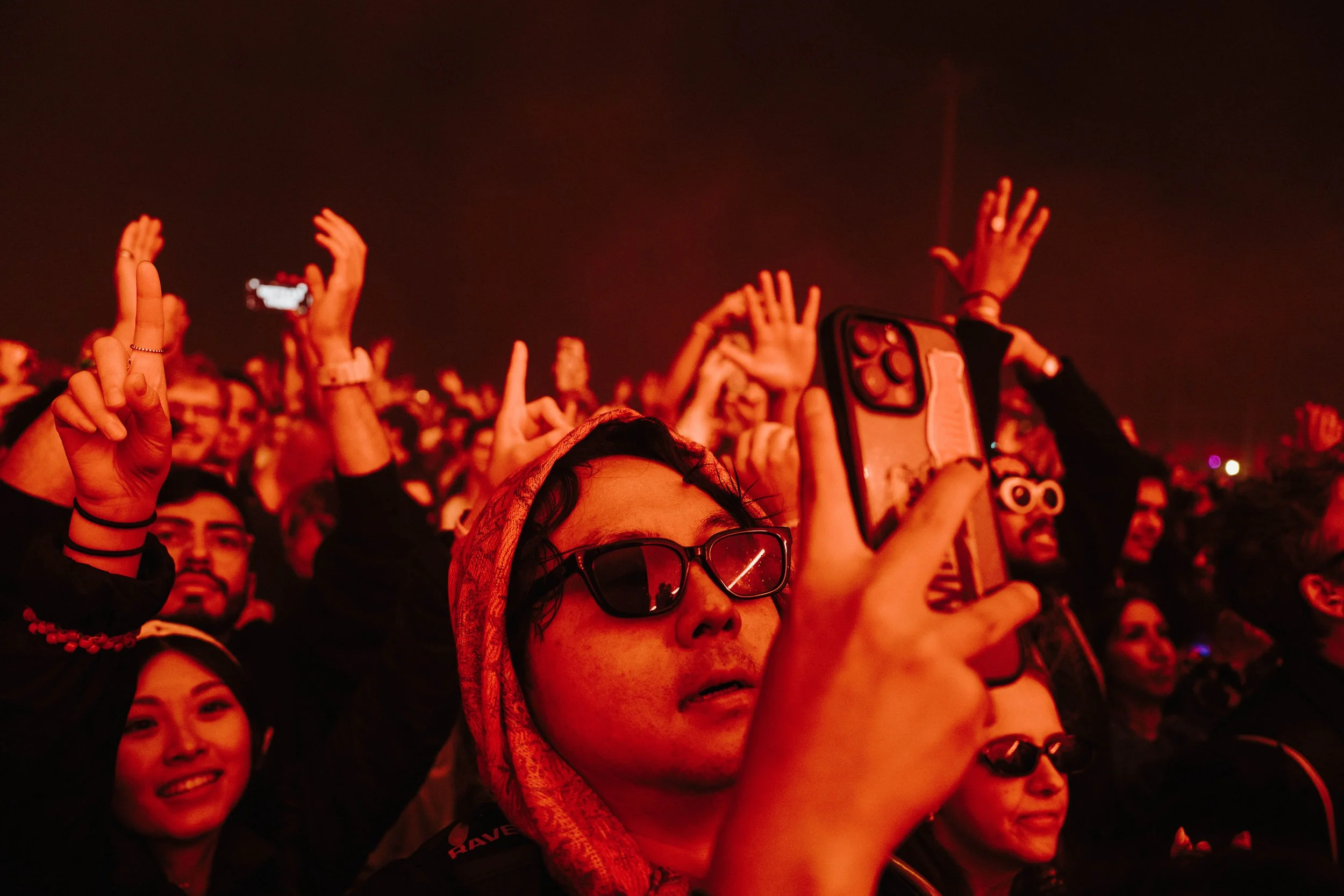
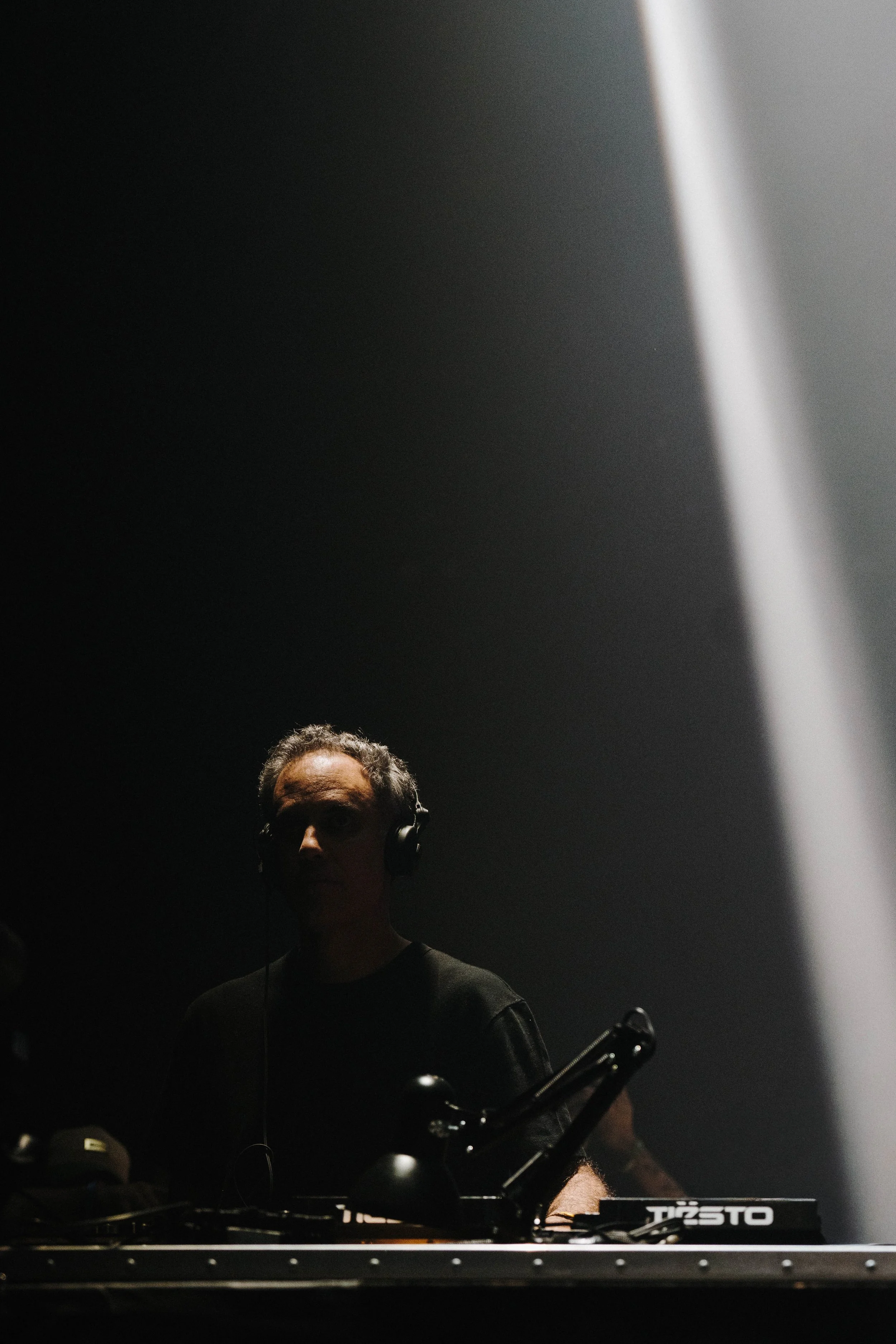
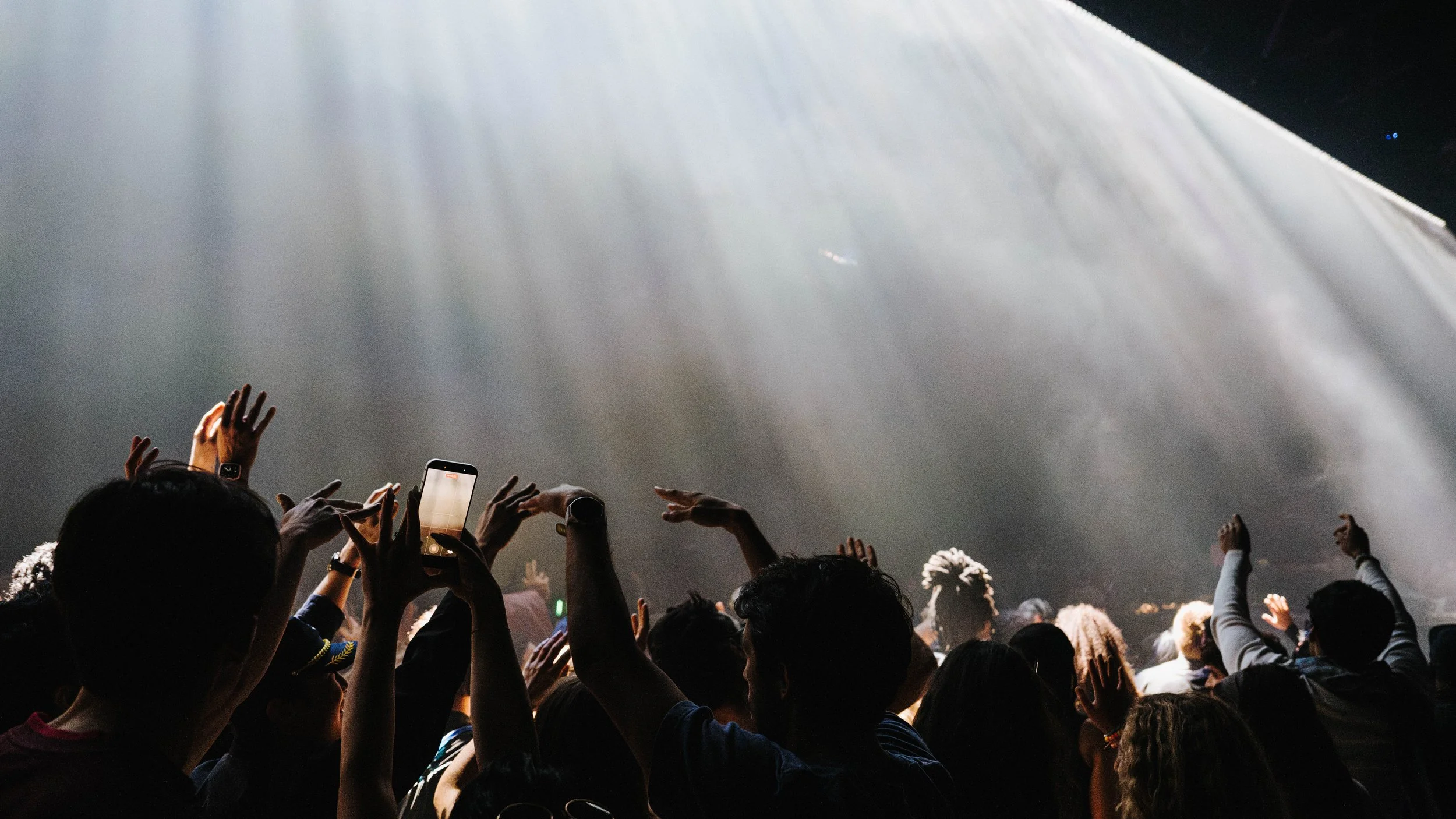
It was also the second year of Despacio, something hard to describe without having been there in person. Despacio takes place in a giant tent where there are seven McIntosh speaker stacks providing hi-fi audio throughout the room. A disco ball, probably one bigger than you’ve ever seen, hangs high above the crowd. They keep it dark and keep it loud, the perfect combination for an endless night of dancing. The DJs spin rare records, and you can’t see them at all, which is the point of Despacio—they want festival-goers to put their phones away and focus on the music and moving their body.
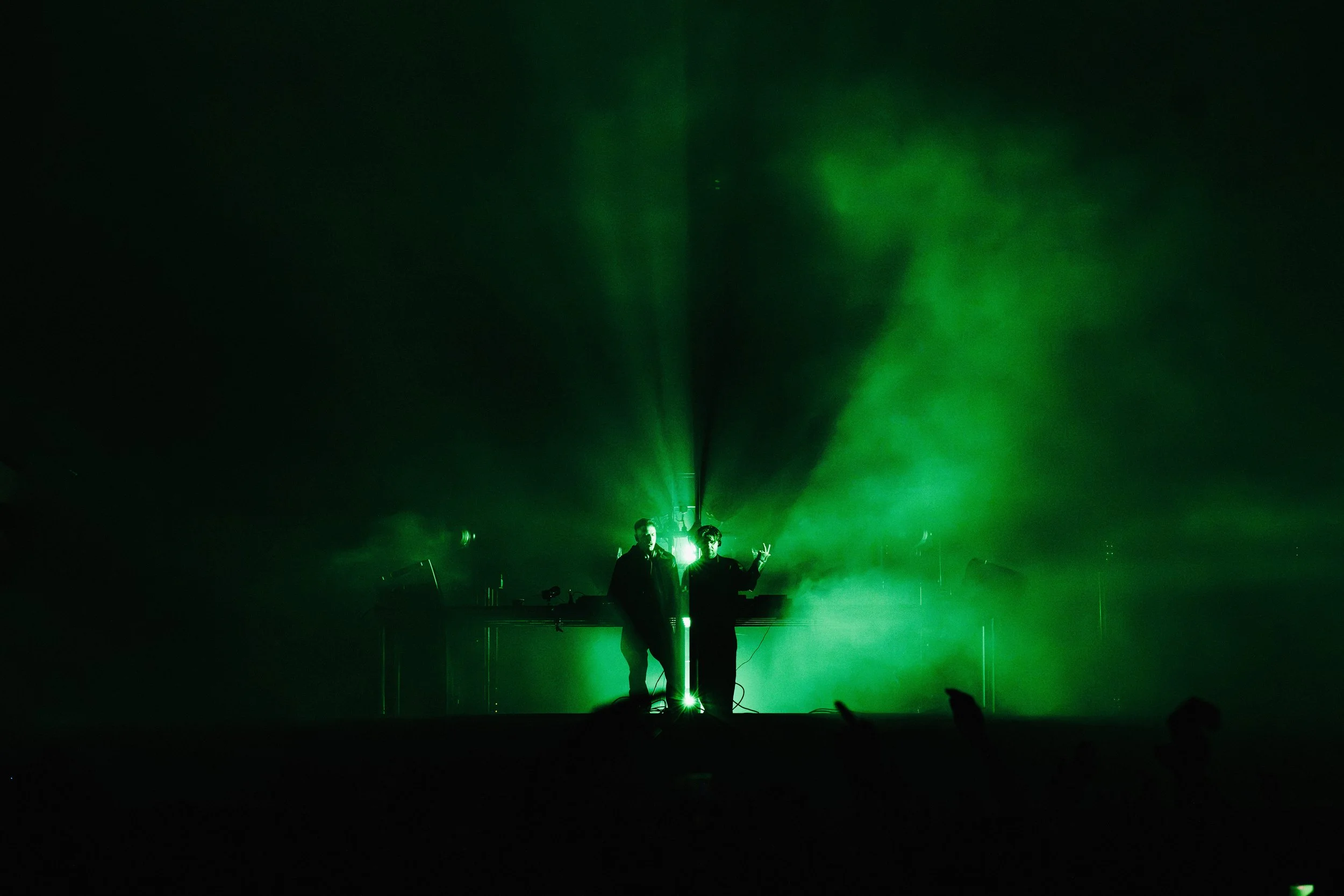
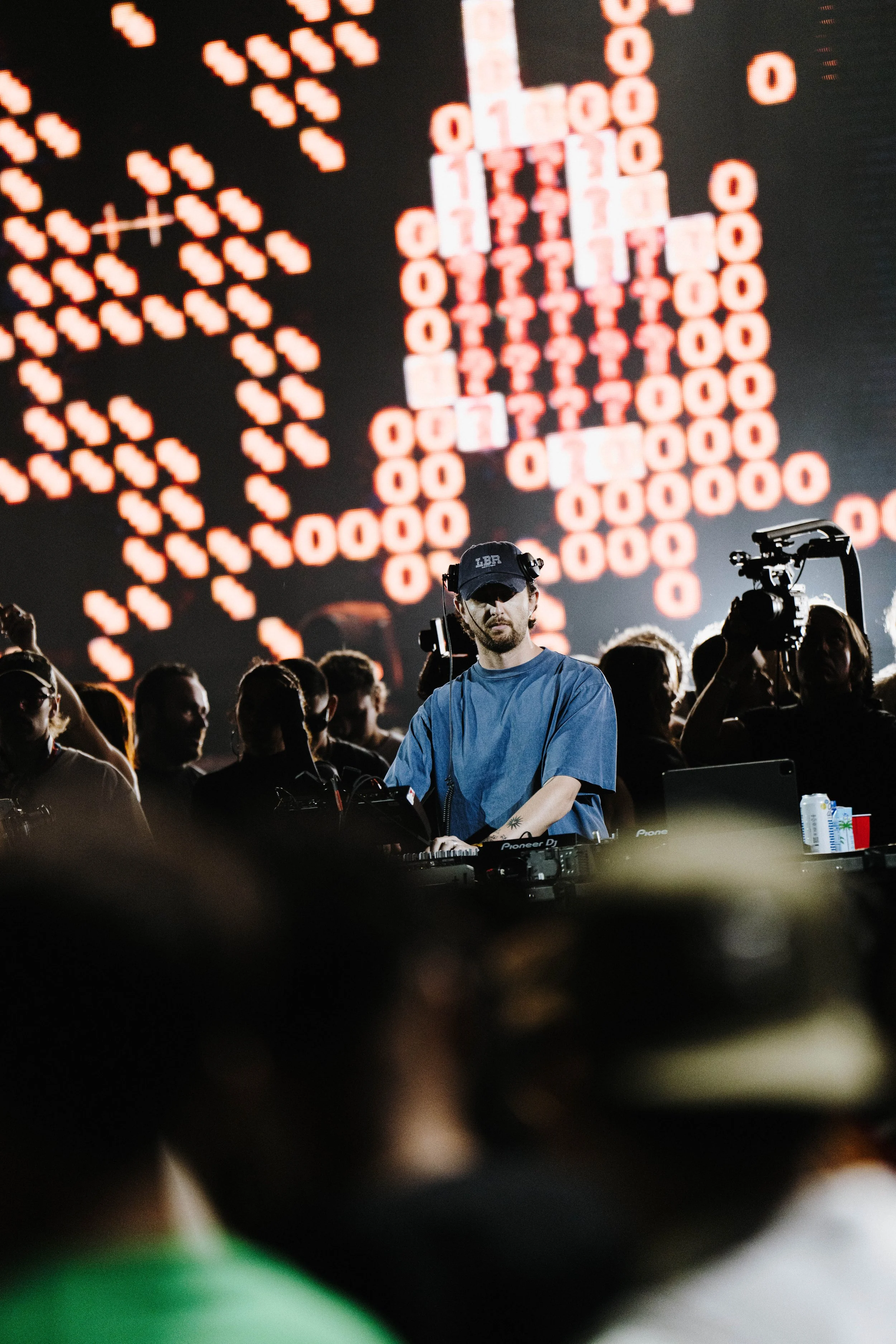
Similar to Despacio is the Warehouse Stage, which feels infinitely bigger than the main Pier Stage. It’s a nod to old school warehouse parties, where the DJ sits at the front of the tent, barely with a stage, and the light show is its main draw.
At Portola, other than dancing the night away with your friends, nothing else really matters.