REVIEW: Tecate Pa’l Norte 2026: Three Days Where Chaos, Catharsis and Community Collided
REVIEW
REVIEW
☆ BY DANY MIRELES ☆
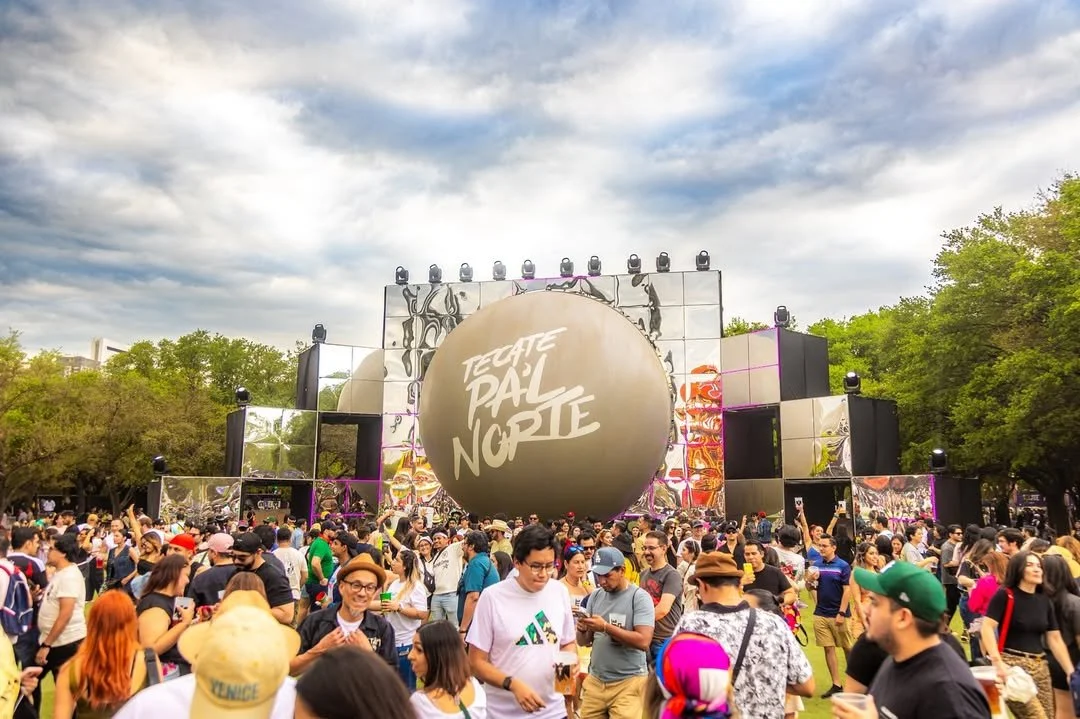
THERE IS SOMETHING ABOUT TECATE PA’L NORTE—that refuses to be reduced to just another festival. Held at Parque Fundidora in Monterrey, Mexico, from March 27 to March 29, it exists somewhere between exhaustion and excitement; between the dust and air and the lights that never seem to dim. This year, the festival felt especially self-aware, like it understood the emotional weight it carries for the people who return year after year. Before the music even began, there was the now-familiar warning: stay hydrated, take care of yourself and look after one another. It sounds simple, but in a space this massive, it becomes something deeper. Pa’l Norte doesn’t just ask for your attention, it asks for your body.
No set embodied that physically more than Turnstile. Their performance didn’t unfold; it erupted. From the first note, the crowd transformed into something uncontrollable, a movement that blurred the lines between chaos and release. There is a particular kind of honesty in hardcore, one that doesn’t allow you to stay behind it. You either step into the mosh pit or you don’t. Their performance wasn’t just about the music; it was about surrendering to it and letting go in a way that feels necessary after holding everything for too long.
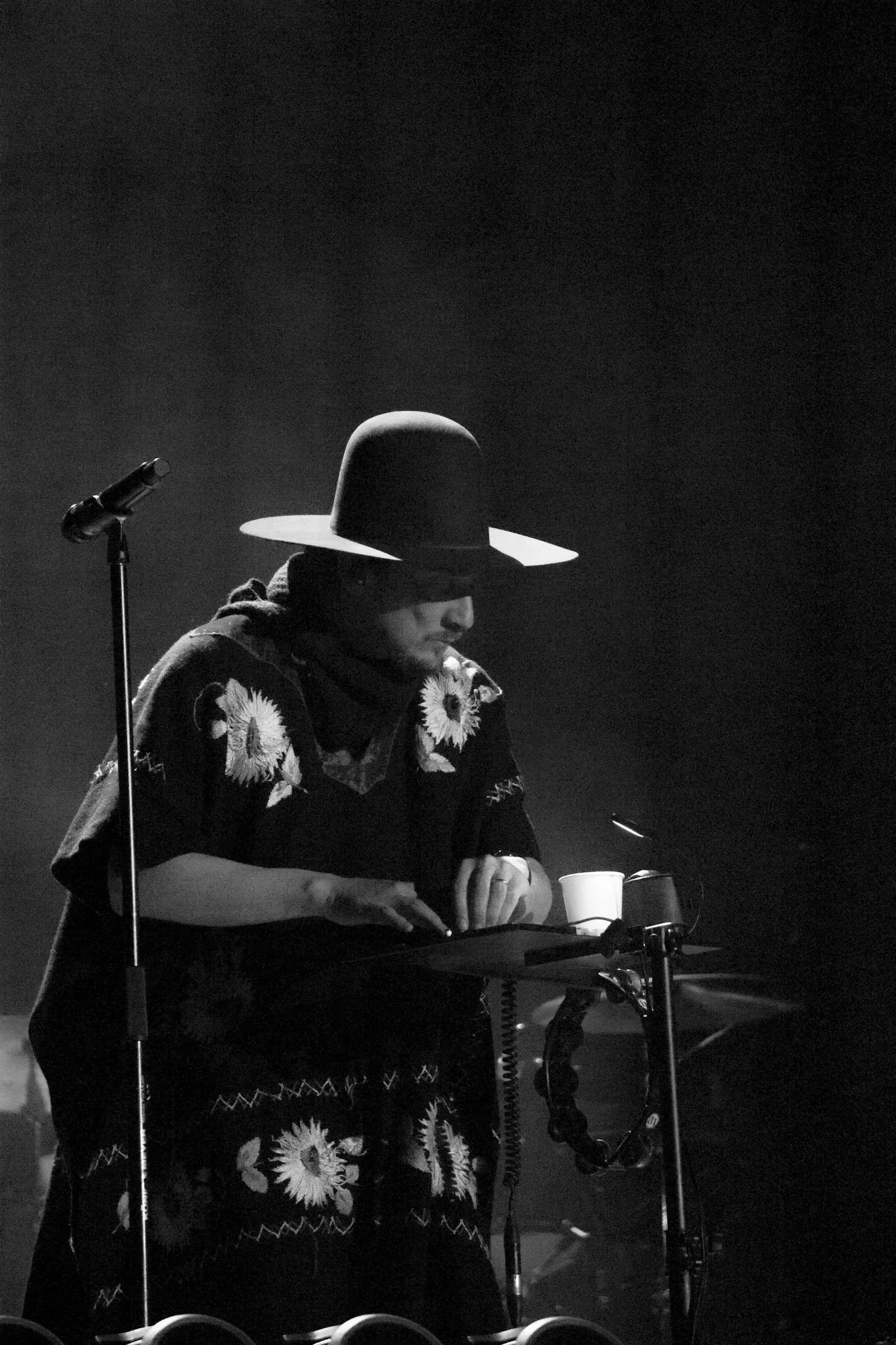
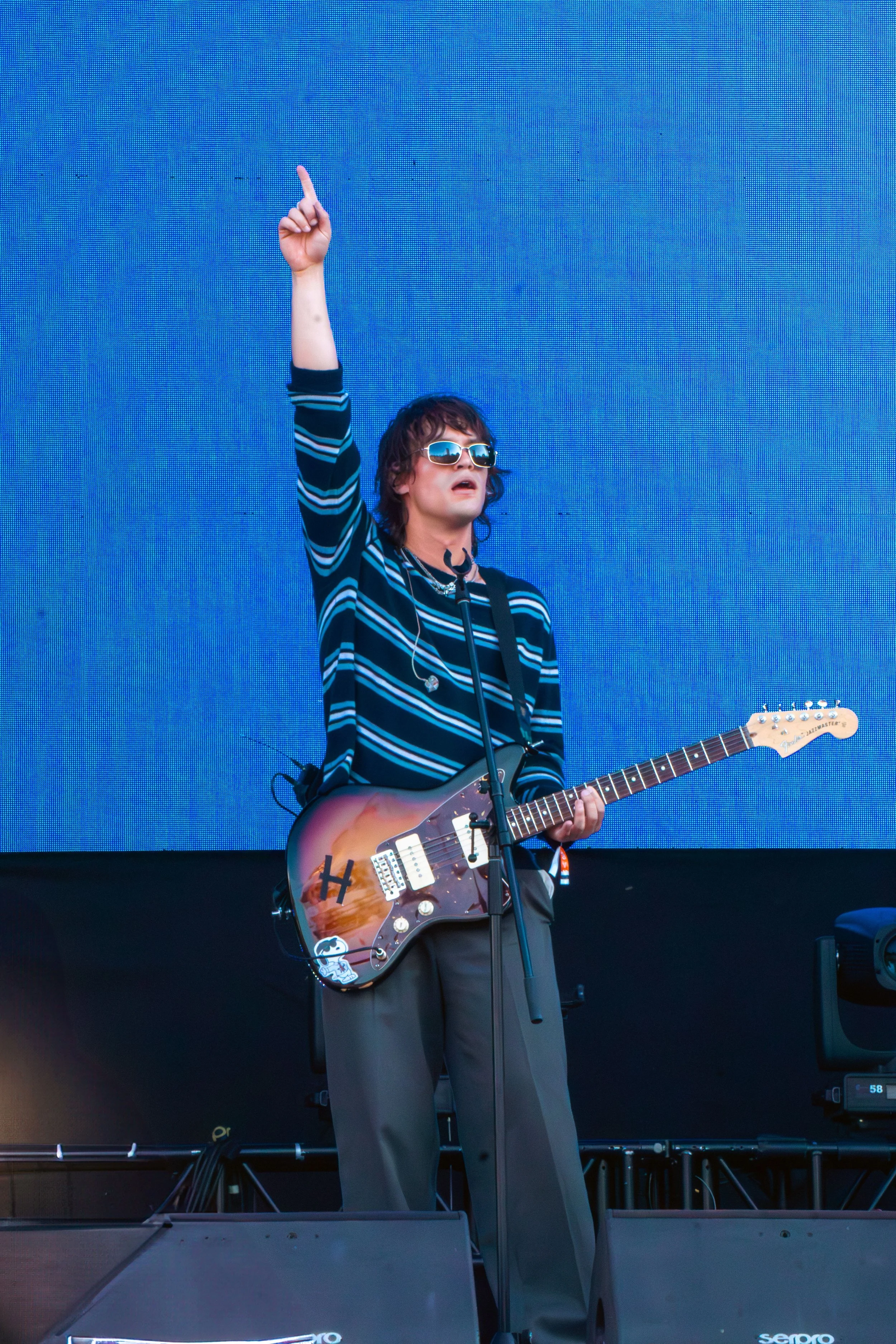
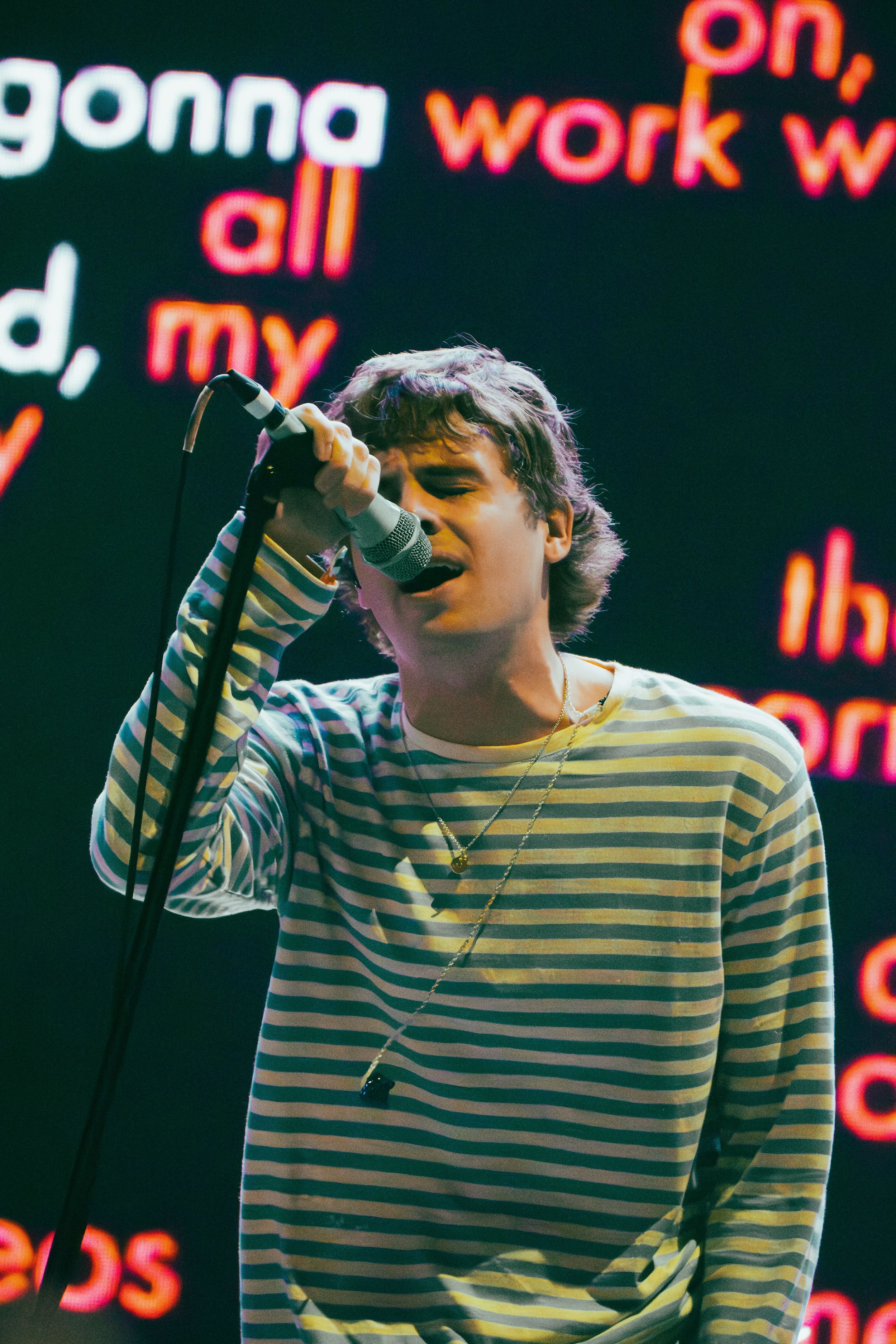
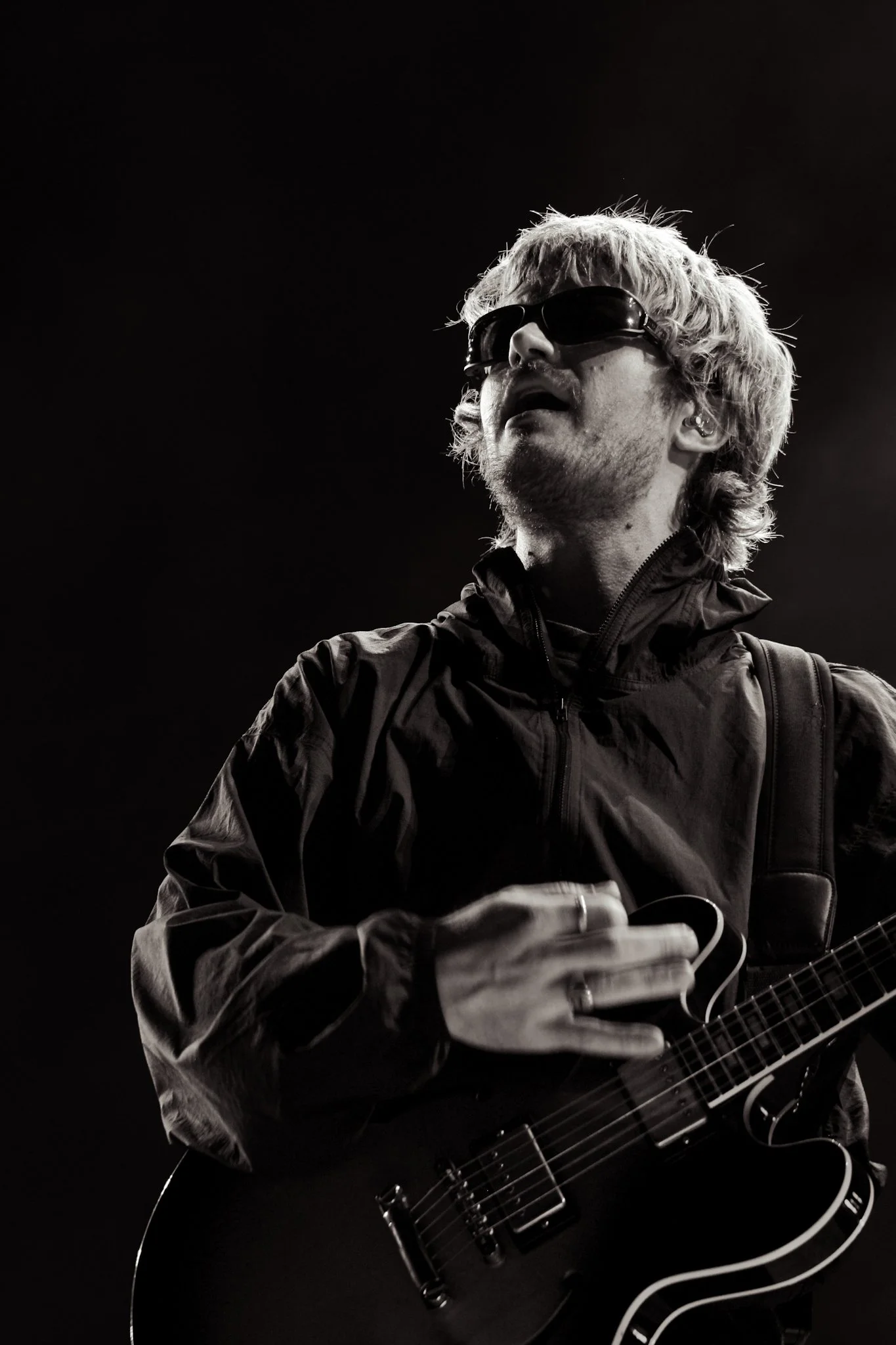
The same idea of emotional exposure appeared in a completely different form with Djo. His set felt like a contrast to everything around it, softer but not weaker, introspective without losing its grip on the audience. Everyone in the crowd was patiently waiting to hear “End of Beginning.” You could feel that patience building with every song. And when it finally arrived, it didn’t just feel like another moment; it felt like a release. One hundred thousand voices came together, not in chaos like Turnstile’s “BIRDS” moshpit, but in something more nostalgic. It’s the type of song that doesn’t just belong to the artist; it belongs to everyone who finds themselves in it.
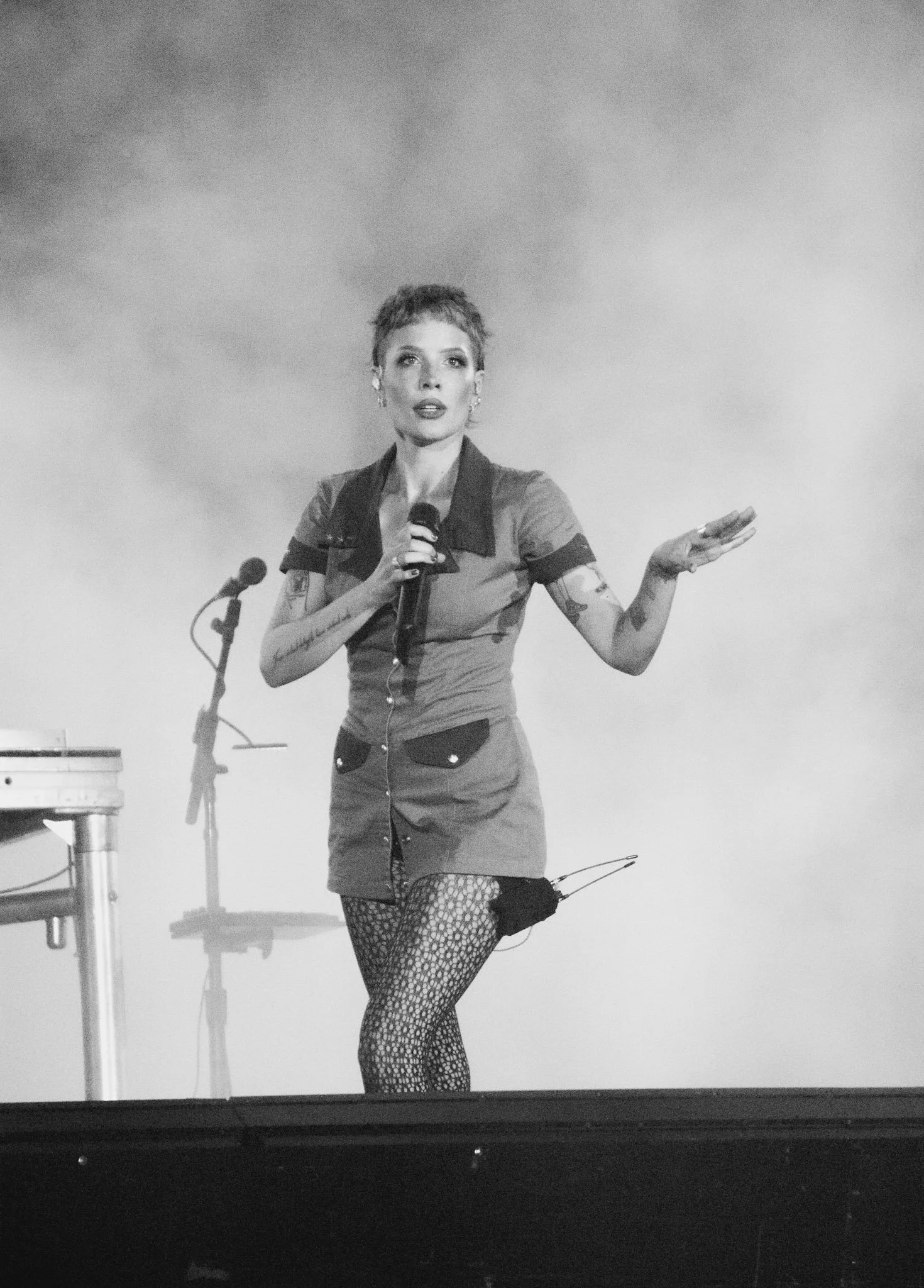
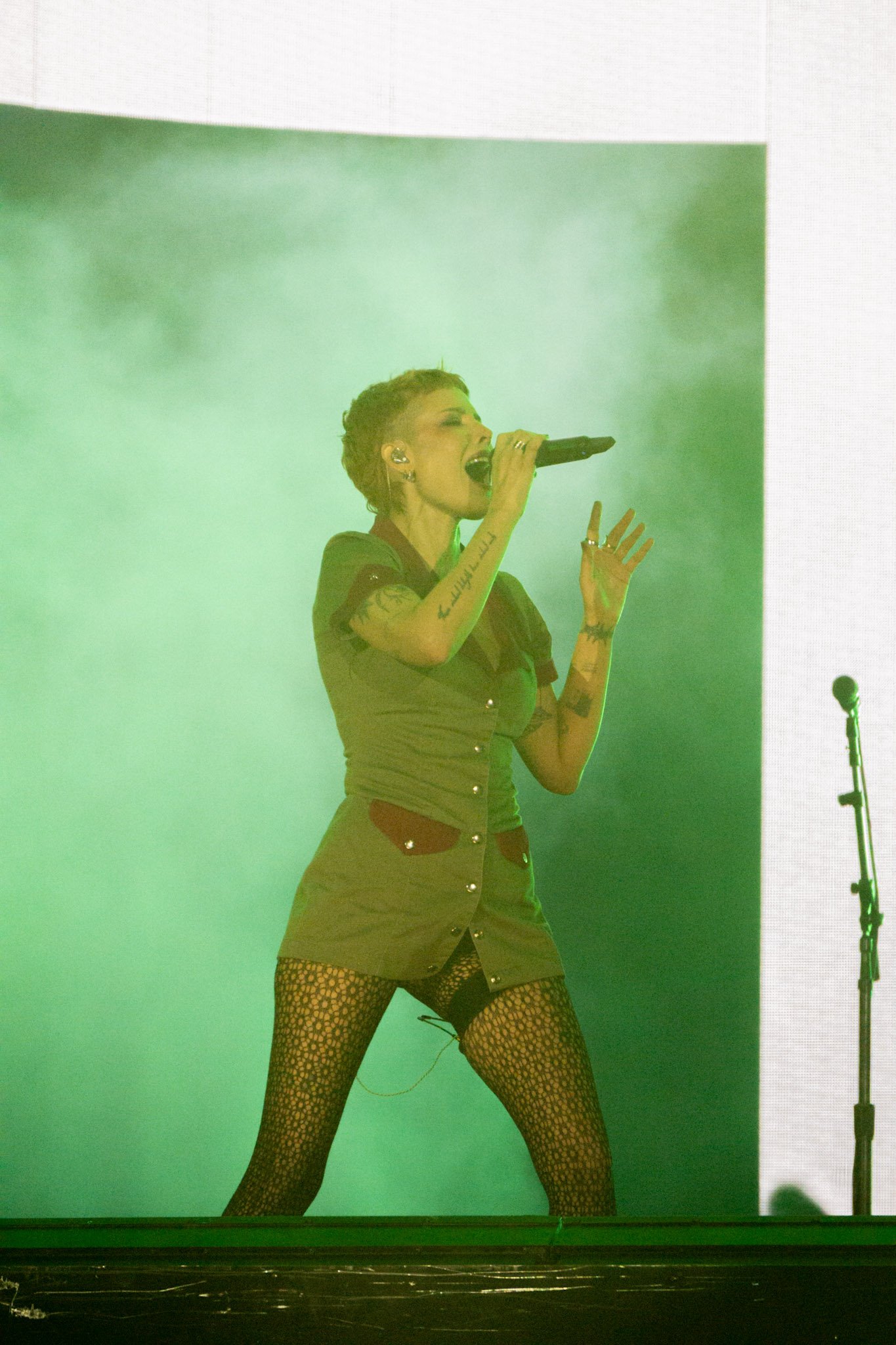
Then there was Halsey, who managed to balance spectacle and vulnerability in a way only a few artists can. Her performance felt constructed—almost cinematic in its pacing—yet never detached. Every visual element, every shift in the lightning, every moment between the songs felt intentional. But what made it resonate wasn’t just the visual aspect; it was the emotional transparency behind it. She didn’t just perform her songs; she inhabited them, turning the stage into a space where control and chaos coexisted. Watching her perform was like witnessing someone hold themselves together in real time, allowing her audience to fall apart a little.
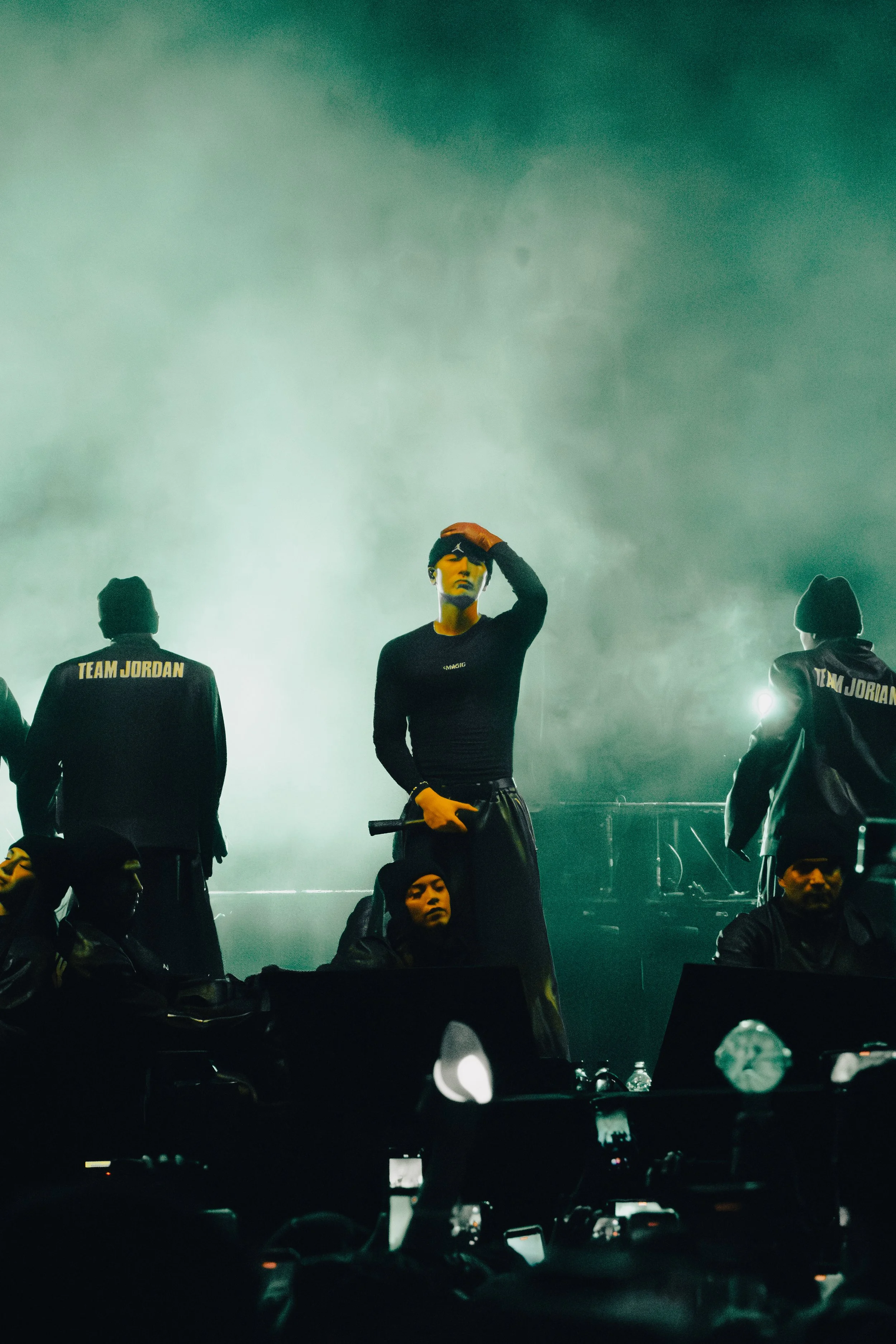
If Halsey blurred the line between performance and confession, Jackson Wang erased the line between artist and audience. His presence was magnetic in a way that almost felt unreal, the kind that doesn’t need translation or context. From the moment he stepped on stage, there was an energy shift; sudden, immediate, and undeniable. His set was precise, calculated in its execution, but it never felt mechanical. Instead, it felt immersive. He understood exactly how to command attention without forcing it, how to make a massive crowd feel like it was moving in sync with him. There was a global quality to his performance in the sense that he was doing far beyond the festival itself. Yet, in that moment, it felt personal.
It also felt like the proof of something the festival should already know by now: it needs more K-Pop. Performances rooted in the world consistently deliver a level of precision, charisma, and audience engagement that translates perfectly to stages like Tecate Pa’l Norte’s. Last year, Seventeen set a standard with one of the most memorable performances of the weekend; this year, Jackson Wang carried that momentum forward. There is an undeniable global appetite for it, but more importantly, there is a performance quality that elevates the entire festival’s experience.
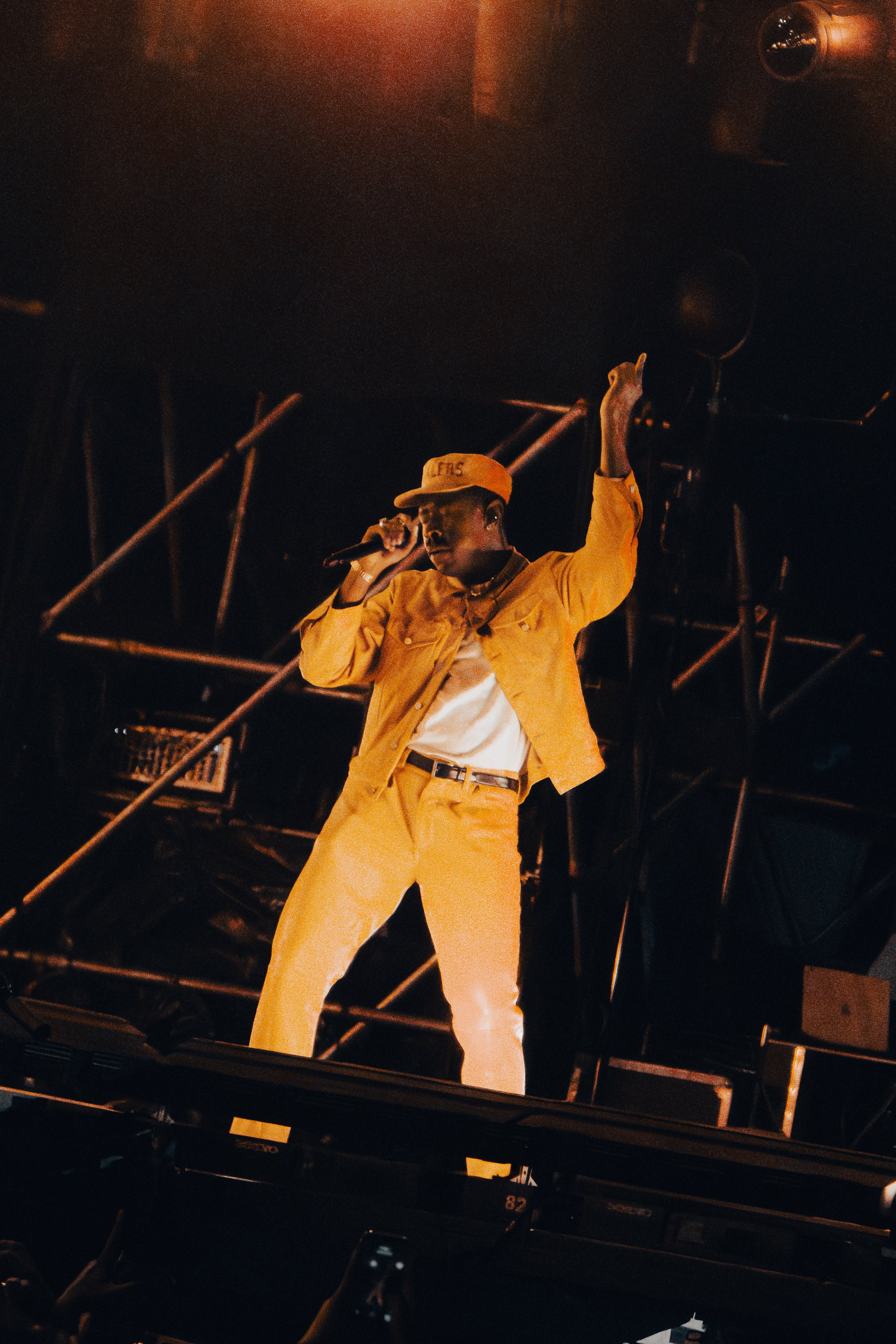
Somewhere between these larger-than-life performances was Tyler, The Creator, who turned unpredictability into art. His set didn’t follow a linear path; it shifted, expanded, collided, and rebuilt itself in real time. Visually, it was striking; sonically, it was overwhelming in the best way. But what stood out the most was the sense of control within the chaos. He has a way of pulling people into this world without explanation, asking them to trust the experience rather than understand it.
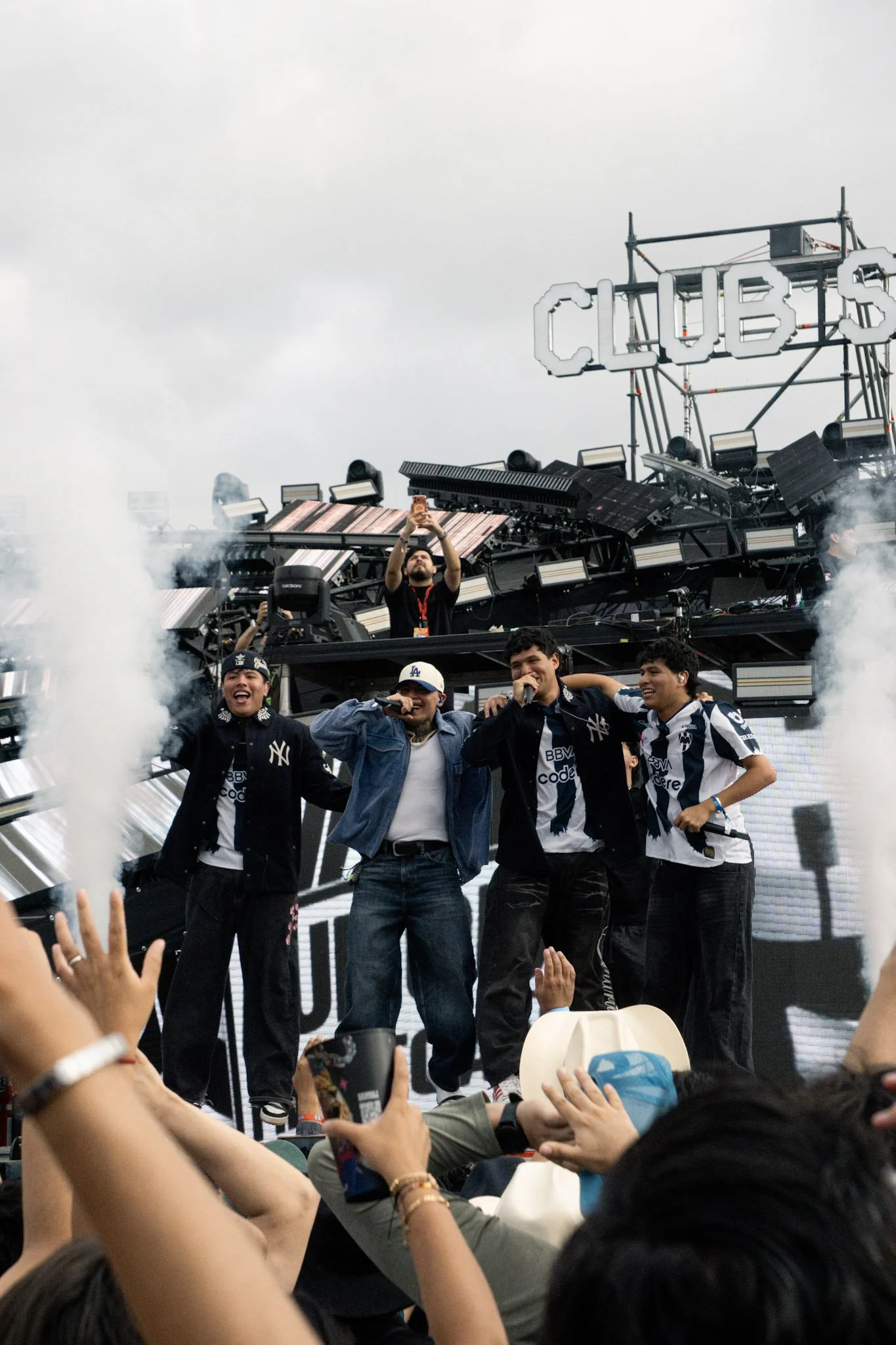
But one of the most telling moments of the weekend didn’t happen at night or at the biggest stage. It happened early, under the sun that hadn’t yet softened, when most festivals are still finding their rhythm. Santos Bravos took the stage for what was only their second show ever, and still, the crowd was already there. Not scattered, not hesitant, not waiting for another artist, but fully present. Packed. It was the kind of turnout that most new acts spend years trying to build, yet somehow, they arrived already holding it in their hands. Their set carried a confidence that didn’t feel premature; it felt instinctive. They understood how to move, how to connect, how to create a moment people wanted to stay inside. It didn’t feel like an opening slot; it felt like the beginning of something inevitable, the kind of performance people will claim they witnessed before everything changed.
That sense of identity, of knowing exactly where you come from and what you bring with you, was echoed in The Warning, who carried Monterrey onto the stage with them. Their set felt different, not because it was quiet or loud, but because it was rooted. There was pride woven in every moment, a visible connection between the band and the audience that didn’t need to be explained. They played with precision and force. In a lineup filled with international names, the band stood as a reminder that some of the most powerful performances come from home; from artists who share the same streets, the same language, and the same pulse as the crowd in front of them.
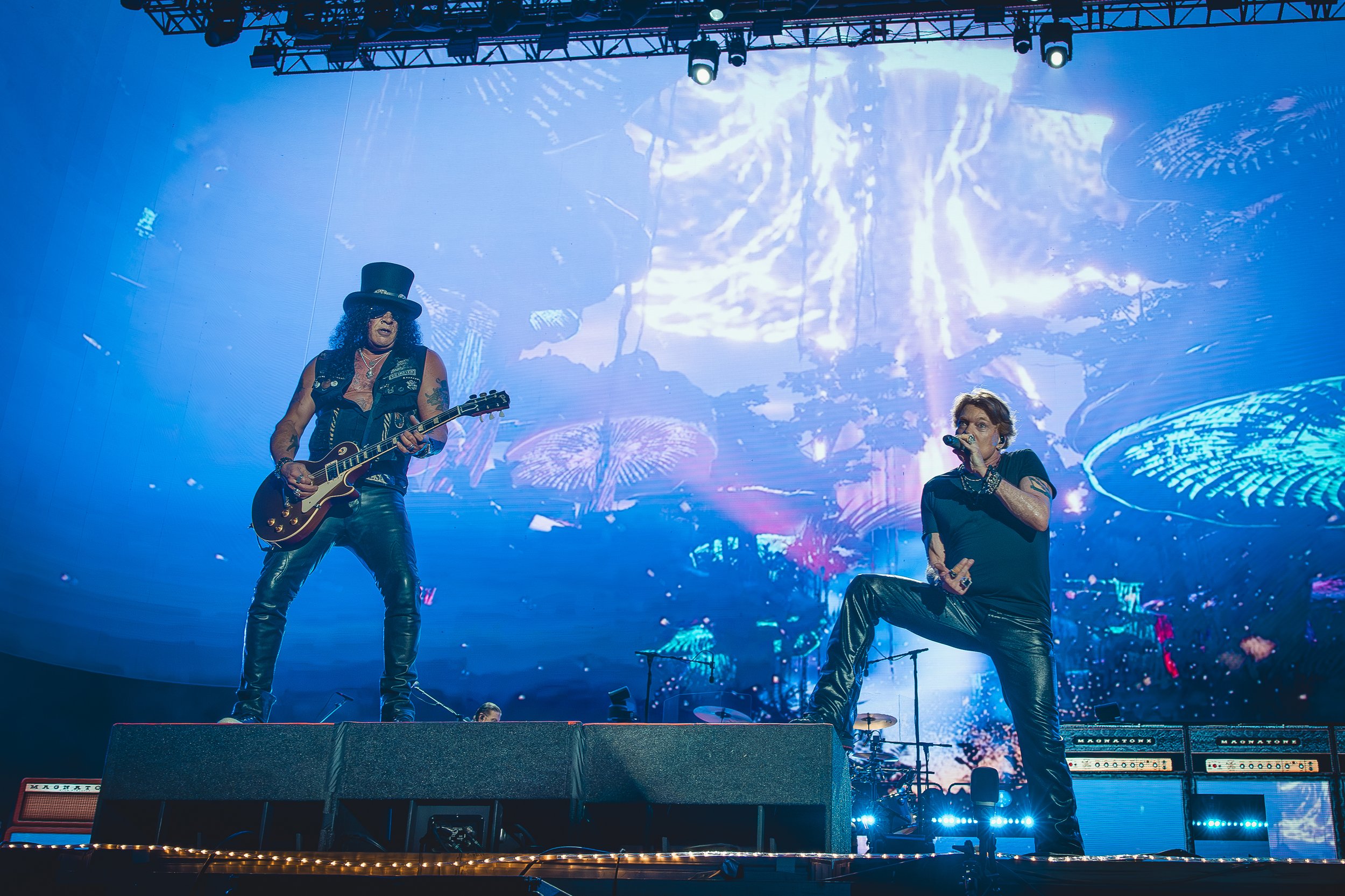
What tied this weekend all together wasn’t just the quality of the performances, but their willingness to exist fully in their own identity. There was no singular definition of what Tecate Pa’l Norte sounded like this year. Instead, it became a space where extremes could coexist, where the physical intensity of Turnstile could live alongside the introspection of Djo, where Halsey’s emotional precision could meet Guns N’ Roses' global presence, where Royel Otis and Balu Brigada could slow things down for people to breathe, and where Santos Bravos and The Warning could prove that the Latin American scene isn’t just part of the festival, it is the heart of it.
Maybe that’s what the warning in the beginning really meant. Not just to take care of your body, but also to prepare yourself for the emotional impact of it all. Because Pa’l Norte doesn’t just happen in the background. It demands that you feel everything, loudly, physically, and everywhere at once.
Photos by ValeriaViteri, Rebeca Flores and marijosemj_.