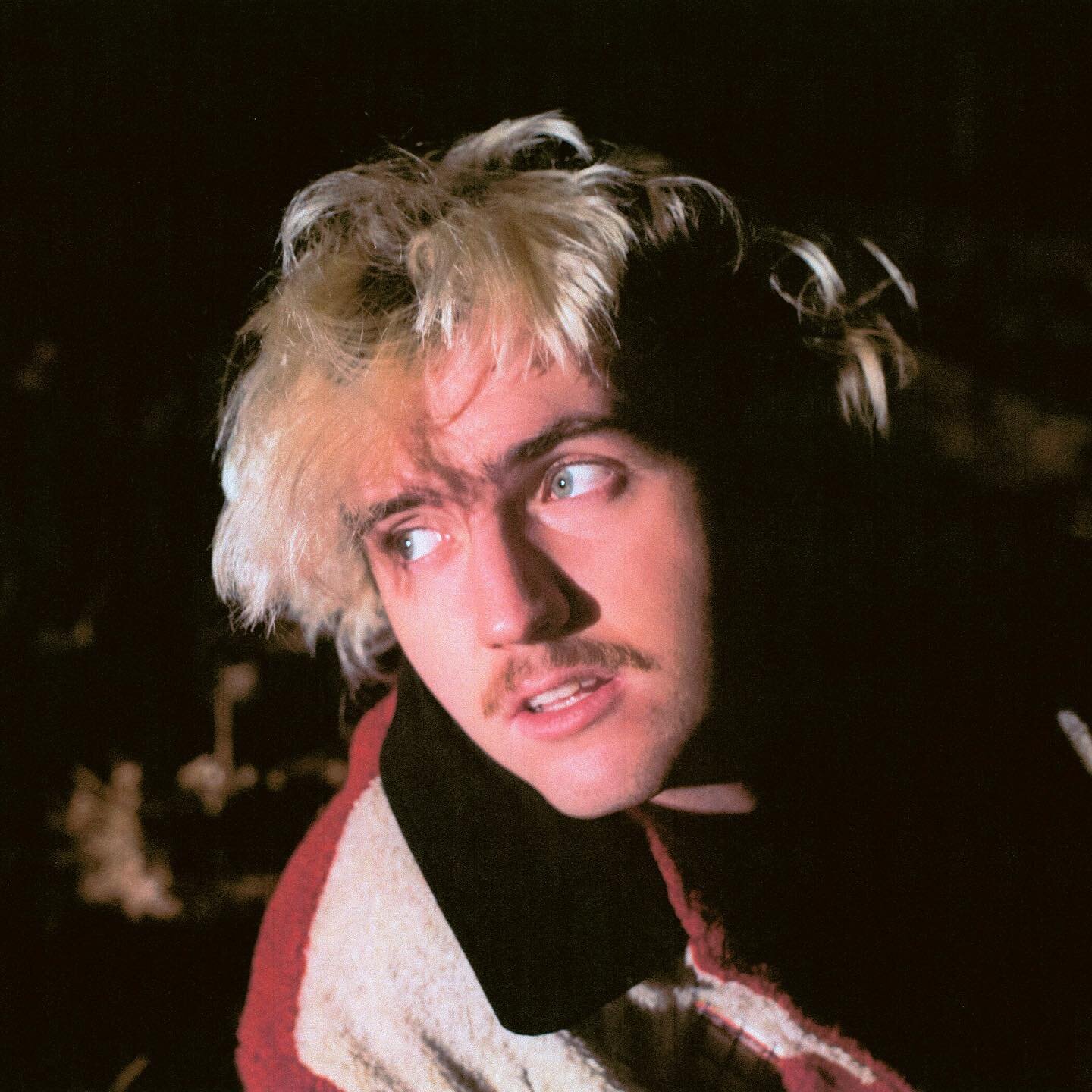
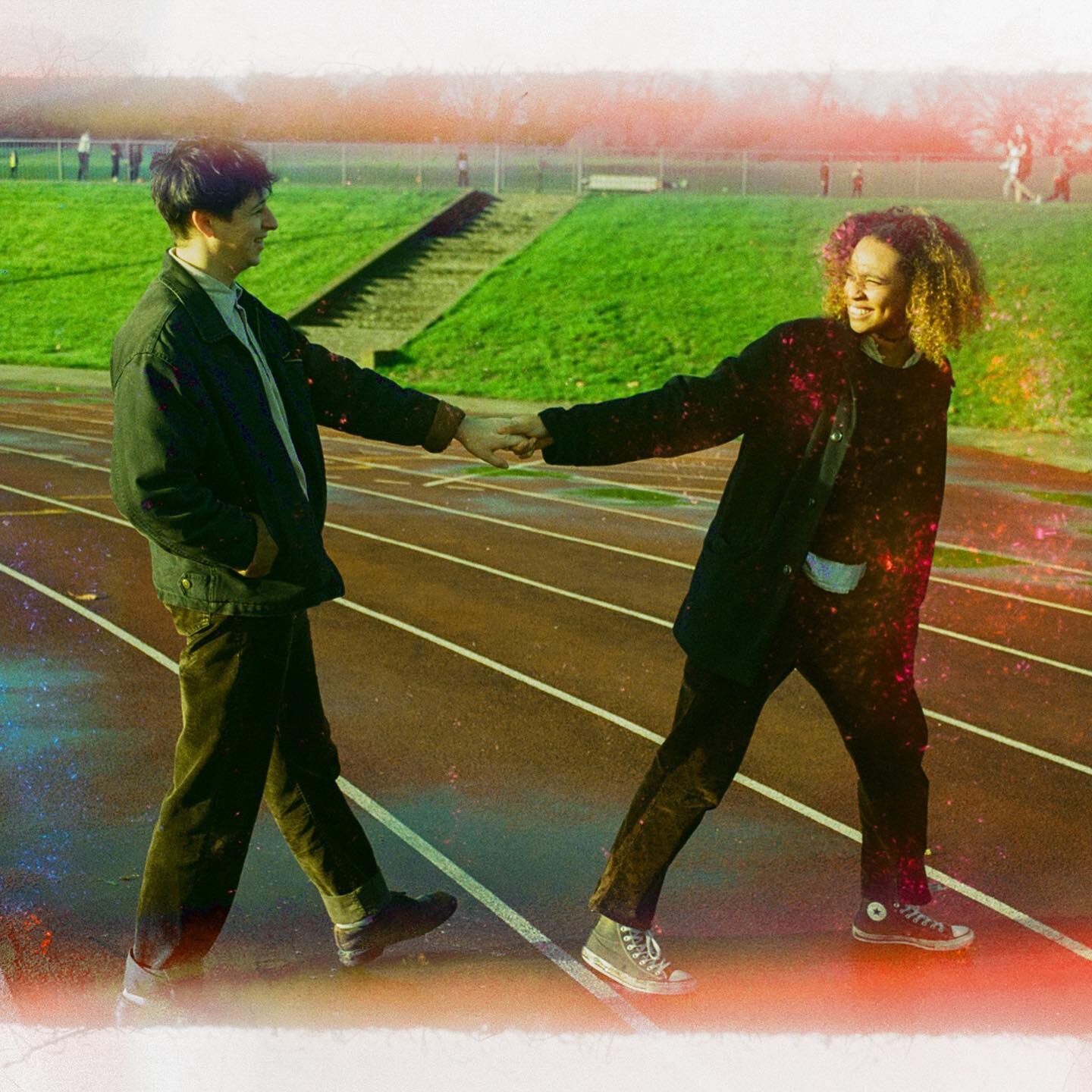
Spotlight: Flyte Showcase Their Evolving Sound With New Album 'This is Really Going to Hurt'
☆ By HENRY AGER ☆

Photos By Henry Ager for The Luna Collective
WITH AN INTRICATE BLEND OF POWERFUL HARMONIES, PERFECTED MUSICIANSHIP AND LYRICS THAT RESONATE - Flyte is a band that captivates the listener by telling modern tales of love lost and love through their music.
The London-based three piece consists of school friends Will Taylor (vocals and guitar), Jon Supran (drums and vocals) and Nick Hill (bass and vocals), and have just released their second album This is Really Going to Hurt on Island Records. The album is a journey through a breakup, but also a record that “resolves itself into a happy question mark,” says lead singer Will Taylor, whose relationship ending was the start of a new chapter and new material.
From their formation in 2013 to the release of their second album, the band have undergone a lot of change, developing as songwriters. The departure of keyboardist and vocalist Sam Berridge from the band helped to develop “I’ve Got a Girl”. Although the song is not written directly about him, the theme helped the band to get the song over the finish line. The lyric “I’ve got a girl I’m breaking up the band” was already written before they realised it was about Berridge, and it took a lot of effort to work out the song is inspired by his decision to leave. The song then developed and evolved with this, however it is quite a cryptic song and not a direct dig at the former member.

With the loss of a keyboard player, the band’s sound inevitably changed. The pop aspects found in their first album The Loved Ones are not heard in This is Really Going to Hurt, and as a result, making their latest release sound more emotionally aware. The void that was left from the exit of the keyboard has been partially filled, however, I think crucially the new record has left space to shine a spotlight on the subtle beauties within their music. This has been due to the mixing of the album by Andrew Sarlo who often had to force the band not to add extras and keep a ‘less is more’ style of work. Taylor explains, “‘Never Get to Heaven” is just an electric guitar and three voices and we were really devastated he wasn’t letting us add more”, however, Sarlo realised that a space needed to be left unoccupied to highlight the emotions of the songs, Taylor continued “the more exposing something is the more people like it and the less we like it.”
The sound of Flyte has also developed due to the nature of the songs, with the content of these forcing them to be different and to start approaching it with a new stance. With The Loved Ones, they were telling other people’s stories, giving them the opportunity to be more elaborate, but with This is Really Going to Hurt, they are telling Taylor’s personal story. This has required a new outlook, in particular compassion from the other members. Hill explains, “you had to be consciences of the subject matter of the song”, Sapron agreed sharing that they found “it’s pretty instinctual”. This in turn often made composing the songs difficult, for “Easy Tiger”, they note, “this is a lonely song, why would you have your mate drumming?” and added, “if we had slathered ‘Easy Tiger’ with harmonies it would feel a bit in congress to the emotion of the song”. An example of the careful composition is in the drums for “Easy Tiger” is the combination of a phone drum machine, drums, mouth percussion and the sound of a cassette tape opening and closing. This created what they describe as the “creepy lonely room with a clock ticking” vibe that they were after. The result of this work is displayed in their perfect awareness of the emotion of the song.

Throughout This is Really Going to Hurt you will be conscious that the sound of the band develops and shifts. This is due, in part, to the mix of producers that worked on the album. The album was started with Burke Reid, who produced The Loved Ones and White Roses, who laid a lot of the ground works. However, the band felt it was best to work elsewhere to finish the album, “It was one of those relationships that was really fantastic but came to a natural conclusion”, Hill explained before Taylor expanded that “creative relationships sometimes have to pause for a second in order to rejuvenate”. They took the decision to finish the album in LA, following a tour of America where they felt it had become a “catalyst for positive change”. Taking a punt, they put a call out to a handful of producers they wanted to work with and ended up with a lot more of them than they expected saying yes, helping them to decide to split up the songs. What they referred to as the “bigger bombastic” songs were produced by Justin Raisen, with Andrew Sarlo working on their ‘folkier’ ones leaving Dave Cerminara with the “meat and potatoes stuff”. The songs Cerminara worked on ended up being the favourites of the band, “A lot of the ones from the second half… that are the most natural, most simple, least dressed up and you can just hear a band being a band and having a nice time” Taylor shares. With this mix of producers, the band had to work hard to make the album sound cohesive “If you work with separate producers on separate tracks the danger is you end up with a bit of a hodge podge.” Taylor says, but with the mixing of Sarlo and the theme of the record it all ties in nicely.

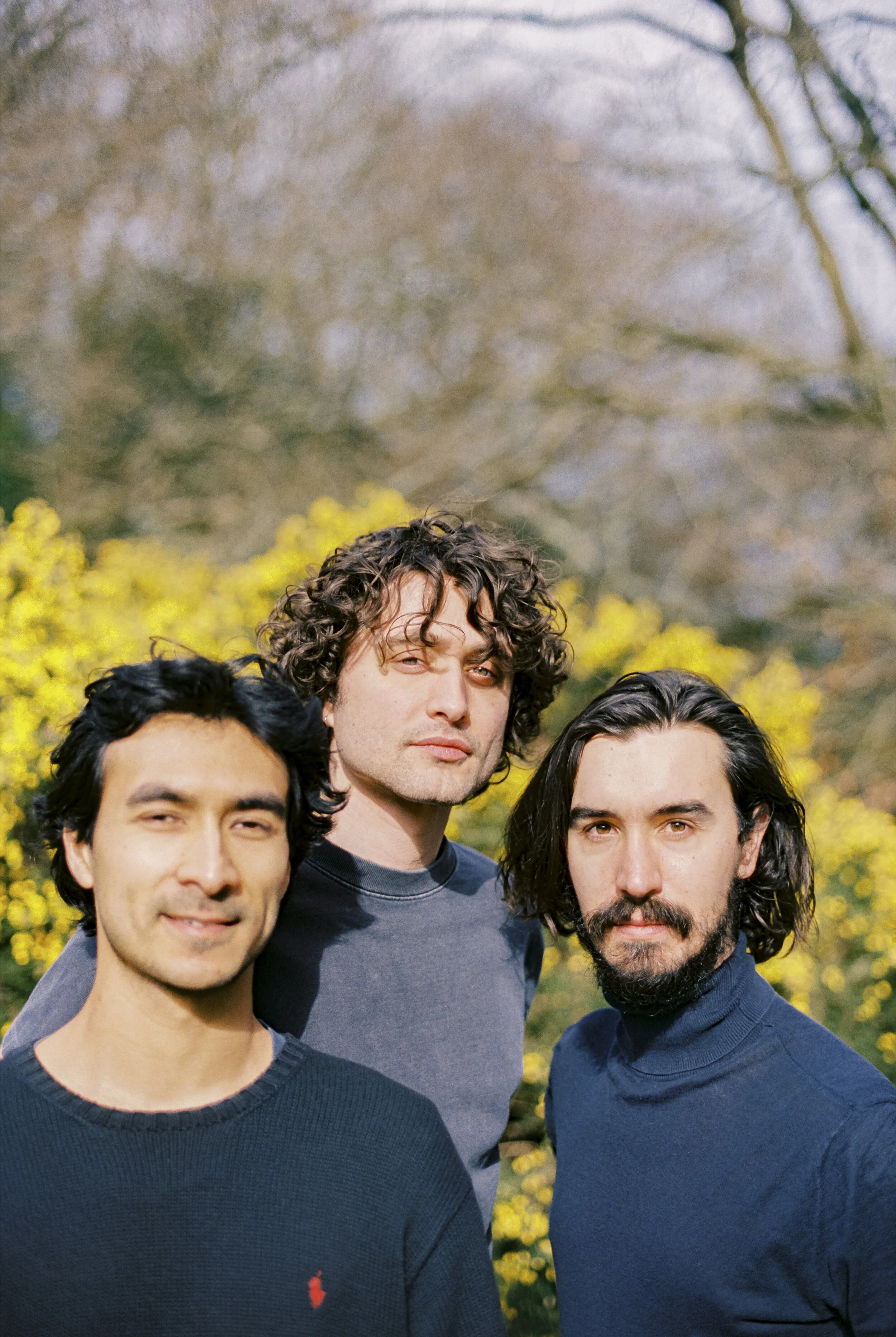
A standout feature of Flyte’s music is their powerful use of harmonies, the combination of all three members to create layers of beautiful sound. The band joke that the reason they do it is because it’s “cheap” and “practical”, but then go on to explain that their use of the technique came about through busking as a 4 piece on Portobello Road. “The 10,000 hours, as they say, was kind of done there”, Taylor explained “I don’t think we ever decided, but between us we just knew it would make the loudest sound on the street.” They began to use it to command attention over passers-by, getting them to stop and take notice of them. Flyte kept up the practice and ensured that recordings were as authentic as possible by using one microphone to record the three singing harmonies, resulting in their harmonising being a favourite feature of their new and old fans. When harmonising it’s a very raw and vulnerable place for the band “you’re not hiding behind anything” Hill shared. They try to break the performer wall and get as close to the crowd as possible, sometimes going into the crowd to sing.
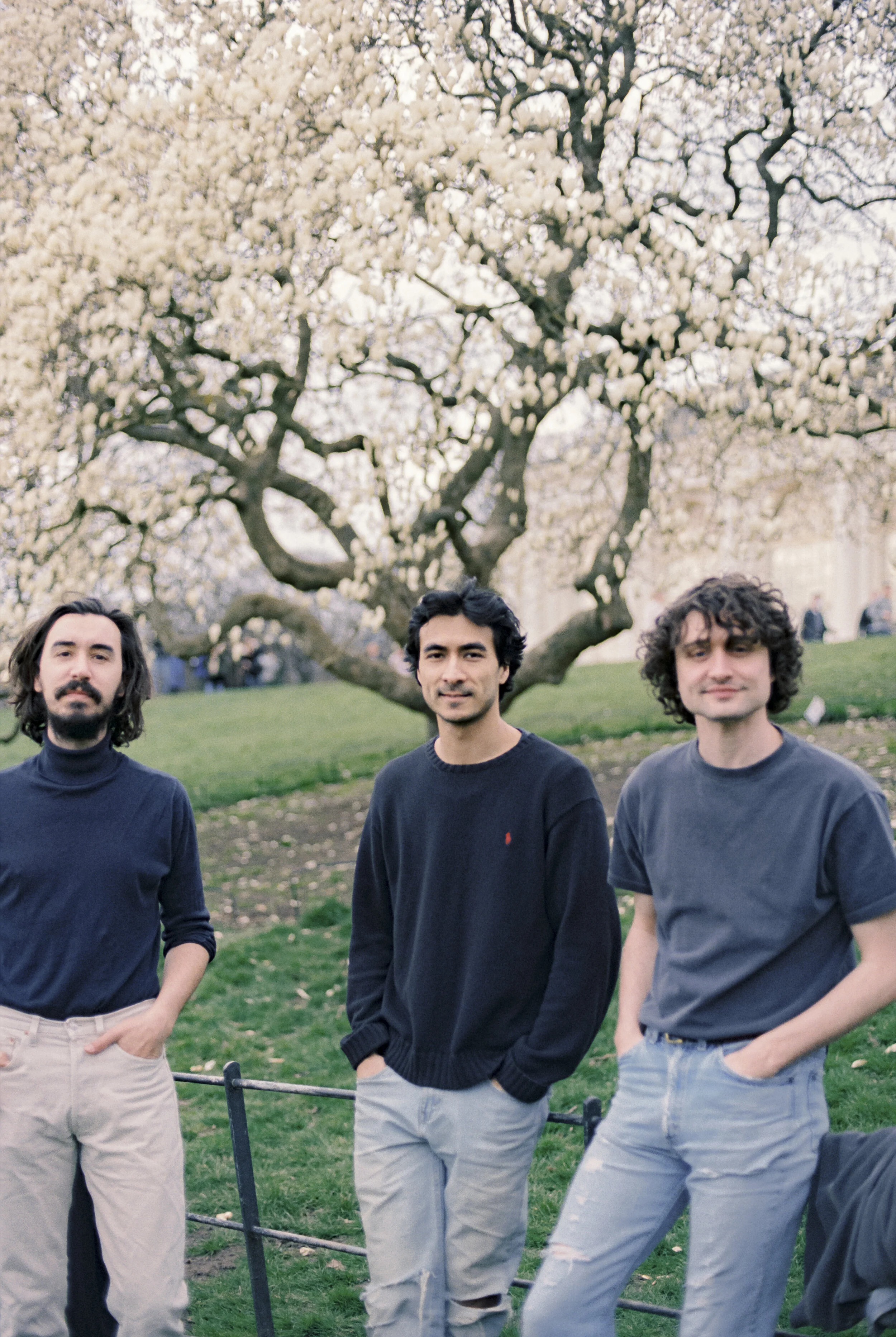
The new record is a real pleasure to listen to and due to the perfect composition, you will find yourself invested in the story and hooked on their every word. With the new album out now, the band will tour as soon as they can and eager to share their new material. With this being their best work to date we are excited to see where the future takes Flyte.