SPOTLIGHT: Hotel Burgundy Should Be In Your Playlists
INTERVIEW
INTERVIEW
☆ BY GIGI KANG ☆
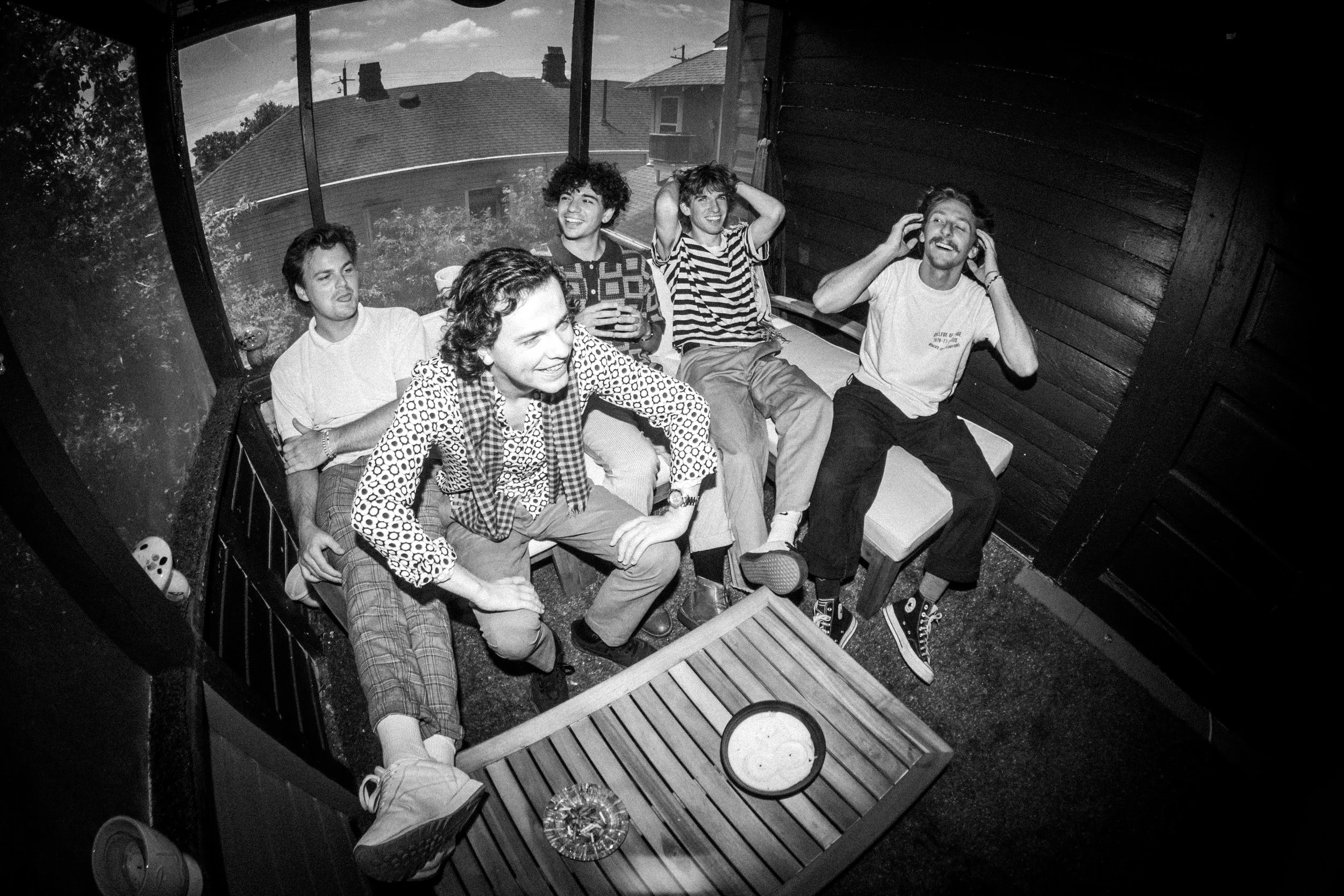
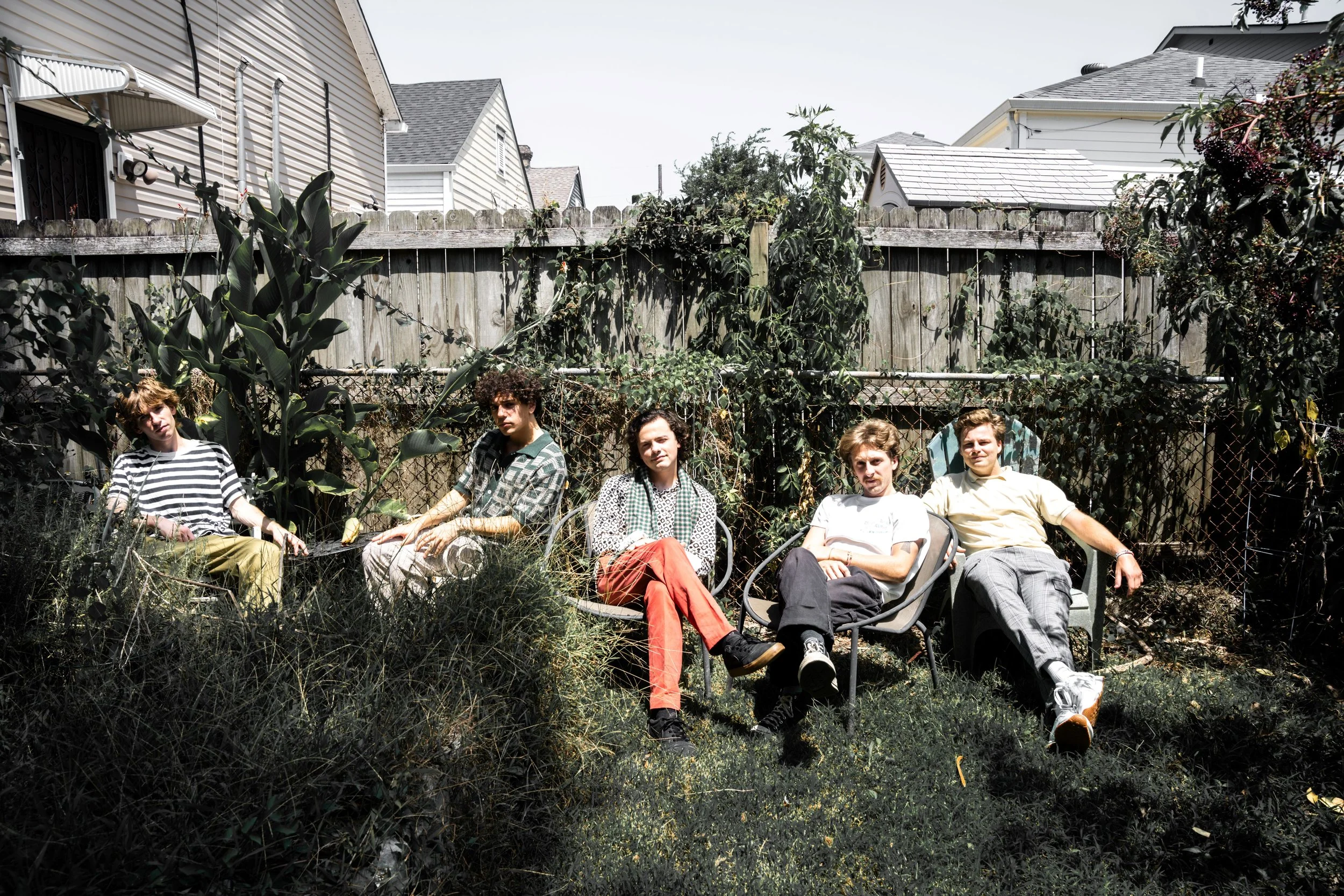
MEET HOTEL BURGUNDY—Based in New Orleans, they’re an indie-rock group of friends who found a mutual passion for music, started jamming in 2021, and stuck with it together.
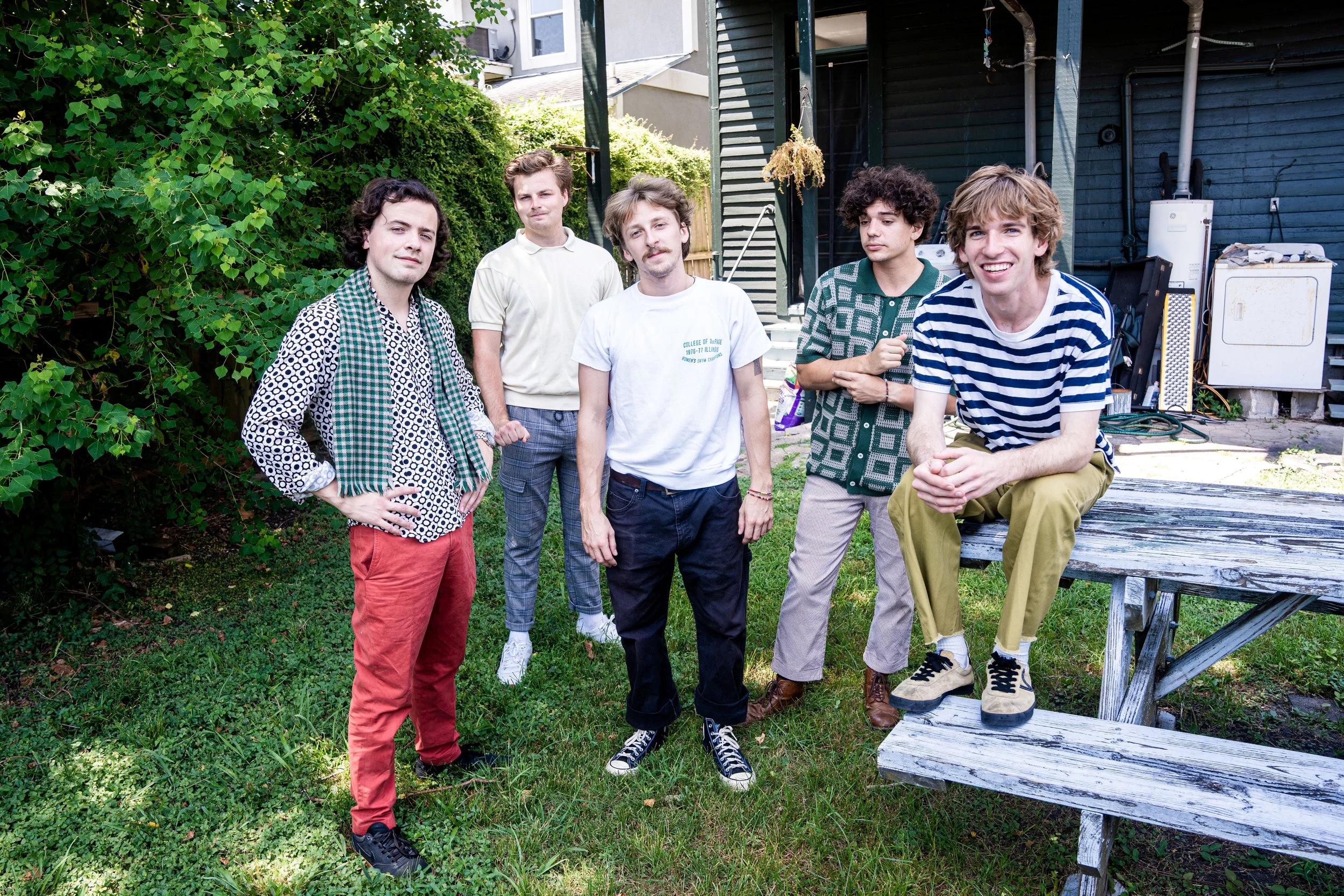
Having grown up in the same hometown, Josh Rovira (vocals), Evan Hendry (lead guitar), Jacque du Passage (rhythm guitar), JJ Hildago (bass), and Jack Bidleman (drums) describe themselves as “friends first and a band second.” As Hendry puts it, “We’ve grown together as friends and artists, and it’s been a really beautiful thing to watch. I love all the members and I guess that’s what started the band—friendship and realizing that we can play music.”
The band’s priority of friendship appeared on their second album AMOR, released in January 2026, through the overarching theme of love. Written over a year and change, AMOR captures the band members’ personal and collective moments, making for a shared writing experience that becomes an act of love itself. Rather than simple romance, the album acknowledges the endless forms of love, like community, but also the anxieties we might hate to love. Interestingly, there is an expression of how one may carry (or lack) love on an individual level.
Beyond themes, AMOR is sonically vast. For instance, Rovira’s mellow vocals lead the tender “Red’s A Feeling” while the punk-inspired “We’re From New York” puts Bidleman’s vigor as a drummer on display. Just like the various types of love represented, Hotel Burgundy demonstrate a range of sonic possibilities rather than sticking to a single routine.
In terms of music to come, they’re interested in exploring more genres on top of their indie-rock foundation, including shoegaze, punk, post-punk, and house. They’re already writing new music on which Rovira comments, “I’ve never been more relaxed going into the songwriting process.” Similarly, Hendry shares, “I’ve never felt more connected as a player.” Built on trust for each other and precision to actualize what they have envisioned, there is clearly a lot more to anticipate from Hotel Burgundy.
Overall, Hotel Burgundy is for those who believe in the boundlessness of music, the propeller that is friendship, and good ‘ol indie rock. Read our conversation with Rovira and Hendry below.
LUNA: AMOR is your second album. How did the process compare to the first?
ROVIRA: The first album was our first time ever making music and making music with other people. I don’t think any of us had ever played to a click track before. It was so much of a learning process that at some point, it overtook the creating process, which wasn’t a bad thing. It was what we needed and I think it was beautiful. It showed us what the entire process is actually like.
When we made [AMOR], it was nice to feel comfortable in the writing room with accepting ourselves as people, and trusting each other as friends and artists. In our first songwriting days, if somebody had a song idea, then that was it and it was on the record. But now, we have the ability to comment and constructively criticize each other’s parts and consider what’s best for a song as opposed to what’s best for an individual. It was less of an individual creative process and more of a unified thing for us together.
LUNA: I know that a big part of the songwriting for you was acknowledging your love for each other. Did you find that going through the process of completing this album added anything new to your friendship?
HENDRY: Every single release is a sacred thing. There’s a bit of vulnerability when it comes to a release. Then you do it and there’s a weight lifted off your shoulders, especially for something like an album that you spend years writing. You have all those memories coming back to you when it’s finally released. It’s a celebration, it’s bittersweet, and there’s fear. All those emotions that come with a release definitely strengthen our bond. We went through another one of these processes together, and I have a deeper appreciation for what we made and for [the members] as artists and friends.
ROVIRA: Each release is like a new phase of life. Whenever I think back to the first album, I felt like a child, in a good way. It was like a newborn baby. I remember so many things so clearly. This feels more mature. There’s a little bit more heaviness to it, but the fact that we’re all still together is like we’re all married and now we’re settling down (laughs).
LUNA: I’m sure that learning more about each other’s working styles was something new as well. You get to discover things about each other that maybe other friend groups don’t.
HENDRY: Yeah, it’s crazy because our lives have become so intertwined with music. For instance, I live with our rhythm guitarist and I can’t tell you how many times I’m running downstairs checking an idea out, and then we’ll just go hang out after that.
LUNA: While love may be the primary focus of the album, you also sprinkle in the opposite through songs like “Hate Myself” and “I love my dog, I hope he never dies” which express loneliness. Tell me about the intention of presenting the other side of the coin.
ROVIRA: Love is so much more than just feelings of passion or positivity, or even attraction. We set out to show the sides of love that are uglier because love is messy. It sucks a lot of the time and no one’s talking about that. Everyone tells you that you’re supposed to love somebody and it’s supposed to be good, then we all have this imposter syndrome whenever things aren’t good.
It felt more fair and realistic to talk about things that you hate when you’re in love, or things that you love which are bad. I think “Mother Song” is my favorite example. I was very sad and lonely, and I was feeling scared about the future. The only thing that I had to love was the fears I had. It was something that I could latch onto. You can find love in things that aren’t lovely.
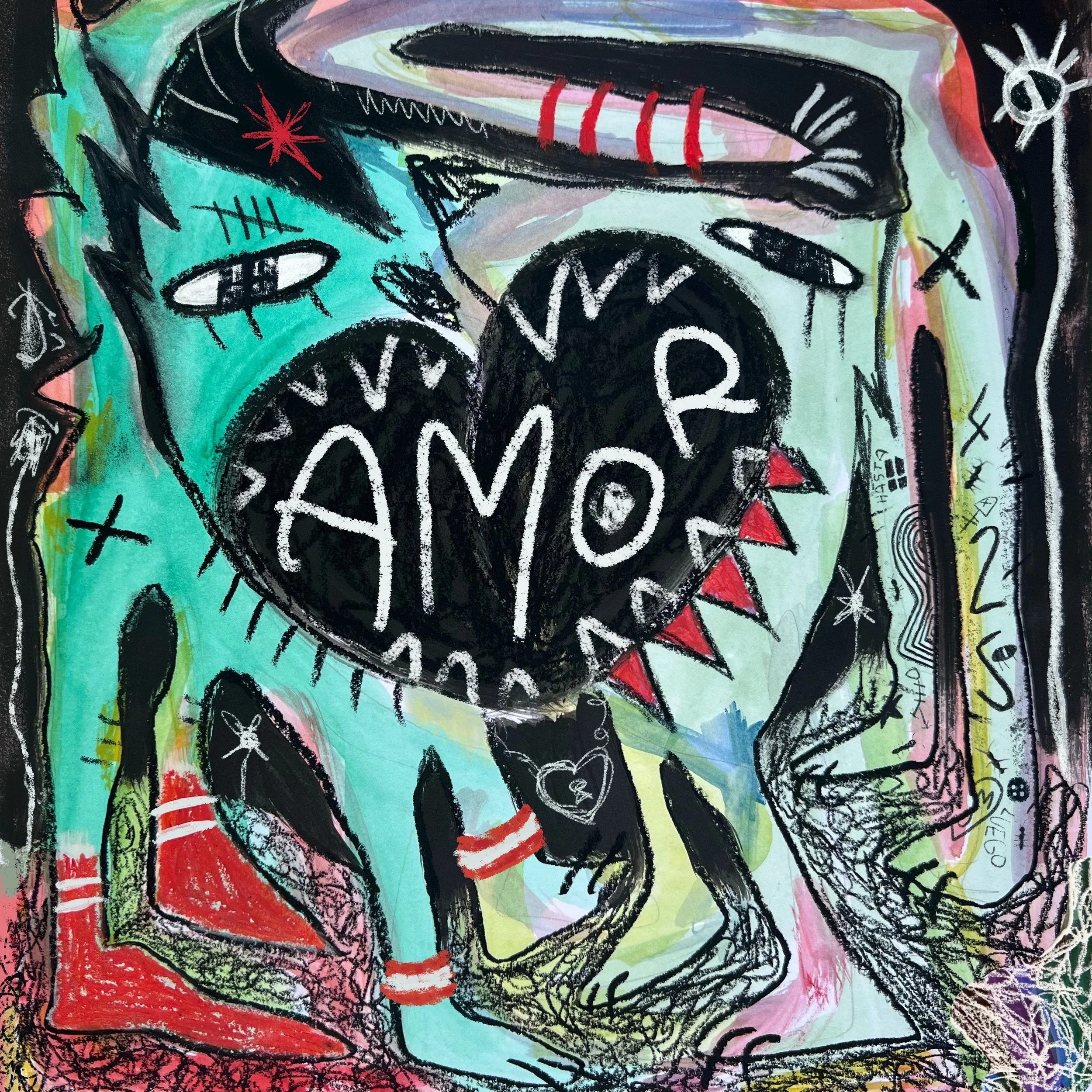
LUNA: What about the album cover? It’s an obviously intentional cover.
ROVIRA: My beautiful girlfriend made that! She’s an amazing artist. We started drafting before the songs were even finished with ideas of what we wanted the sound to look like. Nothing was really sitting. Then, Evan mentioned [if she might] want to do something, so I asked her. She tried to portray us each as a dog. She put them together and it looked like they were barking at each other and they were fighting. She kept adding more details and they got dirtier and dirtier. They had tattoos and buttholes and all these things. It was small but ferocious and covered in things. Her energy led her and I think it tied in really well.
HENDRY: I remember trying to decide the font of the title and the sizing. It used to be big and scary, [then it was] meek and small inside the heart. I think it shows a gentle breath of what love can be in the midst of passion. We’ve done a lot of branding around the color blue with the record, especially the canvases on Spotify and some of our show announcements. I wanted to have some sort of color scheme, and I think blue is perfect. It’s an accurate representation of the feeling of love on the album.
LUNA: Is there a song that you feel proudest of, maybe one that allowed you to try something new instrumentally or vocally?
HENDRY: “Mother Song” is the perfect representation of me as a guitar player. I feel like with every single song, I have a Rolodex of ideas and techniques that I want to put in. Every time, I’m left upset because I’m not able to fit all those in a song, obviously. On this one, it felt like Pandora’s box. I don’t know why, but everything that I wanted to do just worked. I was doing reverse delay trails and weird pick scrapes and melodic runs and staccato and a big shoegaze droning chord outro. I was like, “We’re doing everything on this one!” That was my favorite. As a player, I really got to do my entire range.
ROVIRA: I was so excited about “HAÜS” because I did falsetto for the first time. It was so much fun because with a song like that, you typically want to take it seriously. We did take it seriously, but we took a playful thing seriously. I was really proud of that. Lyrically, “Mother Song” is the most emotionally honest I’ve been with myself in writing. “8” was really cool because that’s the first time I got to mix on something that we put out. There’s something to be proud of for every song.
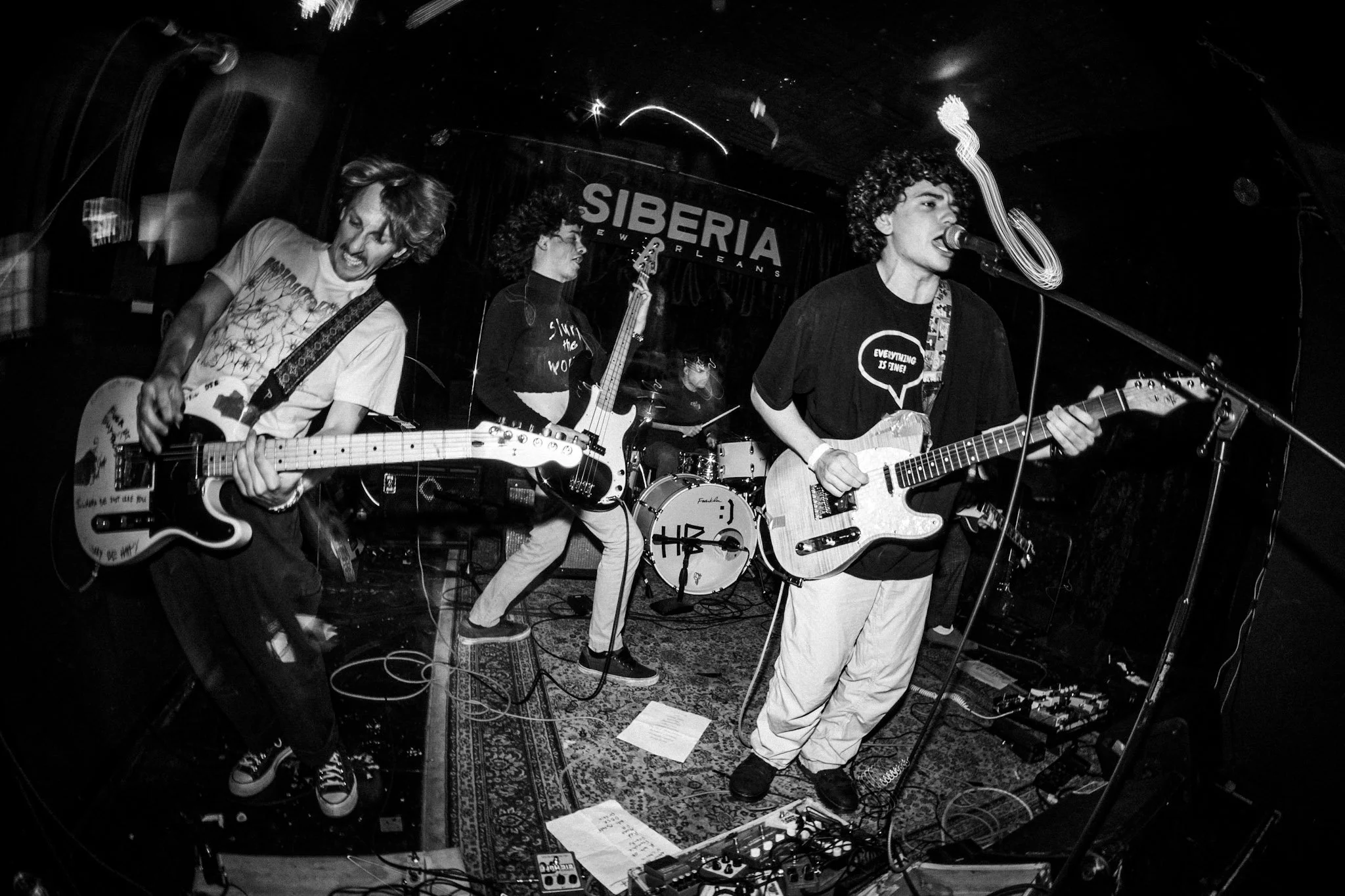
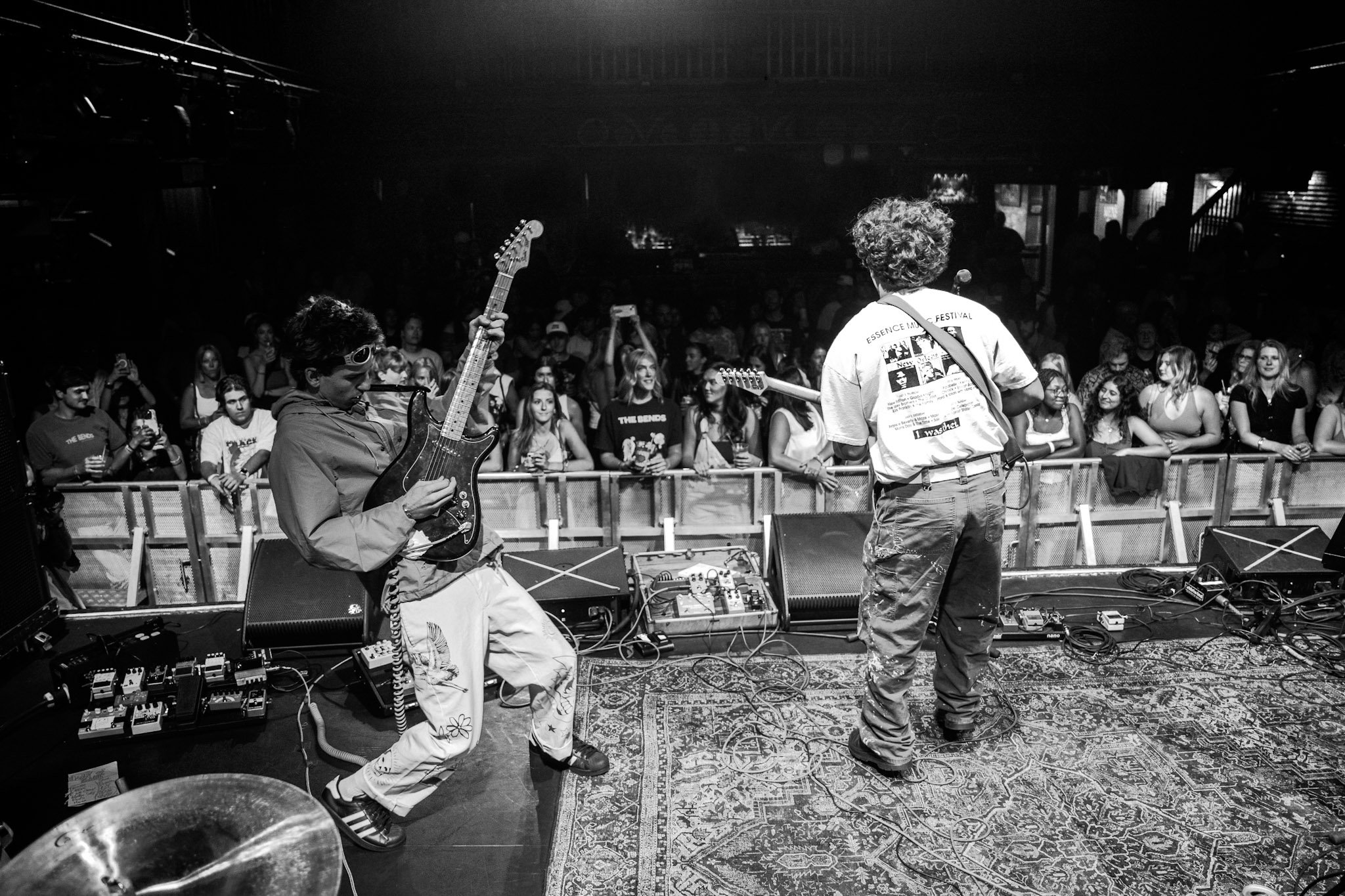
LUNA: The live show is a big priority for how you approach your music and you’ve established a dedicated live community. What did local venues mean to you before you became a band, and now that you know the ins and outs, how has your relationship with them changed?
HENDRY: Local venues are the homies. It’s important to support local bands, but it’s also important to support local venues because the only reason the band exists is because of the venues. Before the band, you don’t really think about the interplay between band, venue, and crowd, but it’s a super symbiotic relationship. Getting to view all three is a beautiful thing. Everybody benefits if you support it. I have more respect and more of an obligation to do a good job for the venue and the fan base. It’s not just a stage—these are people. They are friends. They are family.
ROVIRA: My life didn’t begin until I saw live music at a local venue. I had been to big concerts in high school but then in college, I went to this place in Baton Rouge. Shout out to Mid City Ballroom for waking me up. I think Surf Curse was playing. There’s just some caveman piece of your mind that clicks where you didn’t even realize that you needed a place like this. It’s so much more than a room. The people behind it are so supportive. The live music world is such an unpretentious and welcoming place.
LUNA: It’s such a privilege to be from a place where live music is well established. We sometimes forget that it wouldn’t be available to us everywhere.
HENDRY: I could not agree with you more. Especially in New Orleans, it’s built on music. My social outings are going to shows and supporting my friends in other bands. It permeates so deeply. It’s so inspiring and you can go to shows whenever you want. Sometimes I forget that people don’t have that privilege. I remind myself to not take it for granted.
ROVIRA: When it comes to New Orleans, it’s so much nicer than being in a city that only has big stadiums. I love that we have a couple of really big venues, but also there are things more available to you happening on a random weekday. Maybe it’s a house that’s refurbished into a venue, or maybe it’s a house party. There’s so much real, raw music available in New Orleans.
LUNA: Is there anything you can tease about music that’s to come?
HENDRY: I’ve never been more excited than what we’re writing right now. I’ve never felt more connected as a player. It’s going to be a bit different than what we’ve normally written. I think there’s going to be a lot more creativity on the production side since we’re doing that in house.
ROVIRA: I’ve never been more relaxed going into the songwriting process. It’s hard to communicate a creative vision to anyone else, and it’s a miracle that the five of us are able to do that with each other. We’ve kept so much of the band in-house. Not that I’m a tech or a gear guy, but I think if you have the vision, the patience, and you trust your ears and your friends, then it’s a huge weight off of our shoulders to be able to make a project in our own space. There are a lot of possibilities. I’m excited for the unknown.