
SPOTLIGHT: Modern Woman Creates Operatic Post-Punk for the Future in New Album ‘Johnny’s Dreamworld’
INTERVIEW
INTERVIEW
☆ BY KYLEE WIENS ☆
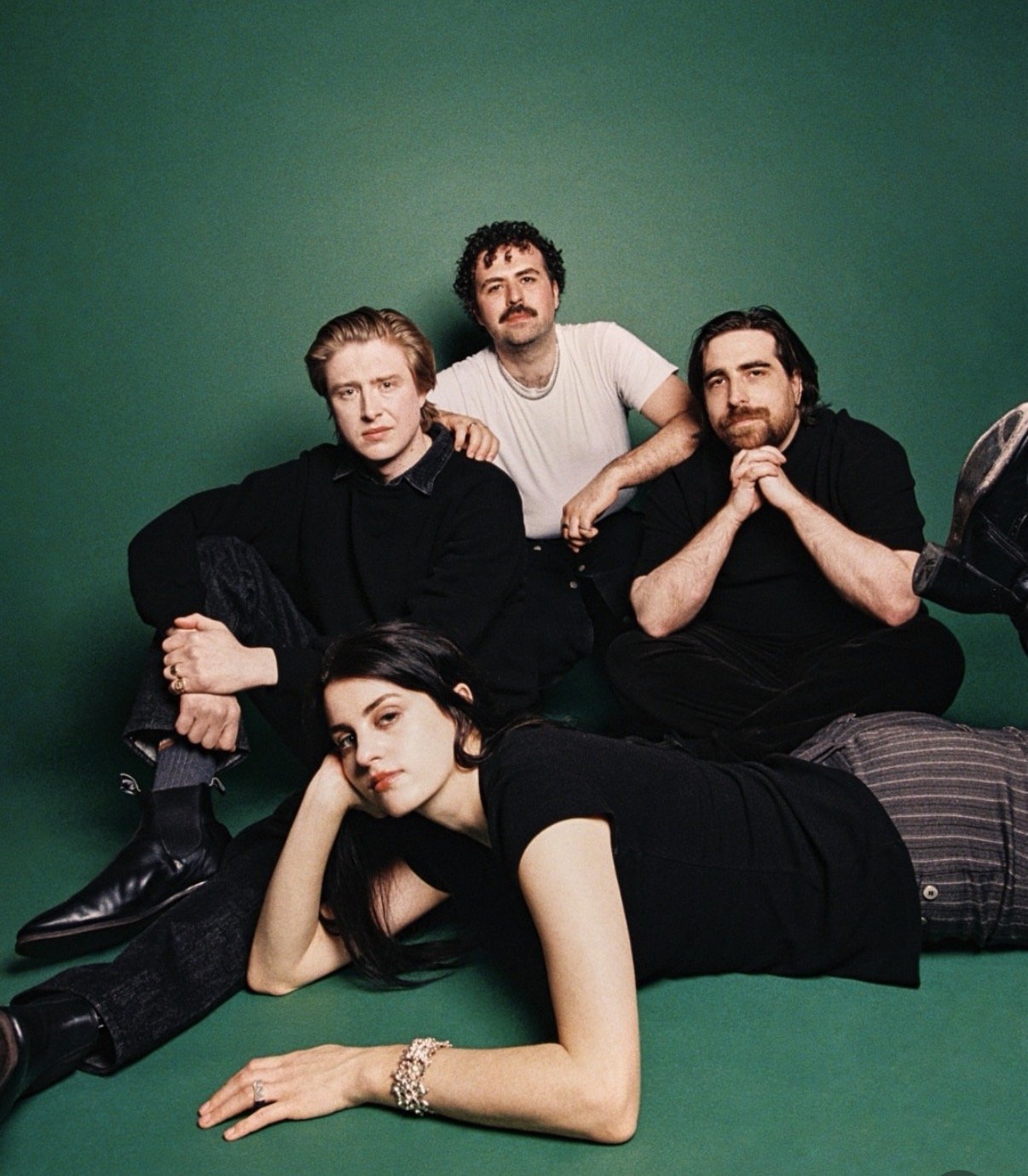
Sandra Ebert
IS IT POST-PUNK? MAYBE ART ROCK?—How about avant-garde? Or just indie? Does it matter? London’s Modern Woman begs these questions in their angular and poetic debut album Johnny’s Dreamworld. The album is an amalgamation of contradictions--soft curves and sharp edges, syncopation and harmony, calamity and calm are all interchangeably woven through each meticulously sequenced track. Frontwoman Sophie Harris bends and twists and arches her voice through the album’s instrumental maze, forging a sound as entrancing as it is dizzying.
Featuring just 9 tracks and a 30-minute runtime, Johnny’s Dreamworld leaves no time for filler. The eponymous opener confronts listeners with a wall of swinging drum and bass, until Harris’ sultry and poetic line “You can be my god / If you wanted to,” beckons listeners to lean in. Harris described this track as a total surprise in the recording process. “We decided to go back into the studio for one last time to finish off a few details on another song. We’d just finished ‘Johnny’s Dreamworld’ (the track) the week before in the rehearsal room. We decided to try and record it. We liked it so much we decided to not only put it on the album, but also release it as a single.”
“Neptune Girl” follows, with Harris bouncing and ricocheting her vocal delivery off of pop genre conventions, and occasionally digging into roar-like growls. “Offerings” places tension and release at the center of the listening experience, with long drawn out notes mounting into sonic catharsis. Moments like these on the album make it hard to pin down specific influences or reference points. The result is familiar yet singular, future-facing and at once classic.
Harris explained that this was somewhat intentional. “We had a huge playlist throughout that (recording) time, though, that we shared with Joel Burton, more for small details rather than the overarching sound. This ranged from stuff from Suburban Lawns to Lana Del Rey, and basically were for details and arrangement ideas rather than entire influences on the songs themselves,” she says.
Violinist and composer David Denyer shines on the track “Daniel,” creating a weeping melody as the backdrop for some of the most vulnerable lyrics on the album. Lyrics “He always liked water, could never go in too deep/So we sat with our feet in the wet/Filled our engines/Took our deep breaths” paints a picture of grief and acceptance, one that is reinforced by imagery of flowing water through time. The result feels eerie and operatic, a slight departure from the tone of the rest of the album, but beautiful nonetheless.
Harris braindishes her guitar like a weapon on “Fork/Heart,” sliding in and out of harsh notes that converse and sometimes clash with her near yodel-like vocal delivery. The result is disarmingly strange and enticing, surreal and dizzying. Juan Brint-Gutiérrez brings depth to the record on bass and saxophone, with a standout performance on “Blessed Day”. A blues-y, funky rhythmic backdrop dances with Adam Blackhurst’s explosive drumming, evoking primitive post-punk conventions from late 70s New York.
Harris hesitates to identify with genre conventions, though. “I’ve always felt it hard to describe the music, because we are into a lot of different kinds of music, and I’m never really sure which genres come out in what we play. So I tend to ask other people what they would describe us as.”
“The Garden” feels like a final act of letting go, with Denyer’s gentle organ playing lulling listeners into a sense of aching and also relief. Harris’ vocals feel like the howls of wind on a stormy night, until the album ends with a soft close—a sense of both emptiness and release.
Harris said that the best part of releasing a debut album is “having all the songs in one place, and having something come out of your head and being able to hold it in your hand.” This sentiment of deliverance is consistent through the sonic and lyrical themes of the album, and explains how each track feels confessional and vulnerable yet relatable. The musicality of the project is layered and experimental, while still maintaining points of clarity and access. Ultimately, Modern Woman is a musical force to be reckoned with.
Find them on their U.K. tour later this year, and pick up a copy of Johnny’s Dreamworld at your local record store.
