
Spotlight: Meet MUNDO NYC, The Bronx DJs Reclaiming Their Dance Floor
INTERVIEW
INTERVIEW
☆ BY CHARLOTTE ISIDORE ☆
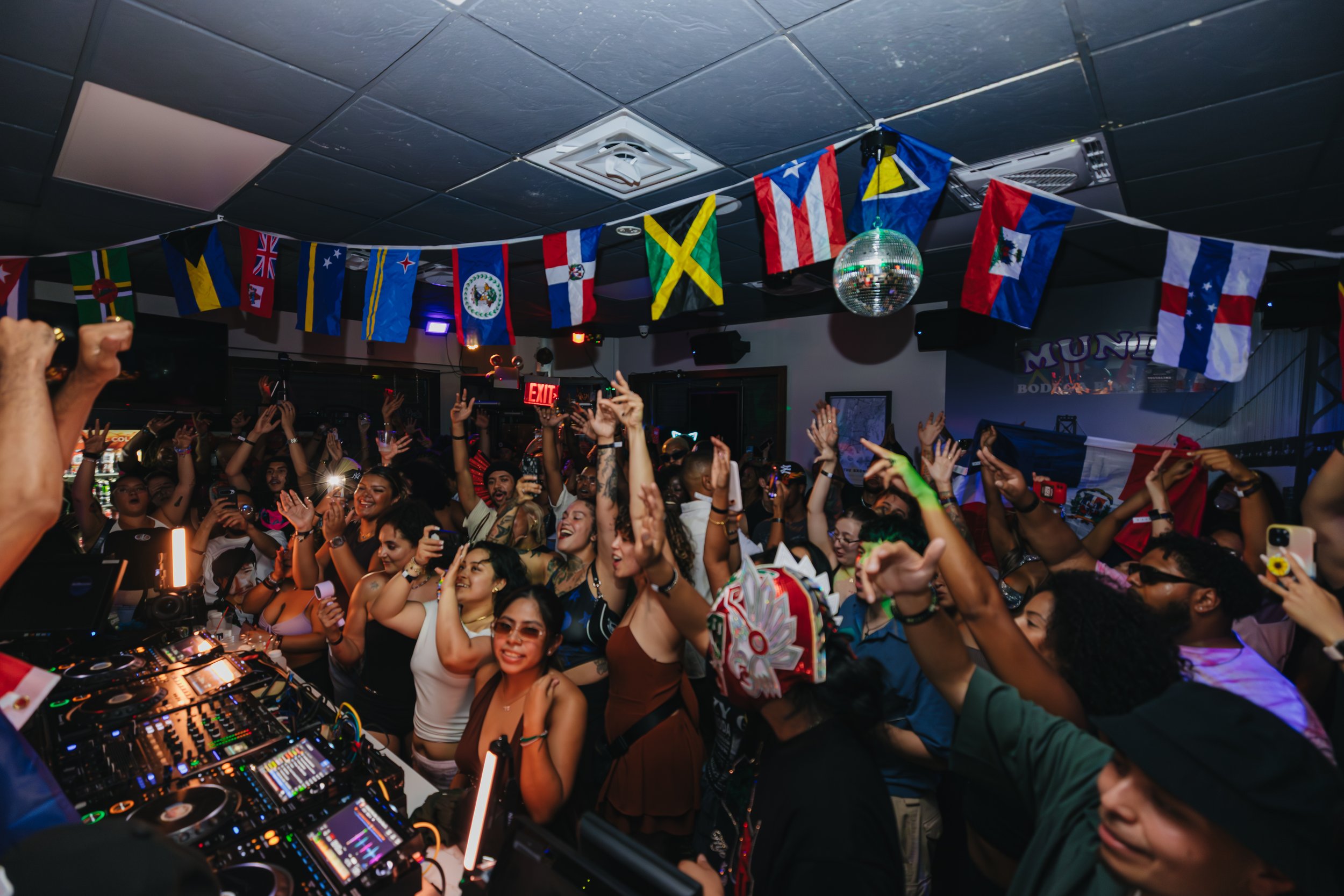
Photo By PACHOTE
ON MOST WEEKENDS IN NEW YORK CITY—dance music culture points people south or east: downtown Manhattan, Brooklyn warehouses, renowned clubs. MUNDO NYC is asking a different question: Why not the Bronx?
Built by Bronx-born DJs and producers Flako and Rich Pascasio (Dos Flakos) along with Emilio Guari (DJ Guari), MUNDO operates as a soundsystem; a collective and a cultural intervention. Their goal is both restorative and forward-thinking: to bring dance music back to a borough that helped shape it and to make nightlife accessible to the people who live there.
For the trio, the Bronx isn’t an emerging market or an overlooked neighborhood. It is home. And historically, it was once a center of nightlife attraction. Rich points to the late 80s and early 90s when Bronx and Uptown venues were essential to the evolution of dance music.
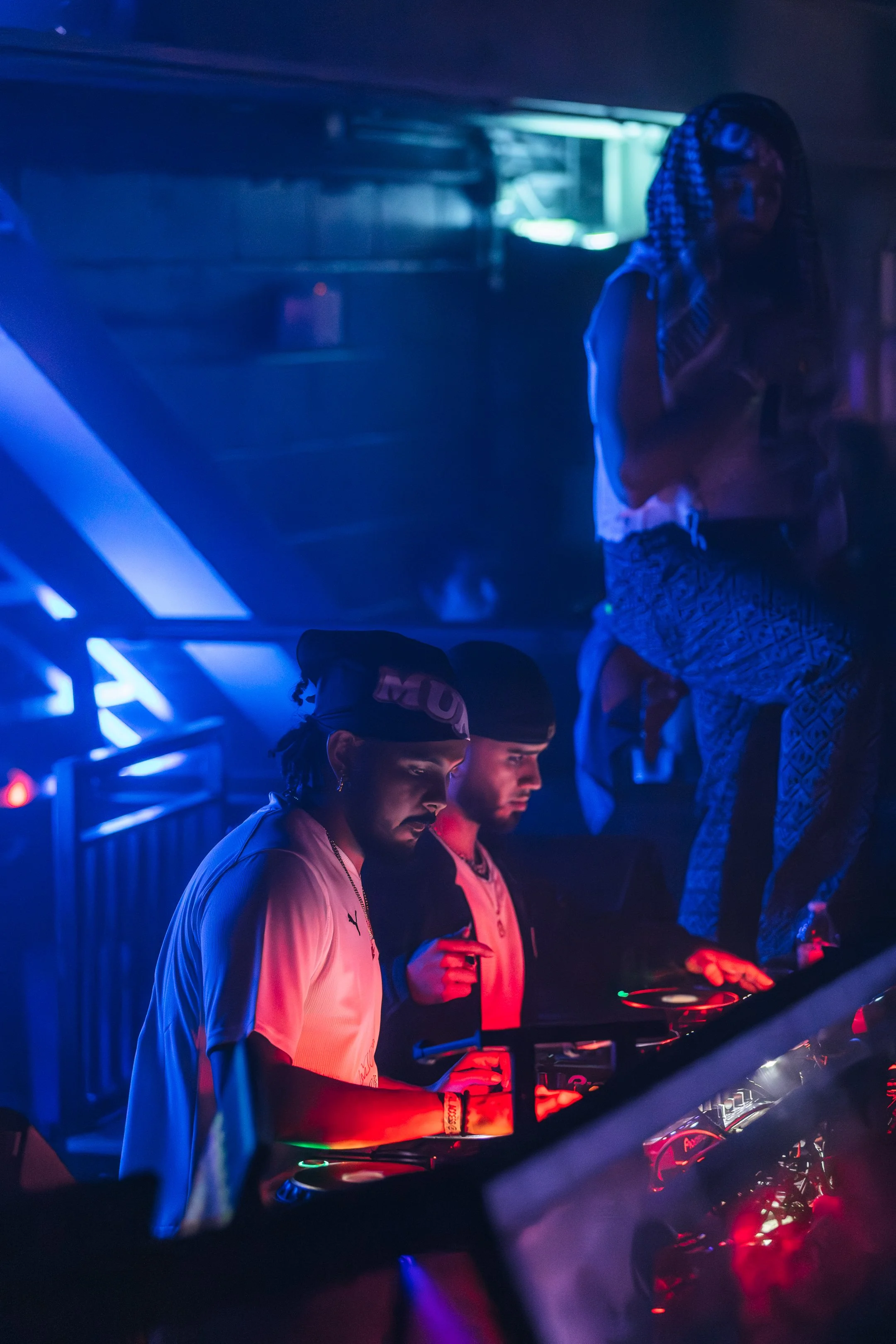
“It’s amazing honestly, because we’re just bringing NYC nightlife back home,” Pascasio said. “The Bronx/Uptown was a Mecca for dance music in the late 80s and early 90s. For example, The Devil’s Nest where Louie Vega held his first residency and arguably where freestyle music developed.”
That era was defined by musical range and collaboration. “You had people who were just going out and listening to different rhythms whether that was salsa, disco, hip hop, or freestyle,” Flako said. “So you had all these options and so much variety to go out.”
It was also defined by movement across boroughs, scenes and sounds. “As a New Yorker back then, it was said that you were going everywhere all seven days out the week to party: to the Bronx, to Queens, to The Limelight Downtown, whatever,” Flako said.
Today, that kind of fluid nightlife experience feels increasingly rare, particularly Uptown. “Our people don't have a place [in the Bronx] due to all the infrastructure. We don't have a place where we can just be,” Flako said.
For Pascasio, dance music is inseparable from cultural expression and freedom: “Dance music represents freedom for us and we’ve always drawn parallels between Caribbean music and dance music because Caribbean people have been involved in dance music since its inception and continue to innovate in this space,” Pascasio said. “We are just another piece to that puzzle bringing our own signature sauce to the sancocho that is Caribbean dance music and soundsystem culture.”
That lineage comes alive at MUNDO events, which prioritize movement over aesthetics and participation over status. “When I was coming up in the mid late 2000s partying as a teenager, it didn't matter how you dressed. The only thing anybody cared about was what moves you were busting on the dance floor,” Flako said. “We went out because we wanted to dance.”
DJ Guari frames their mission through rave culture: not as a genre, but as a philosophy.
“I think in the past decade or two, especially uptown, there's been a shift in nightlife where it's become very bottle service and VIP section centric,” he said. “That's why rave culture is important because even if the music isn't specifically rave-y the culture is. You can go to a traditional lounge and hear what you're gonna hear, that's fine and dandy. But then when you come to MUNDO, you don't know what you're gonna hear, and that's part of the excitement. You're gonna hear things that maybe aren't played as frequently.”
Because the Bronx lacks traditional club infrastructure, MUNDO has turned necessity into innovation, staging events in bodegas and other unconventional spaces, like the Bronx Golden Corral. “We here in the Bronx don't have the infrastructure for clubbing, cool spaces, or cool events,” Flako said. “We’re tired of just constantly going over there and providing. We need a space, a safe haven for ourselves.”
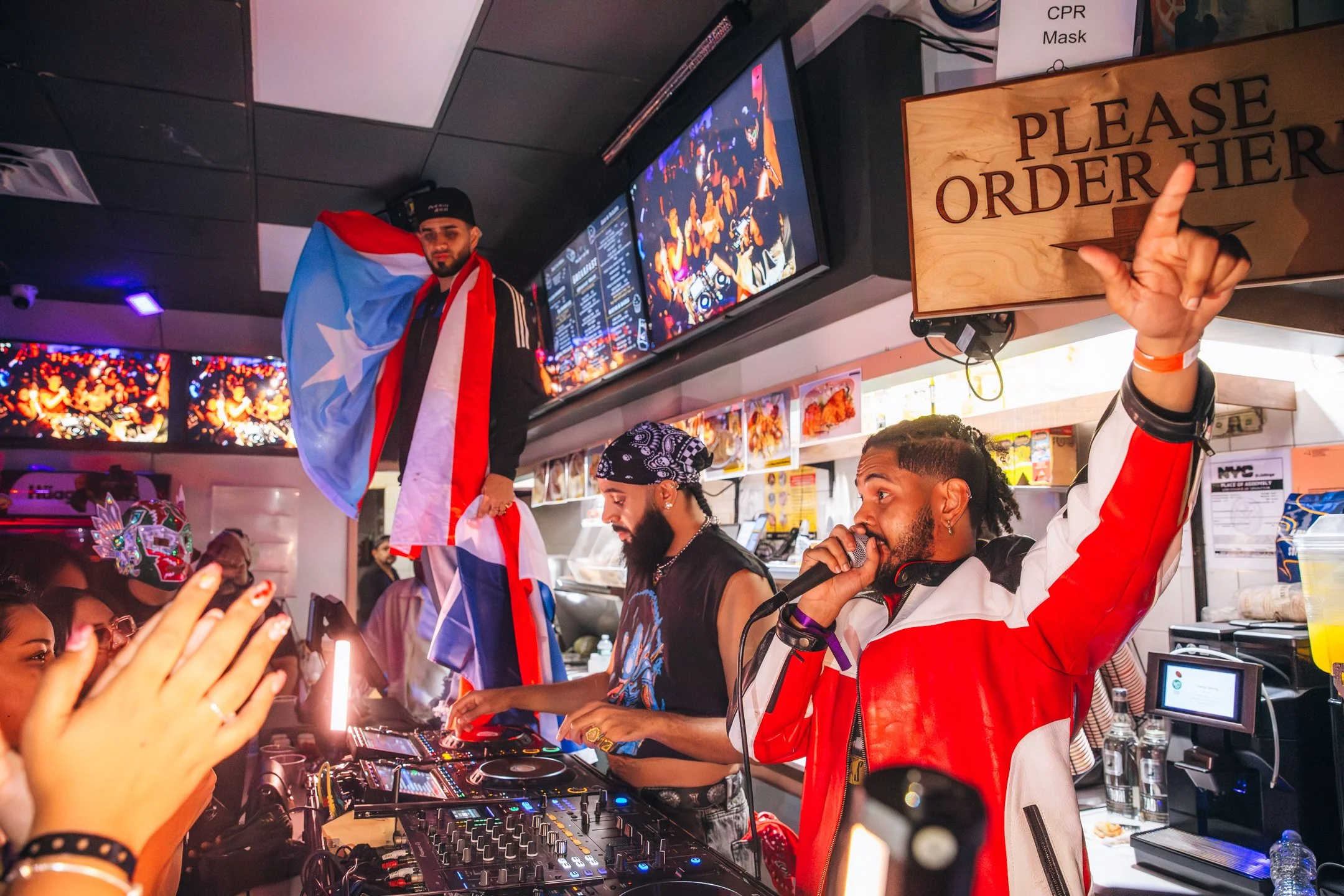
That DIY spirit has become part of MUNDO’s identity. “So finding spaces can be very difficult but it makes us unique because we make what we can from it,” Flako said. “That is how hip hop was made, that is how salsa was made.”
The result is an atmosphere that many attendees recognize immediately. “When you get people who are not from out here to come over here, they say, ‘Oh, it feels like old New York,’” Flako said. “It is because there's an essence of purity, of just excitement, of just wanting to go out.”
Accessibility is central to that mission. “Because that's what rave culture was to us,” Flako said. “I was going to all these events for free or for dirt cheap back in the day.” Transportation costs and ticket prices, he added, often make nightlife inaccessible. “We all don't got it. So, we need to provide for those who don't got it.”
When the night ends, MUNDO wants people to leave with new perspectives. “We want to change the narrative of the Bronx,” Flako said. “We’re also teachers.”
“There was a feeling I used to get when leaving a really good party of like, ‘yo, I need to shower because I sweat a lot,’” Guari said. “So I want people to feel like I sweat a lot because I was dancing, this was in my turf, and I didn't have to pay a $60 Uber.”
Looking ahead, DJ Guari sees momentum building. “I think moving forward down the line, we're going to see a Bronx nightlife Renaissance,” he said.
And MUNDO is not doing it alone. The collective shouted out several Bronx musicians they see as part of this next chapter for the borough’s music scene, including BASSBEAR!!, Planta Industrial, Nas Leber, Kush Jones, El Blanco Niño, Bembona, and many more.
From festival stages to local bodegas, these DJs are redefining what a Bronx night out can look like. On Jan. 31, MUNDO returns to the Bronx Golden Corral for its next rave, featuring Dos Flakos, DJ Guari, and special guests. Proof that the dance floor belongs right where it’s always been: local, open and alive.
