PREMIERE: The Silkies’ New “Happier” Video is an Intersection of the Arts
INTERVIEW
INTERVIEW
☆ BY GIGI KANG ☆
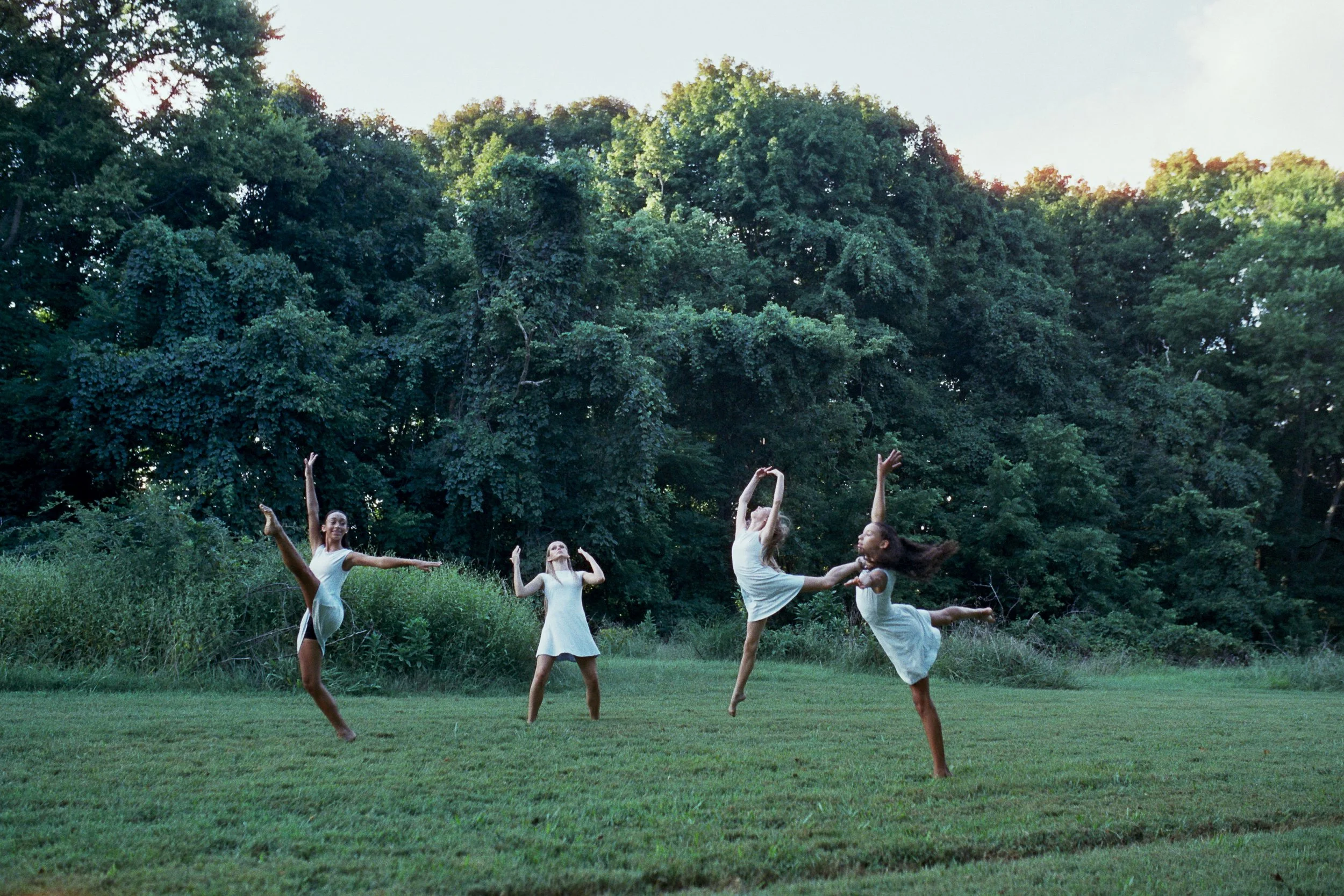
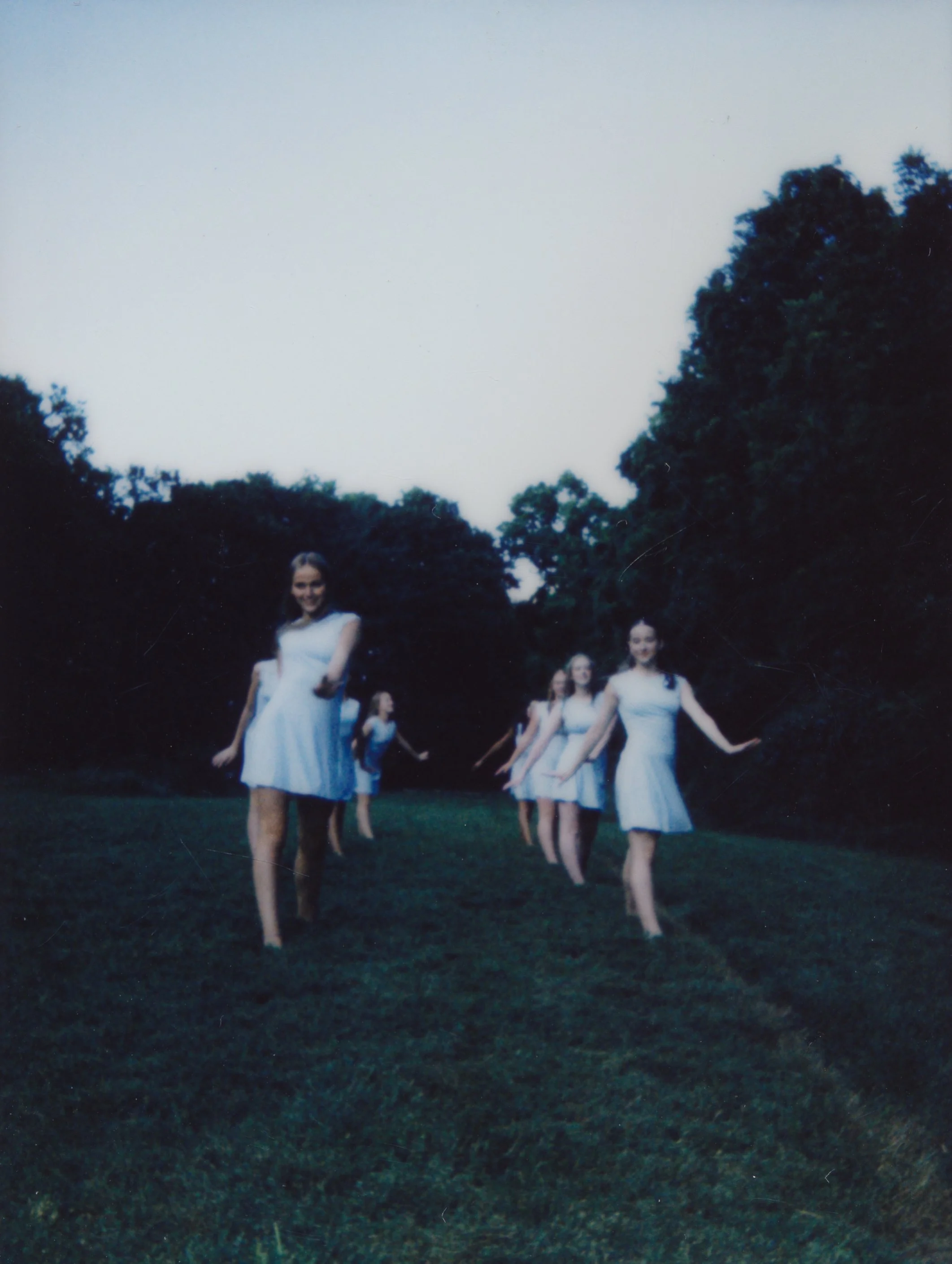
CINCINNATI-BASED THE SILKIES—released a video to accompany their fifth single “Happier,” and it’s a brilliant display of creative collaboration. Teaming up with production company TWENTY TWENTY and a group of young dancers called Turning Pointe Starcatchers, the video displays the core value of community that the band has prioritized since the beginning.
The Silkies first met Aaron Malloy of TWENTY TWENTY through discovering his photography and videography he had collaborated on with local artists. When Turning Pointe Dance Studio’s Kasey Weinfurtner came into the picture, it felt like the perfect opportunity to bring all their respective art forms together.
“I invited [Aaron] to come out to our second show ever,” The Silkies’ Jake Merritt explains. “He came, shot some photos and video for us, and we connected that way. He kept coming to shows, then Kasey started coming out, and she’s amazing. When I found out Kasey has the dance studio, it was like, ‘Wait a second. This could be a perfect situation. Maybe we could all do something together.’”
When we last spoke with The Silkies, the group had just released their second single and were starting to increase their live presence. Now, they’re preparing for an album release and continuing to build face-to-face connections through a series of shows, such as the following dates.
Feb. 20 - Pittsburgh / Club Cafe*
Feb. 21 - Lake Orion / 20 Front Street*
Feb. 24 - St. Louis / Off Broadway*
March 7 - Cincinnati / Northside Tavern
March 24 - Cleveland / Beachland Tavern^
March 26 - Detroit / Lager House^
March 27 - Chicago / Beat Kitchen^
March 28 - Des Moines / xBk^
*With Mike Viola
^With Coyote Island
Read our full conversation with Merritt, Malloy and Weinfurtner below about how the “Happier” video came together.
LUNA: How would you describe TWENTY TWENTY?
MALLOY: TWENTY TWENTY specializes in visual storytelling and focuses on the story side of music. We do an all encompassing video production, photo shoots, and creative direction. We try to get artists to have a message and show the message behind their music. That’s something that you don’t really see in a whole lot of artists—musicians really trying to drive a story—so that’s what we’re hoping to do and find artists that share that image.
LUNA: How did you get started?
MALLOY: I have a photography background, then I started getting into fashion photography and working with more storytelling pieces that way. I got a bit bored with it and started transitioning into video work. Then, I met my business partner who does a lot of our creative direction and directing. He and I work really well together and work on building stories and video ideas.
LUNA: Jake, how did you find TWENTY TWENTY?
MERRITT: I feel like when you’re a band, you’re always looking at other bands and finding other people’s projects. I stumbled across Aaron’s photography and the TWENTY TWENTY account. He has worked with some artists in town that I was familiar with, and the videos were awesome. Just really cool work; ambitious ideas that were executed really well.
LUNA: Kasey, tell me about the dance studio.
WEINFURTNER: I grew up dancing my whole life, then I started teaching after I graduated high school and became the number two at the studio. When the previous owner was ready to retire, I was the natural hand off and was able to buy it. I’ve been trying to see what opportunities I can give the kids and not just teach them dance, but also things about a dance career and different opportunities they have other than competing.
It came at a good time in the summer when it’s a little bit more lax at the studio. It was exciting for them to explore and create with it, which they don’t get to do that much throughout the year. I think it opened their eyes to dance being more than a competition all the time—it can be fun and artistic and expressive.
LUNA: It seemed like they were having a lot of fun. There’s a cute part in the video where they’re playing air instruments.
WEINFURTNER: They had a blast. It was new to all of us. We even let the kids help with the choreography, and they really liked the song.
LUNA: When the band saw the final product and thought back to the original intentions of the song, did it achieve what you were hoping?
MERRITT: Yes, it did. As you get older, it’s easy to lose your passion, your joy, and willingness to express yourself. I thought having kids doing whatever they want and dancing correlated with the song. There are themes in the song about embracing what you really love in life and not getting boxed into a certain way that you’re supposed to live your life as an adult, like having a specific type of career. The idea of being surrounded by people still in that season of hope and joy and youthfulness was really cool.
LUNA: Tell me about the setting. Where did the shoot take place and how did you scout the location?
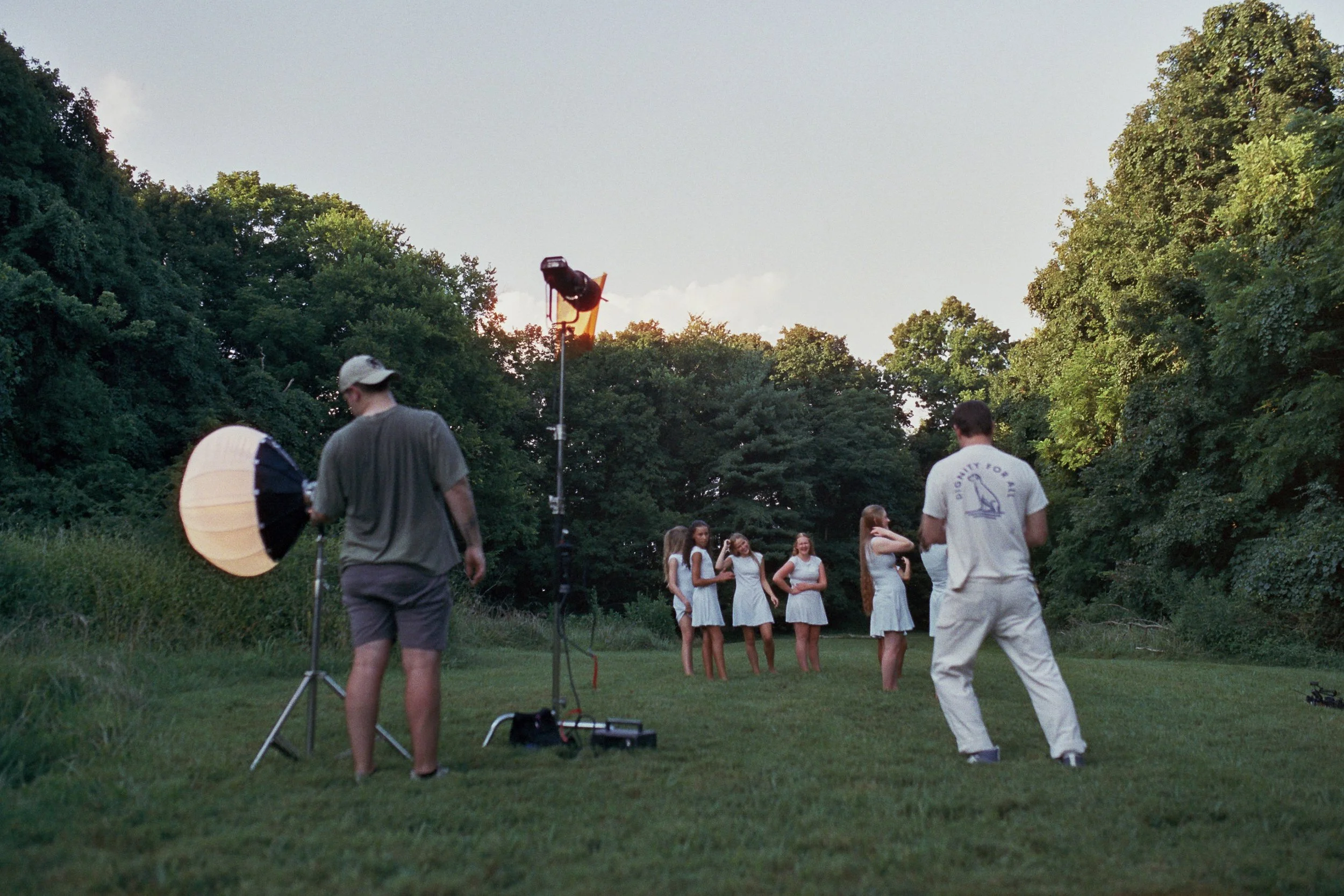
MALLOY: We had a few weeks of pre-production while we were trying to figure out where we wanted to do this. It needed to be accessible for bathroom usage. It was hot out, so folks needed areas to rest or take breaks. We tried to find a public space or a park that we could rent out. But they were all booked and during the summer, we had pretty strict dates that we were trying to adhere to.
It worked out that one of the family members at the dance studio had a property that we were able to use. So we all packed up and drove down to Kentucky. We tried to plan it around golden hour, so we had a very limited time to shoot. We didn’t want the girls out there dancing for too long because you can’t take too many breaks when you have a two-hour shoot during golden hour. We were trying to make sure we all had it pre-planned. Having a property that some of the girls were familiar with was also probably comforting for them.
LUNA: I can imagine a space like that, where it’s an open, natural environment, can be very motivating because you can make whatever you want out of it. But I’m sure that can also be limiting. When you’re in a city, for example, there are so many different colors and patterns you can use. How did you find navigating the environment?
MALLOY: It was a lot about compromise. Even when we got to the space, it wasn’t laid out how we thought it would be. There were slopes and hills which don’t make it safe to dance on. When Kasey and I got there, we walked the whole length of the property and found a piece of it that was big and flat enough, and didn’t have bumps or rocks because the dancers were barefoot. We had to make sure it was safe and nobody was going to roll an ankle.
LUNA: Where is “Happier” fitting into what’s to come from The Silkies?
MERRITT: The band is still very new. We’ve only been playing live shows for nine months or so. Things have been ramping up and it’s getting busier. We just signed with a small record label in Nashville. This song, and all the other songs released, are going to be part of a full-length album. We’re going to be playing lots of shows and building towards the release of the album. We’ve been sitting on these songs for a long time, so we’re very excited to finally get this album out and work on new songs as well.