
Q&A: Inside NYC Artist Alana Markel’s Beautifully Layered World
INTERVIEW
INTERVIEW
☆ BY JOY VILLANUEVA ☆
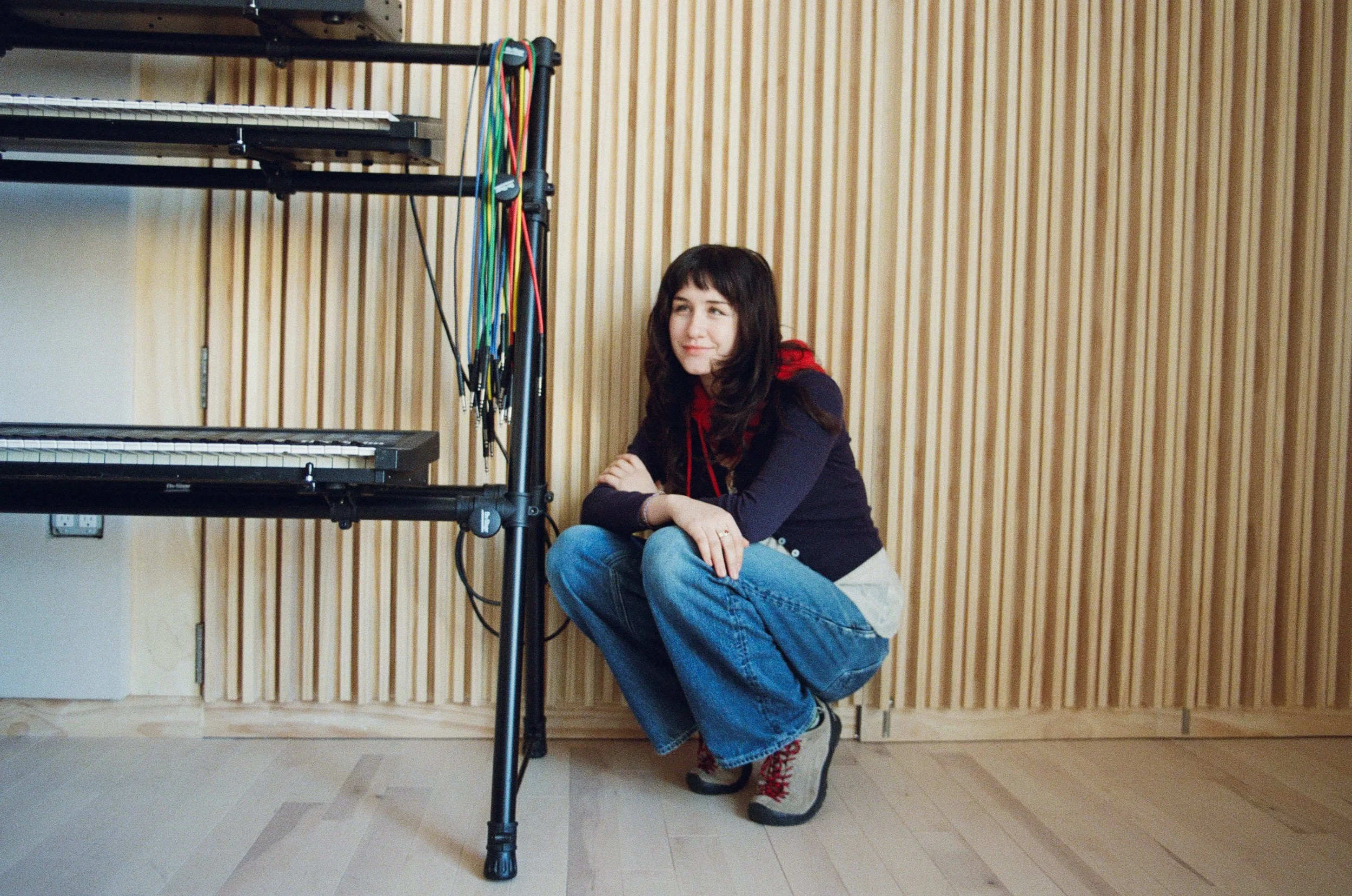
Alana Markel is one of the newest indie artists to emerge from New York City – and her music is the absolute epitome of haunting an ex-lover. It's entirely hypnotic and deeply mind-gripping, the lovechild of female music legends Imogen Heap and Fiona Apple. Her songs, especially favorites like "Restart" and "Pacer Test," feel like sucker-punched kisses and the utterly unfair ache of longing. Markel is definitely one to watch, with an ability to explain emotions in her music that most people spend lifetimes trying to figure out. Her newest EP, I Love You, which landed in our hands this April, evokes those feelings perfectly.
Keep reading for an interview with Markel about her approach to music production, the stories behind songs with double meanings like "Pacer Test" and her connection to the beautiful yet poignant city of NYC.
LUNA: Your music has SO many layers to it both vocally and sonically. There are all these stacked harmonies, vocal effects, guitar moments and sounds hiding underneath each other. When you’re building a song, what usually comes first for you? Is it more driven by a feeling, a lyric, a melody, or just experimenting until something feels right inside?
MARKEL: For I Love You, the seed for every song was an instrumental part. Almost the entire EP was written in my friend and collaborator Christopher Normann’s home studio. Our sessions would begin talking about our day while he was playing the guitar or I was noodling on some synth, and then I’d be like “Wait, record this!”
We’d record that part and everything would build on top of it. Melody is my favorite and probably the easiest and most accessible thing for me to write, so that would usually come next, followed by lyrics, which would inform the rest of the thing. But honestly, I feel like, especially for this project, ideas and parts were sprouting up quickly and from anywhere when we were making these songs. Chris is extremely good at rolling with and keeping the momentum of building a song going!
In terms of layering, they can go on and on, and there’s so many tricks to adding little pearls all over the place, but I think it’s actually important to know when to stop layering and also not easy to. Often adding a million things can detract from the song itself, and you’re gilding the lily.
I feel that the songs that wound up on I Love You got simpler and less layered as we made them, and I got more confident that the bones of the songs would hold up. “Plane Landing” was the last to be made. Of course, this isn’t to say I don’t adore some jam-packed songs like “Restart,” which was the song we made the first day Chris and I got in the studio together.
LUNA: Speaking of “Restart,” it genuinely feels stressful in the best way possible. It grapples with the feeling of trying over and over again without ever fully getting where you need to, almost like an engine refusing to turn over. What headspace were you in while making that song, and how intentional was that tension in the production?
MARKEL: First of all I’m sorry! This is such an interesting take on the song, in terms of thinking of it like it’s trying over and over again. I was in a very free and fun headspace when I wrote the song, and my intention was to create a song that existed in the mindset of what is actually like 3 seconds but feels like 3 minutes, all in the moment when you see someone and feel like your life has been changed forever.
I was inspired by Joachim Trier’s Worst Person in the World and the main character, Julie. She eagerly hops from one career or person to the next, and each time she begins again she feels she’s discovered her true purpose/interest/destiny. That’s where the lines about everything being frozen come from as well; there’s a scene in the film where she leaves her long-term boyfriend for a new man and runs through the streets of Oslo, where time is entirely frozen.
In terms of the tension of the production, I just loved how explosive and f*cked the drums and bass were. Something about it reminded me of one of my favorite artists, Stina Nordenstam, who utilizes some pretty distorted and “tense” guitar percussion and chord choices but sings about delicate, beautiful, real and raw concepts and I was like, “Hell yes, let’s see where this takes us.”
LUNA: Your production style could be described as if Imogen Heap and Fiona Apple made a very intricate, emotional lovechild together. Were there any artists or albums that molded the way you approach production and layering when you started making music?
MARKEL: This is very nice, thank you. Imogen Heap is very inspirational to me and Speak for Yourself was one of the first CDs I ever owned/obsessed over. Fiona Apple is obviously a legend, and I’m honored to be compared to her.
I think inspiration is constant and forever, and it changes when I’m writing depending on the day. For example, [on] the first really hot day in New York this year, I was listening to Animal Collective’s Sung Tongs, and it really got me inspired for my session that day, but I’d never even paid much attention prior to that day.
When I started making music, I just wanted it to sound good. I had no idea what else was up. When I started getting into production, I was really obsessed with the production on Tirzah’s project. It’s endlessly interesting and daring, and also catchy as f*ck. She’s still intensely inspirational to me, as is anyone who is brave enough to try something new and unexpected on a song that is pop at the end of the day.
LUNA: What’s the story behind “Pacer Test”? Almost everyone who grew up doing those in school has some kind of collective trauma from it, but somehow you turned it into a song people want to replay willingly. What made you want to use that as a metaphor and/or theme?
MARKEL: I was freshly graduated from college, and was journaling in the park with a friend. The lyrics of the chorus just sort of rolled out. I had no idea what I was doing, I was pursuing music and acting and working my restaurant job, and I thought to myself “How the hell am I going to do all the things I need to do to follow my dreams and grow and literally just take care of myself as a person?”
It made me think of the Pacer Test, and how bad I was at it, and how stressful it is to run back and forth as the time gets shorter and shorter and shorter. I was like, “Damn that’s a pretty good metaphor for exactly how I’m feeling right now.”
It’s also kind of funny, visually, to me. I look pretty hilarious when I run.
LUNA: Your music feels very physical and emotional. A lot of the songs almost feel like getting sucker-punched and kissed on the forehead at the same time. Do you consciously think about creating that emotional push-and-pull while writing, or does it happen naturally?
MARKEL: That’s awesome. Wow. To be honest, I think it happens naturally. It’s the melody of life, it’s up and down all the time and, even when it’s calm, there’s usually something rumbling underneath so I think it’s bound to happen in the music.
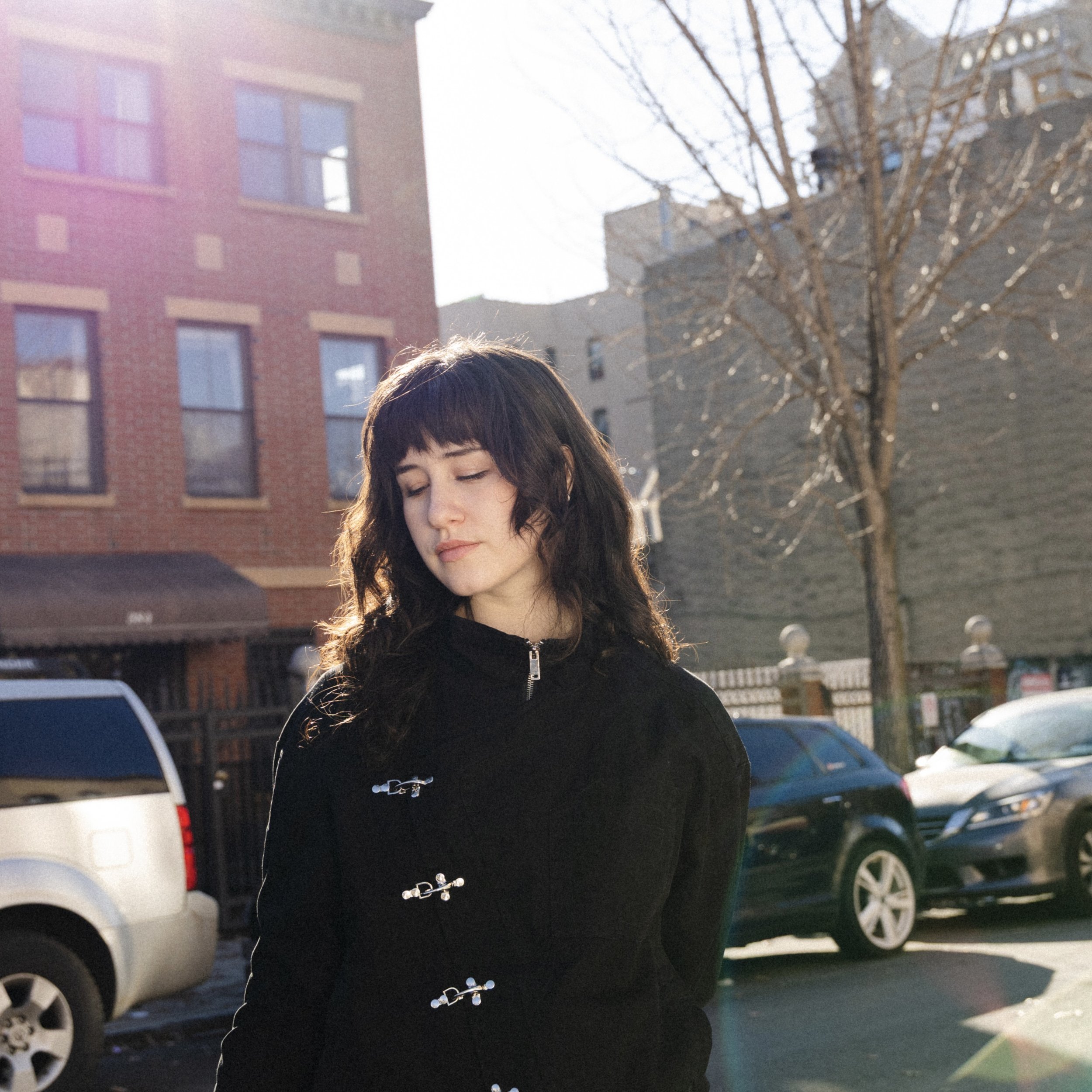
LUNA: You’re from Brooklyn, and your music really feels tied to place in a way that’s hard to explain. There’s something very city-specific about it, like noisy trains, chaos, even intimacy. Do you feel like New York City and the people in it have formed the way you experience emotion and write music?
MARKEL: One hundred percent. The city is definitely one of the characters in the cinematic universe of my music.
LUNA: “Place Like Home” feels comforting and romantic on the surface, but there’s also something unsettling and deeply physical about lines like “And your body is a home / And your body a container / Nails on cotton, skin on skin.” When you wrote that song, were you thinking about love as safety, possession or something more complicated than that?
MARKEL: Interesting. This song to me is about the purest form of love. Not necessarily not romantic, but definitely not confined to it. Safety for sure. Not possessive, just pure and intimate and beautiful, like when people become home to you. Feeling so connected to their shoulder that there’s an understanding that your love and the energy of it is infinite and larger than just our corporeal selves. Maybe it’s a little freaky [and] trippy, but it’s positive overall.
