
Q&A: Alejandro Aranda Turns Complexity into Art in ‘Baroque’
INTERVIEW
INTERVIEW
☆ BY DANY MIRELES ☆
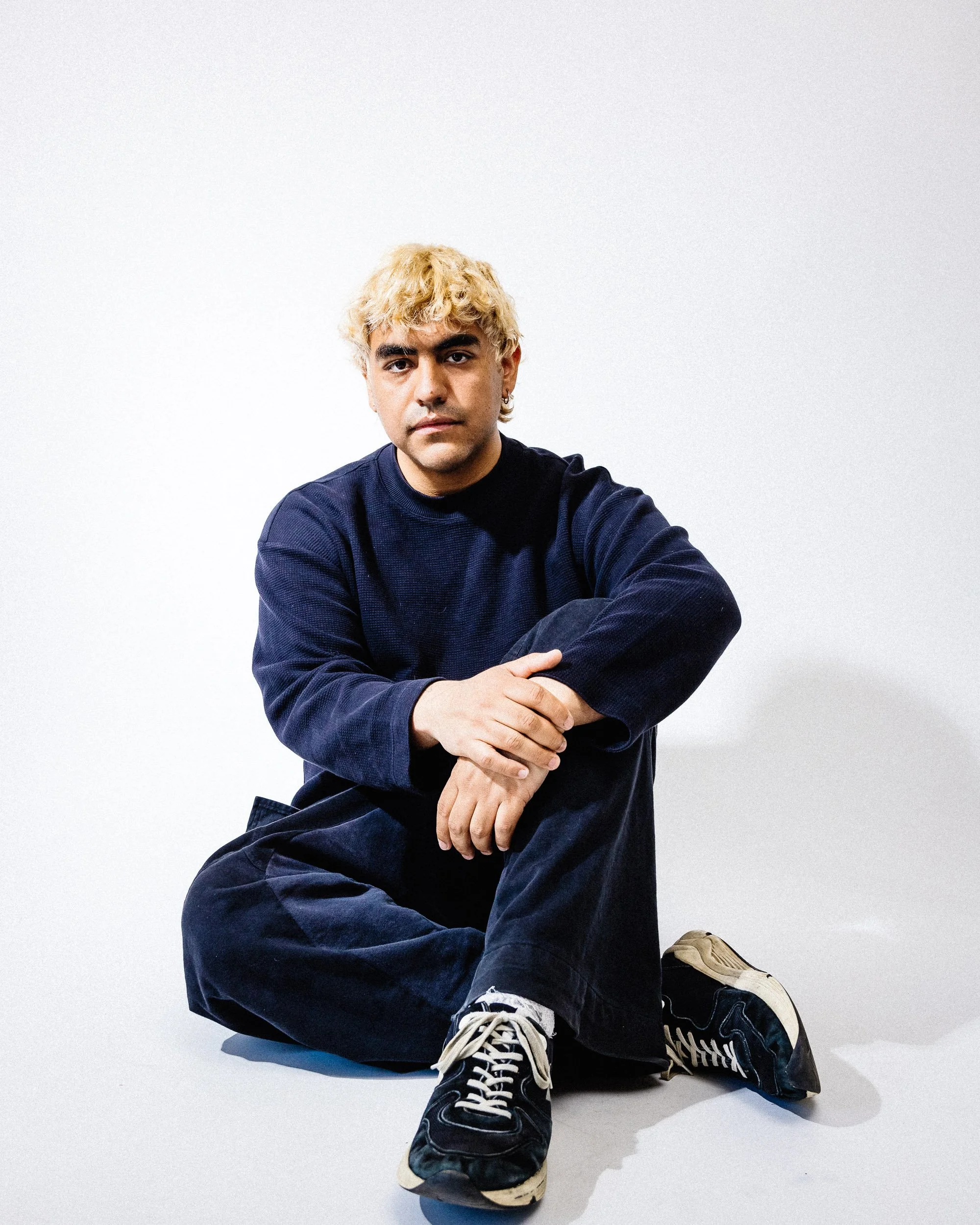
Photo by Max McGuire
“I ALWAYS LOOK AT MUSIC AS A NEVER ENDING LESSON”—Alejandro Aranda has never been an artist interested in staying in one place. From the intimate finger-picked guitar work that first captivated audiences on American Idolto experimental and classical-inspired sounds, his career has been defined by movement. His brand new EP, Baroque, feels like another step in that sonic evolution; seven songs that carry their own story, moving the delicate to the demanding, and the simple to the complex.
Originally envisioned as a collection of classical piano pieces, Baroque began taking shape when Alejandro Aranda started creating stories to the melodies. The EP is full of guitar-driven emotion, restless experimentation and even a 14-minute track transformed into a rave-inspired piece.
Alejandro Aranda spoke with The Luna Collective about the making of this collection of tracks, the pressure to define his musical identity after American Idol, the relationship between songwriting and guitar-playing and why he approaches creating music with curiosity instead of fear.
LUNA: When you first started working on what would eventually become Baroque, did you already have a sense that these songs belonged together? Or did the EP slowly reveal itself as a project while you were writing?
ARANDA: I had this idea in mind for a long time! I usually make projects with a batch of songs in mind. The EP itself was only supposed to be classical pieces on piano, but I just decided while making them to add some stories to the melody!
LUNA: The title Baroque feels intentional—it brings to mind something intricate, dramatic and full of detail. Take us back to the moment you landed on that title. What were you hearing or feeling in the music that made Baroque feel like the right word for this project?
ARANDA: I was listening to Bach, and of course he’s from the baroque period, so I had an idea of making something that captures that vibe while listening to classical music. It’s such a cool word and I wanted to capture that feeling.
LUNA: “GLOWING” is a song about love, but there’s also something almost restless about the way the guitar moves underneath it. When you were writing it, what came first: the feeling behind the lyrics or the guitar part that eventually became the foundation of the song?
ARANDA: I usually start with the music first with every song! "GLOWING" is another one of those songs where I started it with guitar and then blended in some lyrics on top of it.
LUNA: Now that listeners have heard “GLOWING” and “QUEEN,” when you look at those songs alongside the five tracks we haven’t heard yet, what do you think they reveal about where your head was creatively during this period?
ARANADA: Personally it was all about living in the moment, especially with "QUEEN" and "GLOWING". Both of those songs are very hard for me to play and sing. I wanted to present every corner, which is simple to complicated—almost like life. Sometimes it’s simple. Sometimes it’s very complicated. Going from fast to slow. Each song has a story.
LUNA: Your guitar playing has always been one of the most recognizable parts of your music. There’s something very physical about your finger-picking style—you can almost hear the movement of your hands in the recordings. Has the way you play guitar changed as you’ve grown as a songwriter, or has the guitar remained the place where your ideas naturally begin?
ARANDA: For me, guitar playing has been naturally growing with my song writing the more I create music. Every time I make a new song I feel like I tend to practice new techniques on guitar.
LUNA: Your career has taken you from American Idol to releasing your own records and now working in a completely different musical world with Seven Hours After Violet. When you listen back to the artist you were during American Idol, what feels most different about the person who made Baroque?
ARANDA: Personally it feels surreal going from stage to stage. I think the growth has always been with the music. I am very grateful for American Idol for opening so many doors for myself to grow, but also I think looking back. The artist I was back then is the same artist I am now. I just have more knowledge on how to produce and mix my songs!
LUNA: You’ve never really stayed in one musical lane, moving between folk, pop, experimental sounds and heavier music. Was there ever a moment where you felt pressure to define yourself as one type of artist, and how did you decide to resist that?
ARANDA: I felt tons of pressure after American Idol because it was kind of what people knew me for! But all in all I resisted it because music is universal and I feel like that’s always been my approach to making different styles: basically trying to move with no fear.
LUNA: With Baroque, were there any songs that surprised you during the writing or recording process—maybe something that started one way and became something completely different by the time you finished it?
ARANDA: The song “BAD!” That song was totally insane to make mostly because it was a 14-minute track that I just turned into a rave type of song.
LUNA: You’ve received a lot of recognition for your musicianship, including Luke Bryan mentioning you when talking about some of the most talented artists to come through American Idol. Years later, when you’re sitting down alone with a guitar to write, does that kind of outside recognition ever enter your mind? Or does the creative process feel completely separate from it?
ARANDA: It always feels completely separate. I always look at music as a never-ending lesson. Everyone is in the same field when it comes to making music! It’s always about having fun.
LUNA: You’re about to take these songs on the road with the Hondo World Tour, which means Baroque is going to exist beyond the recordings and become something you experience with an audience. When you imagine playing these songs live for the first time, what part of this new chapter are you most curious to discover for yourself?
ARANDA: Whenever I play new songs to an audience it always takes on its own world and creates new moments to discover within the song. I always find new ways to play songs whenever I play them out on the road.Personally, I'm just really excited for the fans to hear these songs and to experience Baroque!
