
Q&A: Dagny on “Closet Disco Queen” and Upcoming New Album ‘Dancefloor Erotica’
INTERVIEW
INTERVIEW
☆ BY SAMANTHA SORIA ☆
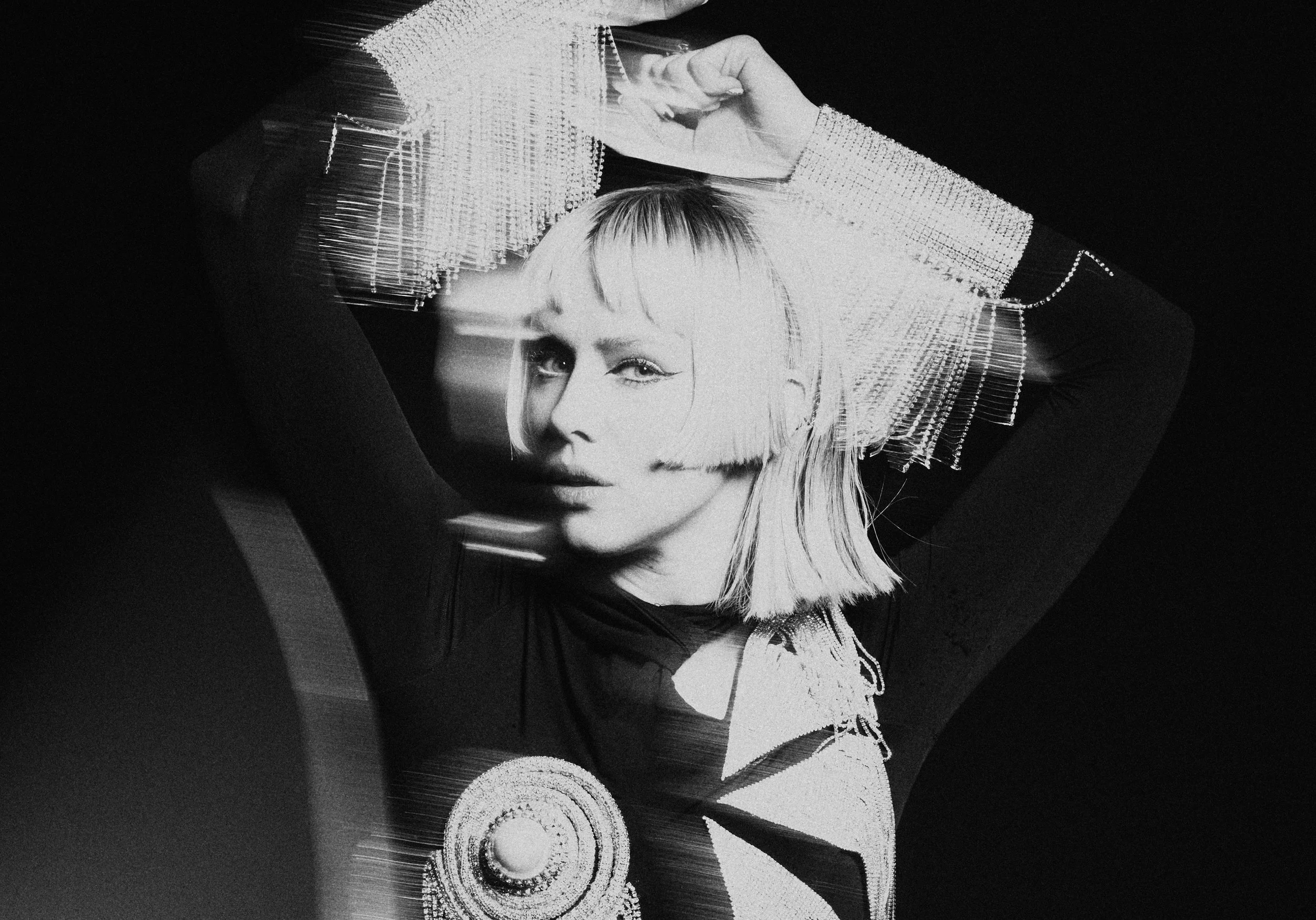
Photo by Torgeir Rørvik
DAGNY WANTS YOU TO DANCE YOUR HEART OUT—There is an infectious energy that radiates from Dagny as we meet a few weeks before the release of her latest single, “Closet Disco Queen,” to discuss the track. The song is not only exhilarating, but also the spark of a bold and fearless new era for the seven-time nominated Norwegian Grammy (Spellemannprisen) artist, who is no stranger to creating memorable pop anthems.
Serving as the second single from her upcoming third album, Dancefloor Erotica, out June 12, “Closet Disco Queen” invites you to let your hair down and release all inhibitions. With mantra-like lyrics such as, “Be yourself, love yourself / Express yourself, again!” the song is not only an expression of self-love, but also one of two tracks teased from the upcoming album that reminds one to proudly celebrate the person you are with all your heart.
In this interview with The Luna Collective, Dagny talks about the inspiration behind “Closet Disco Queen” and shares insight into her new album, a project she has described as “following what you want to do, trust it and stand in it, even if it doesn’t fit everyone.”
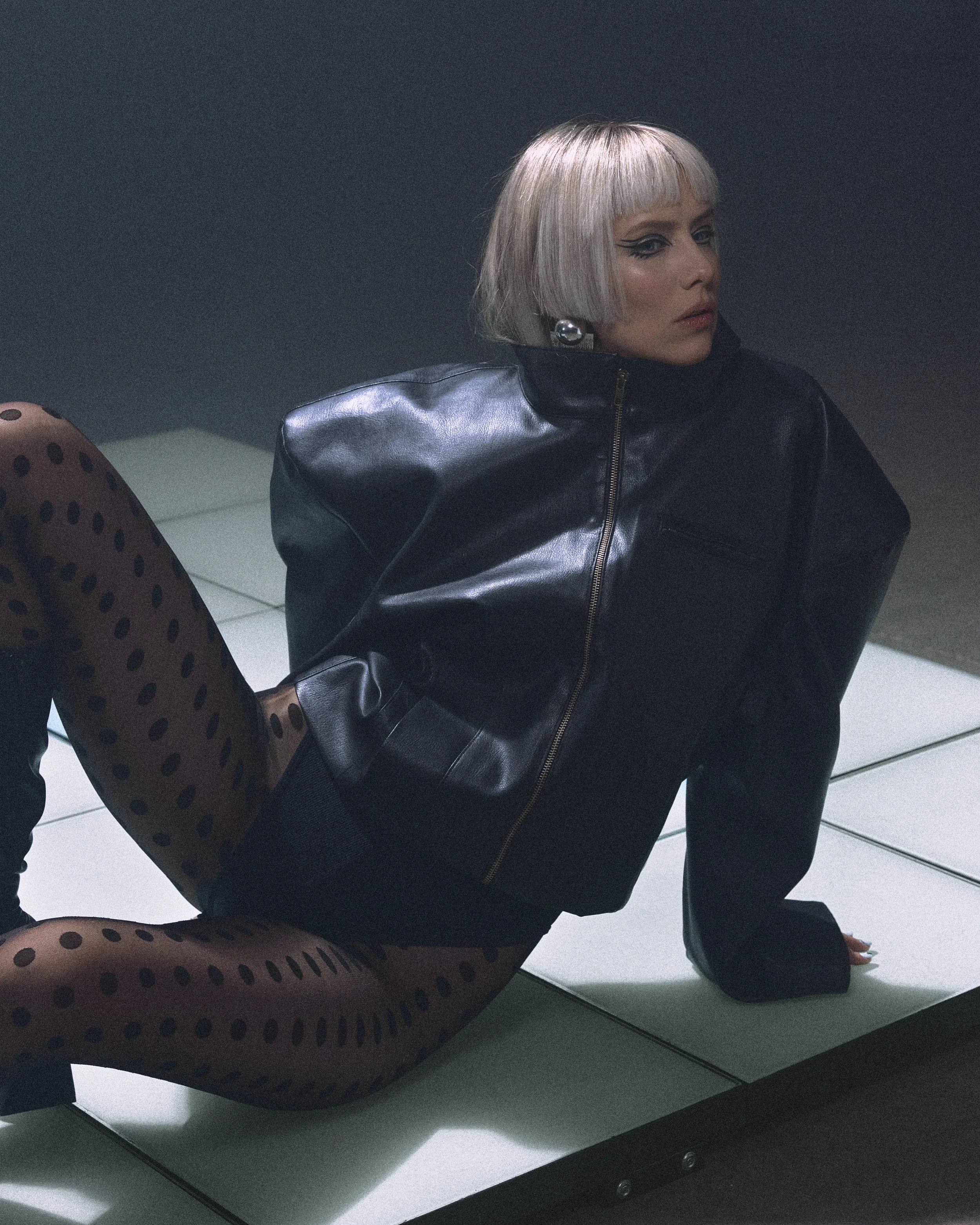
Photo by Torgeir Rørvik
LUNA: Back in 2016, you did an interview with The Guardian, and you said something I loved, which was that “There’s a real art to making a good pop song. People underestimate it: a good pop song can be fucking tricky.” With this new era, how has your perspective on creating pop music evolved? Are there lessons from the past that you’re bringing into this new chapter?
DAGNY: I think… to create without thinking too much. Expressing something and not thinking that you're going to follow up something you've done before, or write the perfect song, or write something that's going to fit for everyone, but try and focus on what feels good for me right now.
I guess that's what's kind of been interesting with this new era, because—as you probably can tell from “Dancefloor Erotica,” but also even more so when you hear the rest of the project—it sounds quite different from some of the stuff I've done before. That being said, I actually thought about it yesterday.
“Backbeat” and “Somebody” do not sound the same either. For me, there's always been a need and a want to evolve, push myself creatively, discover new things, and still kind of learn and grow within what I do. But I think that with this new era, it does sound different. There's been some worries, some like resistance, I guess, within the team, I hear that, but I think it kind of enhanced what I wanted this project to be about, which is following what you want to do. Trust it and stand in it, even if it doesn't fit everyone. Instead of thinking that you’re going to make music for everyone, think that you have to continue to make something that feels good for you and trust that it will find its audience.
With this new era, some of it isn’t as straight-up pop, but I still think it’s rooted in pop. I’m a pop girl at heart and I think I always will be. I don't think that's ever gonna change. I guess now it's coming across a little bit differently, but it's still equally important for me to do what feels good for me at the time where I'm at in my life.
LUNA: “Dancefloor Erotica” was written during a pivotal moment in your career. Two years ago, during a soundcheck, you mentioned feeling detached from the songs you were performing and that you needed “something new, something that gave a renewed sense of purpose, a sense of evolution—something I could move to in a new way.” Looking back now, do you feel like you’ve found that “new” thing?
DAGNY: Yeah, absolutely, and that's what's been so fun for me working on this new music. I would say there are probably a few different kinds of strong moments in the process. For example, with that moment during soundcheck, I was doing a summer festival, and bearing in mind, I want to say that for it to not be forgotten, that all the music that I've done so far, I'm super proud of and like I was saying at one point that, this new era is about being myself, but I was myself as well with all of the other music, you know?
I'm not taking away anything from that, but as I said, you change as a human. You have different periods in your life, and I was doing this summer festival, and it was one of those summers where we're doing a lot of the songs we've been doing for a long time, and I suddenly found myself being like I know every movement of this. It’s like I'm singing stuff that right now doesn't really feel right for where I'm at. It was like a craving, or a real urge to try and kind of widen that, explore something new, or like, again, feeling like you're in motion. Suddenly, I was like, I need something to make me want to do something else, something that I can explore in a new landscape and learn something new. I wasn't sure exactly what that was, and then I was in the studio one day. My friend popped by and dropped off some stuff. Normally, I don't really play stuff that is like a demo process, still figuring it out, but he was like, “What are you working on?” And I played it to him, and he started strutting around the room, and I felt that's the feeling that I've been looking for.
Looking back now, it really feels like it came together from there. Even now, as I told you, I've just been to dance practice, these new songs inspire something completely different. I think that's so exciting because it’s not taking away from what's been, it's just adding.
LUNA: You’ve described this new era as being all about expression, movement, and desire. Those themes shine not only in “Dancefloor Erotica” but also in your new single, “Closet Disco Queen,” which also feels like a celebration of letting go and embracing freedom. I feel like these types of songs are so needed right now at this moment in time, you know?
DAGNY: Yeah, exactly. I think that music and society, stuff that hangs together, you can comment a lot on society and music, and I think that there is a need for all sorts of things still within that. For example, as humans, we are in different phases, mindsets and emotional places. Sometimes when things are tough, you need someone to do a song where if you're sad, you can put on a song that enhance the sadness; and a song that lets you feel that feeling and cry if you need to cry; or a song that you know you can rage to if you're angry; and if things are shit—God knows there's a there's a lot of of stuff going on at the moment—but I think you also need those things that makes you kind of feel for a second that there's hope. Or songs that makes you feel like, you know what, it's a bit fucking shit, but I'm gonna put on this song, and I'm just gonna strut down the street and I'm gonna try and feel good.
I think that's important, and with these songs, for me, they are liberating in a way. They help me let go and let loose, but they also make me want to kind of lift my head and strut. Strut is the best word! [laughs] They make me feel a bit braver, and they make me want to kind of speak up a bit more. They make me want to feel free, and there's an importance to that, too.
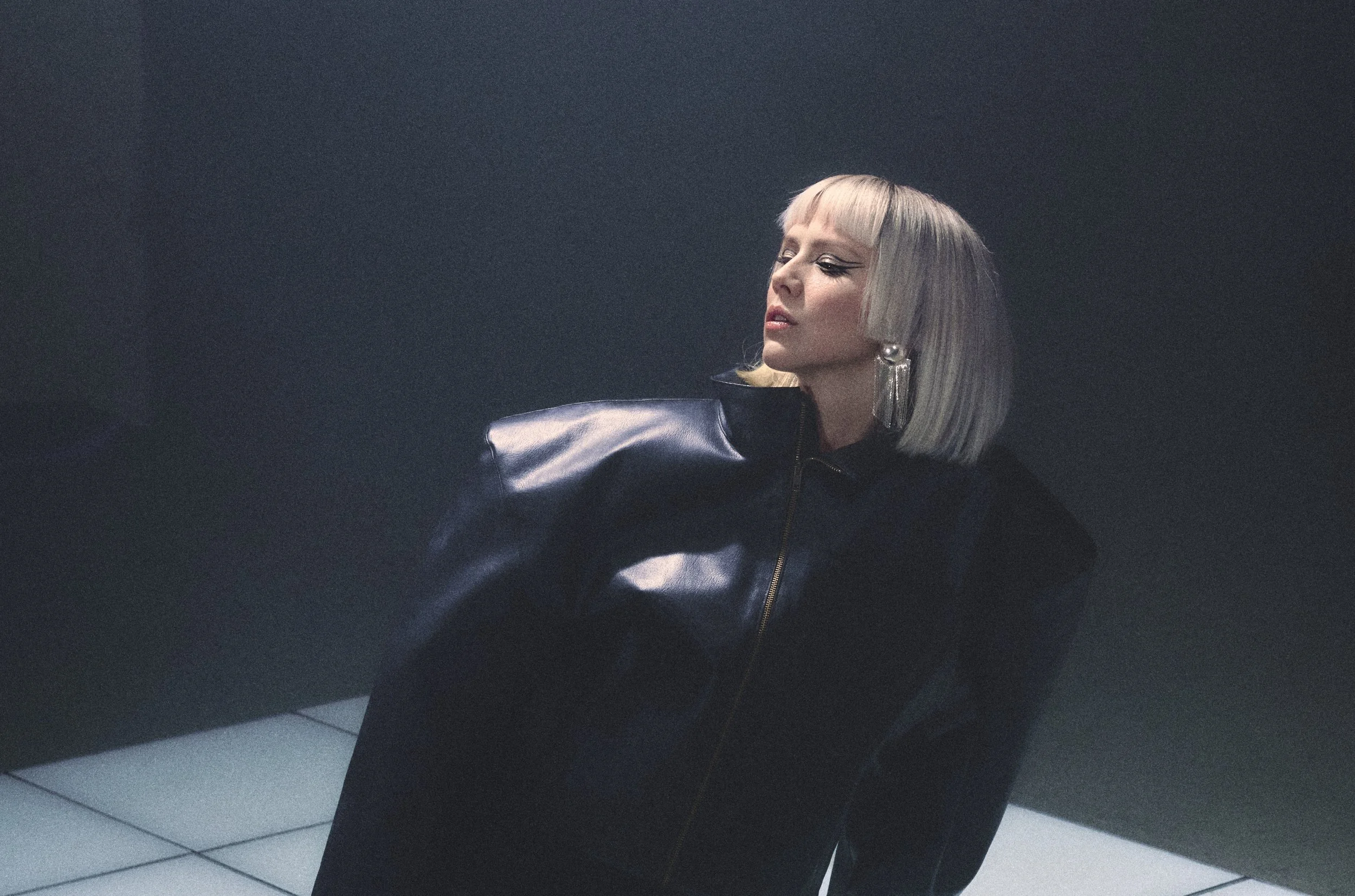
Photo by Torgeir Rørvik
LUNA: I love how you said bravery because the sound itself feels like an extension of that freedom we were talking about. Both singles exude such bold, avant-garde energy. You literally sing the lyric “I’m living for the avant-garde” on “Dancefloor Erotica.” Would you say the avant-garde style is something new for you, or is this something that you’re returning to?
DAGNY: Maybe this is a weird thing to say, but I don't know if I've ever thought of myself as, like, a really commercial artist. I've always been drawn to the stuff that is a bit left of center, a term we use in music. I think this is definitely the most experimental, or a bit more artsy, I've been, but as I said earlier, looking back at my catalog, early on in the process, thinking that this was my box and this is where I kind of fit in, I realized that I’ve never been drawn to that framework or boxing things.
I don’t really see life very black and white and I think looking at like “Backbeats” and “Ultraviolet” and all of these songs on the first EP, and then going forward to Strangers/Lovers, which was kind of the start of the synth—well, I mean, some singles before that, but they weren’t on the albums—but I think this is maybe the first time where I’ve kind of been like wanting to push boundaries a bit more, sound wise, and what I sing about and the movement. Do you feel like I'm going back, or do you feel like I'm kind of moving forward?
LUNA: I think you’re moving so forward!
DAGNY: Yeah, I feel like that too! Sometimes it’s kind of hard to see yourself from the outside, but I think I’m moving forward as well.
LUNA: Can you walk me through the production of “Closet Disco Queen”? How did this song come together? Were there any particular moments in its creation that defined its final sound?
DAGNY: It was actually the last song that I wrote for the record. It was one of those [moments] when you think you have all the songs and you think we should write a little bit more and see what happens. I was with Matias Tellez and Nick Hahn, who are two people I've done a lot of the album with and what's been really nice with this new era is that nothing is kind of an overthought. It's more just following the intuitive feeling in the studio, and that's kind of what we did.
It was a really quick song to write, which, believe me, I am not known to be a quick writer, it's bloody hell. Sometimes you're just banging your head against the wall but I came across this phrase closet disco queen from the 70s, which was someone who would dance at home and be completely free at home, but they would never do that in public. And I'd been to this party where I'd been part of a big series called Detective Hole. I'm jumping a bit here, but I'll get to the point [laughs].
We were filming for all of 2024 and 2025, and you know when you’re in a workplace with people, and everyone’s on their best behavior, everyone’s professional. On this set in particular, there were so many people involved, and everyone was so brilliant in their thing. There was this one guy who was in charge of the smoke in the room on the set. He would walk around with this very graceful, careful movement throughout the whole day, and he was dressed very well, very put together.
And then we came to this wrap party, and I was walking into the room. I was a bit late, and people kind of stood around, and in the middle of the room, quite far into the room, there was this big dance floor, and in the middle of that dance floor stood this guy, and he was completely free. He was doing some moves I've never seen before. He was down, and he was up, and he was around, and everyone was, in a very kind of Norwegian way, standing around with their drink, not taking up too much space, but he was out there doing his completely free thing. And I thought, “My God, I need more of that in my life.” I need a bit more of that. I feel like I don't dance enough in my life for one thing, but also going out there and moving for yourself. If people want to watch, they can watch. If they don't want to watch, that's okay, But he was expressing himself, just having a good time moving and dancing. That was a little bit of the inspiration—I’m going to take whatever I do around the house and dance and have fun. I’m not gonna be scared of showing all of myself to the world.
LUNA: The release of “Closet Disco Queen” is a special one because it gives another glimpse into your upcoming album. I know you can't say much, but if you could describe it in one word to give a hint as to what’s to come, what is that one word?
DAGNY: If I were going to use one word to describe it, bold feels like a good word.
