
Q&A: ‘Counting Horses’ is Tom Siletto’s Love Letter to Nostalgia and Northern California
INTERVIEW
INTERVIEW
☆ BY SULLIVAN JORDAN ☆
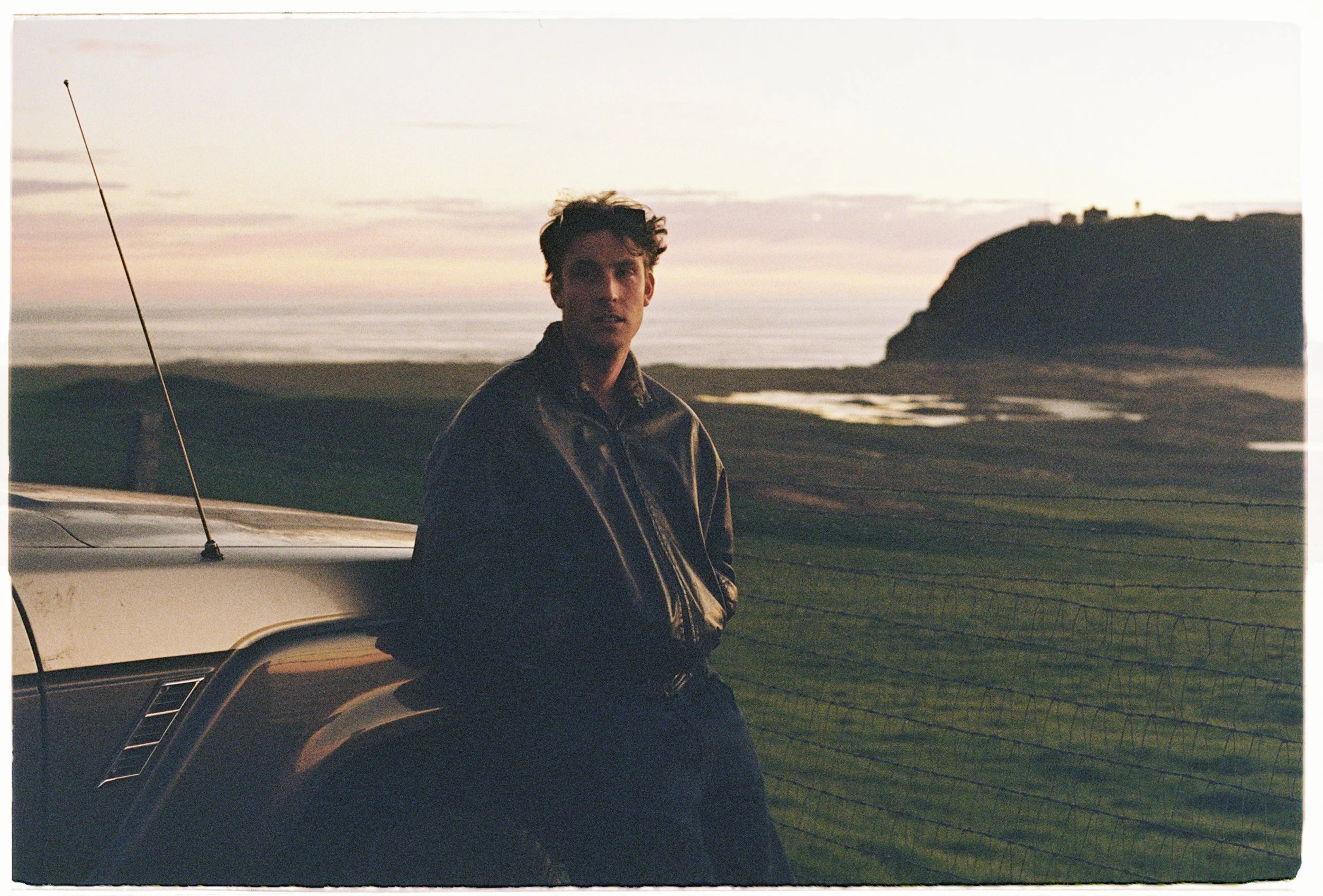
FEW ARTISTS ALLOW THEMSELVES TO FALL INTO THE DEPTHS OF EMOTION— and confront their naturally flawed reflection. With his debut EP Counting Horses, Tom Siletto reaches for truth with poetic lyrics and a genuine combination of experimental and heartfelt instrumentals. His sound is defined by gently bruised vocals that whisper through strong bursts of passion. Using sound to evoke nostalgia and face his imperfection, Siletto calls upon his hometown on the coast of Northern California throughout the EP. He echoes the force and sheer power of ocean waves, as well as the freeing comfort of the vast and endless horizon, through a captivating push and pull of dynamic instrumentals and vocals.
“hallways” opens the EP, welcoming listeners to a windswept coastline where the ocean waves make it tempting to jump in. Tender vocals ring through expansive drums, providing a dynamic contrast and holding a delicate balance between light and dark. His vocals explode alongside a crescendo of drums before the track concludes in a peaceful wash of distant ocean waves.
To conclude the EP, “your four walls” acts as a sonically different call back to “hallways,” using home not just as musical inspiration, but as a metaphor for emotional intimacy. What starts as a quaint, almost whispered acoustic track featuring Ruby Plume’s dreamy vocals transitions into a piano ballad, Plume taking the vocal lead while Siletto echoes in the distance. The song is vast, resonant and all-consuming, closing an important chapter of growth and healing for Siletto. What lies between “hallways” and “your four walls” are five tracks that witness Siletto working through self-reflection, regret, and fears about his future.
“I think of you the whole time” and “christ sake” capture the shattering sadness of a breakup; how the emotional rollercoaster never seems to end, no matter how much time has passed. A stripped back guitar echoes the melancholy in Siletto’s voice on this track as he sings about the presence someone leaves even when they aren’t in our lives anymore—pieces of them appearing in everything we do and everywhere we look. Siletto’s heartbreak and regret bubble to the surface on “christ sake.” He wants to escape, but he is haunted by the future that could’ve been and nostalgic for the path not taken. As the instrumentals build into a vast and clashing crescendo, Siletto’s vocals grow more passionate and frustrated, reflecting the emotional turmoil he is experiencing while processing the end of a relationship and how his faults contributed to how he feels now.
On “better than boston,” Siletto comes to terms with the role he played in the end of the relationship. The lyrics are brutal, but refreshingly self-aware as he reminisces, a little too late, about the good memories he let slip away. “jesus in a baby tee” and “big plans” mark an exciting shift in the EP, with “jesus in a baby tee” featuring more lively and upbeat instrumentals and “big plans” touching on Siletto’s dreams as an artist. As Counting Horses is such a personal project, with Siletto evoking his hometown both sonically and metaphorically, and navigating his emotions surrounding the end of a meaningful relationship, it is no surprise that on “big plans” he branches out into the complex dynamic of wanting to chase his dreams, but also stay connected to his roots.
Luna had the chance to chat with Siletto before he took the stage at Baby’s All Right in Brooklyn, opening for Ber, to discuss all things Counting Horses and his musical journey from Northern California to Boston, and now Los Angeles.
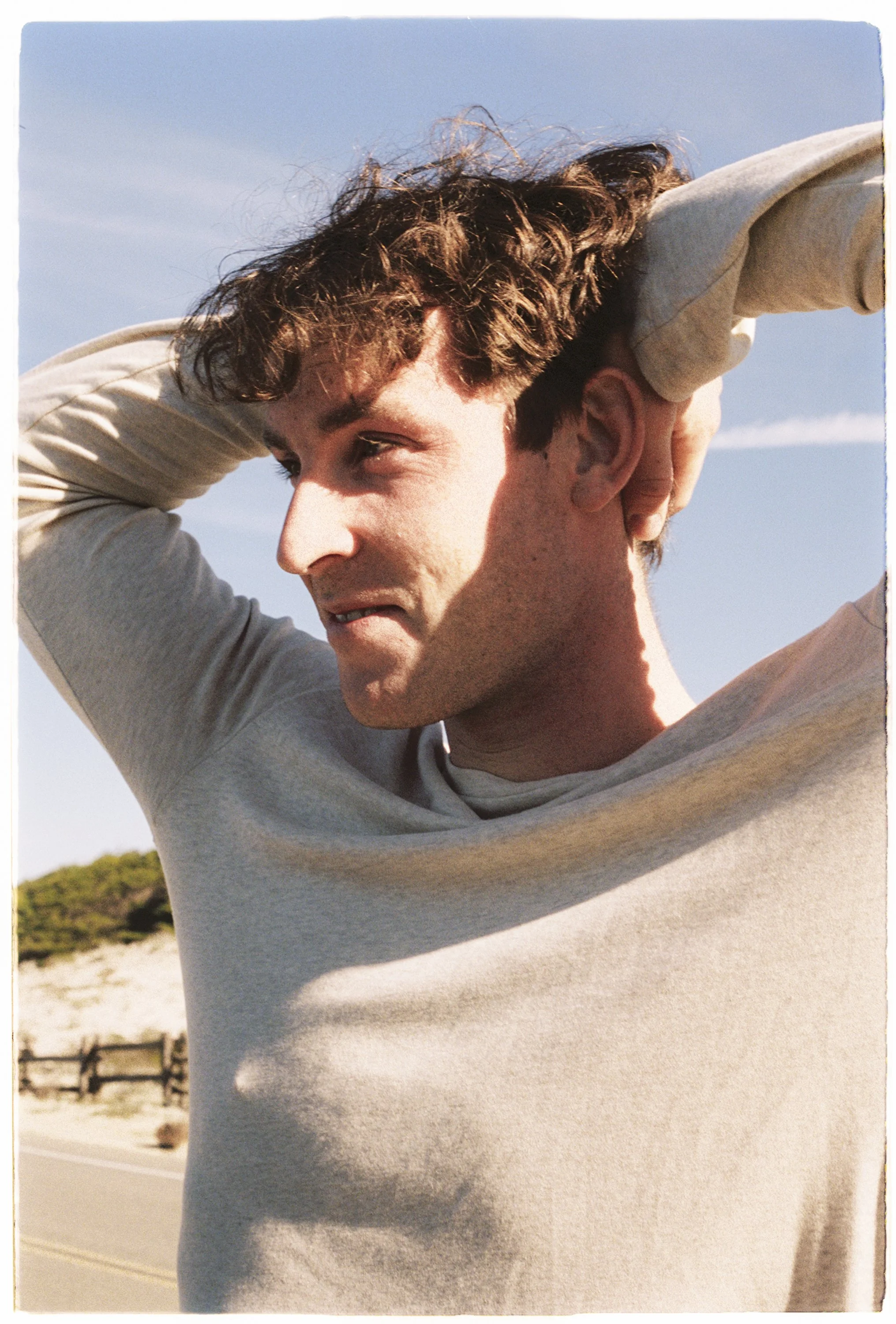
LUNA: Thank you so much for chatting with me, and congrats on your latest song, “better than boston!” A big theme in the song is owning up to your past mistakes and learning from them. Can you tell us a bit about how the song came to be and the process of bringing it to life?
SILETTO: Yeah. I had a relationship and I think initially, it's easy to be like, “I don't like them” or be like, “They're wrong.” It's an absolute answer to be like, “I don't like them. They're bad.” But I think it takes a lot more time and healing to be like, “Okay, here are my faults. Here's where I'm wrong.” I wrote the song with my friend Jacob [Wright] in the backyard of my house in Northern California. I sang the chorus and then we started writing the verses. And then my dad actually helped us finish the chorus! He wrote the last line of the first chorus because we couldn't finish it. We were like, “You're better than a drunk callback.” What? And then he's like, “Drunk callback, tall glass, running late to your birthday.” We were like, “Oh sh*t!” And so, if you look at the song, John Siletto is on the writing credits. Shout out to my dad.
LUNA: Can you tell us about collaborating with Jacob? You've collaborated with other artists on songs such as “Carolina” and “Jacket” with Amelie Kalia. How did this collaboration process compare?
SILETTO: Me and Amelie and Jacob are all best friends. I have a musician crew in LA. It’s Jacob, Amelie, Tristan, Ruby. Those are all my homies. We all hang out and write together, which is nice. And so the process was just like any other day. I was like, “Hey, Jacob, you want to be on the song? And he was like, “F*ck yeah, dude.” And we wrote the song together.
LUNA: What is something you learned from Jacob during the process? And how will you take that experience into your future projects?
SILETTO: Jacob’s great because when I go into a song, if I don't like it within an hour, I'll scrap it and Jacob's the kind of person that'll sit with his guitar in his room for 12 hours. I'm more the person that if inspiration isn't striking, I don't want to write it, whereas Jacob will literally work on one line for a week. I wrote the chorus with him in about 15 minutes and then he wrote the verse a week later and then we wrote the second verse two weeks later and so it wasn't like we wrote the song in one sitting, which is more typical for me. I feel like the song is really cool because it doesn't feel like it was a one week session because everything is really thought out. Shout out Jacob, he’s the goat for real!
LUNA: What is something new you learned about yourself in your songwriting process while making the song?
SILETTO: Oh, man. I think that, I mean, it kind of was just coming to terms with like, “Damn, I was not the best boyfriend ever." I think that was the main thing about the song. Coming to terms with self is huge. People were commenting on the TikTok of the song, like, “Self-awareness king," or like, “Shut up, you're an asshole.” Responses were in between.
LUNA: You mentioned you lived in Boston, but you're from Northern California. I find that, as a creative myself, we’re heavily influenced by where we’ve grown up and the environments we're in. How would you describe how your environment influences your music?
SILETTO: Growing up in Northern California, my mom used to throw house concerts in my living room. That was how I got into music. Just being in my house and then having these artists come play. She had this band called Band of Heathens come play in my living room. Peter Rowan. Really great artists that would come to our house and I would just kind of jam with them. And that became a whole thing where I then started picking up the guitar. But then with this project specifically, my EP, I tried to make it sound like Big Sur, because that's my home. Every morning I go surf in Big Sur with my best friend. There are these beautiful cliffs and it's just big and expansive and I tried to mirror that with the intro track and the last track: the song “your four walls” with my friend Ruby. We have this outro to it, which kind of feels like that. And then the intro track, “hallways,” feels like it too.
LUNA: As a California girl, I can understand what you're talking about.
SILETTO: Yeah, hell yeah.
LUNA: Can you tell us about some of your early music inspirations?
SILETTO: I was obsessed with the Beatles, which is funny because my chord progressions are not nearly as interesting as their chord progressions. 1-4-5 guy, you know? But I had a book of the Beatles when I was, like, five. And I used to make my mom play “Rubber Soul,” and then I would look at the book for hours. I was obsessed with their haircuts. I was just obsessed with the Beatles. And then after that, I remember I used to go on iTunes every day and look at the top ten songs. And then eventually my sister took me to a 1975 concert when I was 15. And then I was like, “I think I'm going to start playing guitar.” So I was a little late compared to my friends.
LUNA: But you’ve been surrounded by music and art your whole life, so even though you might have started actually playing later, those early influences surely inspired you. Which artists are inspiring you right now?
SILETTO: The Japanese House is phenomenal. I think that they're so underrated. Holly Humberstone should be way bigger than she is. I think that music can be this pretentious thing where it's like “gate-kept” and people are mean and this and that, but I think that, at the end of the day, if you like music and you enjoy songs, that's all that matters. And I think that in this modern era of TikTok, everyone gets like, “Oh, I'm better than this or I'm better than that.” I know people that hate on Sombr, but Sombr has some great songs. I listen to the Bon Iver Live album. So good. “Heavenly Father” is banging. I've been spamming “Sunshine Baby" by The Japanese House. That's the best chorus melody of all time, I don't care what anyone says.
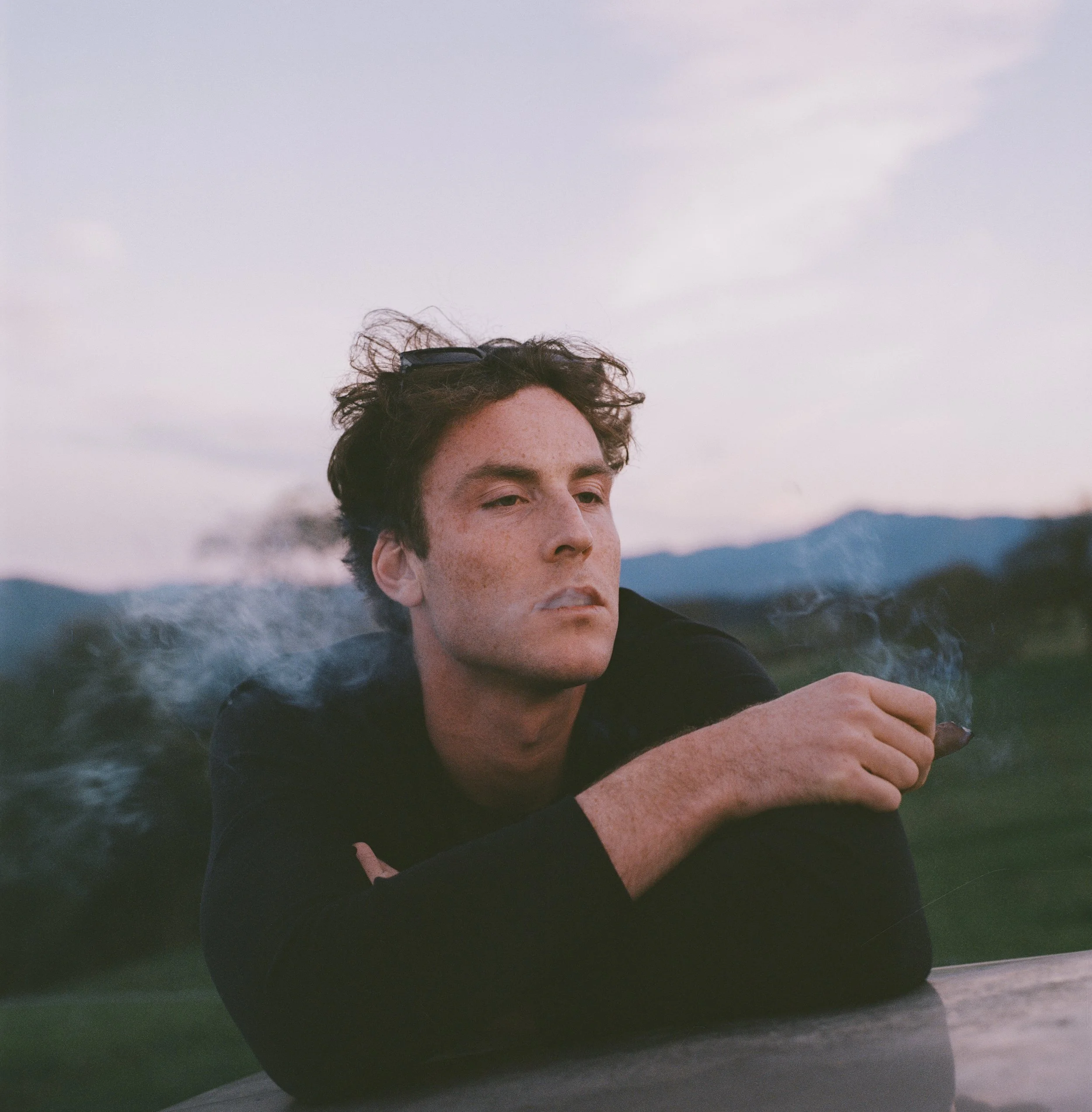
LUNA: What’s your favorite thing about being an artist? And what's your favorite part of the music making process?
SILETTO: I love just going into a room and creating something out of nothing. It's so cool. You're not taking a material and turning it into something, you're pulling something that doesn't exist out of nothing and creating something. That's insane that you can just make something that can change the world out of literally nothing.
LUNA: I would love to ask about your time in Boston. You went to Berklee College of Music. How did that experience and community help shape your sound and artistic process?
SILETTO: I would play basketball for, like, five hours a day. Never went to class on time. I never jammed with anyone. You can ask Max. He's right there. Did I ever show up to a jam?
MAX: Uh, no, you never showed up to a jam.
SILETTO: Yeah. I was playing basketball all day, every day. But I will say that studying abroad in Spain was phenomenal. The teachers there were amazing. I learned a lot there.
LUNA: Where in Spain were you studying?
SILETTO: Valéncia.
LUNA: I lived in Valéncia when I was younger!
SILETTO: No way!
LUNA: Yeah, for about four years—I love Valéncia. What did you learn about yourself as a musician while studying abroad in Valéncia? How has that experience influenced your EP?
SILETTO: Man, I loved studying abroad in Spain. I traveled around so much. I met so many random people from different countries that I’d never experienced before and a lot of them are my lifelong friends now. I met a girl that I wrote a lot of songs about, so I guess that definitely affected the EP.
LUNA: You're about to take the stage at Baby's All Right. What's your favorite part about performing your music live?
SILETTO: Honestly, if there's connection and people are listening, that is my favorite part and that is what matters for me. I got a new guitar, too, so hopefully it sounds good.
LUNA: You mentioned your EP, Counting Horses, a little bit, but what else can you tease about it?
SILETTO: There are three new songs on it that haven't come out yet. It comes out May 8. Obviously, there's a song coming out with Ruby, “your four walls,” which is really fun. It was a song we actually wrote at Berklee and then we redid it and added a really cool outro. I think this EP is cool because it's an exploration of sound for me and finding what makes me, me as an artist.
MAX: Is that what you wrote at the Christian Science Center?
SILETTO: Yes, you were there. Holy sh*t. Hold up. Wait a minute. Wait a minute. Max, this is my friend Max. I call him pretty Max because he's hella pretty. Anyways, he's an amazing bass player, but we had a class together. Me and Ruby did. And then we left and I was supposed to hang out with Max and we sat in the Christian, in Boston there's a thing called the Christian Science Center. It's a beautiful building with a whole lawn and me and Max and Ruby sat there and Ruby and I were writing a song. Two and a half years later, the song's coming out.
LUNA: That’s really cool! Very full circle. What is something you learned about yourself and your songwriting process while making and recording your EP, Counting Horses?
SILETTO: I really learned that songs can take time. I used to try and get songs done quickly, but on this record I allowed myself to slow down the process. I learned a lot about trusting my own ideas and realizing that when you truly believe in something, it shapes the song accordingly. There were definitely moments where I doubted myself, but having Jacob and Amelie join encouraged me to lean into my instincts as well as learn from how amazing they are. I also learned my dad‘s a great songwriter. Wrote “better than boston” with him and Jacob and it won’t be our last. He’s low key the goat.
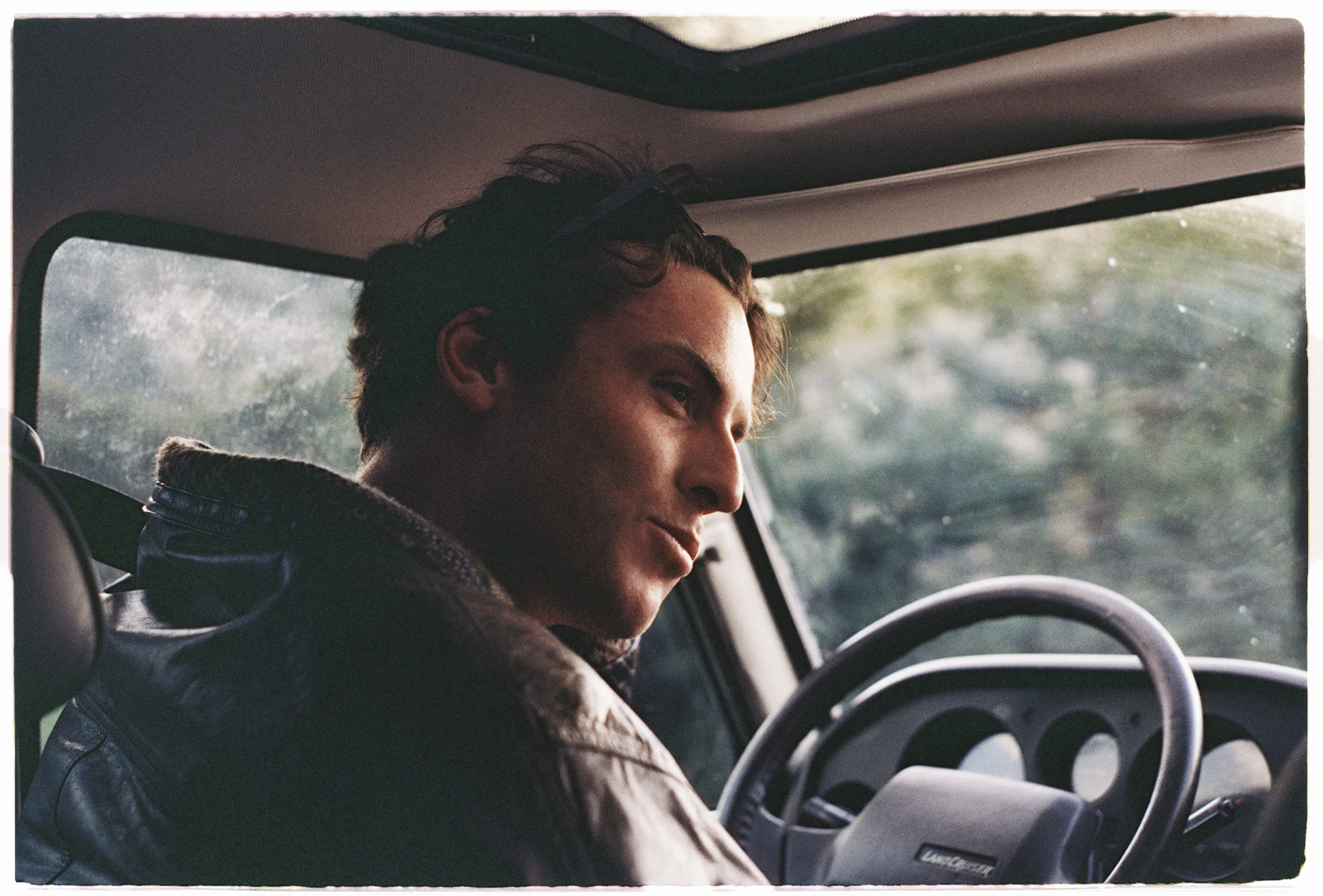
LUNA: You use a lyric from the song “I think of you the whole time” as the title: “Holes in loafers/Yard sale signs/Normal People/Countrysides/Counting Horses.” In many ways, I think this song encapsulates the themes of heartbreak and self-reflection you touch upon throughout the EP, as in the song you sing about how parts of someone linger even when they are no longer in our lives. How would you describe the EP’s title and can you discuss your artistic and emotional process while writing “I think of you the whole time?”
SILETTO: That song felt really raw to write. I was kind of just saying exactly what I was feeling in the moment, which is honestly usually when the best songs happen. I love that when you share something deeply honest and personal, people are able to connect to it and find pieces of themselves in it too.
Through writing it, I learned a lot about being truthful with myself emotionally, which wasn’t something I had really tapped into before. The song came from a trip to Dublin where I felt really alone and kept thinking about how I wished I was experiencing it with someone else. It was definitely a very vulnerable song for me to write.
The lyric “counting horses” is a nod to my younger self. My sister and I used to see who could count the most horses whenever we were driving together.
LUNA: The first track, “hallways,” ends with an explosive crescendo followed by faint sounds of ocean waves. This sound is reflected in the final track, “your four walls” as the instrumentals become more expansive. Can you discuss your inspirations behind the sonic shift in these two songs? What were some challenges you faced while balancing that with the rest of the EP?
SILETTO: I wanted the EP to feel cinematic; like you could close your eyes, picture the visuals, and it would make sense as a soundtrack to a movie. “hallways” and “your four walls” kind of act as the opening and closing scenes of that story. I think that those two songs in particular really sound like my hometown – they sound like California: epic, big expansive spaces, and I really wanted to bring people into that world with this record. Creating that feeling actually came pretty naturally because it’s the environment I know best and feel most comfortable in. The hardest song to make was probably “jesus in a baby tee.” Building that late-night bar atmosphere took a lot more work than songs like “hallways” and “your four walls,” which already feel so close to my own world.
LUNA: Counting Horses is quite self-reflective and finds you coming to terms with where you might have made mistakes in the past, but is ultimately positive in that you can acknowledge your feelings, good and bad. Can you tell us more about the process of making the EP and how this project has helped you as an artist and in your personal life?
SILETTO: On “better than boston,” I really took an introspective look at myself as an artist and as a person. It helped me process a relationship while also recognizing the ways I contributed to things going wrong. I think owning your flaws is an emotion people don’t explore enough in songwriting, and it’s really important. So many songs are written from the perspective of “I was right and they were wrong,” but I think it’s more honest to say, “I wasn’t perfect either, and here’s why.”
LUNA: What do you hope people take away from listening to your music?
SILETTO: If they can find a piece of themselves in it, that's great. I don't think my music is for everyone. I think that probably 90 percent of people that listen to my music don't like it. And that's okay. I just think that if I can connect with one or two people, that's great. And if it changes the way that they're looking at things or it helps them, I think that’s really worth it.
