
Q&A: Ella Jane on ‘Sparkwheel’ and Growing With the Music Industry
INTERVIEW
INTERVIEW
☆ BY SAGE GROVES ☆
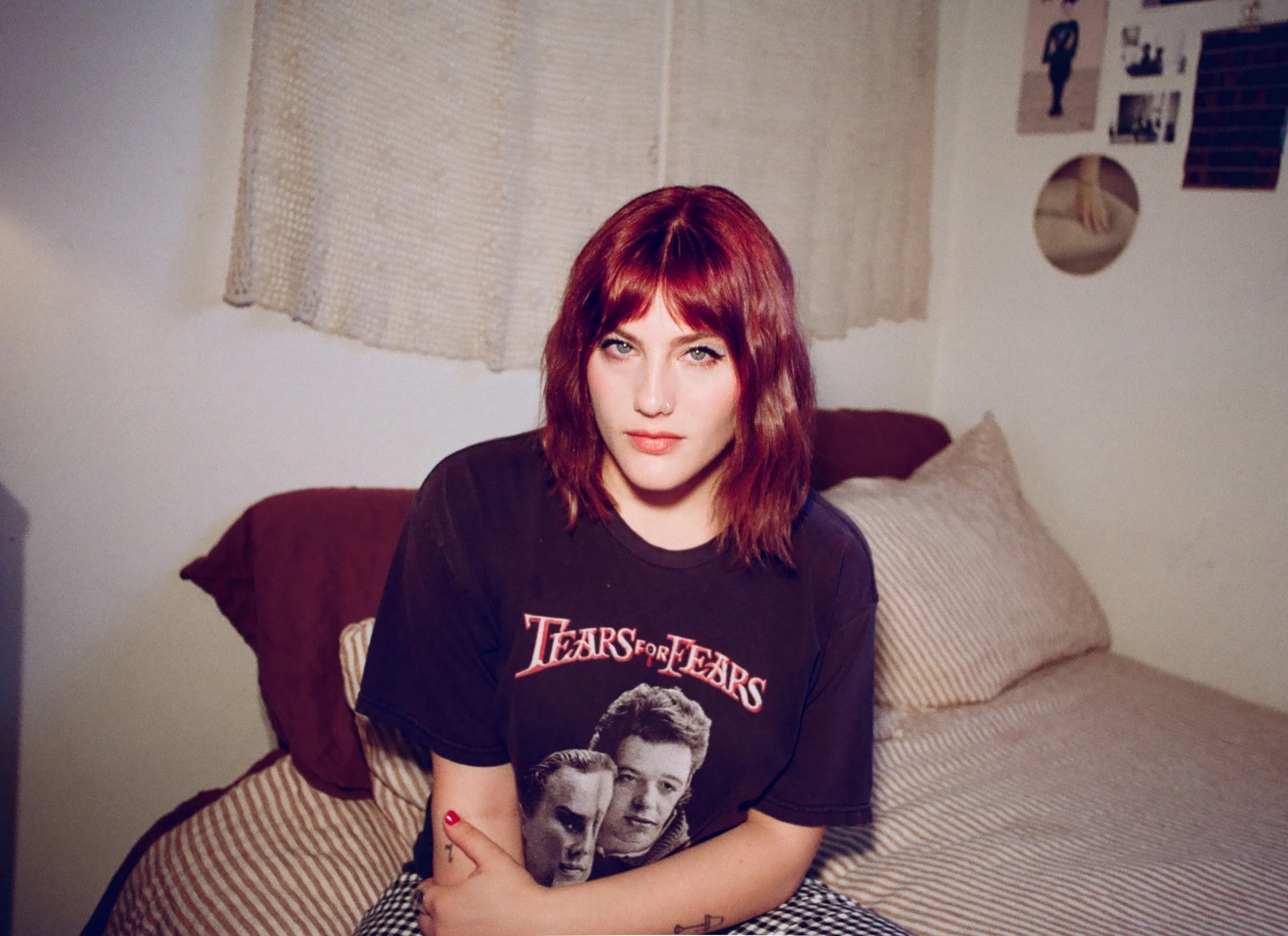
BEDROOM POP ICON OF THE COVID ERA - Ella Jane is ready for you to grow up with her. After rising to stardom in the early days of the COVID-19 pandemic, the DIY-pop artist has released her first non-single project since 2022 with her new EP Sparkwheel.
Replete with emotive lyricism and dynamic instrumentals, Sparkwheel paints a picture of growing into adulthood — and all of the love, heartbreak, and nostalgia that comes with it. This new project ushers in a new era for Jane, who is back to her roots of creating music all on her own, without a label deal or management.
Between the release of her most popular single “Nothing Else I Could Do” and now, Jane has grown from a teenager writing music in her college dorm to headlining tours and festivals. As trend cycles in both the music industry and social media spin faster and faster, Jane has struggled to keep her own momentum secure. Now a couple of months after Sparkwheel’s release, Luna sat down with Jane to discuss the project and creating indie music in the current climate of the music industry.
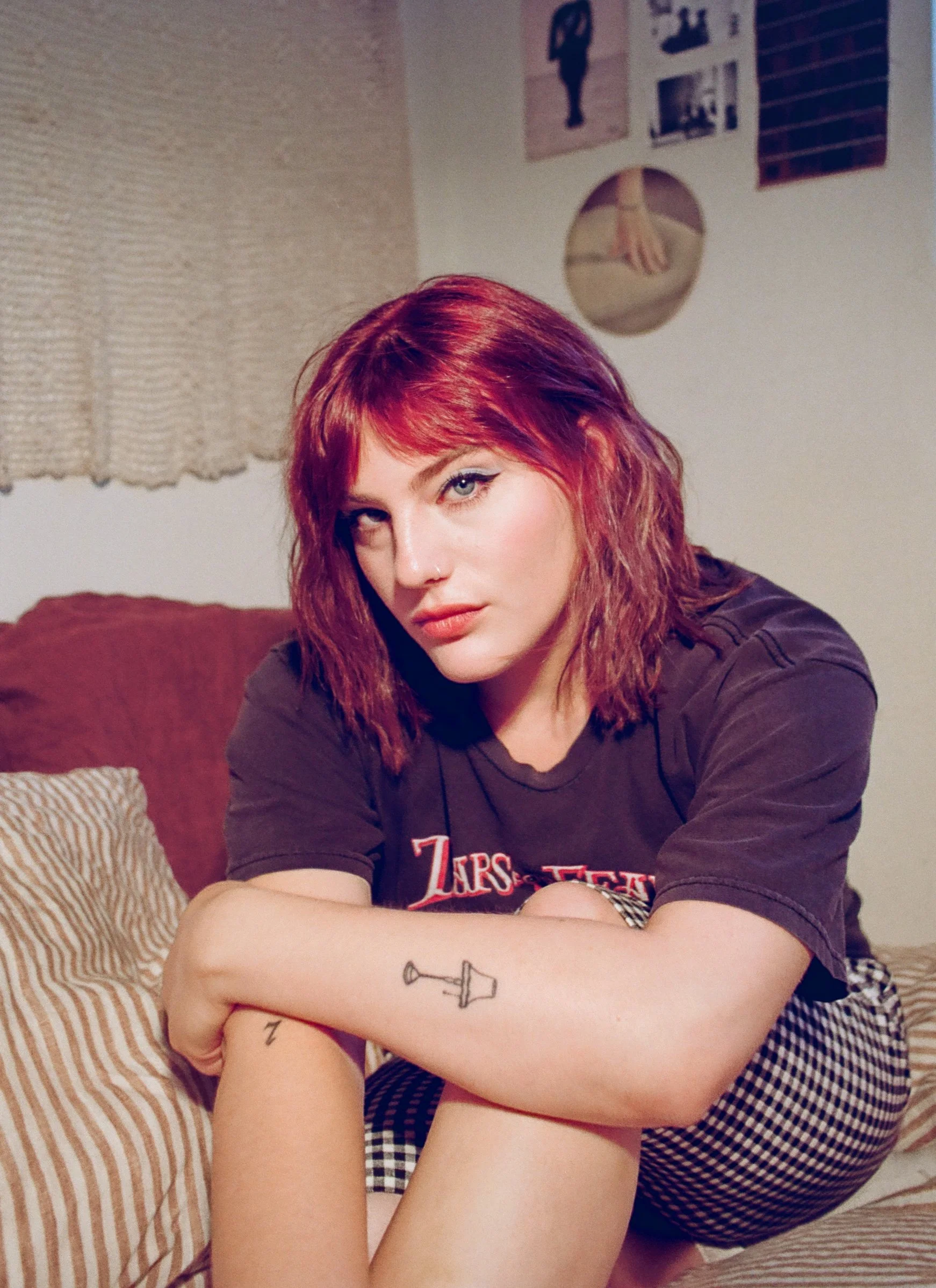
LUNA: Sparkwheel is your first non-single project since 2022. What about this moment in your life made you ready to release this project?
JANE: A couple of things, but honestly, the main reason is that it had just been so long since I had put out a full body of work. I was always waiting for the right time. I just kept teasing new music online hoping that maybe a new label would come around. Hoping that I would get the opportunities you assume you would get when you've been working in music for so long. And eventually I was just like, “okay, no one else is gonna do this for me.” And I want to get a bunch of stuff out in the world that feels more reflective of who I am now.
LUNA: Speaking of which, before the release of this EP, you fulfilled your label deal and parted with your manager. Tell me about how that adjustment impacted your career, as well as your artistry.
JANE: I think the biggest difference was I got lucky in terms of finding a team of people really young, cause I started making music when I was eighteen. Because of the timing and because of finding TikTok at its early stages, and building an audience there, I was really lucky that I found a label deal and manager quickly. And while that was very nice, I think once I found myself on my own again about two years ago, I realized just how much I still didn't know about the industry, because I had someone handling everything for me. I really had to figure out how to be self-sufficient in a way that totally threw me for a loop. I was realizing, A, just how much there is to know, and B, just how inaccessible this industry is.
LUNA: I want to circle back to this in a bit, the DIY pop aspect of your work and your relationship to the evolving music industry. Let’s give Sparkwheel her moment! Your last interview with Luna wasn’t very long ago. You discussed one of the leading singles off the EP, “We Were Just Dancing”. With the passage of time between the song coming out as a single versus now as a part of a whole project, how does listening to that song feel now? Have your feelings or perspective changed at all?
JANE: I feel really proud of it. And it's cool to put it in context. Sometimes because I think my musical influences are pretty wide-ranging, and every time I make a song, especially if it's with a different producer than I'm used to working with, I fear that the songs I write will be really disjointed or, like, not match each other. ”We Were Just Dancing” feels very organic and acoustic where some of the other songs I’d been writing didn’t. And now I feel they really flow together, even if the production is different or if different people worked on different songs, it is my writing that makes the project feel cohesive.
LUNA: There are two breakup songs on Sparkwheel. “There’s no sign of me (anywhere)” and "We were just dancing” are both piano heavy breakup songs, the distinction being the subject of the former was a platonic relationship. Tell me about the feelings behind them, and how they differ based on the subject of the breakup.
JANE: I grew up pretty lonely. I wasn't dating in high school and I was closeted to a certain degree. I think because of that, friendships really took on a huge weight. Especially friendships with other girls because I think even before I knew it, there was some homoerotic undertone that maybe I wasn’t realizing was there. Classic. So I think my feelings honestly while writing were pretty similar, if not more hurt by the friendship breakup. The biggest difference is that I initiated one of them and didn't the other.
Maybe because I'm a songwriter or a big journaler and I'm sort of a nostalgia addict, I get kind of obsessive about documenting things. I'll be in a moment and I will tell myself "You have to remember this right now." And I think that kind of personality trait can make it really hard to move on. So with both of those songs, whether I initiated the breakup or not, I think writing the song was a way to deal with that pain of being like, "There was this fixture in my life that is no longer there.”
LUNA: Speaking of nostalgia, you began making music professionally at just 18 years old. How has your music grown with you as you explore adulthood?
JANE: So much! I mean, it’s wild that I have this time capsule of that time in my life. The song that a good chunk of my listeners mostly know me from, [Nothing Else I Could Do], is the song that I wrote when I was 18. Some of the songs on my first EP were written when I was 15, 16, 17. Finally putting out a new project felt like a declaration of adulthood in a way that I haven't really been able to do.
In your early twenties, each year can feel like a decade. It’s like dog years. My life experiences, my musical influences, my skills have really evolved. I really feel like I wanna do whatever I can to push these new songs because I feel like they're so much better than the ones of mine from when I was a teenager. But, you know, there is also something really sweet about having a record of how I thought and even wrote. It's cool to listen to this music and observe how far I've come skill-wise.
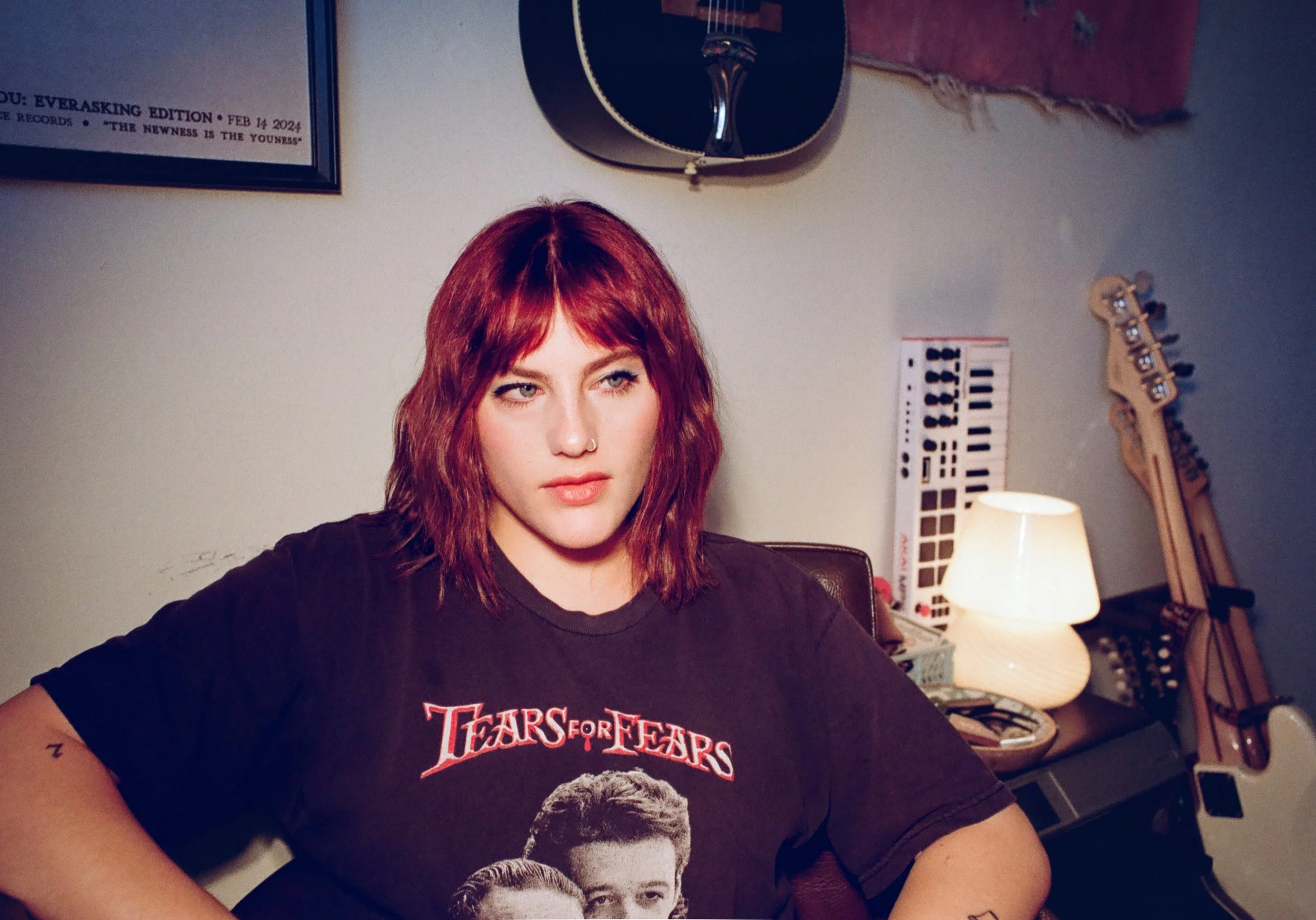
LUNA: Your music career took off fairly fast as a teenager. How did that virality affect your relationship to your career and self view then, and how is it affecting you now?
JANE: I think it’s an issue of high highs and low lows. Growing up, it never occurred to me that I could be a songwriter or produce my own music. I just thought I was destined to be miserably dreaming about pursuing a career in music and having no way to get there. But all of a sudden this entire pathway opened up and people were like, "You're good at this."
“Nothing Else I Could Do” was showing up in streams and in playlist adds. I was getting millions of views and likes. It was proof to me at the time, the way the algorithms work, that you could put in X amount of hours and get Y engagement. I was pushing aside college assignments in favor of spending hours editing TikToks, but that was because I knew if I spent hours filming and editing this thing, it's gonna do well. And that was the case for a couple years. I always thought "I can lean on my audience.” I know I have built up this platform of people who really believe in me. They're gonna buy tickets to my shows and stream my music.
My entire creative career is so inextricable from me — my brand, my personality, my face, my body. That's what I'm marketing. So when it doesn't do well, I'm just immediately like, "It's because of me. It's because I'm not thin enough or pretty enough or my music isn't cool enough." I even have a big insecurity that people associate me with being the little “TikTok pop girl."
I think the only thing that is giving me hope right now is that all of my friends who I consider to be wildly talented and more deserving than a lot of people who actually are succeeding right now, they're all struggling too.
LUNA: “The City” and “Nothing Else I Could Do” have been described as timeless songs.
JANE: Really?
LUNA: Yes! In a couple of the articles I read in preparation for this interview, those two songs came up as, and I quote, “timeless.”
JANE: Wow that’s so interesting.
LUNA: You wrote and released them amidst the early days of the COVID 19 pandemic. Do you think that releasing the song during that specific time had any impact on its virality?
JANE:Yes. 100%. I was on Tiktok really early on. I mostly did it because I was like, "No one knows about this app. I'm just gonna, like, put myself out there, and no one from high school will find out. My parents won't find out. I'm just gonna do my thing."
I think we were at a time where there hadn't been many artists talking about their process or showing you what they do at home with a limited budget. The landscape of how music was promoted is so drastically different than it was even that long ago. And I think I was fortunate to tap into that wave early and kind of establish that "Not only am I putting out this song, but I made this in my bedroom as a teenager."
We're all stuck in our little bedrooms. We're all bored. And I think it's not a coincidence that in 2020 the video of mine that blew up, my biggest song to this day, is the song that I wrote for my high school English project. I think people on TikTok felt like they were discovering a normal person who was making music that they liked.
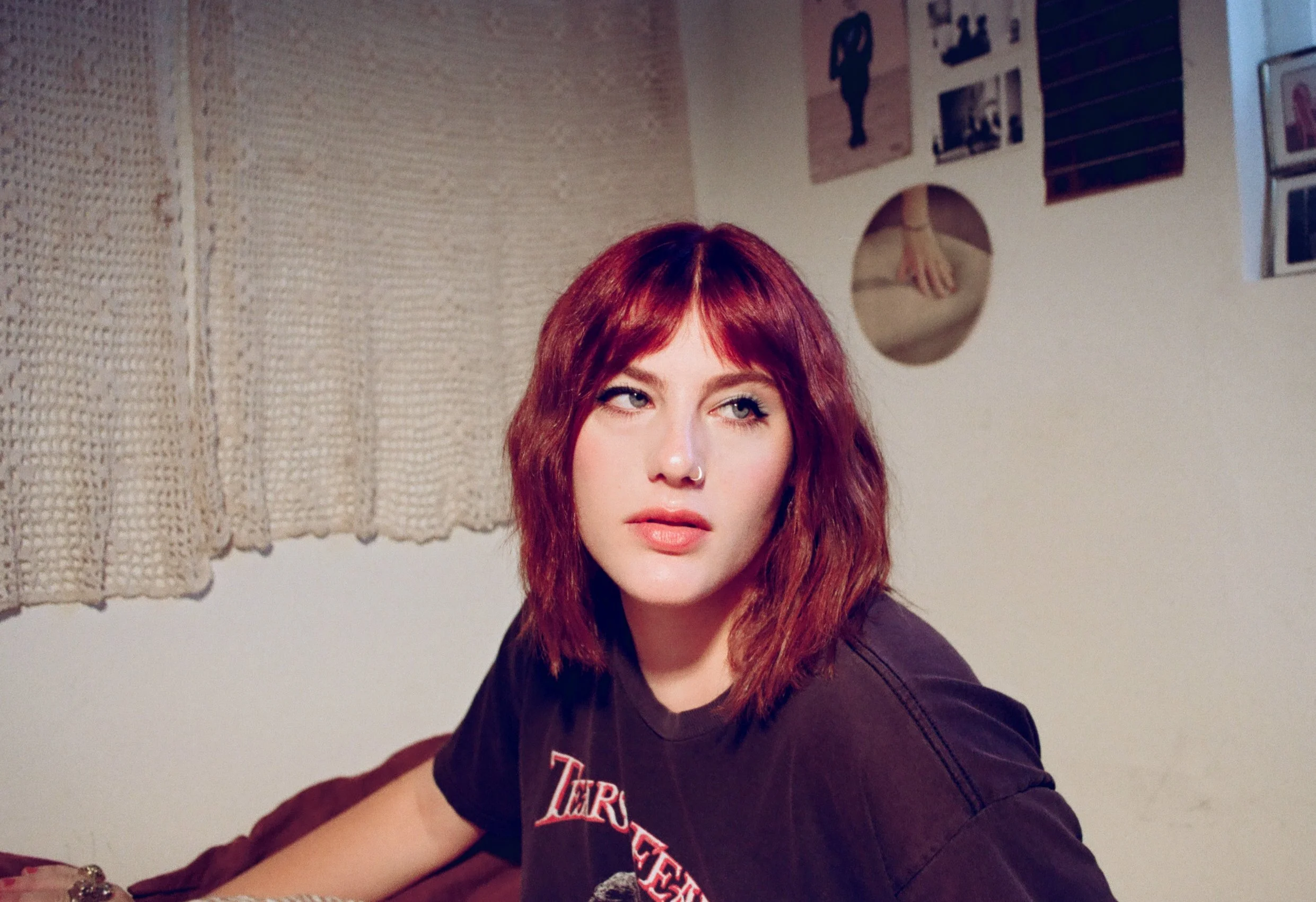
LUNA: Totally. Some of the biggest changes in the music industry have been reliant on timing. That being said, I would consider you one of the trailblazers of DIY Pop. Circling back to Sparkwheel, the track “Guard Dog” is your first song to be featured on Spotify's “New Music Friday” playlist since your debut EP. Does this resurgence of industry attention come with any complex feelings?
JANE: Honestly, I'm just hyped. I mean, there are complex feelings there because I'm afraid it feels like an anomaly, or out of step with the reality of my career right now. On one hand, I think playlists mean a lot less than what they used to — they do a lot less for your career now than they probably could have. When I lost a lot of industry support, I really wasn't getting playlisted at all. So I think there's fear of that [industry support] disappearing. As far as playlists go, “New Music Friday” is one of the most followed playlists on the app. Like two million followers or something like that. So these are numbers, because of how hard the TikTok and Instagram algorithm have been, that give me access to an audience that I've been trying to reach or recapture for a really long time now. So that feels exciting.
LUNA: We’ve been circling around this theme of post-virality and the emotional highs and lows of the current state of the industry for an indie artist such as yourself. Did any of these feelings inform the process of creating Sparkwheel?
JANE: Not in any of the content, but definitely in the process. My self-esteem took a huge dip. With my songs being so personal, if a song that I poured so much heart into doesn't reach anyone, it feels like a bigger hit than just if I had put out a club song and it flopped. I would still be incredibly proud of [whatever I made], but these songs are like pieces of me, and every time I put them out into the world, I lose them. And the wonderful thing about having an audience is that it's nice to give that away to someone, like there's a catharsis. But what was happening was I was coming home from babysitting and thinking, "Great, I put out another song that I've poured so much time and so much money into — time and money I don't have — and no one's hearing it. What does this mean about me?" And each time I would reach the conclusion that I am like maybe just not cut out for this.
I also think it really began to impact my creative process when I was writing. I would think "Okay, well what types of songs are doing well right now by what type of artist? And like why are people so obsessed with this person and not me?" So the amount of time that I was taking to sit down and just create drastically decreased. I was just like, "I don't have the self-esteem, I don't have the energy to put faith in. Maybe I'll just fuck around on the piano today." It felt a lot more life and death than that.
LUNA: You've mentioned in prior interviews that your goal is to not fit into a specific genre box. Do you still feel like that's true?
JANE: Yeah.
LUNA: Do you think that helps or hurts your long-term listenership?
JANE: I think something positive that Tiktok has done to people's music taste, and the way they discover music, is made genre completely arbitrary. When you listen to the main Pop stations on the radio, they are all playing songs that were big on the internet first. And that can be that CMAT song, and then a K-pop song. And all of these songs sound insanely different, and have nothing to do with genre. Pop doesn't mean what it has meant for the past twenty or so years, which is more commercial music. Because anything can be commercial now. I just feel like there's so many examples of weird wild cards that have blown up or even songs from the '90s that have gotten a resurgence because of a viral sound or edit.
Radio used to be something that dictated people's taste, and the radio was also very informed by the interests of labels because they were paying for radio play. And now it's more democratic. Labels have so much less of an influence than they used to, and so people are finding music organically, and then that dictates the culture. That dictates what music gets radio play.
People don't wanna hear stuff that sounds super different necessarily, but I think [my listeners] sense that it comes from me. Everyone's music tastes are so wide-ranging because of access, because of streaming, and because of the internet. I think what is expected of a certain artist is different than what it used to be.
LUNA: I would also say that your lyricism is so consistently skillful throughout all of your songs that no matter what “genre” we’re listening to, we know when we’re listening to an Ella Jane song.
JANE: And that’s what matters the most to me.
