
Q&A: Why Hayden Everett Believes the Rain Has to Come First
INTERVIEW
INTERVIEW
☆ BY SHEVON GREENE ☆
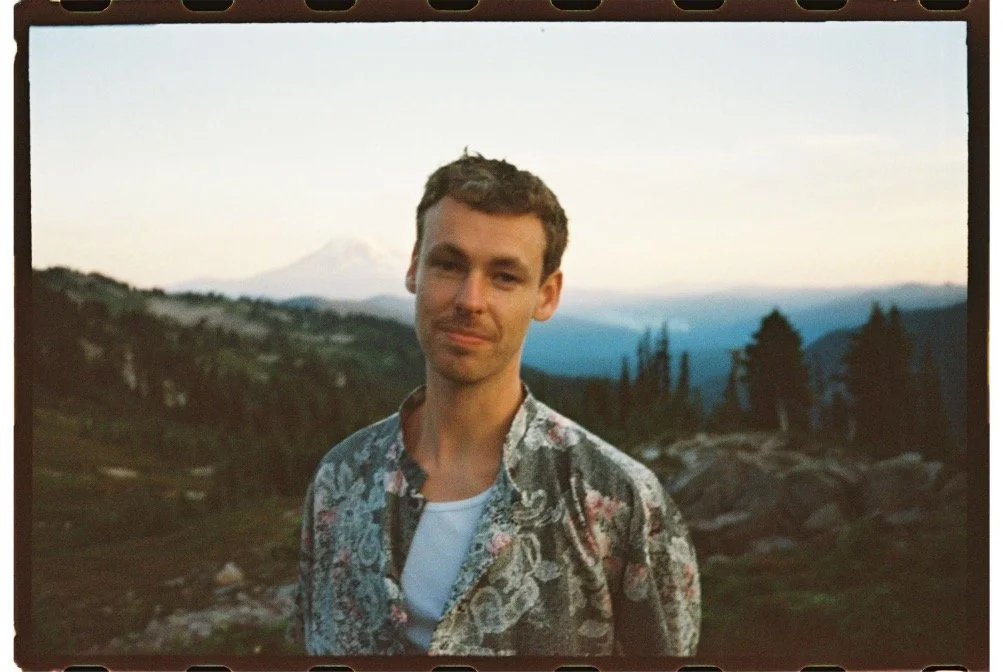
SOME SONGS SOUND LIKE SUNSHINE UNTIL YOU SIT WITH THEM LONG ENOUGH—Hayden Everett’s “Angela” does exactly that, combining bright and anthemic melodies with a quiet honesty about exhaustion, contradiction and the cost of chasing constant light.
Released as the first glimpse into his upcoming debut album So The Sun Can Pour (out April 17), “Angela” is both satire and a sincere love letter to Los Angeles. The song is about Everett’s love-hate relationship with the city. Written from a place of distance rather than devotion, it’s inspired by creative burnout, ambition, and self-reflection.
So The Sun Can Pour speaks to a guiding idea throughout the record: joy only exists because sorrow comes first. During our conversation, Everett reflected on the necessity of rain (literal and emotional) as something that gives warmth and happiness their weight. Rather than resisting discomfort, the album leans into it, allowing sadness, stillness, and uncertainty to exist next to hope.
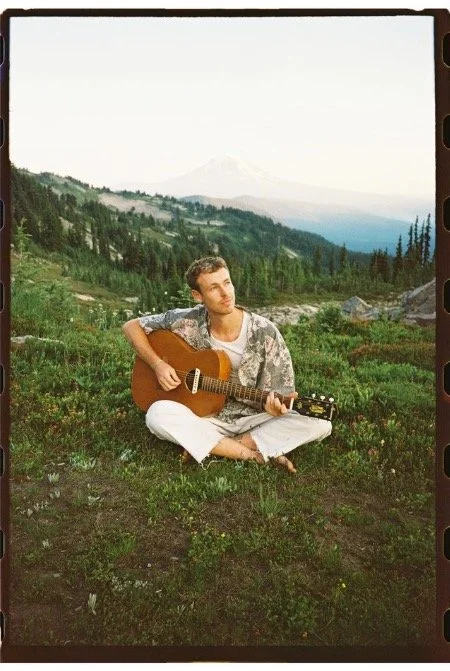
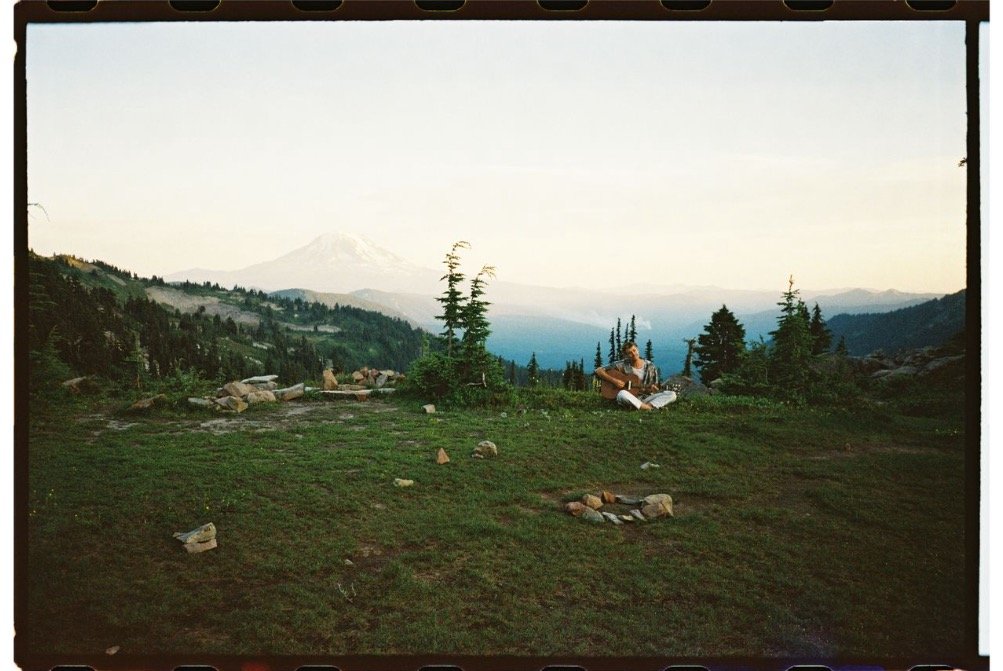
Much of the album was written during long moments of solitude, including solo backpacking trips through Glacier National Park. Those quiet environments became spaces for presence rather than productivity, allowing songs to arrive slowly and honestly. The album is grounded in folk storytelling, but is also shaped by Everett’s jazz background. It favors space, listening and imperfection over urgency.
Following a standout year with his Friends & Family EP, Everett steps into 2026 with a patient and intentional debut album. We sat down with Everett to talk about writing “Angela,” the meaning behind So The Sun Can Pour, and learning why letting it rain can be its own form of clarity. Keep reading for more.
LUNA: “Angela” feels like both a satire and a love letter to Los Angeles. When you started writing it, did you know you were holding both of those emotions at once, or did that reveal itself over time?
EVERETT: I think love and care for a place are required in order to critique it. I don’t think I would write such a pointed song about a city unless I had some affection for it or had spent a lot of time there, both of which are true for me. I do have a lot of love for LA, and I think that’s why I come at it with some heat. I’ve seen glimpses of how beautiful music communities can be when they’re healthy, thriving, and curious instead of competitive.
A lot of the satirical critique came from exhaustion from living there. Once I moved out and realized how depleting it had been for me personally, I was able to look back and see how depleted I really was; that’s when I wrote the song. I actually wrote it from a place of removal. Now, my relationship with LA as a visitor is pretty good. I get to see friends, make music, and experience my favorite parts of the city without living there.
The song was born out of frustration and exhaustion, but I wrote it because I care about the place. What’s been surprising is that the people who resonate with it most are people who live in LA. I always feel a little shy playing it there, but people come up to me and thank me for saying those things. They love the city and want it to be better, and that’s been really meaningful.
LUNA: That’s so real; sometimes you have to step away to really see it clearly. When you look back at your time in LA now, what’s one thing the city taught you about yourself that you didn’t expect?
EVERETT: That’s a great question. I think it clarified what I need as a human being. I learned that I need trees, green space and seasons. I’ve always chased perpetual sun—literally and metaphorically. I’ve spent a lot of my life pushing away sadness and hard emotions, pretending everything’s okay.
LA embodies that avoidance for me. There’s this culture of constant improvement and escape, like where you are is never enough. That avoidance of rain is a central theme of the album. I realized I actually need rain and cold. I need things to die and come back to life. The difficult things give joy its vibrance. Now I’m in Seattle, it’s raining behind me, and it’s keeping everything green. Many days feel better because of it.
LUNA: I really relate to that. You’ve said “let it rain so the sun can pour” became a guiding idea for the record. How did that phrase start to mean something bigger for you?
EVERETT: A lot of the thematic cohesion unfolded serendipitously. This album was written over about three years, and these ideas were just growing in me. That line actually came before “Angela”—it’s in the intro track. It felt like a line that dropped into my lap rather than something I forced. Later, I realized how it framed everything else. The album documents my growth without me trying to make it cohesive. It’s beautiful to look back and see that.
That line came while I was backpacking in Glacier National Park. I was hiking for days, waking up at sunrise and walking all day. It took me a long time to write those six lines. The idea that we need one thing to have the other—sadness and joy, rain and sun—felt profound to me. When that line arrived, it felt like a summary of songs that hadn’t even been written yet.
LUNA: I love that. You mentioned solitude and backpacking; what does solitude unlock for you creatively that other environments don’t?
EVERETT: Solitude is essential for me, not just as a songwriter but as a human. When you’re alone with no distractions for days, there’s no escaping what’s inside you. We’re so good at covering things up in daily life.
Walking is especially important for me. There’s something about movement that helps thoughts flow. Eventually, you move past surface thoughts and just exist; walking, breathing, being alive. That’s often when deeper things arrive. That’s where many of these songs came from.
LUNA: That image of remembering specific places where lyrics arrived is so powerful.
EVERETT: It really is. Each song has vivid memories attached to specific trails and moments. I didn’t even realize how clear those memories were until you asked.
LUNA: I know you come from a jazz background. How does improvisation and structure show up in your folk songwriting?
EVERETT: I love the sonic hodgepodge of this album. I started piano at four and studied jazz piano in college. Many collaborators on this album came from that jazz background. Folk feels like the best canvas for my lyricism, but I wanted this to feel like a folk album played by jazz musicians.
The listening, space, imperfections and freedom to explore—even to miss—are very jazz to me. That conversational way of playing is deeply present in how we approached these songs.
LUNA: As this is your debut album, did that label carry pressure, or did it feel like a continuation of your work?
EVERETT: Both. Releasing a full-length album always felt like a big arrival point. But I didn’t realize I was making one until I looked at the songs I’d been saving over years. Once I saw it forming, the pressure turned into excitement.
Recording brought its own pressure—figuring out how to honor the songs—but we captured exactly what I hoped for.
LUNA: With the album rooted in tension, movement and reflection, what do you hope listeners feel after spending time with it?
EVERETT: I hope it holds the full spectrum: joy, sadness, hope, loss. But ultimately, I hope listeners feel peace and gratitude. Being alive is strange and hard, but also such a gift.
That peace isn’t about inaction. It should inspire love, protection, and standing up for each other. Gratitude for life should move us to act.
