
Q&A: Ian Cobiella Just Wants People to Dance
INTERVIEW
INTERVIEW
☆ BY FAITH LUEVANOS ☆
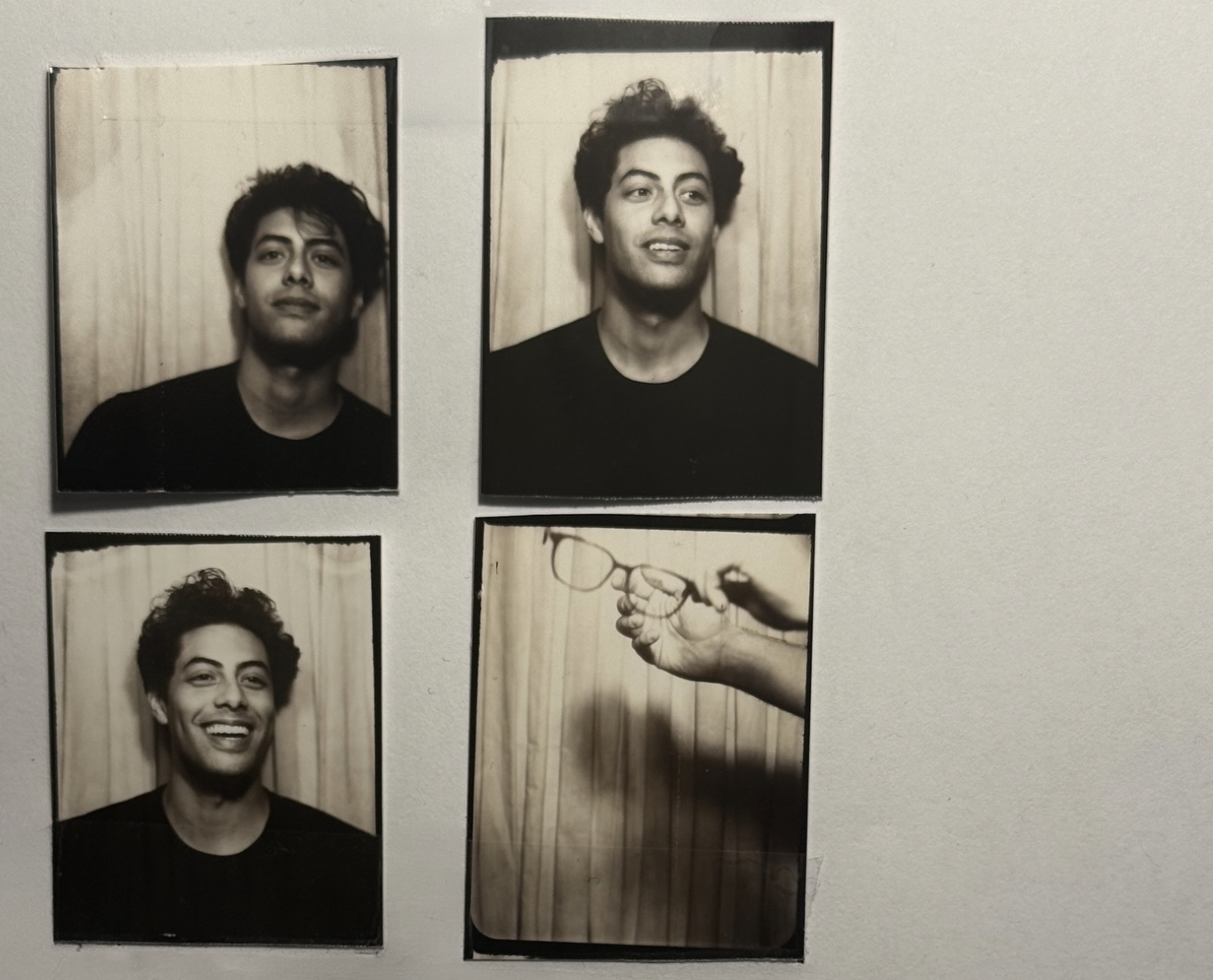
LA-BASED ARTIST IAN COBIELLA RETURNS TO HIS ROOTS—in new single, “Have I Been Good To You.” The Cuban-Bolivian artist created the song from deep nostalgic pockets, from the music he grew up surrounded by to backstage details he observed at his recitals. The single jumps into the spotlight for Cobiella. It’s a drastic difference in sound and energy in comparison to his previous releases, one that he plans on chasing for the foreseeable future.
“Have I Been Good To You” is the perfect track for any dancing partner, both romantic and platonic. It’s a song of togetherness that genuinely makes you want to get up and dance until you no longer can. “I wanted to make a song that moves because I want people to dance. The drum groove is built on a salsa clave, a pattern from Cuban music with this constant, almost obsessive forward momentum — which felt right with the lyrics. The song is sexy and manic, and I loved getting there in the writing and recording. This song is meant to feel like a tornado,” Cobiella shared.
The Luna Collective received the opportunity to sit down and chat with Cobiella on the release of “Have I Been Good To You,” his online “news” segment, songs that make him want to dance and more. Read the full interview below.
LUNA: Your new single, “Have I Been Good To You,” came out on May 5. Congratulations on that, by the way! When did you start working on this song, and what did everything look like leading up to that?
COBIELLA: I started working on that song about two years ago. The live session that came out with it was based on the demo for that song and a bunch of other demos, and then one day I just decided I was going to release them and do minimal work, get a mix, but then my co-producer and mixer, Jackson, was like, “No, we should probably take our time,” and I just felt like, “Why?” The song was basically done in a day, but it took two years to get it all mixed and with actual drums and studio time.
LUNA: It was marinating.
COBIELLA: Yeah, it was like kimchi.
LUNA: Now that the song is out after two years in the making, do you feel a weight lifted off? Or does it feel like there’s more to be done?
COBIELLA: No, I think the marketing starts now and the push of the independent artist begins. I actually am starting to like it now, though.
LUNA: Honestly, it seems like you’ve been having a lot of fun with it, which leads me to CNN, or “Cobiella News Network,” which is a fun internet segment where you interview your friends. Was this created to promote the upcoming EP, or will this be an ongoing project?
COBIELLA: If I have a budget, it’ll be ongoing (laughs). Each interview is about 20 minutes, but I’ve trimmed them down to post clips from each one of them. I want to keep releasing it. I really love this comedian, Norm Macdonald, and I love Weekend Update, and this is very much that. It’s just fun; there’s no thought behind it.
I really wanted it to feel very Nathan Fielder, kind of something that’s genuinely a waste of people’s time, because they’re already wasting their time anyway, just doom scrolling, so why not waste another minute and a half?
LUNA: Who’s someone you absolutely need to have on the show
COBIELLA: Obama.
LUNA: Your intention with “Have I Been Good To You” is to get people to dance. Obviously, there’s a lot of movement that happens within the live session as well, so what are some songs that make you want to dance?
COBIELLA: “Aguanile” by Willie Colón and Héctor Lavoe, which is a beautiful salsa song. A lot of Latin music has that effect on me. Growing up, it’s mainly been salsa that has my uncoordinated bones moving around. Also, “I Wanna Be Your Lover” by Prince is the dance song when I’m in the mood for dancing.
I’m allowed by the state once a year to do this it feels like, but I’ll get out of the shower, and then I’m just like, “I’m gonna dance in my room,” and then I do that once. If I do it twice, it’s too much. Also, the only place I’ll really dance at is this Latin club, because I can’t really move to The Black Eyed Peas the way I want to (laughs). I feel like I just see a bunch of people jumping up and down like it's Wii bowling.
LUNA: Speaking of your upbringing, this song references your childhood and the music that surrounded you, implementing Cuban musical patterns as well. I’d love to dive deeper into that.
COBIELLA: The song itself is just a disco backbeat, but then I really added this percussive element that makes a certain sound, and it has this clave, which is the backbeat of salsa, and it just felt right to do that. I was just like, “If I want to dance, this would be something that I would dance to.” I really want to make a song in Spanish that my grandma understands, but I don’t think I’m there yet. My dad has asked before, like, “What does that song mean?” and I’m like, “I can translate it for you, but it’s not the same, so I’ll just make a song that feels like what you guys know.”
LUNA: This song sounds very different from your previous releases. Are you planning on following this sound, or will it be one of a kind in your discography?
COBIELLA: I really want to follow this, it’s just fun. I think a song like “Trial By Fire” was needed, but I don’t know what happened between then and now. I like this more, and it just feels more natural. I think when I wrote “Trial By Fire,” I was 21 or 22, and you’re depressed at that age. Now, people have been noticing that I sound happier.
LUNA: I thought the laughter at the end of the track was super sweet. It feels like when you’re dancing with friends, and then you’re kind of done, but you’re all falling down and laughing together. Was that the intention?
COBIELLA: Yes. That was actually two friends of mine who did the background vocals for it, Amanda and Megan. At the beginning of the song, I’m kind of screaming, I just make this “Woo” sort of noise, and then it doesn’t happen again at the end. When we were making it, Jackson and I felt like it was missing something; we wanted something to make it feel crazier. So, while we were recording their vocals near the end of the day, we asked them to just scream and laugh into the microphone, and they were terrified (laughs). And I was like, “No, like this,” and my crazy ass walks in, and I’m doing all of it, but their laughter at me while I was doing it was what ended up getting recorded.
LUNA: Going back to the live session for a moment, the space that you filmed in was a massive warehouse, and the production design was quite simple, but felt like an entire stage for you to play with. What was the inspiration for that?
COBIELLA: I love Pinterest. I’m a Pinterest guy. I think from classical music and the recitals I’ve done, I’ve always known where I felt comfortable. I remember I would see behind the stage, all of the wires and sandbags and pulley systems, and I felt so attracted to that and thought it was really cool. I remember showing Grace a picture of this guy’s warehouse where he had a studio set up, and I knew I wanted to do something like that. Then, I remembered there’s a Cuban painter, Enrique Martinez Celaya, who has a space like that, and his paintings are absolutely beautiful. I reached out to him, and he was super kind. He was like, “That’s why I have my warehouse space. I want new artists to try it out,” and I just got really lucky with that.
