
REVIEW: MUNA Encapsulates What It Means To Be Queer on ‘Dancing On The Wall’
REVIEW
REVIEW
☆ BY IVONA HOMICIANU ☆
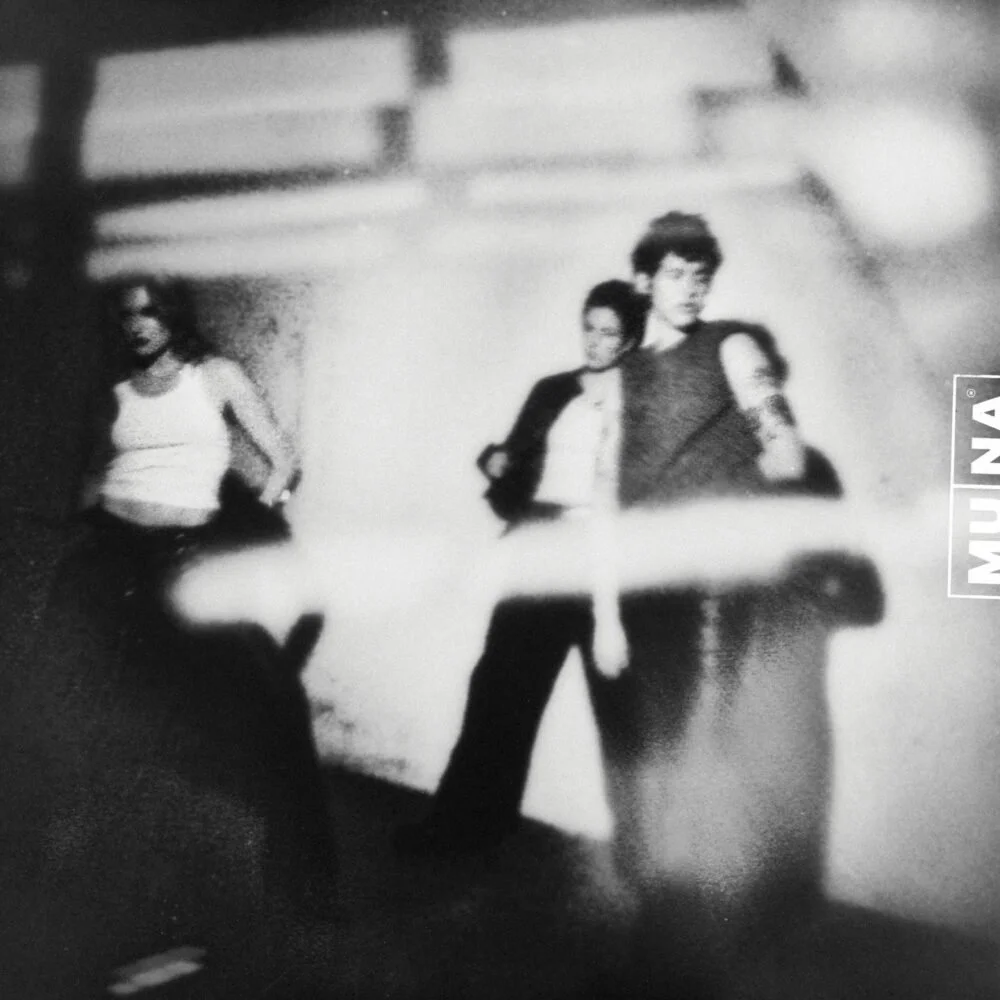
MUNA CHANNELS THEIR HOTTEST SELVES ON THEIR NEW RECORD—Dancing On The Wall feels like an accumulation of everything that defines MUNA: queerness, infatuation, heartache and dancing through the pain. With a sound that is wholeheartedly their signature, Dancing On The Wall establishes itself as a refresher on a sweltering, climate change induced summer.
MUNA is a three-piece Californian band formed of frontrunner and vocalist Katie Gavin and guitarists Josette Maskin and Naomi McPherson. The trio met in college and have been together since. They released their debut album Around U in 2017, followed by Saves The World (2019), and MUNA (2022). Their fourth album Dancing On The Wall came out this month after several single releases, namely “Dancing On The Wall,” “So What” and “Wannabeher.”
Setting the scene with “It Gets So Hot,” they bring us on a hot summer day in Los Angeles. Their vivid lyricism pairs with a captivating synth that brings a sense of belonging without even stepping foot in the city. This opening track has all the elements that foreshadow the record: the heat is almost uncomfortable. Climate change looms in the background of the track, but at the same time there’s relief found in the things that bring us joy. The songwriting highlights the queer experience through the simple act of existing: finding refuge in the queer community, dancing in a sweaty club or simply observing your girlfriend do her makeup.
With a sound that makes you want to blast the speakers in an abandoned-warehouse-turned-gay-club for the night, the dichotomy is a red thread throughout the album. MUNA embellishes the heartbreak that comes with the current state of the world along with personal woes that make everything overwhelming. Where “It Gets So Hot” leaned back on the synth before the chorus, the title track “Dancing On The Wall” embraces the dance-pop atmosphere full blast with a beat that begs to stick.
In the lyrics of “Dancing On The Wall,” they sing, “So what, I’m calling you up again” which reference two songs on the record: “On Call,” which leans into the availability given to someone who won’t return that energy. It has a sweet coating on first listen with a bubbly pop production, but when diving deeper into the lyrics, it becomes evident that what lies beneath is a desperation to be loved. “So What” follows right after, and does an almost complete turn from “On Call.” McPherson’s production shines as the synth and distorted vocals show the cognitive dissonance between the lyrics and the truth of what the narrator is feeling. Gavin’s songwriting also plays on the duality of the emotion, the desire to show everything that she has now only points at the empty space this person left.
“Eastside Girls” came out as a single at the same time as the album. As a long time listener of MUNA, this track elicited an emotional response. The love and tenderness that comes with being part of the LGBTQ+ community is so palpable. In terms of sound and energy, it’s deeply reminiscent of “I Know A Place,” one of their earlier tracks that a lot of fans discovered MUNA with. As they go on about the love they have for the place they call home, it intertwines with the love for a person. They encapsulate the interpersonal connection in a way that drives you to get up and dance while sensing a deep feeling of bliss, which culminates in the bridge. “Eastside Girls” reinforces the identity of the album through a queer approach.
Another aspect of queer identity? Not knowing if you want to be with a girl, or if you want to be her. They portray that obsessive thought process on “Wannabeher” as they describe a homoerotic friendship. The sound leans into grunge, with spoken parts enmeshing with a sung chorus to make a song that drives you to go out and make out with someone. The songwriting and production is playful and hot at the same time.
The interlude “Party’s Over,” which contains the fading yells of an audience, signals a transition into a definite seriousness. Until now, we were dancing through the tears that a sapphic heartache brings—now, we approach another part that becomes one with queerness, that being activism. “Big Stick” calls out the late stage capitalism state that we are currently living through, with a focus on American politics. Through a progressive descent into hell, they show the dangers of getting distracted from reality while those who care more about money than the wellbeing of their people govern.
“Mary Jane” dives deeper into heartbreak as it tackles the issue of addiction. Through the personification of a drug, MUNA conveys how damaging dependence on a substance can be. “Now you can swear the party's over / But that don't make you sober” calls back to the interlude and what comes after the party—while the first part of the album might distract from its serious subjects with the fast-paced synth-pop production, the lyrics take the center stage on this second half. Gavin’s vocal abilities stand out as she details the story with earnestness.
“Unless…” is another short interlude that seems to be the continuation of the previous one. We head into “Why Do I Get A Good Feeling” which sets the scene of departure from the party. The rhythm seems to be running away as Gavin sings the lyrics in a rush akin to the adrenaline that comes with feelings for someone new. While she tries to convince herself that she should turn away, she can’t help the intuition that tells her she should give this person a chance. The outro’s repeated “Don't ask why, close your eyes, close the door and feel it, feel it” speaks to the listener. For almost two minutes, there is only the synth production accompanied by vocal runs and harmonies, letting the narrative and sound of the album settle.
The closing track “Buzzkiller” begins with irregular sound patterns and a dramatic piano which accompany the last chapter of this story, as we follow the narrator after the party. They start reflecting on this blooming relationship, and how everything seems to end the same way. There’s a feeling of dread and depression that settles in, with the chorus “You think I'm so easy to love / Baby, please, you're just buzzed / I'm a buzzkiller” that, similar to the previous track, seems to talk to the listener.
We went through a series of tracks that made us dance and made us want to fight the system, but at the same time, they remind us that at the end of the day, it’s all heavy. They qualify this hopelessness that surges sometimes as a normal emotion to have in these times. “Buzzkiller” is deeply personal, and at the same time, shares an intimacy with a lot of people who might feel seen by the display of conflicting emotion. The sound dissolves at the end before ending with a quiet “I love you” followed by silence.
In the end, what MUNA tells us with this record is that living in this climate is complex. It often gets overwhelming, but there’s joy to be found within community. There’s an understanding that comes with shared identities, but beyond that there is grace in giving each other permission to feel everything. They aren’t prioritizing fun over seriousness, they are merely giving the listeners a safe space where it can co-exist and acknowledging the complexity of being alive in these times.
