Q&A: K-MIDAS on Discipline, Distortion and Finding Balance in the Noise
INTERVIEW
INTERVIEW
☆ BY SHEVON GREENE ☆
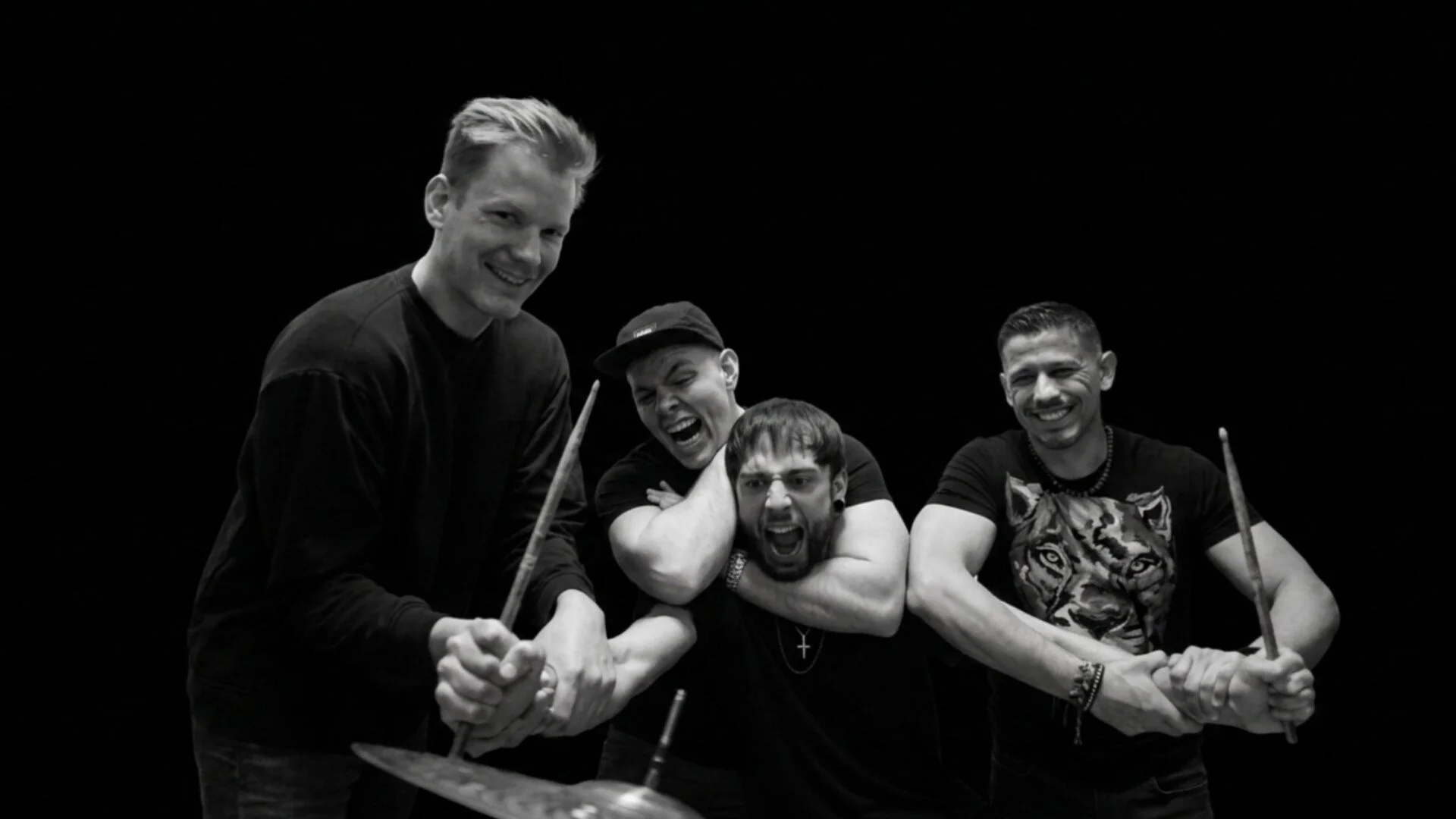
I’M MET ON A ZOOM CALL ON A WEDNESDAY EVENING—with Minneapolis-based four-piece band K-MIDAS, formerly KING//MIDAS, from their studio where they house their rehearsals. The indie rock band clearly thrives in contrast, playing with themes of grit, melody and chaos versus control.
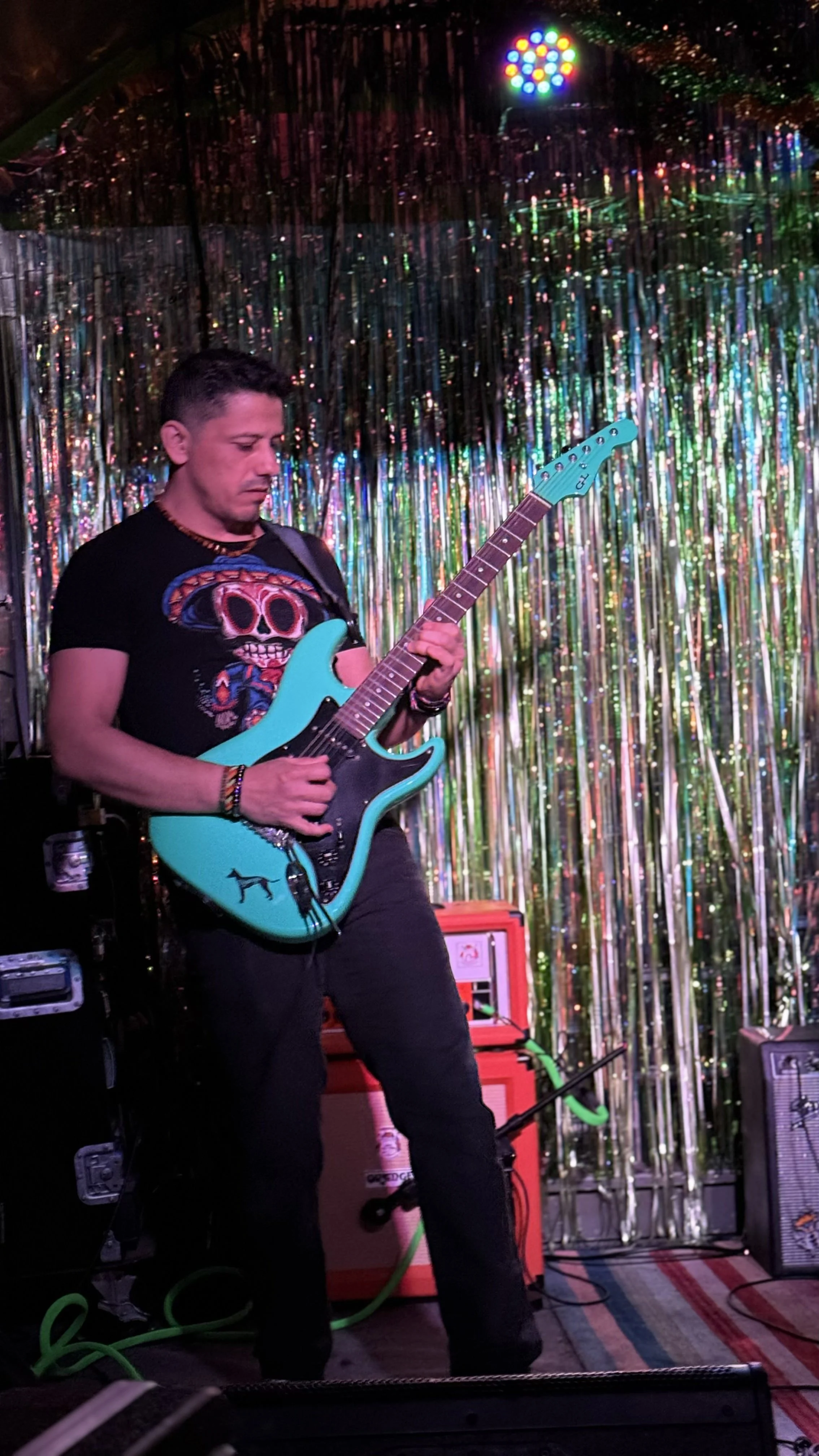
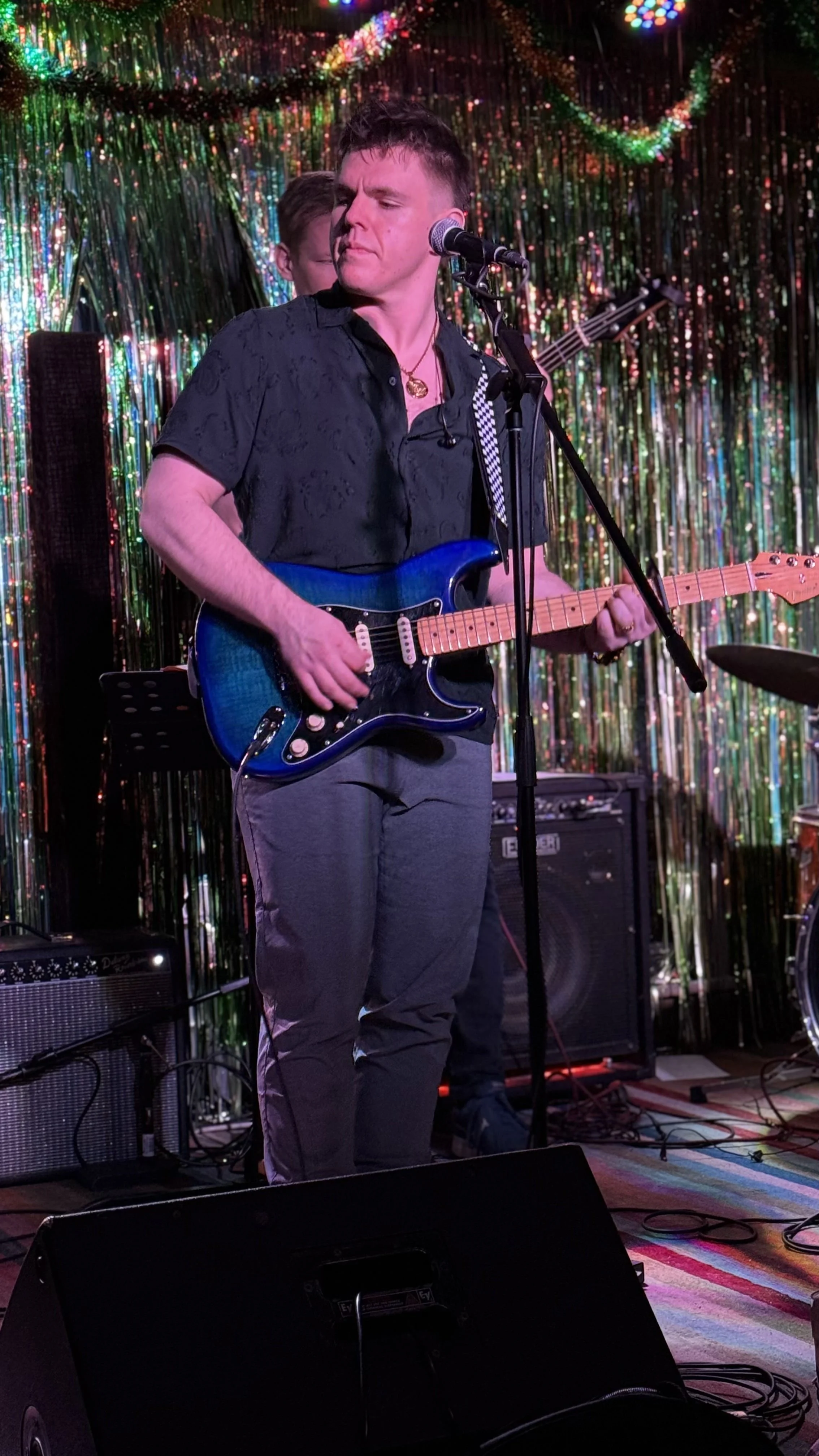
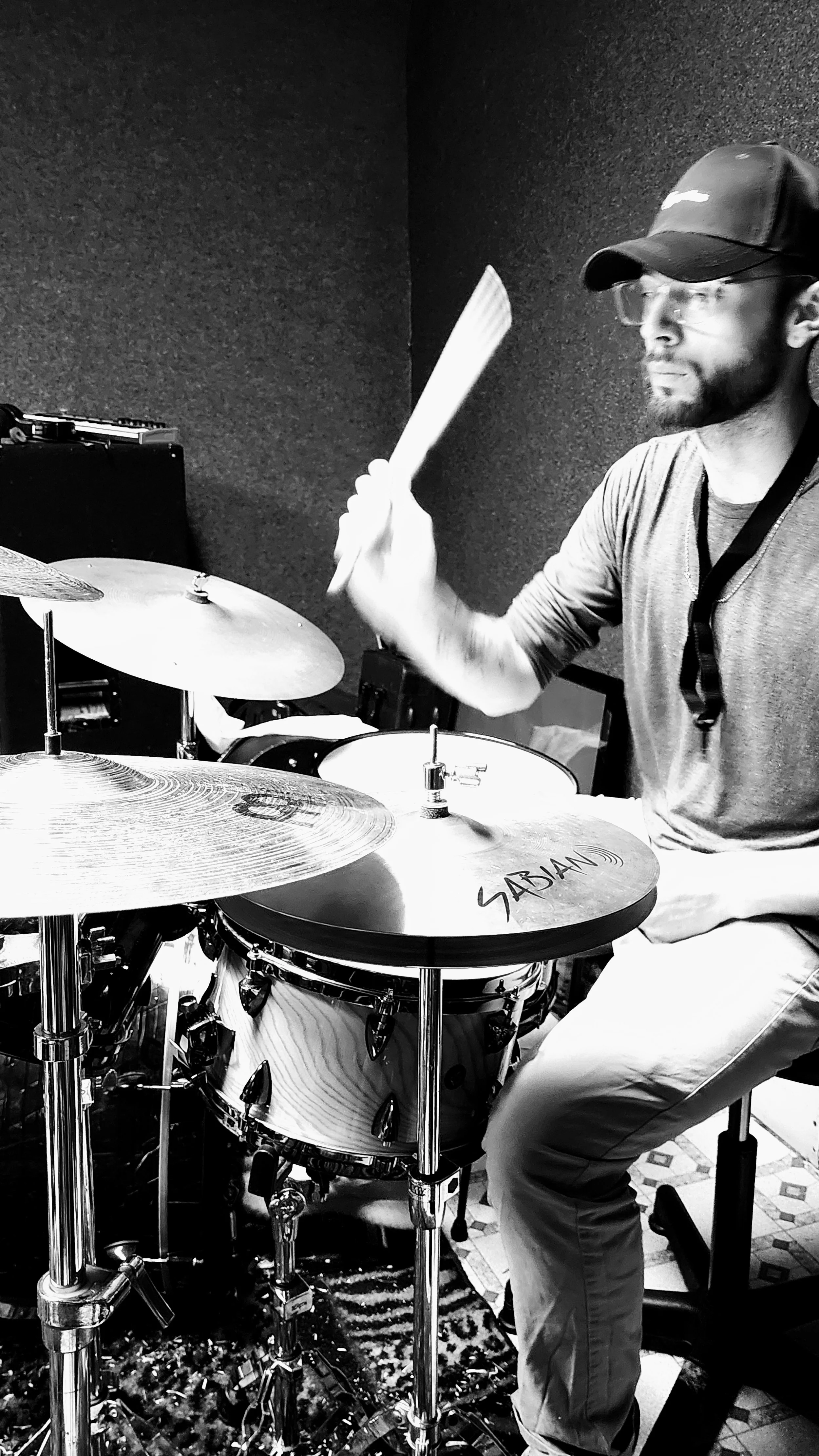
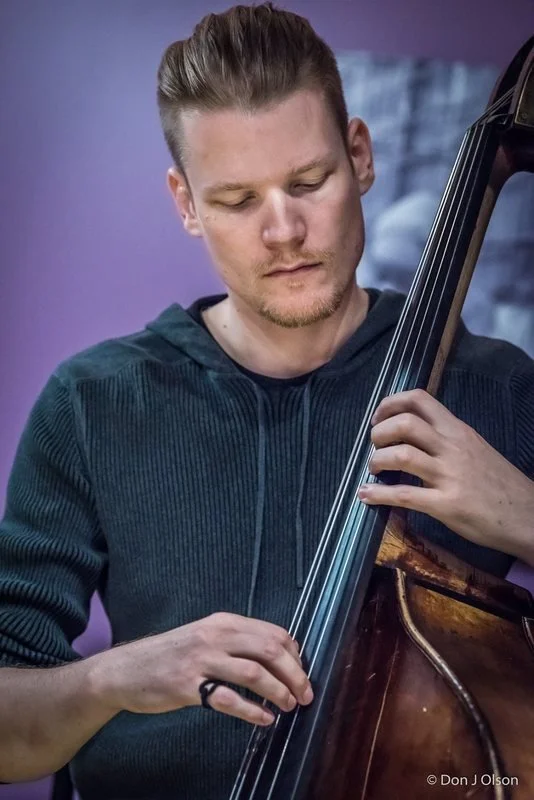
The group includes Jeremy Pierce AKA JP (vocals, rhythm guitar), Graydon Peterson (bass), whose background in jazz and composition adds another layer to the band’s sound, Jose Betanzos (guitar) and Antonio Jennie (drums). Their inspiration pulls from indie rock, punk, jazz and folk to create an intentionally unpolished yet precise work of art. Their sound feels like a purposeful combination, shaped by each member’s distinct musical background.
As they gear up for their upcoming project, Before the Rhythm Dies, out this year, the band is grounding themselves in a new era. With upcoming singles including the nostalgic “1999,” a deeply personal track called “Homeward” and the high-energy “Before the Rhythm Dies,” they’re purposefully showcasing both their versatility and emotional range.
Underneath all the distortion and energy, their music comes from a much more vulnerable place. They process addiction, mental health and the overwhelming noise of everything at once. For JP, now nearly a decade into recovery, songwriting has become both an outlet and a lifeline. He’s transformed his lived experience into something he hopes others can connect with. Even their creative process reflects that same balance: collaborative, instinct-driven and disciplined, a mindset the band has also built through their shared connection to jiu jitsu.
The Luna Collective sat down with K-MIDAS to talk about finding their sound, turning their own personal history into music and what the next era represents for the band. Keep reading for more on the stories, influences and momentum behind K-MIDAS.
LUNA: Do you mind introducing yourselves to readers who might not know who you are yet?
JP: We’re an indie rock band with J-rock and punk rock influences. I come from a folk-pop background, [Peterson’s] a jazz guy. It’s an amalgamation of everything, and it works.
JENNIE: Jeremy had been playing solo for a while. He’s been releasing music since he was young.
PIERCE: I have a song on YouTube from when I was 15 (laughs).
JENNIE: [Jeremy and I were] working at Van Meter [an electrical supply distributor] at the time. We ended up doing this relay race together—a 200-mile team race—and we got connected musically there. We didn’t even know we both did music at first.
JP: We talked every day and somehow never brought it up.
JENNIE: Jeremy also does jiu jitsu, so he met Jose and Graydon through that. Jose already had his own musical background.
BETANZOS: I’ve played [Jazz Manouche], Latin rock, things like that.
JP: From there, we started building the structure of the band. I was networking through the gym and bringing in musicians. Graydon is a really respected bassist locally. We’re just an amalgamation of genres that we try to balance.
LUNA: That’s awesome. I wanted to ask about your connection with jiu jitsu. How does that fit into the band and your music?
PETERSON: There’s a lot of overlap. Both music and jiu jitsu require discipline and practice. You don’t just do them; you have to work at them consistently. That mindset carries over.
JP: Yeah, discipline is huge. I’m still working on consistency myself.
LUNA: You’ve mentioned that your music balances grit and melody. How do you approach that when writing or producing?
JP: Jose and I are always hunting for the next tone. We try to step outside normal chord progressions and make things interesting. I don’t play the same thing as him; we want contrast. The grit comes from distortion, but also from dissonance in the chords.
BETANZOS: We use extended chords, like jazz chords, so we can’t overdo distortion. We keep it light so you can hear those details.
LUNA: That makes sense. You also mentioned that everyone contributes to songwriting. What does that collaboration look like?
BETANZOS: Sometimes Jeremy brings in something and we help build it out. Other times one of us starts with a chord progression and Jeremy adds lyrics. Then we bring it into the studio and refine it together.
JP: It’s not segmented into roles. A chord Jose plays can change the tone, which changes the lyrics, which changes the rhythm. A lot of it is improvisational. We’ll jam and ideas come out, then everyone adds their perspective.
JENNIE: At a certain point, the songs kind of rate themselves.
LUNA: That kind of chemistry is really cool to hear. Your upcoming project Before the Rhythm Dies feels like a statement title. What does it mean to you?
JP: We spent the last year finding our sound, and I feel like we found it. The song is upbeat and fun, which has been a new experience for me since most of my old songs were very sad. It represents the band continuing forward.
LUNA: That’s really powerful. You’re also releasing multiple singles towards the project. When you look at “1999,” “Homeward” and “Before the Rhythm Dies,” do they connect as a story?
JP: They’re more standalone songs. I think in terms of the “flavor” of each track. “1999” started with that nostalgic chord progression, so I leaned into that feeling. “Homeward” came out really quickly; it was almost automatic.
LUNA: Speaking of “1999,” it seems nostalgic but still modern. What drew you to that tension?
JP: We live in a time where a lot of us remember the late 90s as simpler. We weren’t on our phones all the time; we were more connected. I wanted to capture that feeling. Jose wrote the instrumental, and I took that vibe and built the topline around it.
LUNA: I love that. “Homeward” is much heavier and more personal. How did you approach writing something like that?
JP: That one just came out all at once. I was in my truck thinking about lyrics, and it just happened. It’s about a time when I was struggling [with addiction] and couldn’t go home. My parents wouldn’t let me back, which was probably the best thing for me. It’s that feeling of wanting to go home but not being able to.
LUNA: That’s something a lot of people can connect to. I also noticed a theme of feeling overwhelmed in your music. Do you see music as a way to process that or release it?
JP: I don’t know what I’d do without music. It got me through a really hard time. It’s an outlet; for addiction, mental health, everything. It lets me express things in a healthier way.
BETANZOS: For me, it’s balance. It’s my getaway drug.
LUNA: Jeremy, for you personally, how has your relationship with music changed throughout your recovery?
JP: Before, I was writing a lot of sad ballads. I actually lost my guitar at one point because I couldn’t pay someone back. I thought everything was over. But someone got it back for me, and I honestly don’t know where I’d be without that. I took a break from music for a while, got sober—nine years now—built my life back up, and then came back to it with a new perspective. Now I’m learning more, growing more, and doing it seriously again with these guys.
LUNA: That’s really powerful. I wanted to ask about one of your recent tracks, “Stereo.” There’s a line about wanting to “drown your senses out.” What mindset were you in?
JP: I wrote most of that years ago when I was struggling with alcohol, although we changed the style and made it so much better. I’d go to parties and just black out. It’s about everything feeling overwhelming and trying to escape that, even if it’s unhealthy. Just wanting everything to stop for a moment.
LUNA: What’s coming up next for you, and what are your goals for 2026?
JP: We’ve got some shows coming up, and we’re working toward playing more mid-sized venues in the Twin Cities. We also want to collaborate more and support other local bands. Our EP release party is at the Amsterdam Bar and Hall on June 26, 2026.
BETANZOS: And we’re planning to release a full album this year, if all goes as planned.
LUNA: That’s exciting. Is there anything else you want readers to know?
JP: I just hope people take away a sense of hope from our music. Even if the lyrics can get dark at times, the goal is connection—to make people feel like they’re not alone and that their voice matters.