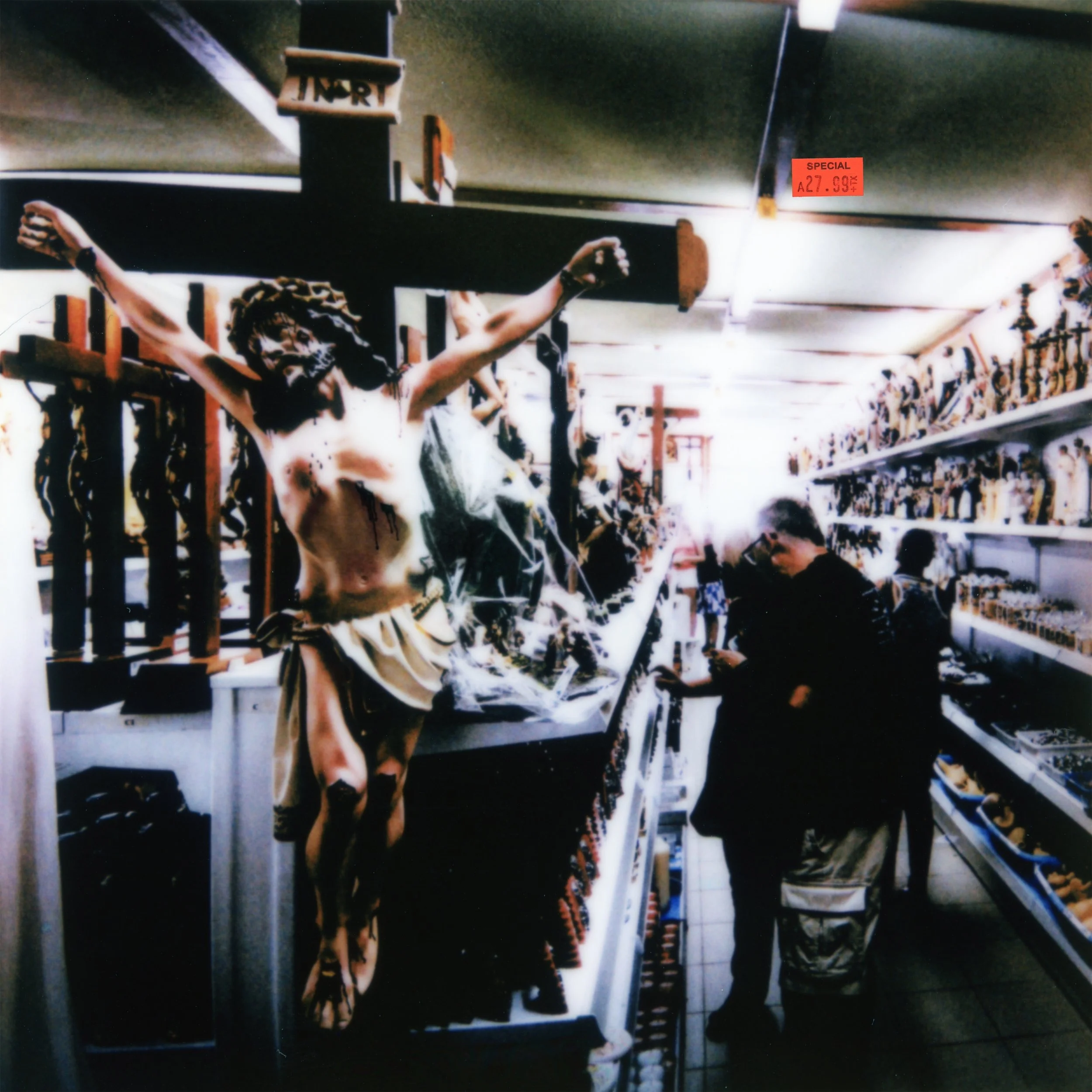
Q&A: Koko Love on Debut Album ‘The Cost of Freedom’
INTERVIEW
INTERVIEW
☆ BY NICO CHODOR ☆
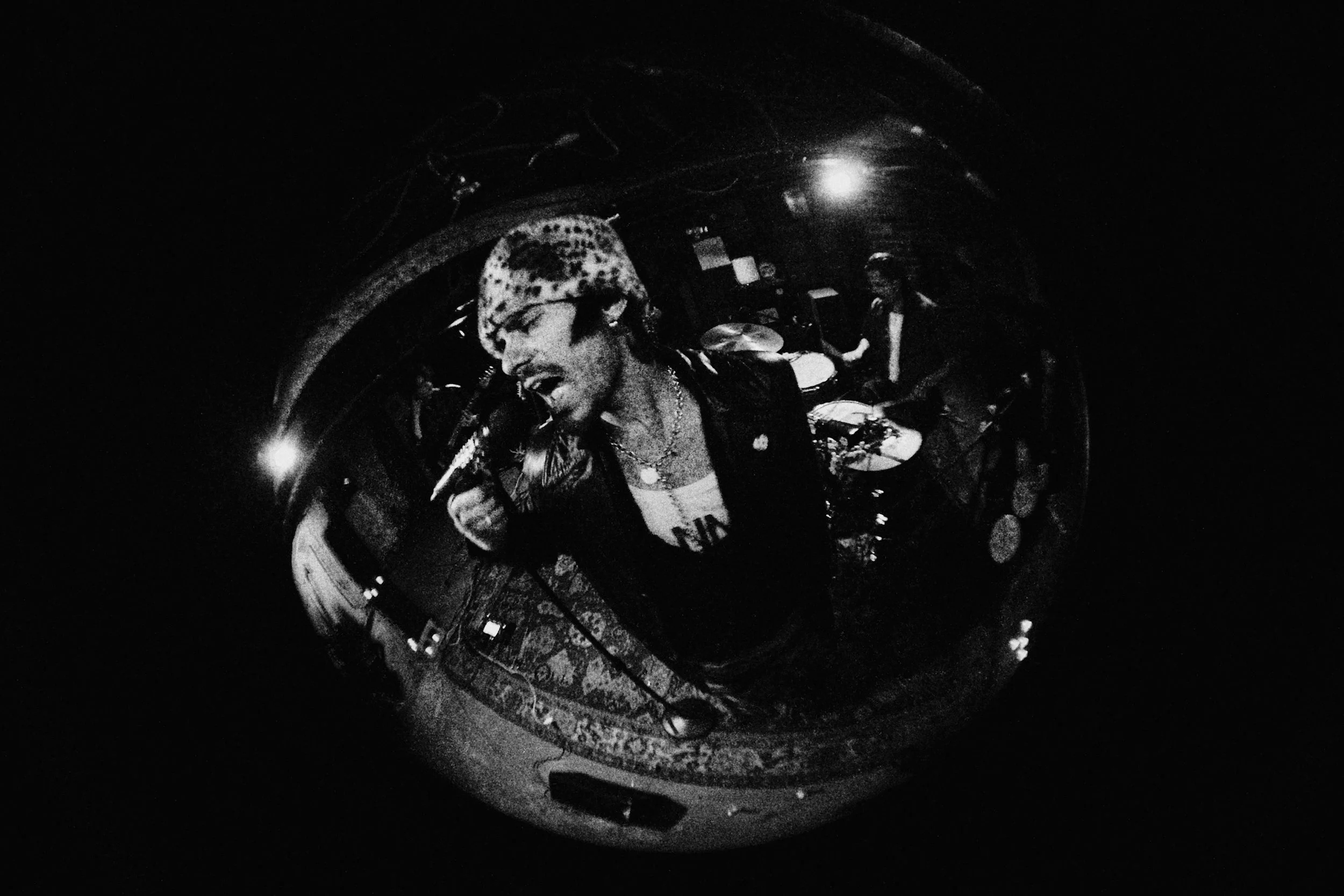
FROM BUSKING IN THE METRO TO SELF-DISTRIBUTING HIS DEBUT LP ON VINYL — Montreal-born artist Koko Love has finally made his way to digital streaming platforms with The Cost of Freedom, out everywhere now. He first dropped this debut record last year via Bandcamp and physical vinyl form only, so The Cost of Freedom’s first life was completely offline, sold by hand after playing live on tour with R&B/soul artist Kyle Dion last year.
Love calls this shift to digitization part of his own personal experiment. He’s flipped the traditional album release cycle on its head, choosing to see where the music can go from the self-made audience he garnered over the course of last year. Even so, he remains committed to physical media: the way it slows things down when things already feel oversaturated, and likewise simplifies the artistic experience.
The Cost of Freedom is everything Koko Love and co-producer Soran Dussaigne hoped for. “We created exactly the music we wanted, without outside opinions getting in the way,” says Love. “We didn’t start with a goal, only after recording every song did we realize we had an album. A pure expression of who we are.”
The opening track, “Circle Satellite,” brings to mind Outkast fused with “Stand Tall” by the Dirty Heads. Love speaks on the downward spiral of overthinking, which no longer troubles him by track two, “Moon Rocket.” His vocals are laid-back, relaxed and supremely confident, similar to Dominic Fike's, but with vibe-focused lyrics more than anything else.
Inspired by the sounds of CAN, The London Suede and Red Hot Chili Peppers, The Cost of Freedom is Koko Love’s eager first step into the digital world. Read Luna’s interview with the one and only below.
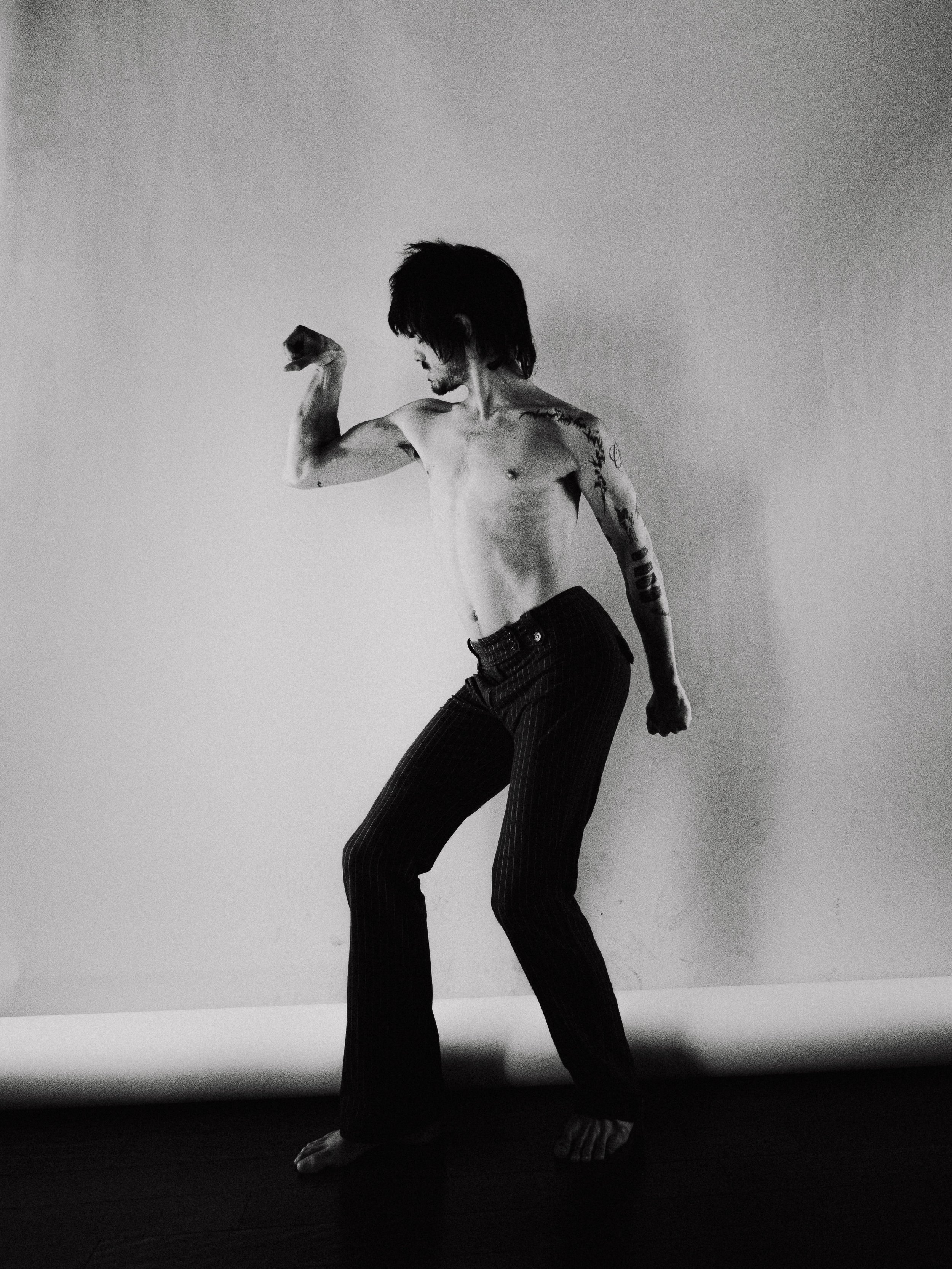
Photo Credit: Thomas Fontaine
LUNA: What is your favorite kind of physical media and why? CDs have my vote.
LOVE: Vinyls! Because I’m a big fan of the art on an album. I want to say it’s just as important as the music. Maybe I’m exaggerating a bit, but still. It’s very important to me and I love seeing it in full effect.
LUNA: What did you take away from touring with Kyle Dion?
LOVE: Kyle is a great performer. Showing up every night with high energy and singing his ass off on stage. So, definitely work ethic.
LUNA: What did you take away from busking through the Montreal metro?
LOVE: That nobody gives a f*ck! Busking in the metro is a very humbling experience. Nine people out of ten pass by and won’t even bother looking at you. People are in a rush, going places. They don’t care about a musician. So it’s very humbling, and it’s also desensitizing if you’ve got public anxiety.
LUNA: I'm unfamiliar with the indie alternative music coming out of Montreal. Which Montreal artists inspire you right now and why?
LOVE: I’m surrounded by inspiring, talented artists. Definitely go check out Soran, Samant, Yuki Dreams Again, Zach Zoya, Fine Food Market, Lou Val, Claudia Bouvette, Hockitay, Planet Giza, Crimson99 and Chris Hoather, to name a few. There’s really a booming scene of talented artists out here and I’m lucky to call them friends. Montreal definitely lives a bit in the shadow of bigger industry hubs like LA or NYC, so it builds character. That’s something a lot of artists here have in common. It’s also still somewhat affordable, which makes it conducive to a thriving artist scene. And the harsh winters don’t hurt either. They build character too. So yeah, strong artists coming out of Montreal for sure.
LUNA: What prompted you to flip the release cycle in the way that you did? How does the first life of The Cost of Freedom compare to this second digital go-around? Does the most recent release feel any different?
LOVE: I put everything into this debut record, and from releasing independently, I know it can be very hit or miss. So I anticipated putting out this debut album with no support whatsoever. I used that as an opportunity and decided to flip the short-lived release cycle so it could last a whole year instead. I treated it like an experiment, sharing the music with people in real life and outside the usual platforms. It felt really special to bring this album on tour and sell vinyl to people while the album wasn’t even on streaming yet. Putting it on streaming actually felt even better after the album had already had a life of its own. Instead of being a devaluing experience, it just enhanced the path we had already been on for the past year.
So far, I’m really happy with the results. For someone who doesn’t really post content on social media, I kind of rely on playlist placements and the excitement people have for the music to travel. Word of mouth. And the DSPs have really shown up this time. We’ve gotten a bunch of playlist placements within the first week already, so I’m really grateful for that.
LUNA: Where does your commitment to physical media originate? Do you have any thoughts on avoiding traditional streaming routes because they do not always directly support artists?
LOVE: I’m definitely a bit reluctant about streaming platforms these days, and I honestly don’t know what to make of it. On one hand, they don’t support artists the way they should. But on the other hand, there’s not really a sustainable alternative at scale yet. So I feel like the best approach probably lies somewhere in the middle. Artists going back to the way it used to be. Prioritizing real life experiences, physical media and direct artist to fan relationships as much as possible. Then streaming platforms second, not the other way around. Kind of like what we did with this album.
LUNA: Tell me about the abandoned basement where you first played the album in 2024.
LOVE: It was a friend’s basement in a commercial building where not much was happening anymore. It was pretty much abandoned. We turned it into a fully functional venue with the help of my friends, my band, and my sound guy. We brought in PAs, consoles, and all sorts of equipment to make it work. We even had a bootleg bar and my friends were bartending. I couldn’t have imagined a better place to kickstart that record. I’m really grateful for everyone’s help.
LUNA: How would you define the paradox of freedom? What kind of freedom are you referring to? Freedom from what?
LOVE: Freedom to do whatever you want. The kind of freedom you dream about in high school. I’ll speak for myself, but during high school all I ever dreamed of was making music for a living, being rich, and doing whatever I want whenever I want. I might not be rich yet, but I am free to do whatever I want and I make music for a living, which was always the dream. In a way, I’m very rich in time. But that also comes at a cost, because you’ve got plenty of time to overthink and you can rely on no one but yourself. No schedule. No clocking in or out. From the outside it might seem like an artist is never working. But from the inside, I can tell you with certainty that most of the time it feels like we’re always working. Never really clocking out. And that can really mess up a nervous system over time.
LUNA: What's next for Koko Love?
LOVE: LP2! I’m starting to record the next record this month. Expect another Koko Love project in 2027.