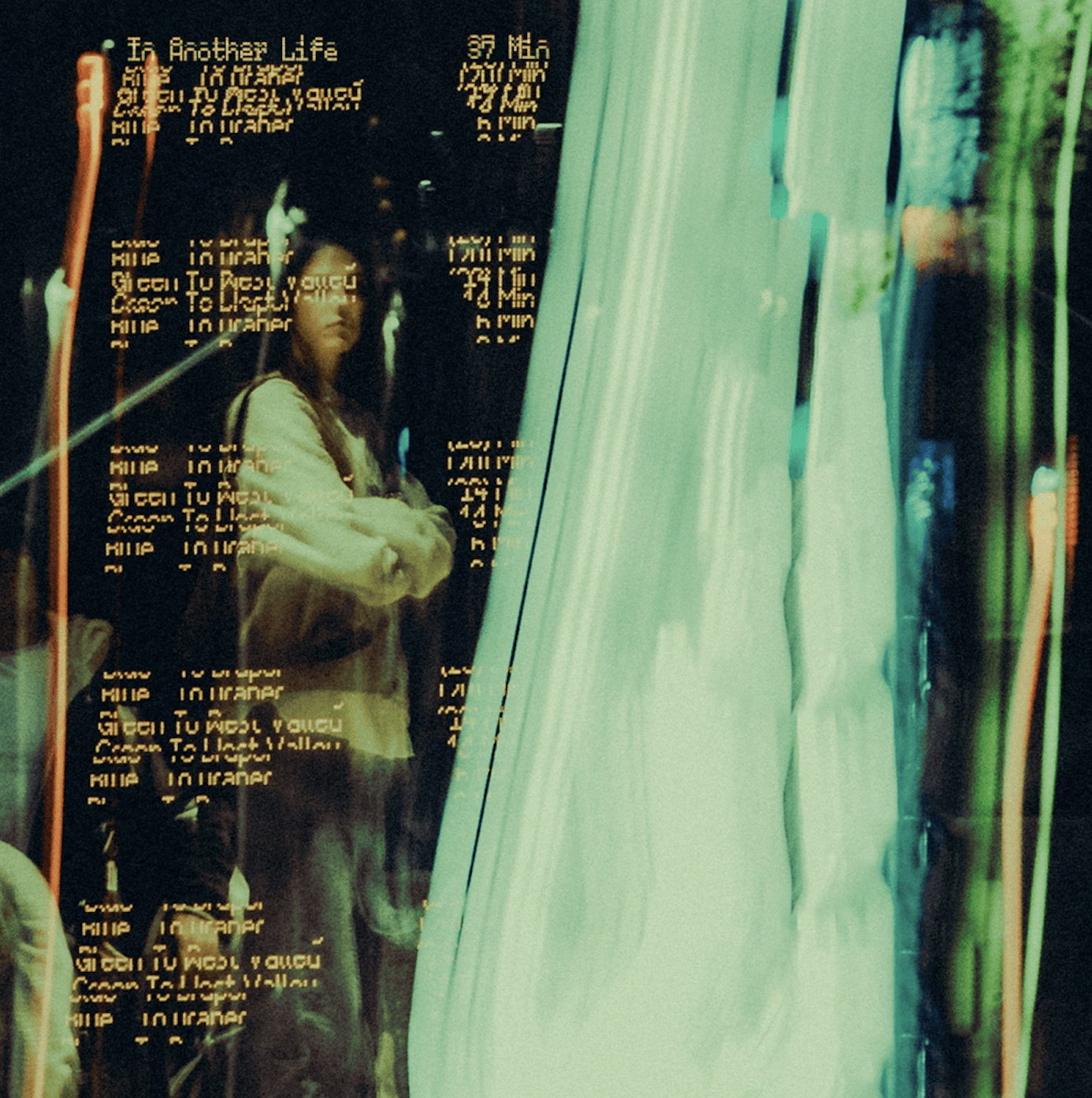
Q&A: This is Krooked Kings at Their Most Honest
INTERVIEW
INTERVIEW
☆ BY GIGI KANG ☆
KROOKED KINGS AREN’T AFRAID OF AN HONEST CONVERSATION — which is exactly the intention they poured into their upcoming album, In Another Life.
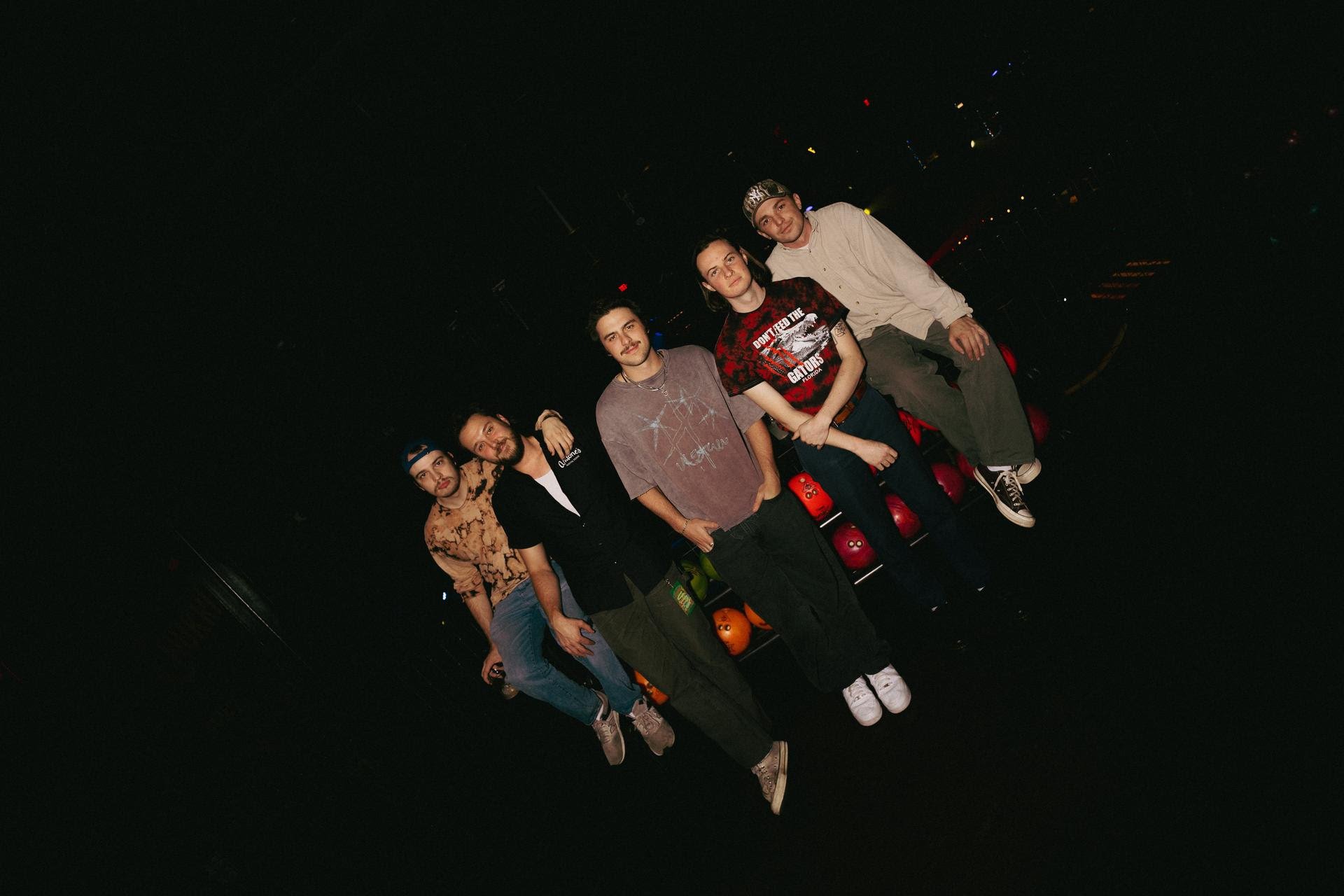
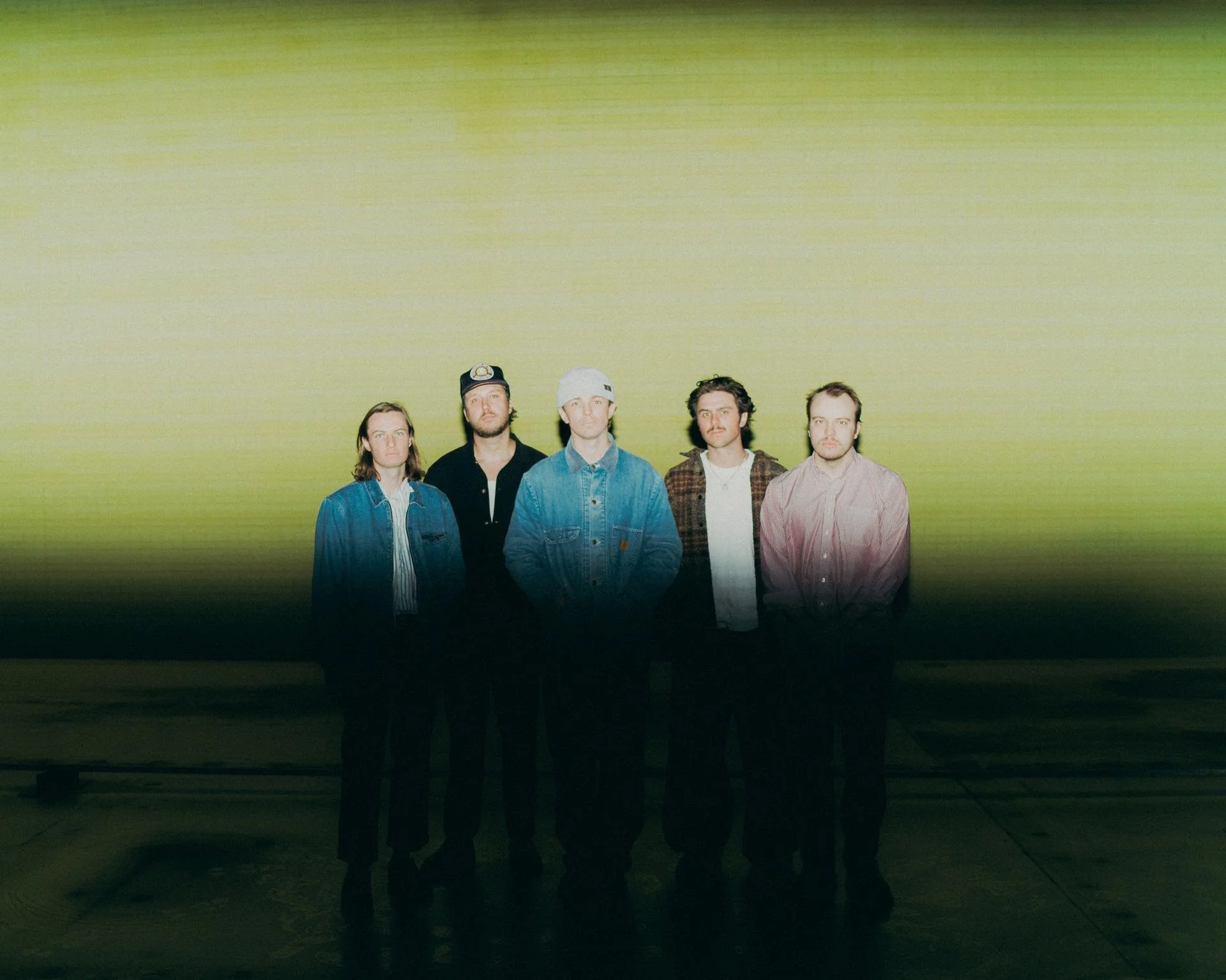
Krooked Kings are Oli Martin (vocals, guitar), Paul Colgan (guitar), Dave Macey (keys), Matt Monosson (bass), and Quinn Casper (drums). Set to release on March 27, the band’s fourth album follows a period of reassessment after they realized that the weight of focusing on numbers was just not worth it. In Another Life is the result of the guys deprioritizing views and clicks. Instead, they’re reconnecting with the creative vision that birthed Krooked Kings.
“It really was back to basics, which I think is great,” Colgan shares. “There’s something to be said about having career ambition and wanting to grow as a band. At a certain point, if that gets in the way of the creative aspect and why we fell in love with this career path in the first place, then it’s got to go.”
The ensuing music takes accountability and exposes imperfection in a way that might encourage listeners to look inward too. An example is the track “My Friend Max” in which Martin sings, “I don’t see what they see in me / I’m not who I was meant to be.” Another example is “Ugly Love,” which confesses, “I’m a scumbag, drama queen, I’m hooked on nicotine.”
Macey shares, “I think that our music always comes from a personal perspective that we are flawed people. There’s a thread in our music acknowledging that, but I think this is the first time we’ve really just blatantly been like, ‘Yeah, sometimes I could be a piece of shit’ (laughs).”
Krooked Kings worked closely with Yves Rothman on In Another Life (FKA Twigs, Aly & AJ, Blondshell). They credit Rothman as a big help in navigating through the uncomfortability of accessing one’s deepest truths during the writing process.
“I always think that the best art comes through being pushed,” Martin shares. “Yves did a great job in this album pushing us. I think this vulnerability is what people want to hear and it’s what people really connect to.”
Lyrically, the vulnerability is clear. But one of the band’s greatest strengths is their ability to create an instrumental atmosphere that matches the lyrical message. For example, layered harmonies create a dizzying effect on “Damage Control” as Martin sings, “Watch me spiral.” The song is about incessant nights of drinking, then having to deal with the consequences.
But, in classic Krooked Kings style, there is always hope alongside melancholy. A song like “Parking Lot” adds lightness to In Another Life with its tinge of romance, describing the excitement of a new crush. Martin sings, “Maybe for the night, I could be your light / We could let the stars align.” The chorus is catchy, drum-driven, and anthemic.
Overall, In Another Life is a clear level up in how Krooked Kings approach their art. It’s a polished affirmation of a band unwilling to sacrifice what they love most. Through assorted themes and an undeniable sense of responsibility running through each track, In Another Life is a symbol of creative courage.
Read Luna’s full conversation with Krooked Kings below about creative fulfillment, pushing the bounds of vulnerability, and creating a genuine community.
LUNA: “Parking Lot” and “Rancher’s Daughter” are both anthemic tracks. I can totally imagine them being great for a live setting. Are your songwriting decisions driven by how a song would translate to a live experience?
MACEY: I think we have a tendency for that. We all like indie festival bangers, so I think it naturally comes from us. We love it. We like a big chorus.
COLGAN: It’s something that we feel in the writing process. We’ll know if a song is going to be something that will translate well live. The more time we’ve spent on the road playing shows, the more we tend to be excited about the songs we’re writing that have that live feeling.
CASPER: Also, this time around, we recorded live. We played everything together and really hashed stuff out, more so than in the past. I think that helped shape [the live feeling] a bit more.
LUNA: You’re touring for the next little while. How is all that coming along?
MARTIN: It’s been great. A lot of these new songs, we had a chance to perform, but a lot of them are going to be brand new. It’s our first headline tour in about a year and a half. Opening is great, but to connect directly with our fans, have more interactions, and have them sing the lyrics back—we’re all really stoked.
COLGAN: It’s totally different to see how people react online. You’re kind of working in a vacuum, versus, being in these smaller clubs and the energies there. It’s fun to see because it’s not always what you would predict.
LUNA: Why did the album title, In Another Life, feel right?
MARTIN: The album is about change and new beginnings. It’s pretty reflective of where we’ve been and what we’ve been doing. It just felt fitting. I think a lot of the songs also cater towards futures that could have been. In a different life, this might have worked out. For like eight months, we were trying to beat it and find a new title. But we just couldn’t.
MONOSSON: The title track is the last song on the album and I feel like it really ties all of the themes together. It’s melancholic, it’s reflective, and it sets the underlying mood for the whole album.
LUNA: You mentioned that it’s about new beginnings—I know you shared on your social media that you went through a reevaluation as a band. Perhaps the social media aspect of it, or the numbers of it all, was something you found yourselves getting a little lost in. How did you realize that was happening?
MARTIN: I think we had a lot of success originally on social media. We really enjoyed that a lot of people started listening to our music, and we definitely didn’t want any of that to change. But in terms of the art and fulfillment, all of us felt like the content was a little empty. It felt like we were competing for clicks versus making stuff that we thought was important. We realized, as musicians, this is what we want to focus on and if that doesn’t result in the most viral moments, that’s okay with us. We’re more proud about releasing stuff now. It wasn’t really helping us connect with our fans or the art in the way that we envisioned when we started the band. It was a big change with this album, being focused on what our message is and trying not to let that get tainted by numbers or views.
MONOSSON: We’ve very grateful, but we had some issues and went to look for new resources and teams. Everyone was just so obsessed with social, social, social, and less about the music in us. It weighed heavy on our shoulders. We love making music and love connecting with our fans, but it’s hard to maintain when you’re not getting that appreciation from the industry.
LUNA: There’s definitely a virality obsession that plagues a lot of the music industry and it’s unfortunate. It’s tricky because you don’t want to fall behind, but you also don’t want to put out content that your soul doesn’t align with. It’s very difficult to strike a good balance.
CASPER: It’s like a necessary evil. You kind of have to play the game a little, but what we really care about is the music and the art. That’s what it all comes back to. I, personally, felt almost a cultural shift when we started doing this new album. It felt like we were excited again. It was like, “Oh, fuck yeah.” One day in the van or something, I remember thinking, “This is so fun. Let’s just enjoy it.”
MARTIN: If we keep putting ourselves in the content and earnestly caring about it, I think our vision will eventually find the people who really do enjoy that. I think when you have those viral moments, it’s hard because it fades so fast. A lot of this refining of Krooked Kings was to be earnest. I think the fans will feel us more in the content. I think people really want to feel that genuine connection with bands.
LUNA: I think you’ve always had that sensibility. A song like “Roll Credits” off the last album has themes of discussing what truly matters and what doesn’t matter.
MARTIN: Appreciate that mention. Love that song.
LUNA: “My Friend Max” kind of relates as well. It sounds like the result of self-reflection. Is it accurate to say that the song stems from looking inward?
MARTIN: One hundred percent. When we were writing the album with Yves [Rothman], I remember there was one moment where it got pretty emotional. He was like, “I want you to say things that you’re scared to say.” That song is really vulnerable. It’s not necessarily something you want to put on a poster and be like, “Hey, this is who I am.” But I think it was healing looking at yourself and being really honest with yourself. That is one of my favorites on the album. I feel like emotionally, we all connected with that song. It comes through in the instrumentation too. It feels very well rounded to me.
MACEY: I think that our music always comes from a personal perspective that we are flawed people. There’s a thread in our music acknowledging that, but I think this is the first time we’ve really just blatantly been like, “Yeah, sometimes I could be a piece of shit” (laughs).
LUNA: That can be scary to release. Even as a writer, sometimes I find this internal feeling of a wall going up. It’s this instinct of, “I need to delete this.” But to still go through with it and release it anyway, what is that experience like for you?
MARTIN: That’s a great question. I feel like writing in general is always going to be kind of embarrassing and hard to bring forward. One thing that makes it easier for all of us is that we have each other. We’ve been doing it for so long that we feel comfortable bringing ideas to the table. We know each other on a really deep and personal level at this point, so we can share these parts of ourselves without feeling ashamed, and maybe even feel empowered by it. Another band member will relate to something that you’ve written.
MONOSSON: We also have a very similar music taste, which is indie rock and alternative rock. A lot of the songs that we all listen to are vulnerable. I feel like all my favorite songs are ones that are like, “Wow, I can’t believe they wrote that.” When we’re going to write, that’s in our minds.
MARTIN: I liked what you said about the wall coming up. I think there were a lot of walls [during the writing of this album] when the songs felt brutally honest. It’s almost a therapeutic process where you break down that wall and find open arms through it. You build up the wall because you’re worried about what’s on the other side, but the beautiful part of writing music is finding other people that are so happy you shared it. I always think that the best art comes through being pushed and Yves did a great job in this album pushing us. I think this vulnerability is what people want to hear and it’s what people really connect to.
LUNA: That’s wonderfully said. I always think about when I saw Movements live and I was just observing the crowd. People looked like they were able to experience all their emotions. I really respect artists who can create that space. Do you guys experience that during your shows? Are you looking out and seeing all these memories being made?
MARTIN: One thing we do that I’ve always liked is we go to the merch booth and meet people. I’ve had so many moments with people saying things that I don’t know if they’ve said to anyone else but us in that moment. It feels so personal and connected. It’s like what you’re saying, the safe space—that’s what we want to create with our shows. I think in indie music, there can be this cool-guy aesthetic which I really dislike. Honestly, the point of writing this music is to be genuinely inclusive. That’s what we all strive to do.
COLGAN: We’re done being nonchalant. We’re being very chalant.
CASPER: We’re never too cool to fucking just meet people and hang out. We’re always happy to meet fans and take pictures. You meet people who are such genuine fans and they share personal stuff about how the music helped them through hard times. It’s so rewarding.
LUNA: It really is that face-to-face connection that matters the most. You can create a community online, and it is very important, especially for people who might be international or can’t afford to come out to shows. But there’s nothing like face-to-face.
COLGAN: Yeah, I feel like it makes it all real. Putting something out online, you don’t really understand how far it’s reaching until you’re in a city where you know literally no one but people come up to you and express how [the music has] impacted them. It makes all of us want to keep doing it over and over again.
LUNA: One thing I noticed is there’s always a bittersweet undertone in your music. Whether it’s lyrically or sonically, there’s always at least one element in every song that keeps it from being too happy or too sad. I really like that because it mimics real life and the ebbs and flows. Is that bittersweetness intentional? Where do you think it comes from?
MACEY: I think it just comes out of us. Thank you for saying that it’s a positive thing. Sometimes you wonder if there’s too much repetition or something. It’s just integral to the way we write and who we are. Like you said, life is bittersweet. We can’t help inserting our own flaws into things and finding the bitterness in the sweetness, and vice versa.