
Q&A: Luca Fogale on Gentleness, Purpose, and Serving the Listener
INTERVIEW
INTERVIEW
☆ BY GIGI KANG ☆
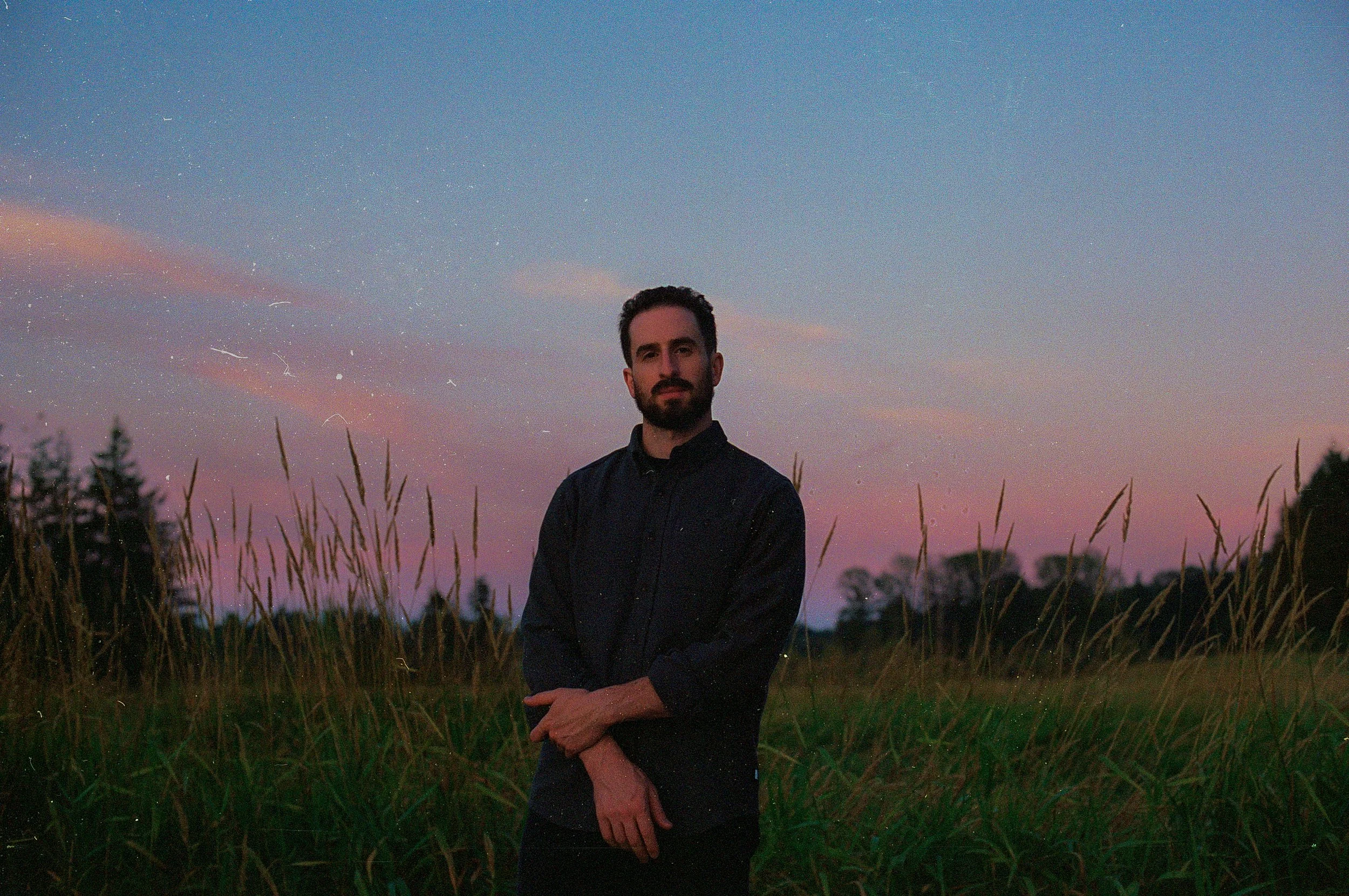
Photo by Brandon Artis
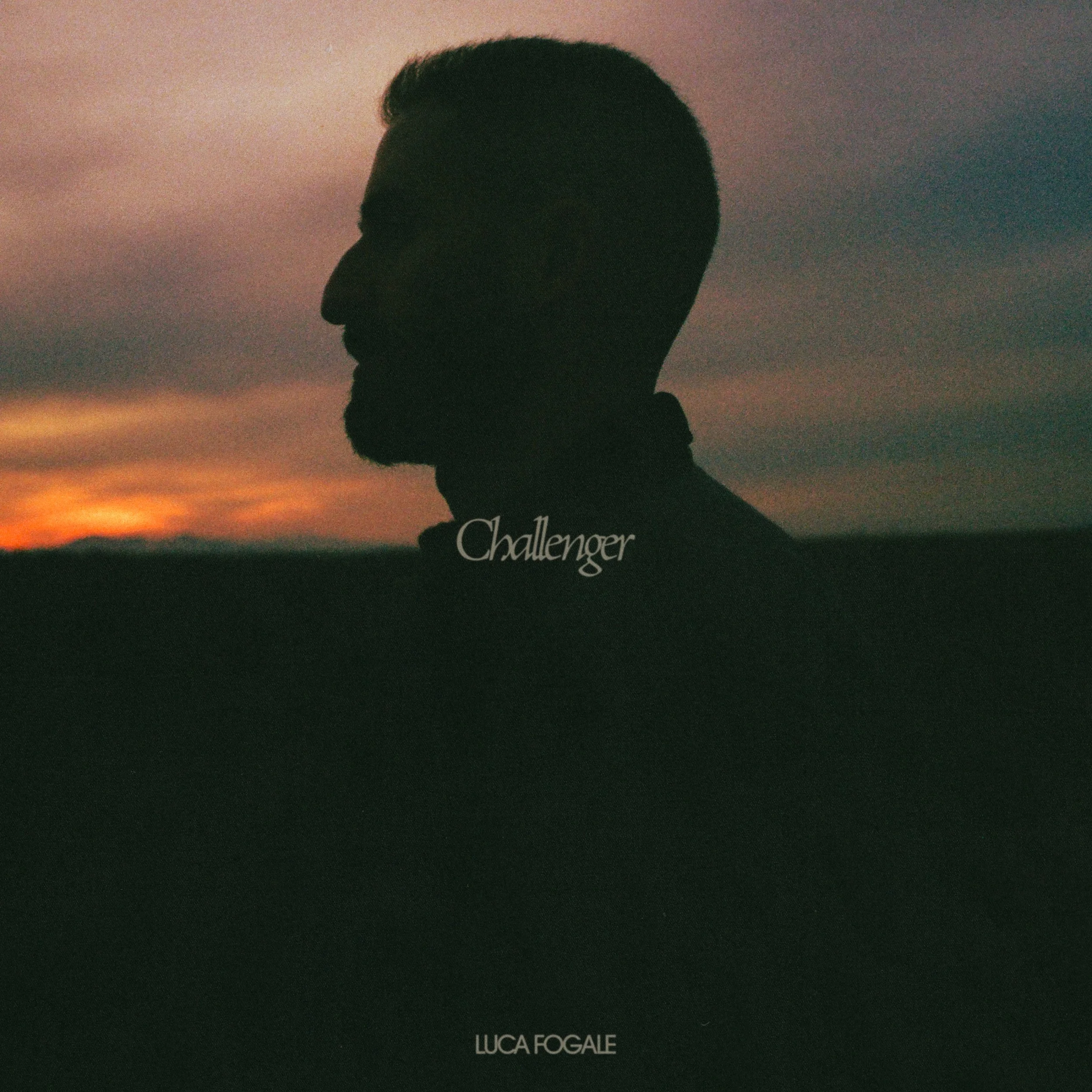
LUCA FOGALE’S CHALLENGER IS A CONFRONTATION—The BC-based indie-folk artist’s approach to his latest album was to ask questions that pick apart habits and assumptions that could be refined for the better, if only they were examined.
“Because of this bizarre and beautiful career,” he explains, “I have [the time] to take a hard look at myself and ask, ‘What kind of person do I want to be? What kind of man do I want to be?’ The outcome is to challenge everything that I know, deconstruct myself into all of my parts, and hold everything either to the fire or under a microscope. Is this serving me? Is it serving my partner, my family, my friends? Is it serving this world? If not, then out it goes.”
It is inevitable for that level of self-examination to find people who relate, and this collection of songs is Fogale’s most inviting yet. There is an equality in how much of himself he expresses, and how much of the listener he acknowledges. For example, in the opening track, he sings, “I know what it’s like feeling everything, feeling nothing,” then turns it to the listener, saying, “And you know what it’s like feeling everything, feeling nothing.”
That dance between the personal and the universal drives Challenger. The album inspects the inherent necessity between all of us as humans. We cannot be without one another, and Fogale embraces this. He encourages the listener through lyrics like, “Let yourself find some release now / Forget your courage and breathe out / Just for now,” which, in turn, allows him to encourage the best version of himself as well. Communal and parallel, Challenger could not exist if it were solely focused on the self. After all, “Love carries all of us,” as Fogale sings in “Ashes.”
Read our full conversation with Fogale below, and get tickets to his European headline tour next month in the following cities.
April 10 – Oslo, NO
April 11 – Stockholm, SE
April 13 – Copenhagen, DK
April 15 – Hamburg, DE
April 16 – Berlin, DE
April 17 – Prague, CZ
April 18 – Vienna, AT
April 19 – München, DE
April 21 – Zürich, CH
April 22 – Cologne, DE
April 23 – Antwerp, BE
April 25 – Paris, FR
April 28 – Utrecht, NL
April 30 – London, UK
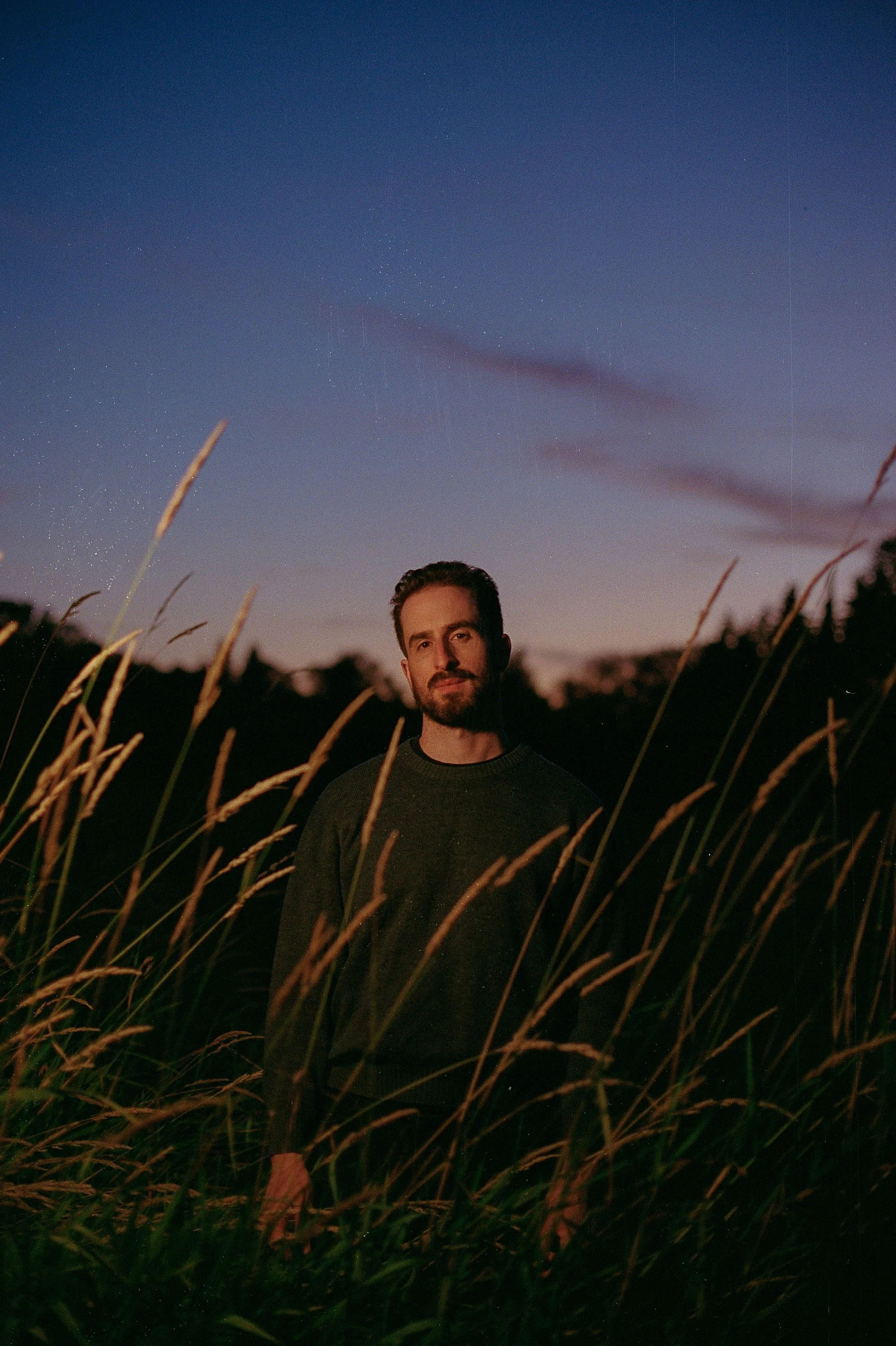
Photo by Brandon Artis
LUNA: I love that the first lyric we hear on the album is “Turning a corner.” It sets an expectation of newness. Does this album feel like you’ve turned a corner?
FOGALE: I like to think so, but I do have my default habits that I fall into. One of those things is working alone. I set out on every record thinking I’m going to include more and more people. While I have continually done that—adding one person each time—I still fall back into working on everything by myself. I actively try to change that every time. It’s a very strong habit. I’m trying to build more of a community around my music, which has been happening.
LUNA: What do you think comes out of that isolated approach to music?
FOGALE: I think the songs have more room to become meditative in a way that feels true to me, in a way that represents my life as it is at this moment. When we’re not touring, my life is very slow. There’s a lot of room and time to wonder and experiment. So it definitely gives the music that space, which is a good thing. It allows me to feel wholly represented in my songs.
I think the biggest downside is that I get so connected with my songs, especially since it’s my own name and likeness, as opposed to a band. I had trouble uncoupling my music from myself. I feel so completely connected as a person to my songs and as a human being, even when walking around or making dinner. That’s something I have been trying to distance myself from and to allow myself, in my personal life, to take a breath.
LUNA: In your music, there’s always a sincere sense of hope. It sounds like you remember the listener on the other end and how it will land, especially a song like “Define You” which feels like a direct encouragement. Is that true in your experience? Do you find yourself thinking about the listener a lot?
FOGALE: Throughout my career, I’ve thought so much about what it is that I’m contributing to this world. When I write music, I can’t help but think about the people who are listening to it. It can be a little paralyzing at some point because you need to be channeling something that feels only true to you and working through one creative idea at a time. If I’m constantly thinking, “What is everyone going to feel when they hear this? How is it going to affect their lives?,” I think that would be detrimental to creating. I think I’ve found a balance.
Music, especially when I was starting out, was a refuge for all of my melancholy and feelings of sadness, frustration, apathy, and purposelessness. It became a sort of hole, like a void to scream into. That felt good for a little while, but I recognized that I couldn’t grow while I was playing those songs over and over. There was a moment where I started to wonder how someone would feel when they left a show of mine. I can’t imagine they felt very hopeful or positive. Maybe they felt understood, which is a beautiful thing, but [I also want] the outcome of my music to be hopeful. When I think about all the versions of myself, I think the best one is the one who listens, is thoughtful, rejects cynicism, and embraces hopefulness.
LUNA: There are a lot of lines in the album that I think people may interpret as motivation, like “May you find what you’re looking for,” or, “You are right where you’re meant to be.” But do you feel like you’re also talking to yourself?
FOGALE: That’s where it always starts. In this phase of my life as I get a bit older, I’m trying to learn how to speak to myself as a friend, whether that means empathy or tough love. So, it’s all born out of that. Then, [I think] about one person at a time. Each of my songs is written with a person in my life in mind then when it’s finished, it ends up being about a lot of us, about more than one person. This is definitely the most direct I’ve ever been in songwriting, which feels good.
LUNA: I like what you mentioned about starting with the individual, then it becomes about everybody. If you can see the light at the end of a tunnel for someone else’s struggle, and you encourage them through it, it implies you’ve been there. You know what the journey looks like and that’s why you’re able to see where they’re headed and maybe give them a bit of hope. We go through our own suffering, and we gain strength which we are then able to impart on others. That was my biggest takeaway for this album.
FOGALE: That’s the best case scenario. I think so much of what we all go through and struggle with are versions of the same feelings. A lot of us are taught that you have to deal with things on your own and not everything is talked about. It’s changing a lot lately with younger generations. There’s more openness and willingness to share things. But it’s a missed opportunity if anyone ever pretends that we’re not all going through the same things, that we’re not all feeling the same.
It’s hard to feel aligned sometimes. What is all this for? What’s the main objective here? I just have to imagine that the objective must be trying to be true to oneself and to contribute something beautiful to this world. Mine at this moment happens to be that I write songs. It may change, and that’s okay, too.
LUNA: My favorite track is “Daniel’s Theme.” For me, it sounds like a reminder of the very thing that you’re describing. We forget that all the things we’re going through are leading us somewhere. On certain days, it can be impossible to make sense of that, even if we do remember it.
FOGALE: Thank you. That song is one of my favorites as well. It’s a song I’ve been writing for a very long time. The idea is based on this archetype of a man that I continue to meet in my life. [I’ve been] thinking a lot about masculinity in the last few years and this ever-changing discussion around what one is supposed to embody as a man. This version, I have come to call Daniel. I’m not sure why, but he is someone who has been handed all of the hurt and adversity that someone could ever be dealt. Instead of becoming bitter or violent, this person that I continue to meet has been able to embody and continue on with kindness.
I see it everywhere. I see it in so many people that we’re not defined by what has come before. It’s a circular theme in the album that the things we are given do not need to be our future, and the rare opportunity that someone is able to turn those negative aspects of the world into something beautiful. That’s what the song is about.
LUNA: It follows “Relief” which is an instrumental track. Tell me about that one.
FOGALE: I don’t think of myself much as an instrumentalist. Everything is very simple that I put forth. That one is instrumental because I couldn’t figure out how to write, lyrically, the feeling of relief. After quite a long, extended season of some difficult things in my life in the last decade, this year has been different. I think I’m still a bit too close to it to really understand how to write the song that I think would be called “Relief.”
There’s one moment in it that feels like what I wanted. It’s a little valley it slumps into, then comes back. I think that is the one song where I wasn’t thinking about the audience. Of all the songs on the album, it’s the one that I was most scared to record because I can’t explain myself—and I think it’s a good thing. It makes sense to me and my lived experience, and I hope that translates, even if just a little breath from all the words.
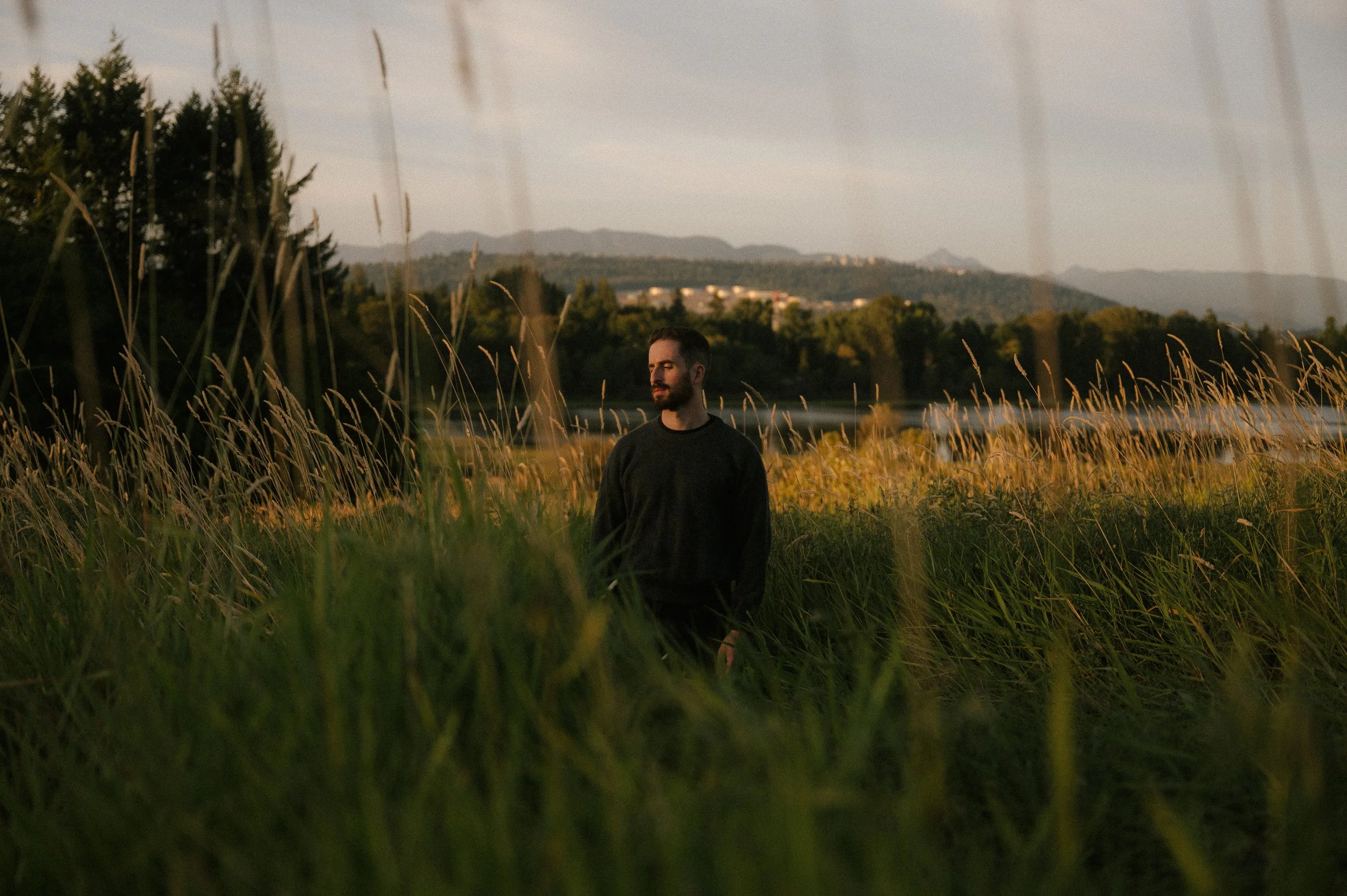
Photo by Brandon Artis
LUNA: Yeah, it is like a breath in the tracklist, a gentle pause. Gentleness is something I notice in your music and as we speak as well. In this fast-paced world, it often feels like the more exciting something is, the more valued it is. It’s becoming rare for people to take a tender approach. That’s not applicable to everything and everyone, of course, but it is certainly a pattern. What is your relationship with gentleness and why do you think it plays such a role in your art?
FOGALE: I think it must be some kind of response to this world that seems to have an unrelenting amount of violence, pain, and suffering that never really goes away. Even in my parents’ struggles, I saw them be gentle with myself and my siblings. I spent a lot of my younger adult life feeling angry and frustrated. I like myself a lot more now and can respect myself more. It finds its way into my songs. I think that’s just the way I have found I can best serve this world. It comes at the expense of being exciting. Maybe you risk boring a few people, and I’m okay with that. It’s the best way that I can show up in this world, for myself, and for the people in my life—with kindness and gentleness.
LUNA: It’s a wonderful quality to have. What people don’t realize is that it takes a lot of chaos to get there, then finally choose it every day.
FOGALE: Yeah, I think so too.
LUNA: You end the album with the words “Be the challenger.” What does it mean to you, to be the challenger?
FOGALE: To me, it means exploring everything and looking at every aspect of who you are. It means looking at every aspect of why you’ve become who you are, and giving yourself the chance to leave behind the things that aren’t serving you or this world anymore. Because of this bizarre and beautiful career, I have [the time] to take a hard look at myself and ask, “What kind of person do I want to be? What kind of man do I want to be?”
The outcome is to challenge everything that I know, deconstruct myself into all of my parts, and hold everything either to the fire or under a microscope. Is this serving me? Is it serving my partner, my family, my friends? Is it serving this world? If not, then out it goes. [It’s] challenging everything that we know and leaving as much as we can behind, carrying forward only the best parts of ourselves into the future for service to everything.
LUNA: It’s important, hard work that never ends.
FOGALE: I know that we’re all already doing that, but maybe [the music] can serve as a reminder to myself and to anyone listening of all the potential we have. The freedom we have to reinvent ourselves is endless.
