
Q&A: Leanna Firestone Ignites a New Era with ‘The Answer’
INTERVIEW
INTERVIEW
☆ BY KATHERINE CHUNG ☆
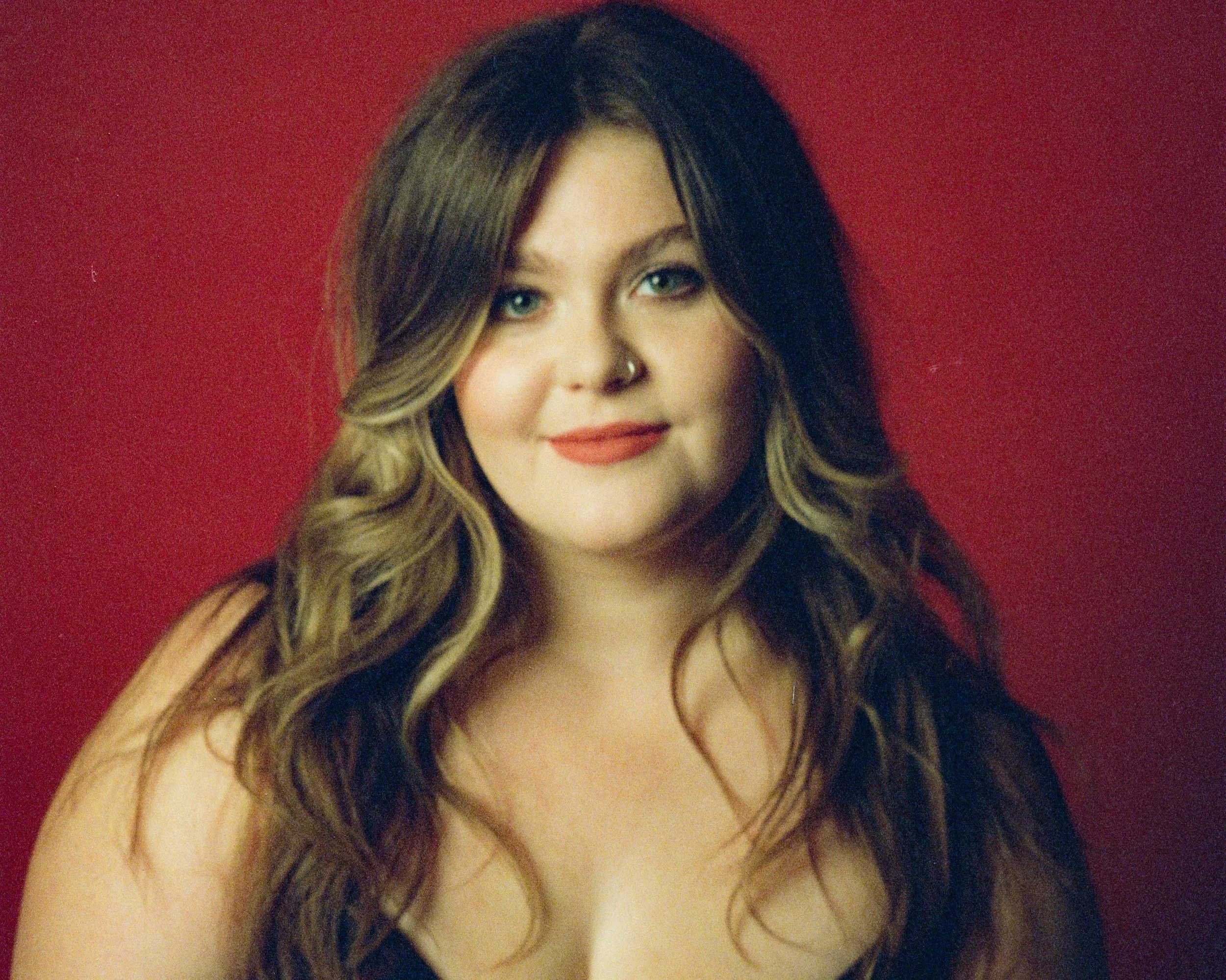
Photo by Sean Worth
STRONG WOMEN BUILD EACH OTHER UP—“The Answer” is Leanna Firestone’s message to girls and girls-adjacent listeners who feel alone in their struggles. After opening for Maddie Zahm in 2025 and performing her fan-favorite “Foreverever” (a song rooted in teenage girlhood and being dramatic), Firestone focuses on the theme of adulthood, using her music to validate the pain many women believe they carry alone.
“The previous projects I have put out have been albums or EPs about a specific time in someone’s life. What I mean is that I wrote about a person who is 16, 17 or 18 years old. But, I feel that I have created an album in which anybody of any age or at any time period could listen to these songs,” Firestone said to Luna. She also joked that she wants this to be an album someone can take to a deserted island.
Her lyrics are so abstract that fans may find themselves reaching for definitions mid-song. From unpacking “impeccable timing” to the quiet urge to leave everything behind, Firestone captures the layered emotions of wanting to disappear from the cruel and unjust world.
To mark the moment, she’s embarking on a 19-stop tour that feels like a personal invitation to an intimate, cathartic girls’ night out. She encourages fans to wear “whatever you would be willing to wear to your friend’s anniversary of breaking up with her awful boyfriend, to the bar or club.That is what you should be wearing. It is an event, but it is casual. I will not be wearing heels, but you can if you choose to.”
“The Answer” is a masterpiece that describes exactly what it’s like to be an empowered woman. We sat down to talk with Firestone about those abstract words, feelings that may be too hard to describe, and impeccable timing.
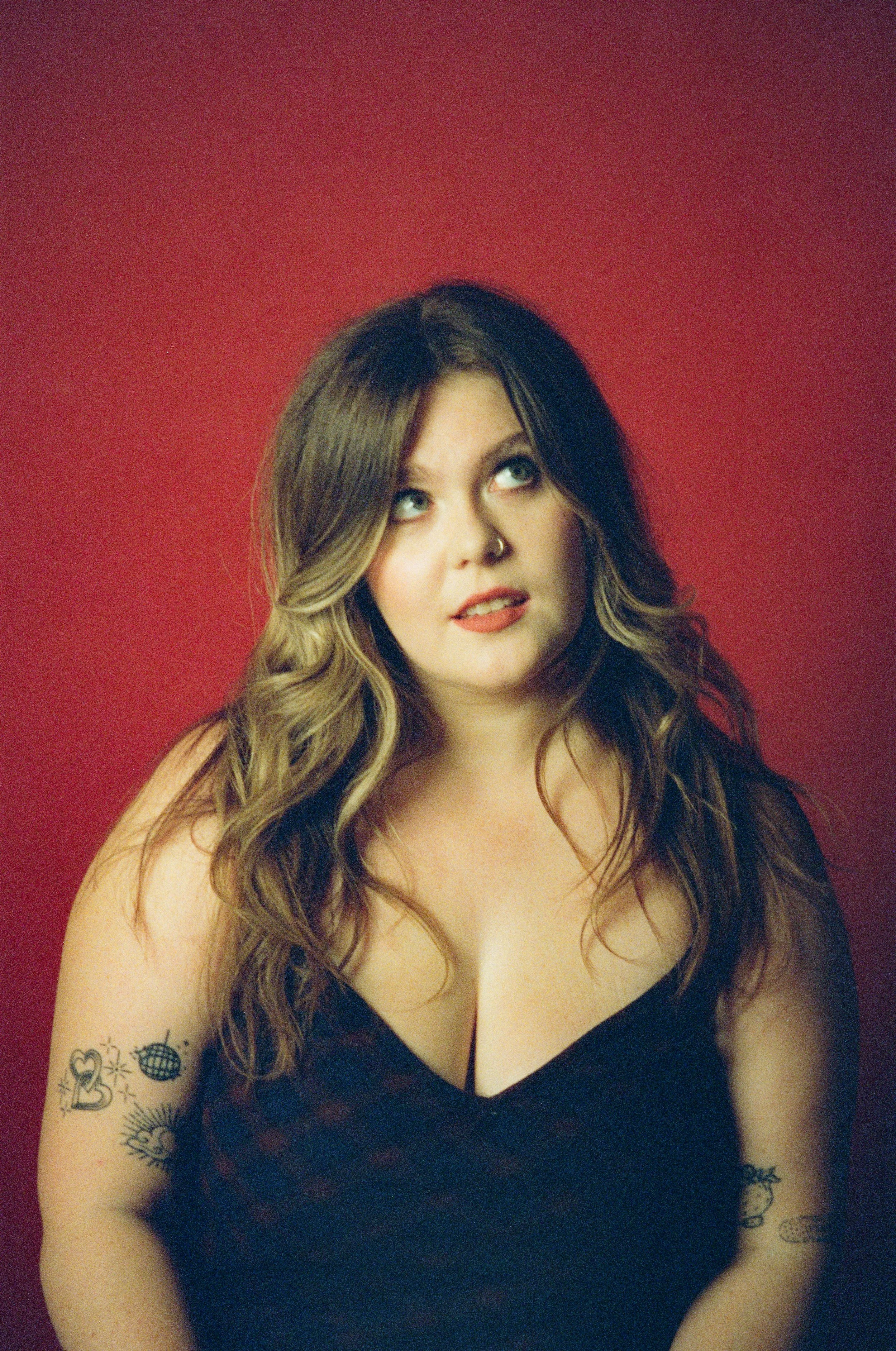
Photo by Sean Worth
LUNA: I would love to talk about the album The Answer, but I am also curious about “Victory Lap” because it seems like the beginning of the end. Was that intentional?
FIRESTONE: Well, “Victory Lap” is the first start that I have had in writing songs that are not explicitly about my life. That ties in to the theme of the album as well. When I was writing the album last year, I did not have any big bad events happen to me. The bad experiences are good for my life, but bad for material purposes in the sense that all of my projects have been about big, bad events that happened to me.
And so, I decided to write an entire album about the experiences my friends had at the time. Sort of getting their tea and big bad stories explained to me. Then I say, “Oh my god, that sounds like it sucks for you. What if I wrote about that?” I had this experience while I was out with my friend, where she saw her ex out at the bar, and everyone was looking amazing. But I was like, “What if they all looked horribly dressed, and that would make you feel good about yourself?” After that, my co-writer and I wrote this song about this fictional experience. “What if you saw them and you felt really horrible, and that made you feel like you were winning the breakup?”
We decided to put that one out first because it stands apart from all of the other songs on the album. I recognize that I make guitar-focused music, and to make this one a prominent piano track, I wanted to make sure people knew this meant a new era. An era of what I am about to make and to make these songs separate from anything else I have ever made before.
LUNA: That’s interesting because I initially thought that “Victory Lap” was about F1 racing?
FIRESTONE: I have had so many people be like, “Hey, are you a fan?” and I am like, “No, but I need to get into it because so many people are associating the song with that.”
LUNA: In the bridge of the song, you sing, “Heartbreak’s a panopticon.” Is there a story behind that word choice?
FIRESTONE: We are getting into niche content. I love word games, and that is obvious when you listen to my music. A panopticon is an 18th-century name for a prison. The prison is round, but you cannot see into the guard tower, and you do not know if you are ever being watched or monitored by the guard. It creates a system of constant surveillance even if there is no actual constant surveillance.
When I read that, I thought that it was similar to when you are heartbroken, and my ex is stalking me on social media, or am I seeing them at the bar tonight? It puts you in a situation where you are always on your best behaviour because you think it will give your mind the idea that you are not heartbroken anymore if they appear. The likelihood of running into your ex at any given moment is almost zero. They seemed like they won, but they were not the winners.
LUNA: Wow, that is fascinating. My favorite song on the album is “Confirmation Bias,” which is actually a scientific term. Is there a reason for the quick shift from heartbreak to this scientific idea?
FIRESTONE: Like I said earlier about the album, a lot of these songs are fictional. The sad songs, well, those are not fictional. The sad songs are about me. I came up with this idea because I have been in OCD therapy. I have been talking about all of my imposter syndrome and fears. I talked about how time-consuming this was for me in my everyday life. Then my therapist was like: “Do you think that is making you a better person? To be worrying about these things, you make up in your head about yourself and direct your attention away from hanging out with the people you love or doing the things that make you happy. Therefore, you are directing your attention towards something that is making you feel worse and not better about yourself.”
I responded, “Yes, you are right.” I am creating a self-made prophecy by not directing energy to worry towards spending with the people I love. For that reason, I wrote "Confirmation with Bias,” about the feeling that I am bad and that nobody likes me, etc. And it does not matter if any of the people I am worrying about do not like me, because I feel like they do.
It is less scientific than the idea actually is, and is more like the idea that: If you constantly think everyone hates you and nobody likes you, then you are going to become a person that nobody likes. “Stop thinking so much about yourself girl, and just get out there.”
LUNA: What’s your favorite song off the album at the moment?
FIRESTONE: It changes all of the time. I have been going out more often with my friends. One of my friends hit her first anniversary of breaking up with her boyfriend. Some of the album is about that. We went out to celebrate her divorce, even though she did not get divorced. It was a divorce for us, and as we were out, I was thinking about the next single off the album, “Town Ain’t Big Enough.” I thought that it fit my vibe at that moment. However, one of my favorites is “The Answer,” the title of the album. It’s a song that many people, myself included at times, need to hear. Similar to how, “Your doubt is a good enough answer to the question you are asking yourself. Therefore, that is what you should take as your answer.”
LUNA: In the song “Best Friend’s New Boyfriend Union,” You sing the lyric “We need some representation.” When I listened to it, I thought it meant that we needed both female and heartbreak representation. Does the lyric mean that we need representation in both areas?
FIRESTONE: Both. We need representation everywhere. We need representation specifically for girls whose best friend recently got a boyfriend. The song is about the same friend who broke up with her boyfriend a year ago, and then started to date a new guy, which was good for her and bad for me. Because I wanted to hang out with my girls, and she was spending all of her time with some guy she had recently met.
I texted her: “Are we going to hang out tonight?” And she texted back that she was hanging out with someone else. I texted back, saying that she cannot keep getting away with this. I will unionize against you. I will create a union of people against you because you cannot keep hanging out with other people [the guy you just met] and expect to be fine with it, girl. I need you over at my house right now.
The saying “we need some representation”means that other girls and I need to form a united front. Other girls, meaning girls whose best friends just got boyfriends, and tell them that you cannot spend all of this time with this man you just met. You need to prioritize me as well. Even if that sounds selfish, girl, I was your friend first.
LUNA: That song feels perfect for a feminist rom-com. In “Not Yet,” you mention “impeccable time,” which could also reflect letting go of relationships or emotional weight. What does that phrase mean in “Not Yet”?
FIRESTONE: The song “Not Yet” was probably the first tidbit of this record that I had written. It was two separate songs to begin with, about two experiences with my dad, who the song is about. I had a turning point in my life and career, which I talk about in the song. This label, which was my dream label, was going to give me a deal. I had already celebrated, and they said, “Oh, we will get back to you after the new year.”
The new year came, a huge snowstorm hit Nashville; it was the most ice I have ever seen in my lifetime. My dad called me and said, “I need your help. I need your assistance because I am in my car and have nowhere to go. I might not survive in this snowstorm.” This was the first time we had talked in eight months. We decided to take him to the Nashville Rescue Mission. And while I was dropping him off, bawling my eyes out, I got a call from my manager. She was like, “Hey girl, I love you so much. That dream label that you were going to sign is pulling out of the deal they offered you.”
The reason why I wrote the lyric, “Impeccable Time,” was to be ironic. It was the worst possible time I could have received that news. On the other hand, getting that bad news at that horrible time in my life, it made me realize that I do not care about that at all. I am so firm in my belief that the music I am making is good. And that the music I am putting out in this world is necessary and important. I do not need anyone’s validation about my music. There is so much more to life than someone thinking I do not deserve this or am not good at it.
LUNA: The final four songs on the album center around things you feel you need—an emergency contact, answers, a fresh start in a new town. Now that the album is out, what do you find yourself needing most at this moment?
FIRESTONE: Wow. That is an awesome question. I find what I need at this moment, dare I say, [in] my girls. That is what I have learned throughout this entire process of creating this album and in my life, as well. I did not get into a relationship, and I did not have my first kiss until my 20s. Part of the reason why it was not is that I was so scared to experience that. It was because I realized, I had such great female relationships in my life, “Why would I accept any man coming into my life when he is not going to add just as much or more value than female friendships give me?”
Within this album, I feel I have written about what my girls were going through, and the love with that friendship is just as fulfilling to me as romantic love. It is also supposed to be a testament to the need for female friendship and platonic love more than anything else. I could get rejected by that label. My dad could go on drugs again. If my girls have got my back, I have all that I need. What I need more than anything else right now is my female friendships.
LUNA: That is incredible. As an artist balancing touring and multiple responsibilities, how do you define girlhood, and how do you intentionally make space for it in your busy life?
FIRESTONE: Well, let’s get one thing clear: I am bringing my girls on tour. And the people who are showing up to the tour? Those are my girls as well.
Everything I do in my personal and creative life, in which girls and girls-adjacent can show up, be safe, and have a great time. I discuss in the song, “Judas (Martyr to my Mysery)” about how I spent most of my teenhood being blue and thinking there was something romantic about being sad. Today, I am at a point in my life where my goal is to have as much fun as possible, then die.
Girlhood is the idea that I can create a space where my girls and I can have fun, and other girls and their girls can have fun.
LUNA: You have toured with female role models like Maddie Zahm—what can fans expect from this 19-stop tour, and can you talk about the emotional, cathartic moment where the audience repeats lyrics back to you during your shows?
FIRESTONE: I like to lead with the saying: “A pain kept is doubled, and a pain shared is half. If I can get everyone to feel the same feeling at the same time, I hope to elevate some of the isolation that comes with feeling like pain is singular to you.
I want people to know that whatever indescribable pain they are carrying, they are not alone. When they step into that venue and sing along with others, it will become clear that even if their situation is unique to them, everyone in the room shares that same kind of pain.
